By Marisa Dawson, Courtesy Photos
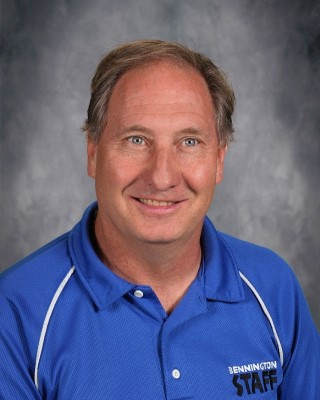
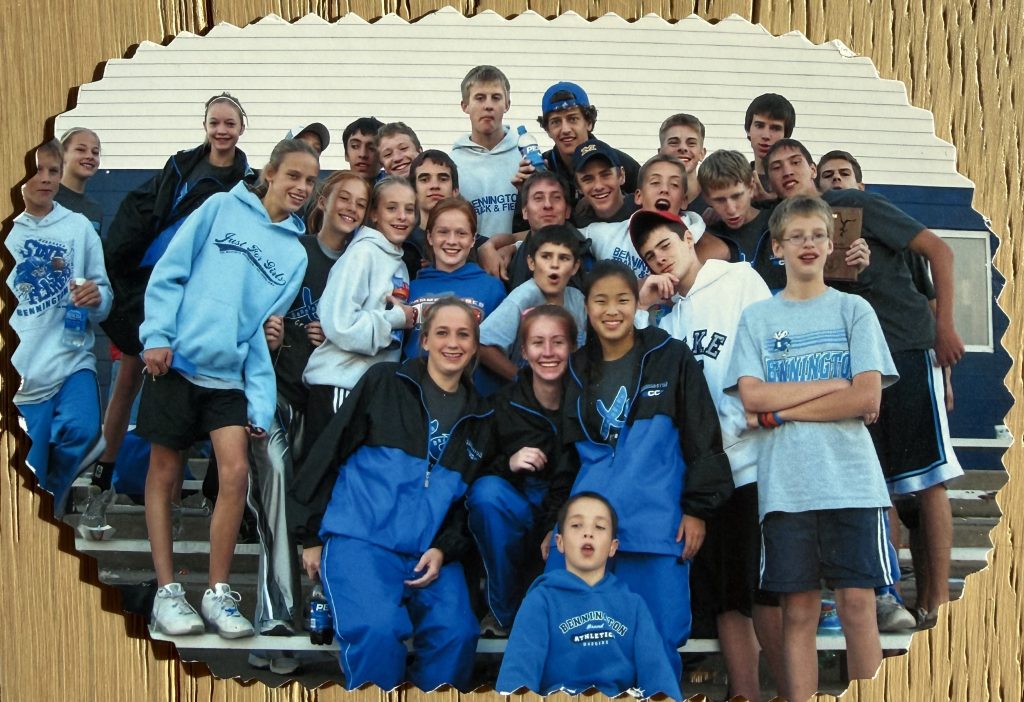
When Joe Schumm began coaching cross country at Bennington High School in fall 2004, just seven athletes turned out for the team: four boys and three girls.
More than two decades later, the program regularly draws 70 to 80 high school runners, along with athletes from its middle school program. Along the way, Bennington has progressed from Class D to Class A competition, and Schumm has continued to send individual runners or teams to the Nebraska School Activities Association (NSAA) State Cross Country Championships every year since 2005.
For Schumm, however, the numbers only tell part of the story.
“The thing I’m most proud of is the number of kids that we have participating in the sport,” he said. “To build this program up from seven total runners in 2004 to getting 70-80 kids participating now, along with the numbers in the middle school, it really makes all the hard work worth it.”
That growth represents more than a larger roster or a stronger competitive record. It reflects the work of generations of athletes, the development of a team-first culture and a coaching philosophy that former runners say has stayed with them long after graduation.
When Schumm arrived, the foundation for success was already in place. He credited former coach Gary Sather, who had guided Bennington runners to state qualifications and a state runner-up finish in 1990, with establishing a strong culture within the program.
“The culture was established, it was just a matter of the runners getting used to a new coach,” Schumm said. “The kids at this school work really hard and want to succeed, that makes my job a little easier.”
As Bennington grew, so did the challenges of competing against larger schools. Schumm recalled the changing benchmarks for reaching state, from competing against Malcolm to facing Syracuse and Fort Calhoun, then Elkhorn and, more recently, Lincoln Southeast.
“The level of competition gets harder each time you move up a class,” he said. “I think the jump from C to B was probably the biggest.”
Despite those changes, Schumm believes the fundamentals of running have remained consistent. He also remembers athletes from two decades ago who could compete with runners Bennington faces today.
His tenure has spanned all four NSAA classifications: D, C, B and A. Although the possibility that he is the only coach to have guided the same school’s cross country program through all four classifications remains unverified, the journey represents a distinctive chapter in Bennington’s athletic history.
“It’s a little unique, not many schools go through all four classes,” Schumm said. “I hope it’s not the only thing that my time here has meant, but it is definitely a unique situation.”
For Schumm, the program’s sustained success is rooted in the athletes themselves and their willingness to commit to something larger than individual achievement.
“We always have emphasized team over individual,” he said. “We try to stress that if you are working to help the team to be successful, success follows the individual as well.”
He believes that shared responsibility encourages athletes to push themselves harder than they might if they were competing only for personal results.
“It’s about being involved in something bigger than yourself,” he said.
A coach who makes runners believe in themselves
For Stacey Busciglio (formerly Havekost), who competed for Bennington from 2005 to 2009, joining the cross country team was not originally part of the plan.
An athlete with interests primarily in basketball and softball, Busciglio initially considered other sports. Her brother, Jeremy, who served as Schumm’s assistant coach, encouraged her to give cross country a try. She is glad she listened.
“Not only having him as a teacher growing up, but also as a coach,” Busciglio said. “He’s very nice, very supportive and cares about his team and you as a person, not only as a runner, but as well as a student.”
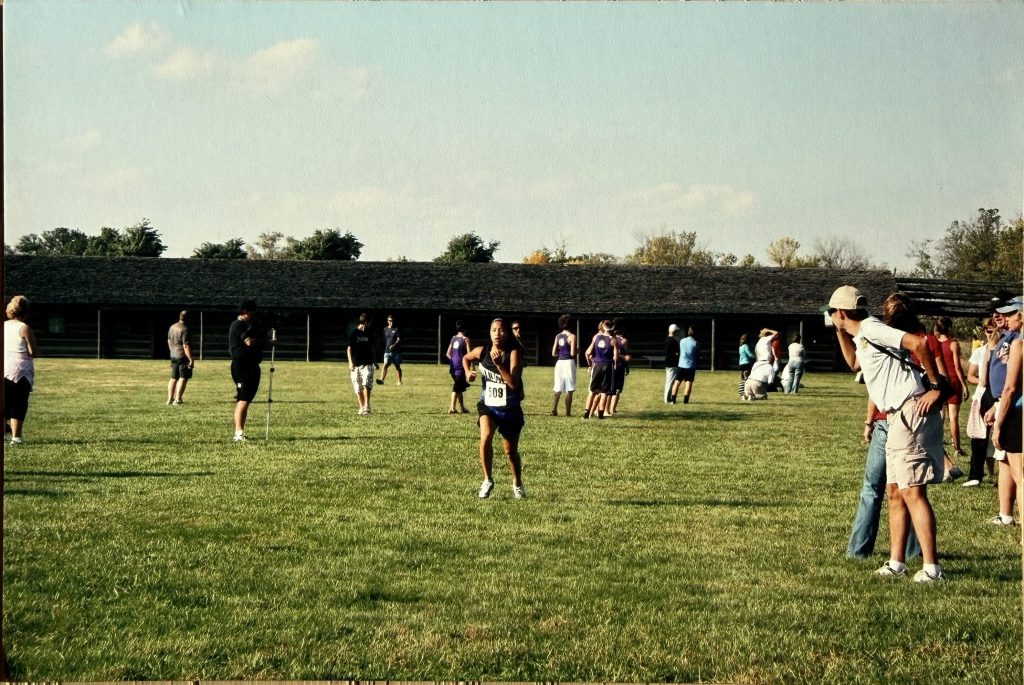
Busciglio remembers her first cross country meet as a freshman, when Bennington had only a couple of girls participating. At a meet in Tecumseh, she was nervous about competing and unsure what to expect. Schumm encouraged her to focus on the runner ahead of her rather than becoming overwhelmed by the race. She finished much better than expected, leaving Schumm visibly excited and proud.
“I could tell I made him proud,” she recalled.
That encouragement helped establish the kind of relationship she would have with her coach throughout high school.
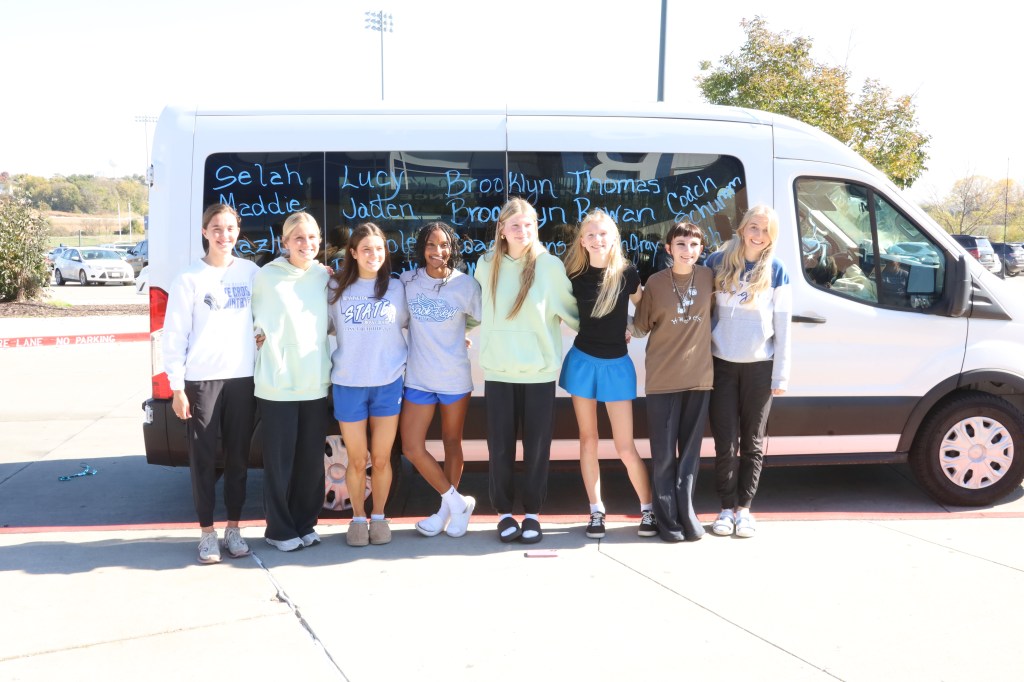
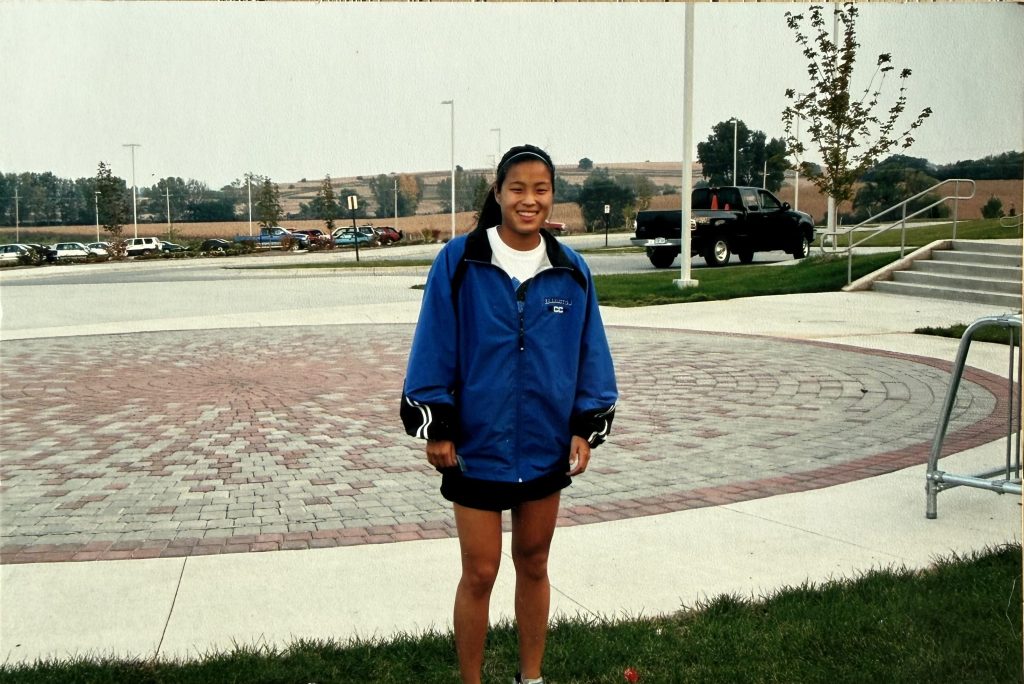
Busciglio (pictured above) said Schumm stood out because he could motivate athletes without resorting to yelling or intimidation.
“He was a coach who can show how to be a good coach and be encouraging without needing to raise his voice,” she said.
That approach, she believes, helped athletes improve while continuing to enjoy the sport.
“He makes things very fun, makes people stay dedicated and driven,” she said.
Busciglio also credited Schumm’s dedication, practice planning and ability to motivate athletes for the program’s consistent state qualifications. Cross country requires considerable physical and mental effort, she noted, and having a coach who makes the experience enjoyable can make a difference in whether athletes remain committed.
“He’s one of the nicest guys I’ve ever met and one of the best teachers,” she said.
Busciglio’s experience also illustrates how much the program changed during Schumm’s early years. When she began running, Bennington did not have enough girls to field a full team. As a freshman, she remembers competing alongside just one other girl. By her senior year, participation had grown enough for the school to field a girls cross country team.
“It was pretty cool to just watch it grow just in my years that I attended high school there,” Busciglio said.
She also remembers Schumm’s summer mileage club, which tracked runners’ miles and gave athletes a competitive incentive to train before the season began. The program helped runners arrive at the start of the school year better prepared for competition while encouraging them to challenge themselves outside the regular season.
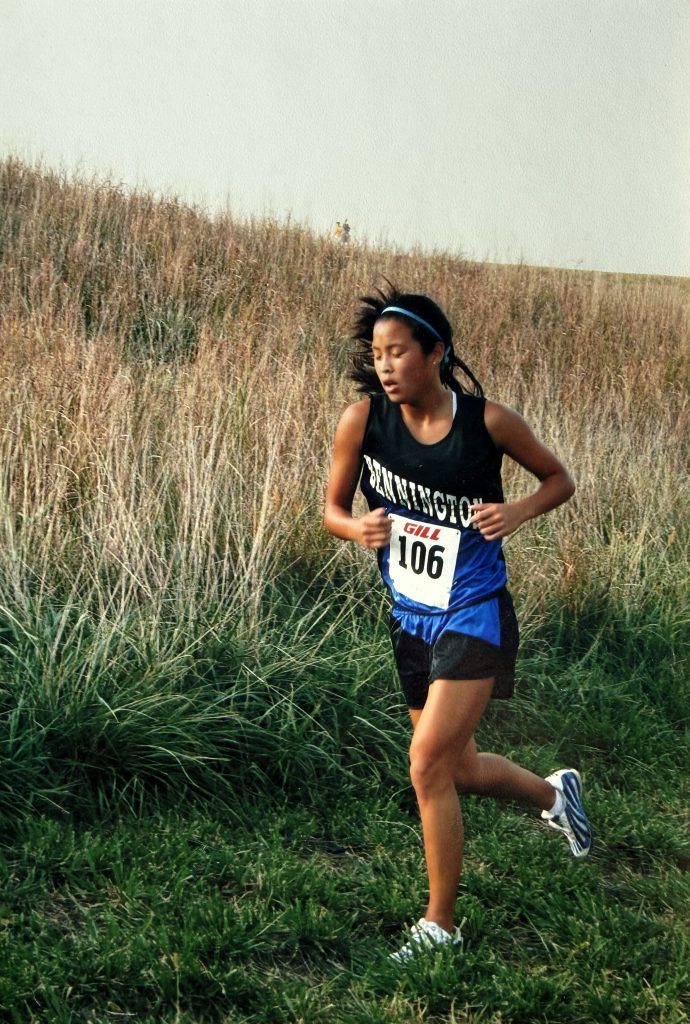
Although Busciglio did not qualify for state every year, she remained a key contributor during a period when the program was developing its girls roster. Her experience as one of Schumm’s earliest state qualifiers gave her a firsthand view of the foundation that later teams would build upon.
Schumm said expanding participation remains one of the program’s biggest challenges. Unlike sports that naturally draw large numbers of young athletes, cross country often requires coaches to introduce students to the sport and show them they can succeed.
About a decade ago, Bennington established its junior high program to expose younger students to running and help develop interest before high school. The program also accommodates athletes who participate in other activities, sometimes adjusting workouts or allowing runners to leave practice early for other commitments.
Those accommodations can make it more difficult to assemble a competitive team, Schumm said, but he believes the effort is worthwhile when athletes find their place in the sport.
Bennington’s cross country accomplishments include individual state qualifiers, district championship teams and state trophies. Schumm pointed to the 2021 and 2022 teams that earned state runner-up honors as examples of what can happen when talented runners also become strong team leaders.
Athletes including Samantha Jansen and Gabriela Calderon helped lead those teams, building on the example set by earlier runners including Taylor Ryan and Emily Gress. Schumm also credited Ben Wichelt and Daniel Connor with helping establish the leadership that propelled Bennington’s boys teams to several consecutive state appearances in the early 2010s.
He said the leaders who make the biggest difference are those who care about their teammates and work to help others succeed, including runners outside the varsity lineup.
“Those teams usually have very strong leaders that help to build and secure team culture,” Schumm said.
He also continues to look for ways to improve his own coaching. Drawing on a lesson from his own college coach, he believes people must continually move forward rather than remain where they are.
“Since 2004, I’ve tried to live by that philosophy by continually looking for ways to improve,” he said.
Schumm attends coaching clinics, talks with coaches at different levels and learns from his assistant coaches. He also recognizes that every athlete brings different strengths, challenges and motivations to the program.
“Experience has taught me that there isn’t one approach that works for everyone,” he said. “You have to be willing to adapt, listen, and learn what motivates each individual.”
That willingness to learn has shaped his coaching over the years, he said, just as he hopes his coaching has helped his athletes develop as runners and people.
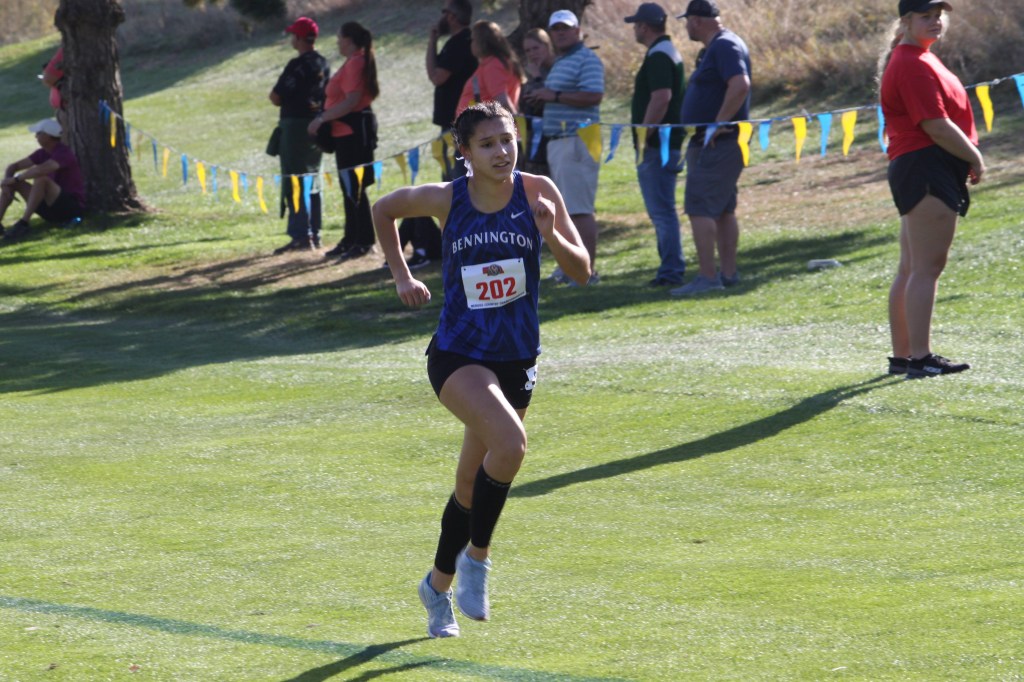
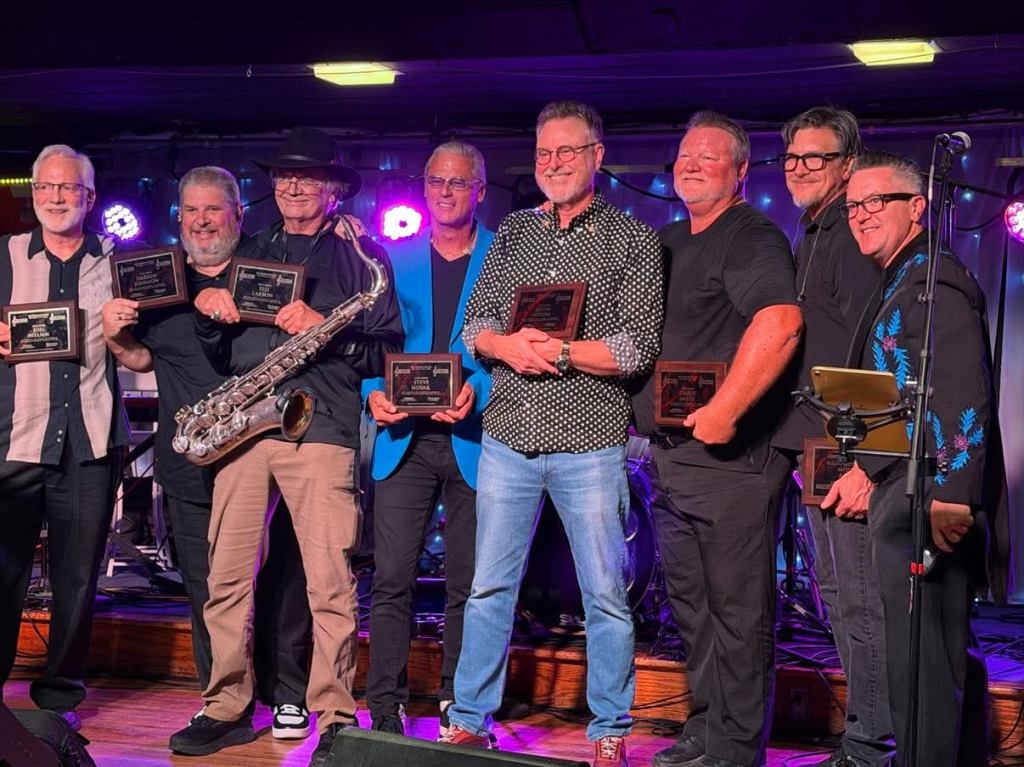
For Gabriela Calderon (pictured above), a 2023 Bennington graduate, one of the most meaningful aspects of running for Schumm had little to do with competition.
She remembers his classroom being open before school each morning, giving a small group of runners a place to spend time together and talk.
“Every morning before school a few of us would go and hang out in there and talk,” Calderon said. “He would never complain. In fact, he looked forward to it!”
Calderon went on to achieve considerable success in high school athletics. She qualified for the Class B state cross country meet all four years at Bennington and earned state runner-up honors in both cross country and track during her senior year. She also earned multiple state track medals and set school records. Now, Calderon competes on the cross country and track teams for the University of Nebraska Omaha.
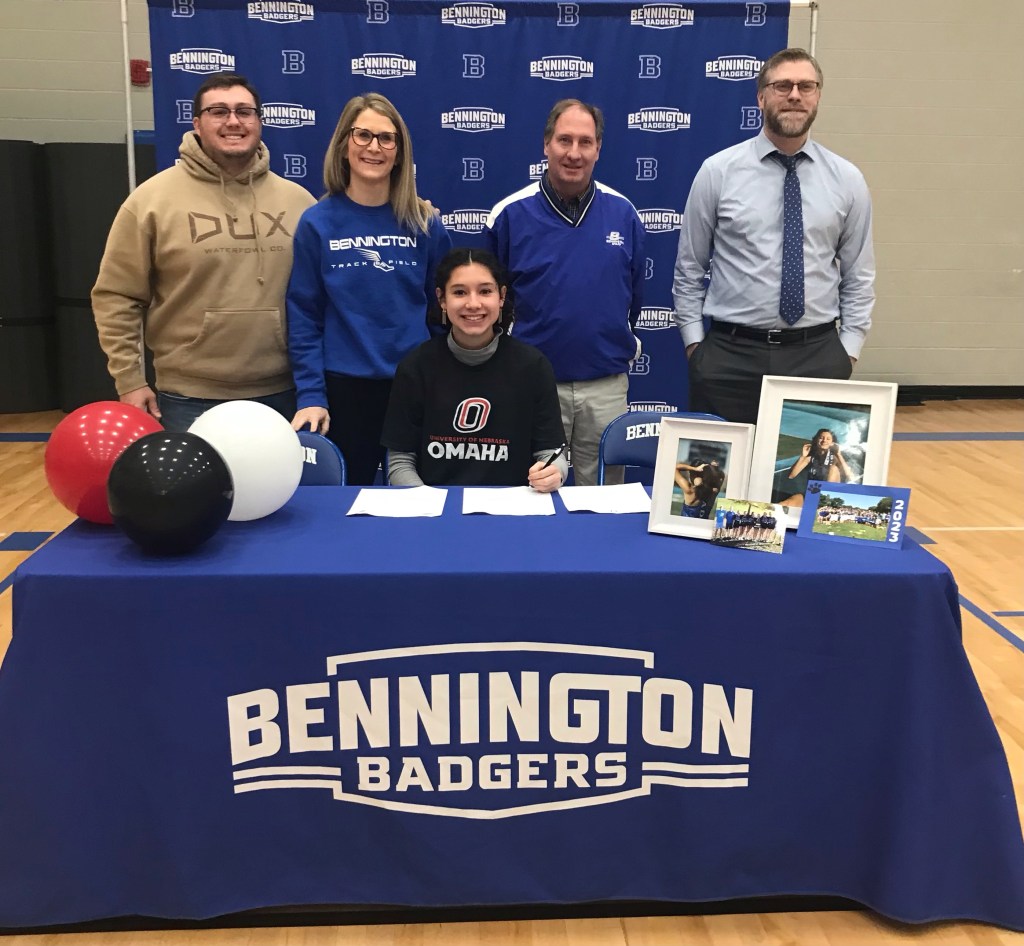
Yet when reflecting on Schumm’s influence, she emphasized the freedom he gave her to enjoy running rather than feeling defined by its outcomes.
“I think Schumm never put a lot of pressure on me in high school,” she said. “I think that allowed me to love the sport for what it is and not what it could give me. That is something I’ve taken with me in all the ups and downs of the sport.”
That perspective reflects the kind of lasting impact Schumm hopes to have on his athletes.
He said he remains in contact with many former runners, including some who have become coaches themselves. He also enjoys attending college meets to watch Bennington alumni compete at the next level.
But some of his most rewarding moments come years after an athlete has finished high school.
Schumm recalled former runners who said they planned to leave the sport after graduation, only to discover later that they still enjoyed running. Seeing those former students participate in half-marathons or local road races reminds him that the sport can remain part of their lives long after their competitive high school careers end.
“What really makes you feel good, though, is seeing the impact running has on their lives long after high school,” he said.
Busciglio has experienced that lasting influence firsthand. Now an adult who coaches her own children’s sports, she tries to carry forward the positive approach she remembers from Schumm. She wants the children she coaches to learn teamwork, have fun and remain competitive without losing sight of the people around them.
For her, Schumm demonstrated that a coach can challenge athletes and encourage them to improve without sacrificing kindness. His influence, she said, is something she still thinks about as she takes on coaching responsibilities herself.
As Bennington’s cross country program continues to compete at the Class A level, Schumm said its success depends on far more than the head coach. He credited assistant coaches, middle school coaches, school administrators, trainers, parents and others who help provide opportunities for athletes.
“Without the help of the assistant coaches, middle school coaches, administration, trainers, parents and so many other people we would not be able to give these kids the experiences to make their time with the program memorable,” he said.
That collective effort has helped transform a seven-runner program into one that regularly attracts dozens of students and continues to send athletes to the state meet.
For Schumm, the accomplishment is not simply that Bennington has grown or that the competition has become tougher. It is that successive generations of runners have found a place in the program, learned to support one another and carried those experiences into their lives beyond high school. More than 20 years after he first stepped into the role, the program’s reach extends well beyond the finish line.
And for former runners like Busciglio and Calderon, the coach who helped guide their high school careers remains part of the reason they remember those years so fondly.