By Marisa Dawson, Courtesy Photos
After more than 25 years of funk, rock and soul, the band’s legacy lives on through its members’ friendships and continued passion for music.
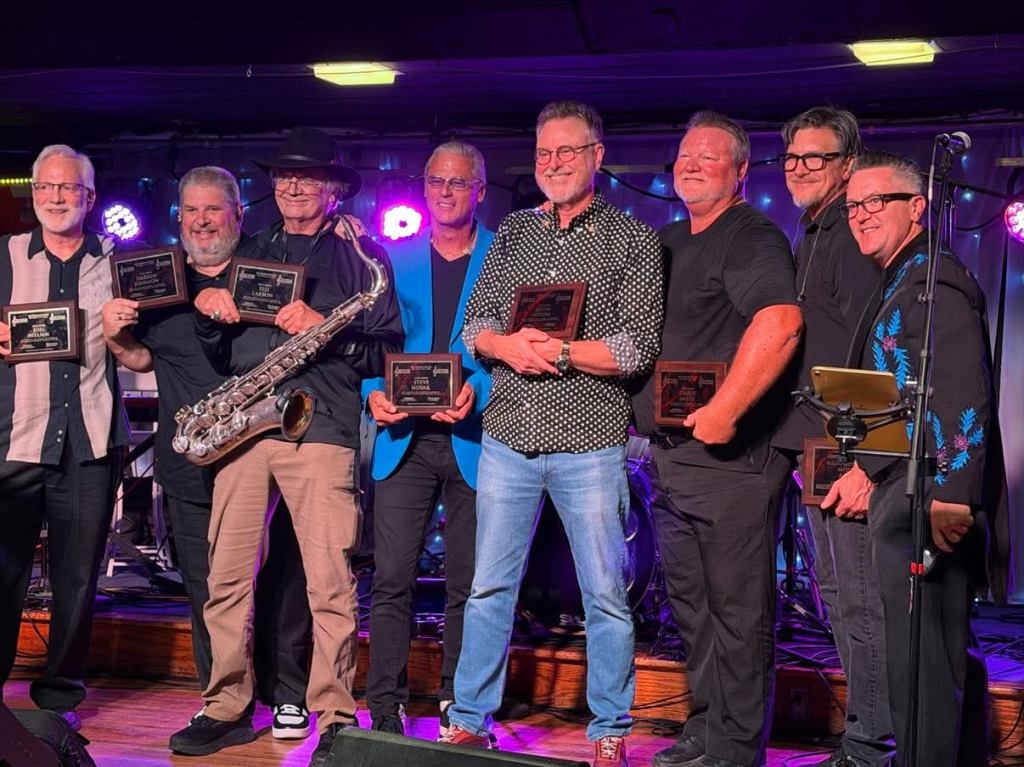
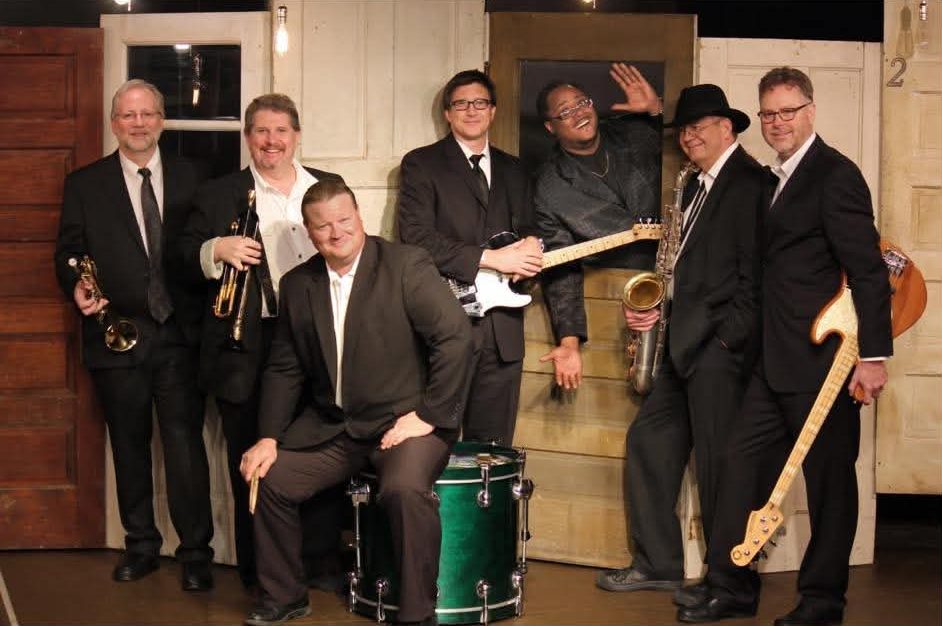
For more than 25 years, Soul Dawg brought the sounds of funk, rock, soul and dance music to audiences throughout the Omaha and Lincoln areas. On October 17, the band added another milestone to its history when it was inducted into the Nebraska Performing Arts Hall of Fame.
For Bennington residents Darol Smith (below, left) and Terry Olson (below, right), the recognition represents more than a lifetime of performances. It celebrates the dedication, musical chemistry and lasting friendships that helped the seven-piece band thrive for decades.
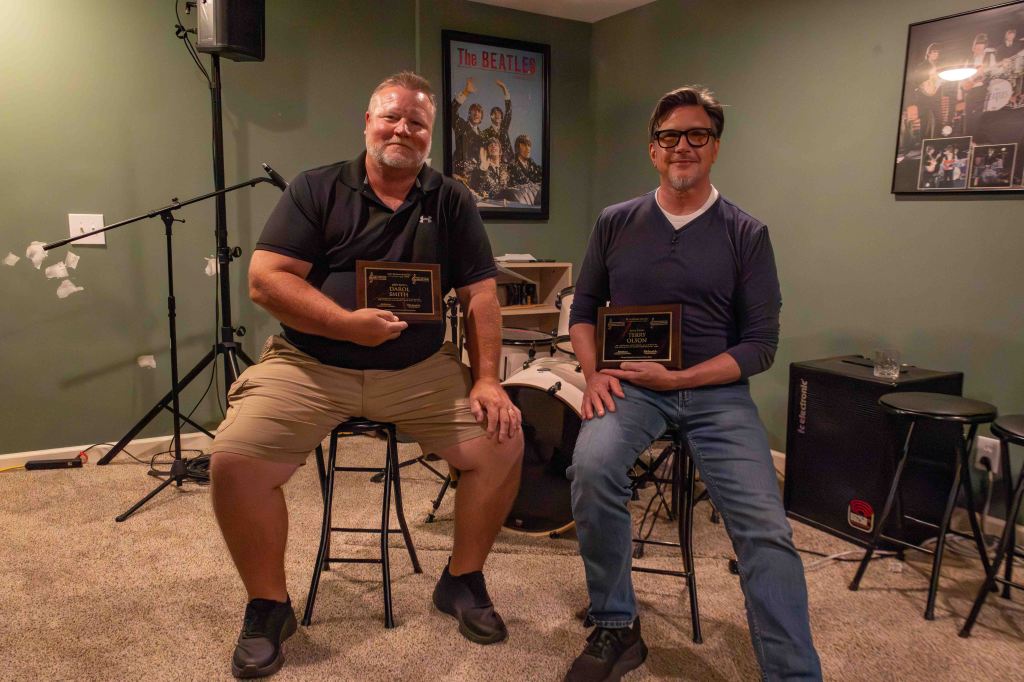
“We just always wanted to put out a good product,” Smith said. “I think a big reason why this band survived the way it did with so many members staying is because there weren’t any egos. Check your ego at the door.”
That philosophy helped shape Soul Dawg from its beginnings as a group of experienced musicians who shared a passion for a distinctive sound.
Soul Dawg grew out of an earlier band called Version Three. The group took a new direction when it brought in vocalist Steve Novak, whose high vocal range proved to be a natural fit for the music the musicians wanted to play.
The band expanded its horn section and developed the sound that would become its signature. Over the years, members performed songs by artists like Stevie Wonder, Earth, Wind & Fire, Steely Dan, Average White Band and KC and the Sunshine Band.
Rather than pursuing original music under the Soul Dawg name, the group focused on performing covers of songs that its members loved.
Smith’s favorites included Stevie Wonder’s “I Wish,” Average White Band’s “Cut the Cake” and Steely Dan’s “Josie.” Olson particularly enjoyed the Earth, Wind & Fire catalog and the energy of the band’s dance-oriented repertoire.
The group regularly closed its performances with “Disco Inferno,” a high-energy finale that audiences came to recognize.
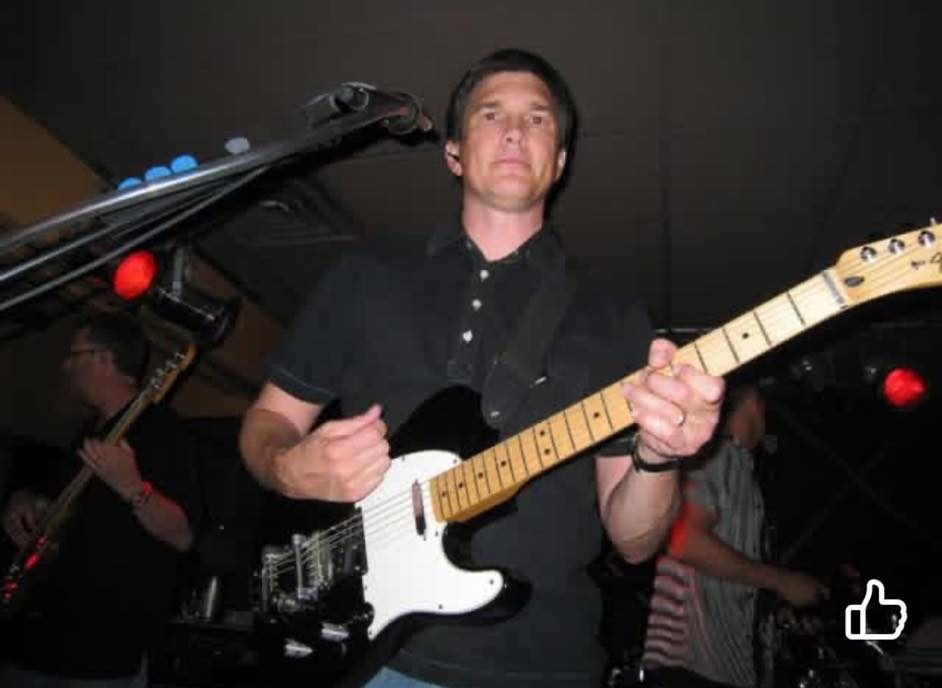
“It’s just a good high-energy song to end the night on,” Olson said. “And it works because when our crowd hears that song, they know they’re going to have to leave.”
The band’s repertoire set it apart in a regional music scene where classic rock and other popular genres were more common.
“You just don’t find a ton of good funk and soul bands around here,” Smith said.
That distinctive sound helped Soul Dawg build a following and earn opportunities at major events and venues throughout the region.
One memorable stretch came in the early 2000s, when the band played Lincoln’s Ribfest five consecutive years. Smith recalled performing for thousands of people, with the festival organizer regularly rotating other bands after one or two years.
The group also played outdoor concerts at shopping centers, tailgate parties before University of Nebraska football games and performances at Stinson Park in Omaha. Those events offered opportunities to reach new audiences and secure additional bookings.
The musicians also had the chance to experience what Smith described as a taste of the big time when they traveled to Denver to perform at a wedding. Most of the Soul Dawg members were hired to back another performer, and the experience included flights, hotel accommodations, equipment arrangements and a crew to handle setup and teardown.
“I remember thinking, this is how it should feel,” Smith said. “Yeah, this is how it is when you hit the big time.”
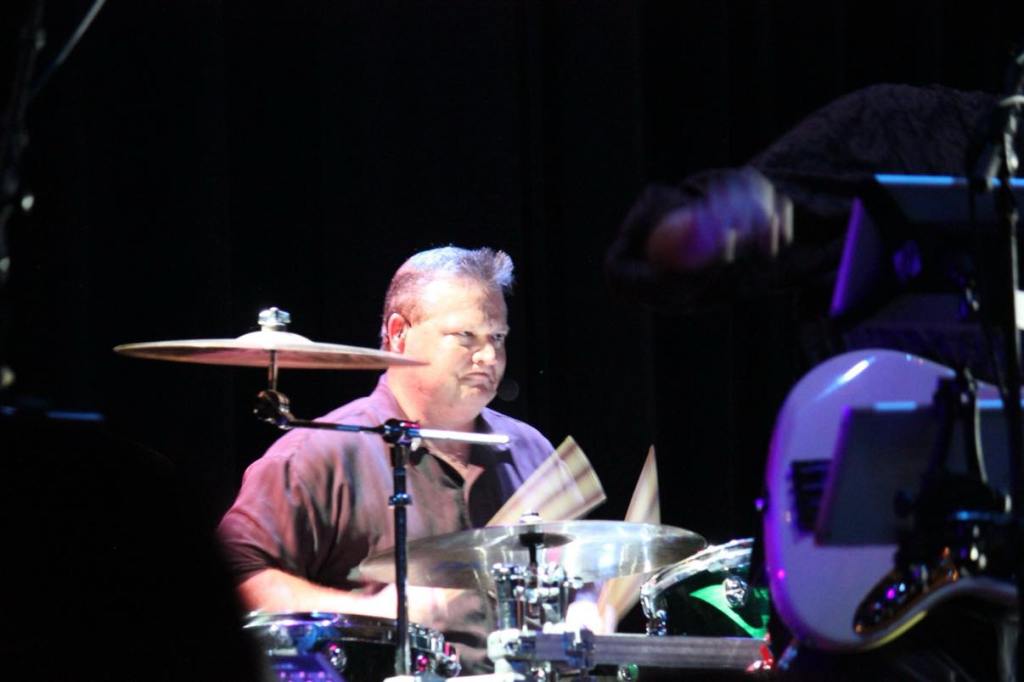
For all the memorable venues and large crowds, however, the band’s success was rooted in something less glamorous: preparation and respect for one another. Olson, who has played in numerous bands throughout his musical career, said Soul Dawg stood out for the way its members approached rehearsals.
“No band that I’ve been in has ever rehearsed as well as this band,” he said.
Members came prepared, knew their parts and worked together to make the music sound right. Olson recalled one early rehearsal in which the group learned seven R&B funk songs in a single night.
“We just want the band to sound good,” he said.
The members’ connection extended well beyond the stage.
When Smith joined the group in 2000, the band was eager to play as many gigs as possible to establish its name. Members balanced demanding performance schedules with their regular careers and family responsibilities.
Smith recalled weekends when the group played four gigs in two nights. Some members would leave performances only to report for work in the early morning hours. Over time, they watched one another navigate marriages, divorces, parenthood, homeownership and the other challenges that come with building a life.
“You just share all these common things that you’re going through at that certain life stage,” Smith said.
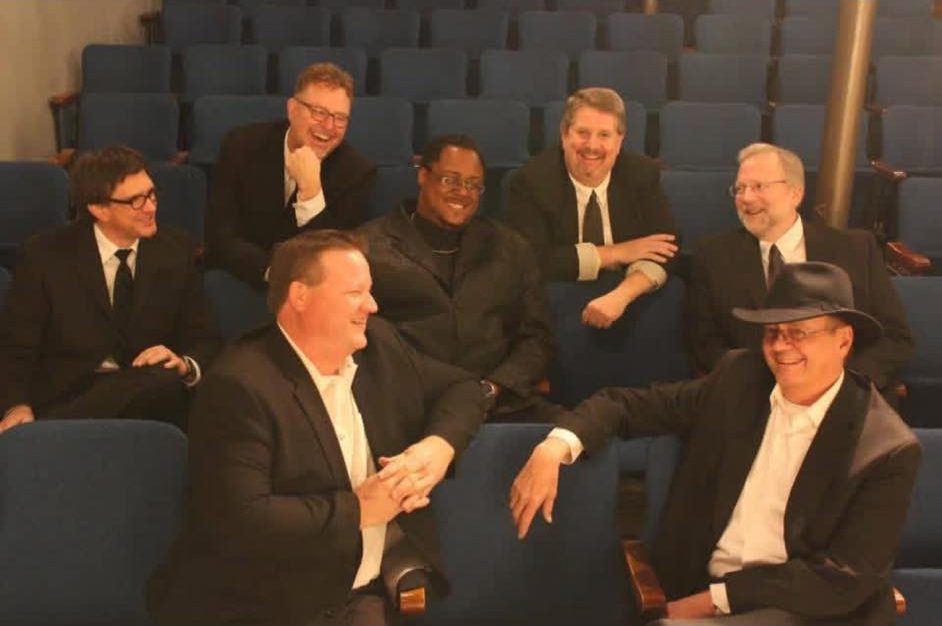
The band’s enduring chemistry helped its members weather lineup changes, busy schedules and the inevitable demands of life outside music. Although the group had several lead singers over the years, its core instrumental lineup remained largely unchanged.
For Olson, music was a passion from an early age. He began piano lessons as a child before discovering the guitar, which became the instrument that ultimately shaped his musical path. His family supported that passion, with his parents helping behind the scenes when he performed in bands during junior high and high school.
Smith also grew up surrounded by music. His siblings played in bands, and his parents taught ballroom dancing. They frequently attended his performances and were often among the first people on the dance floor. He said having family members who enjoyed dancing helped encourage other audience members to join in.
Both musicians said their families’ involvement helped reinforce the connection between performing and bringing people together.
For Olson, music remains central to his identity.
“I can’t imagine life without it,” he said. “It’s a soundtrack to so many things, and it makes life interesting and enjoyable.”
Smith recalled a lesson from his father that has stayed with him: “My dad once said music is something they can’t ever take away from you.”
“You can always have it in your head,” he said. “It’s with you wherever you go.”
Although Soul Dawg built a career spanning more than two decades, the band eventually reached a point when its members were ready to step away from regular performances.
Smith left the group in 2019 to spend more time with his three sons, who were involved in sports year-round. He said he had wrestled with the decision for several years but did not want to miss important moments with his children.
“You only get one chance at that,” he said.
The COVID-19 pandemic brought live performances to a halt, creating an opportunity for the musicians to reconnect without the pressure of maintaining a regular schedule.
In December 2020, some of the members gathered with Novak to play together again, initially intending to enjoy the music as they had in the early days.
Then an opportunity arose to perform at a benefit concert in Lincoln. The band was asked whether it could prepare for a performance on just two days’ notice. After being away from the group for an extended period, the musicians decided to give it a try.
“The first few songs were probably about as rough as you could imagine,” Smith said. “But it’s amazing how the muscle memory comes back.”
By the end of the performance, the musicians realized how much they had missed playing together. They began performing occasionally again, enjoying the chance to reconnect with the music and one another. Eventually, however, the band decided to retire. Its final performance was at Boomstock in downtown Omaha, a fitting end to a long run.
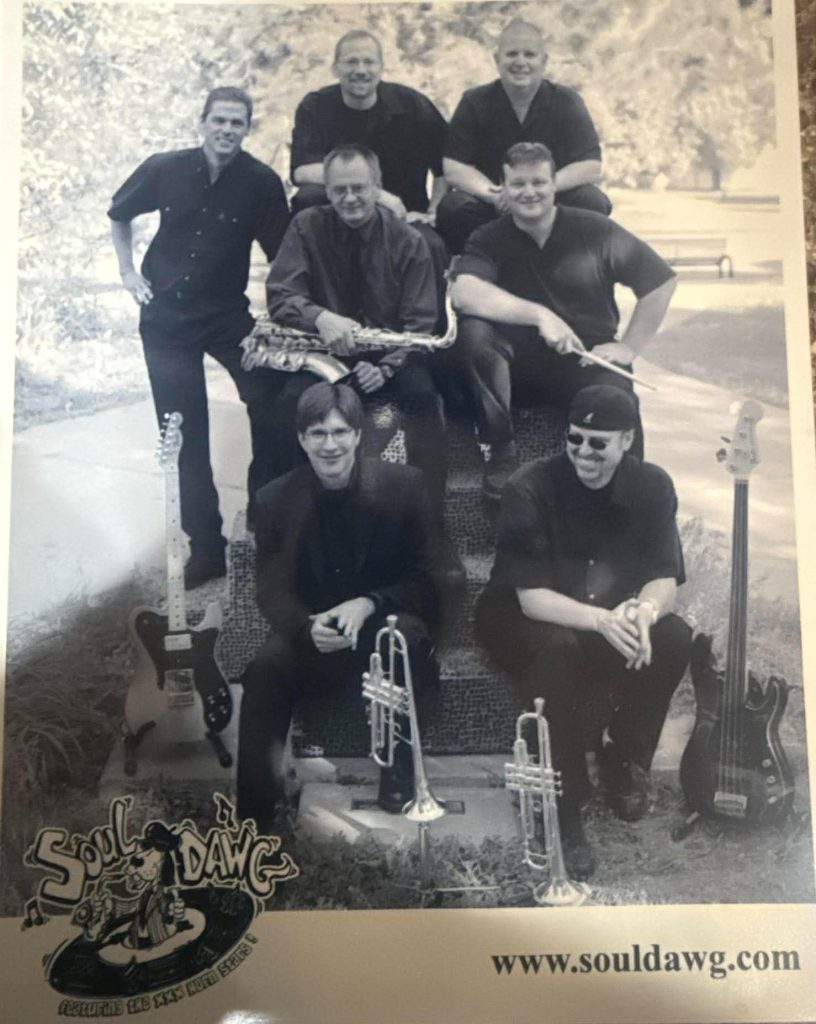
The members had not planned on another major event bringing them together, but the Hall of Fame induction provided exactly that opportunity. After learning that other Nebraska musicians had been recognized by the organization, members of Soul Dawg pursued the possibility of induction. The process moved forward, and the band began preparing for the ceremony.
Smith said the recognition offered a sense of validation for the years the musicians had spent honing their craft.
“It’s justification for the work you’ve put in,” he said.
In preparation for the induction performance, the musicians reunited for rehearsals after more than a year apart. Once again, their familiarity with the music and one another proved invaluable. They were able to draw on years of experience playing the same songs, trusting one another’s instincts and making adjustments as needed. For Smith and Olson, the induction was an opportunity to celebrate not only what Soul Dawg accomplished, but also the relationships that made it possible.
Although Soul Dawg has retired from regular performances, its members have not abandoned the stage. For fans who remember Soul Dawg’s energetic funk and horn-driven sound, Radio Star offers a different musical experience. The group focuses on rock hits from the 1980s, 1990s and 2000s, drawing from an era-spanning catalog that gives audiences plenty of familiar songs to enjoy.
With Smith, Olson and Novak among its members, Radio Star brings together award-winning musicians whose years of performing experience have helped shape their approach to live music. The band represents a new creative chapter for the longtime musicians, giving them an opportunity to keep sharing their love of music with audiences while exploring a different sound.
As for Soul Dawg, the members are not ruling out the possibility of an occasional performance if the right opportunity arises. They are not seeking to return to a demanding schedule of regular bar and wedding gigs, but a special event could bring the group back together.
Smith said the induction itself provided a reason to reunite and revisit the music they had enjoyed playing for so many years. Olson hopes the recognition reminds longtime fans and newer listeners alike that the band took its craft seriously and genuinely enjoyed what it did.
“We just wanted to put out the best product that we could,” Olson said. “We just wanted to play music that we all enjoyed playing.”
Smith echoed that sentiment, emphasizing the importance of giving audiences a performance that respected their time and enthusiasm.
The band may have played its final regular show, but the musicians’ shared history remains and the future of Radio Star is only beginning. From packed festival stages to family milestones and late-night rehearsals, Soul Dawg’s legacy was built through years of showing up, working together and sharing music with others.
And for the members, the Hall of Fame induction is a fitting acknowledgment of everything they built together.