By Marisa Dawson
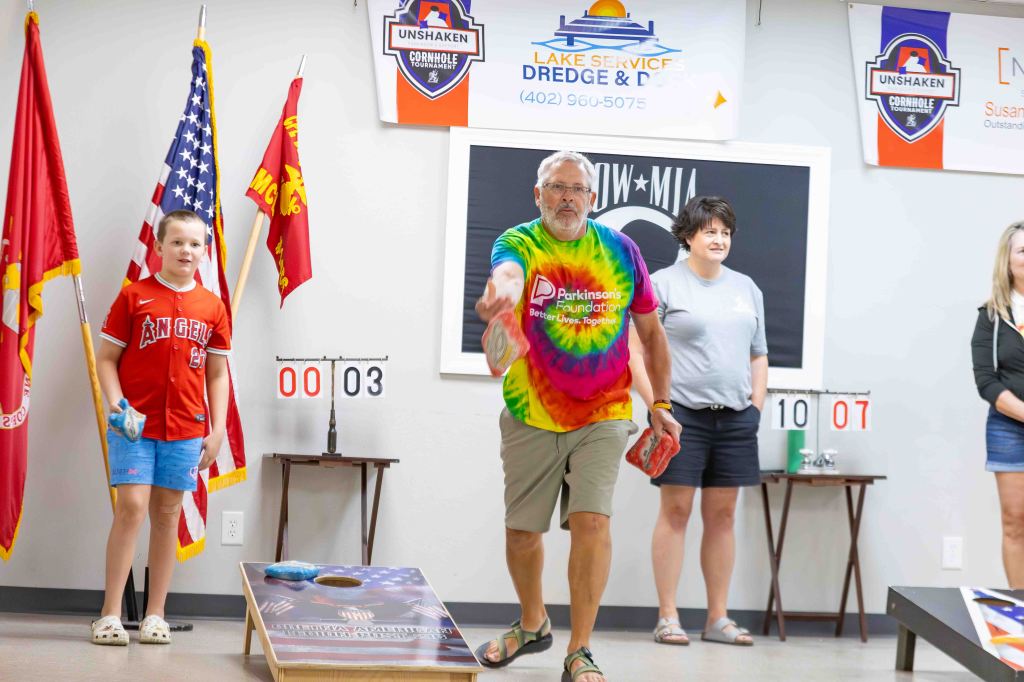
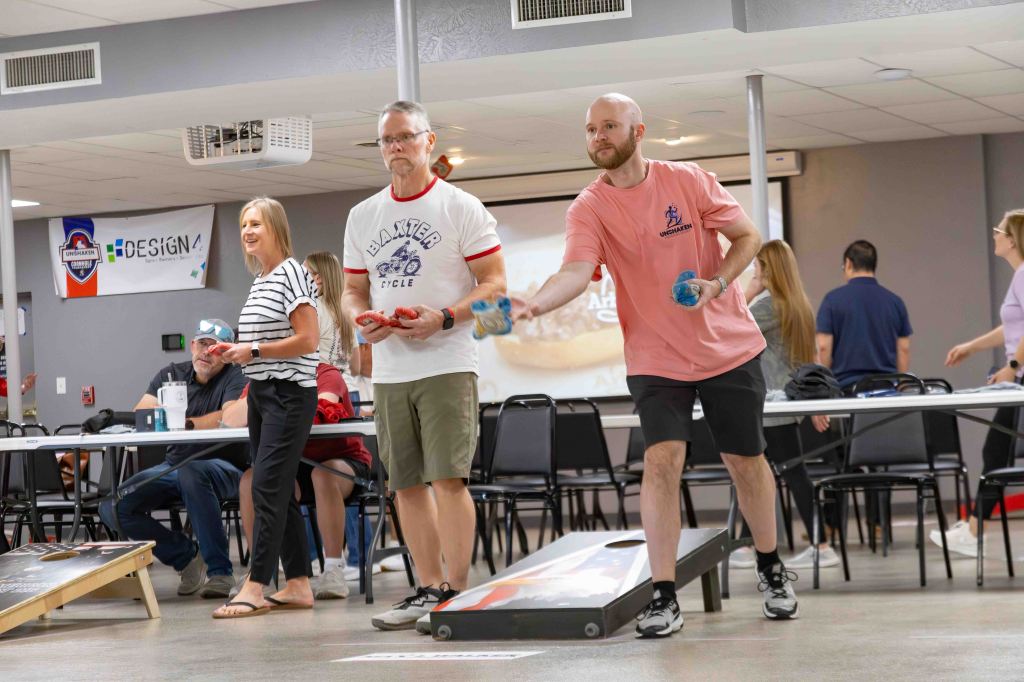
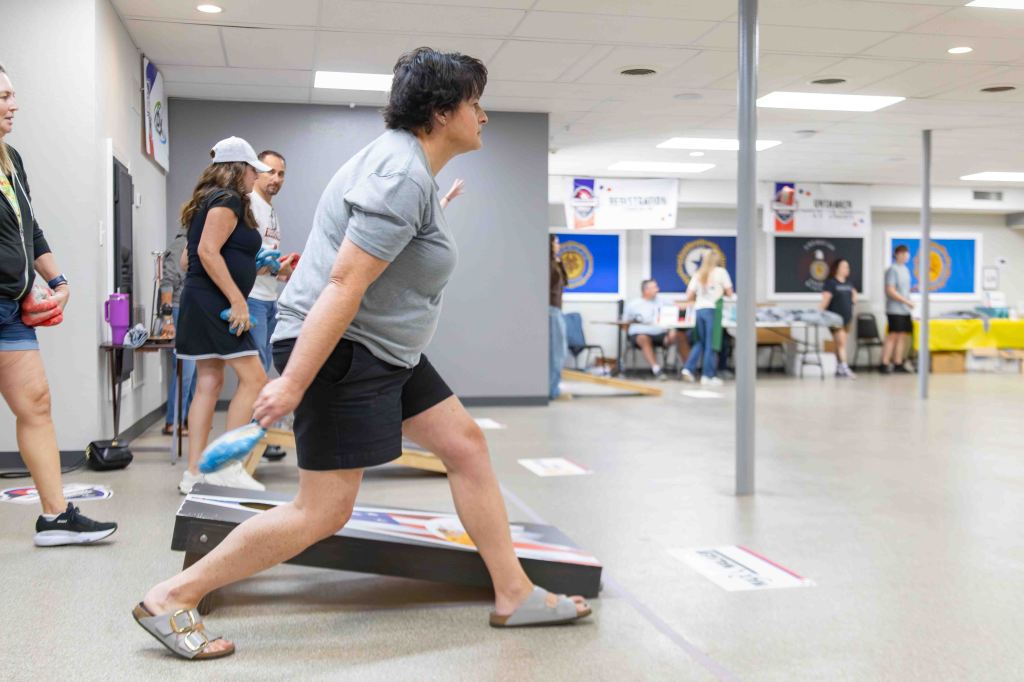
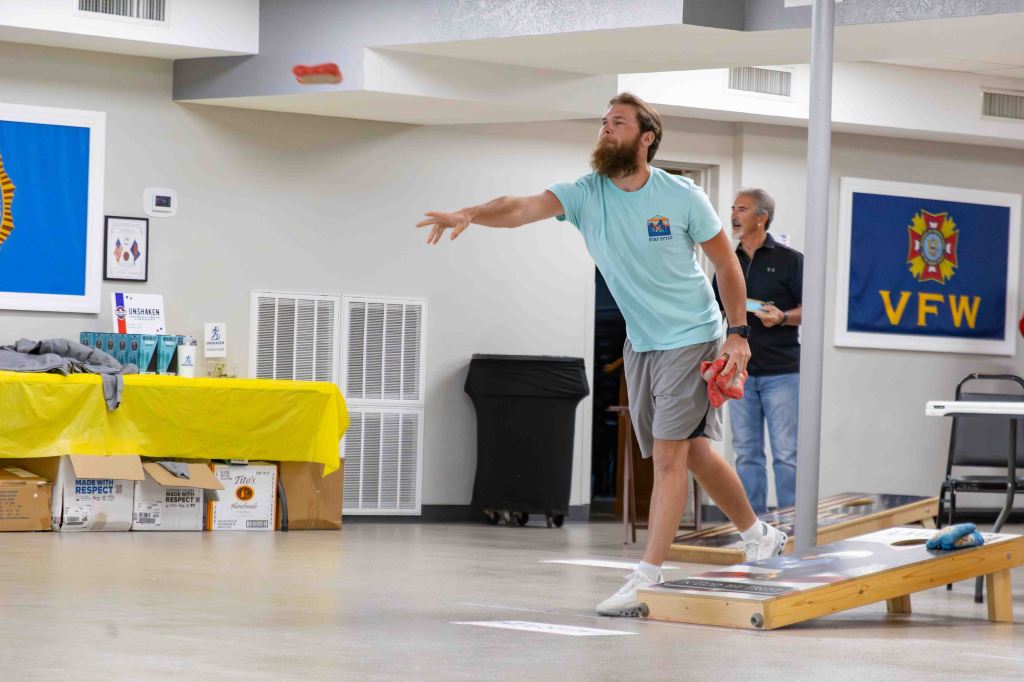
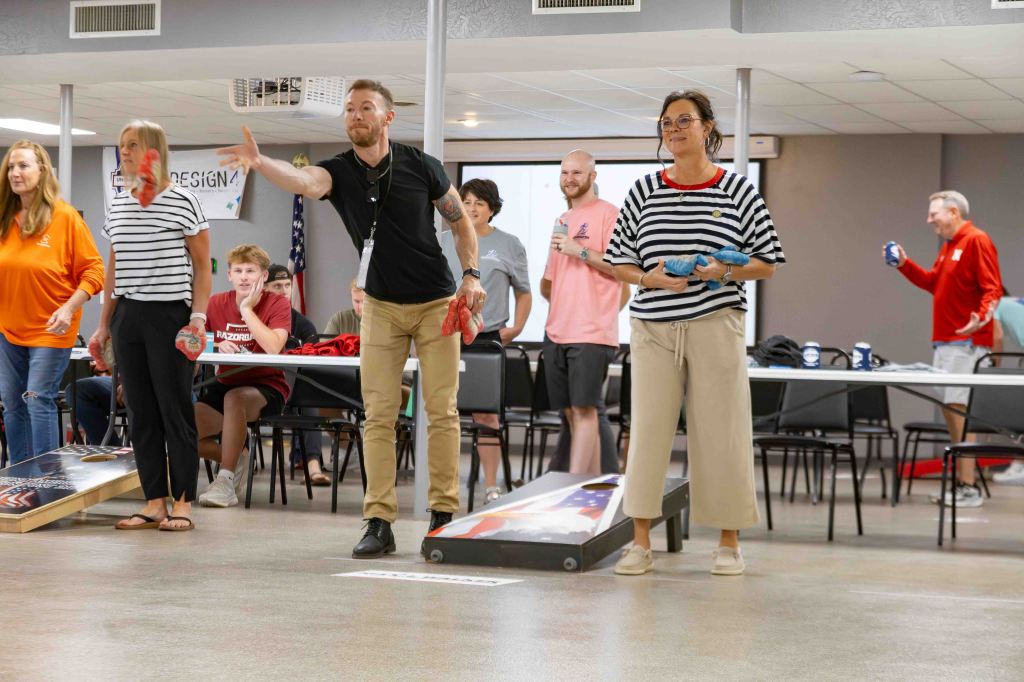
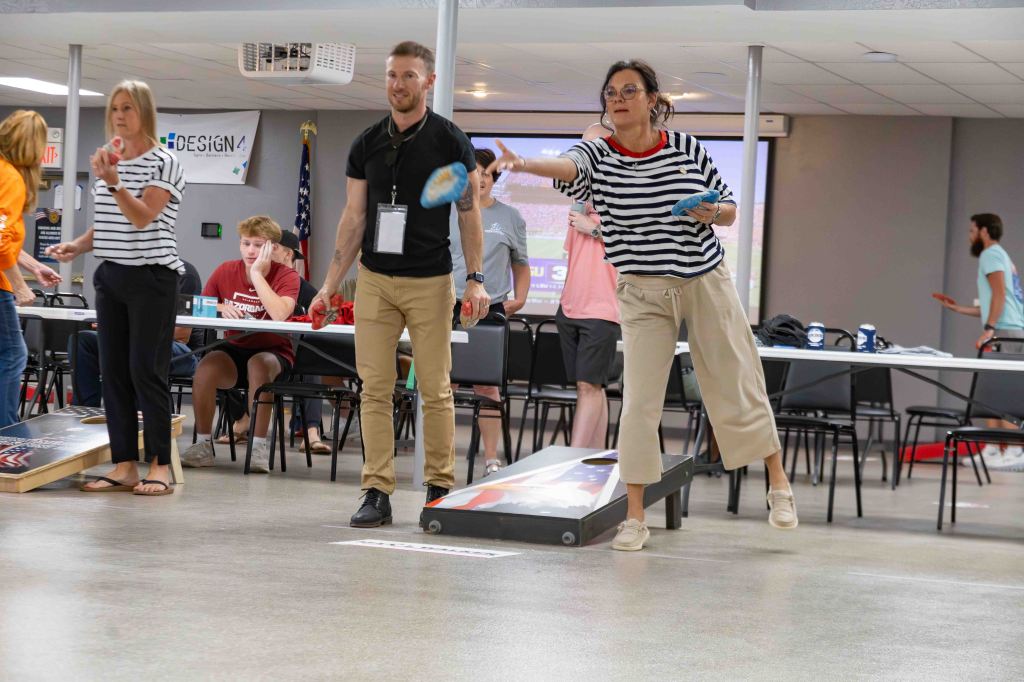
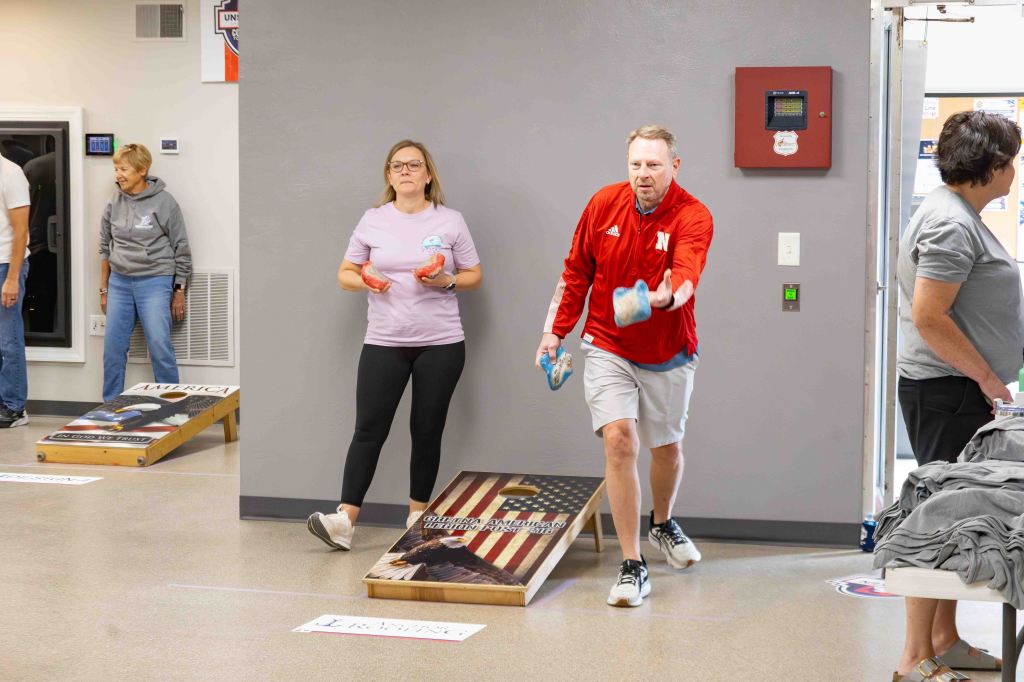
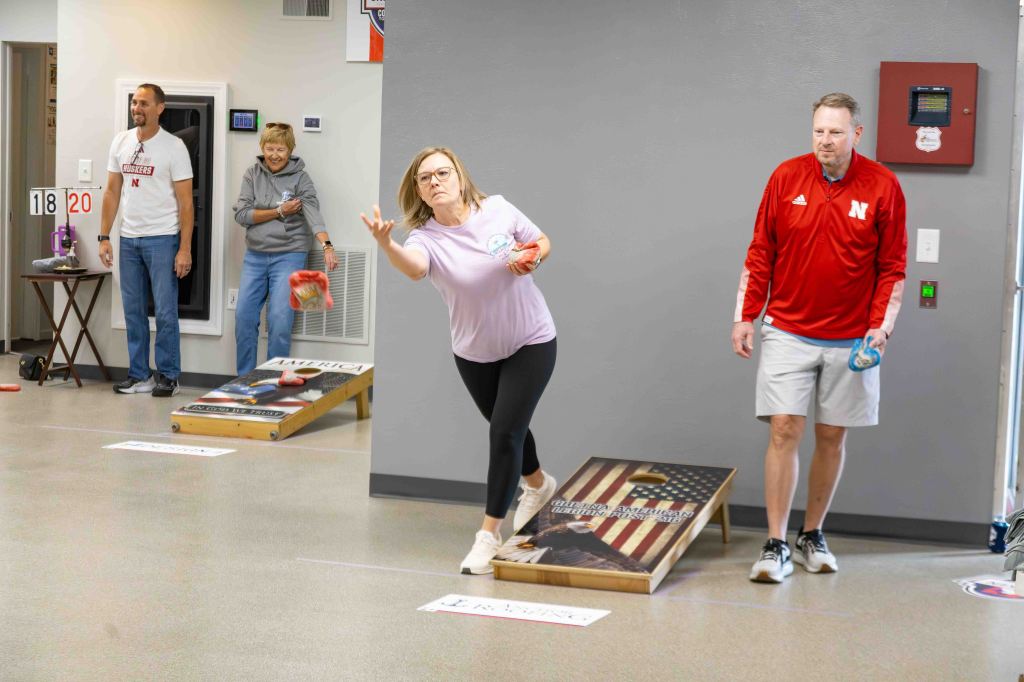
A community fundraiser in Gretna brought cornhole competitors, local supporters and generous donors together for a cause close to home, raising more than $10,000 for Unshaken Parkinson’s.
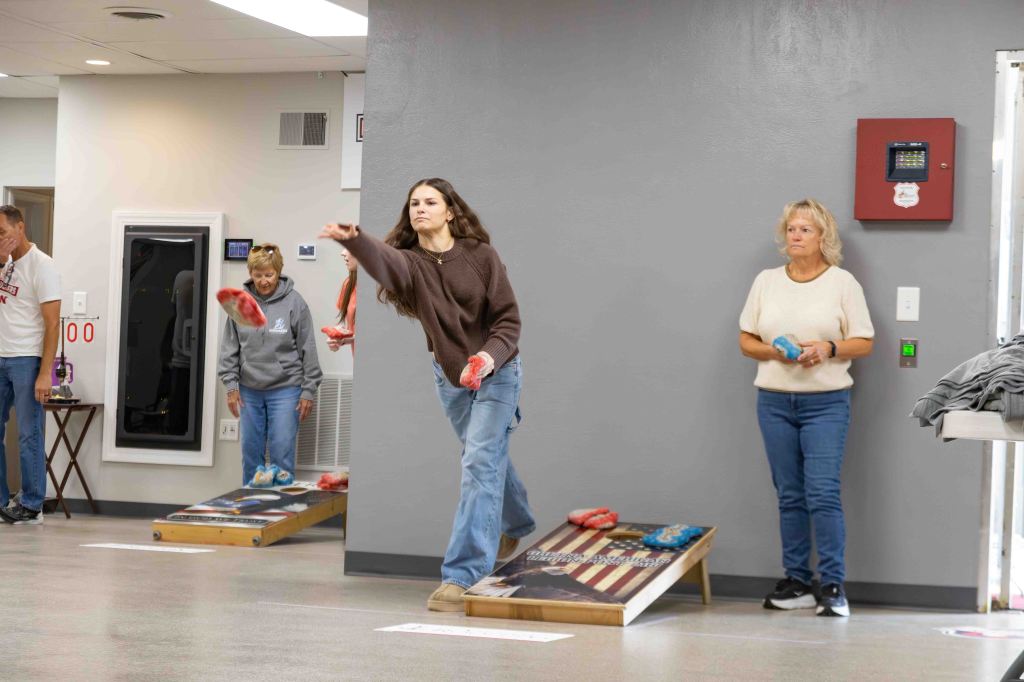
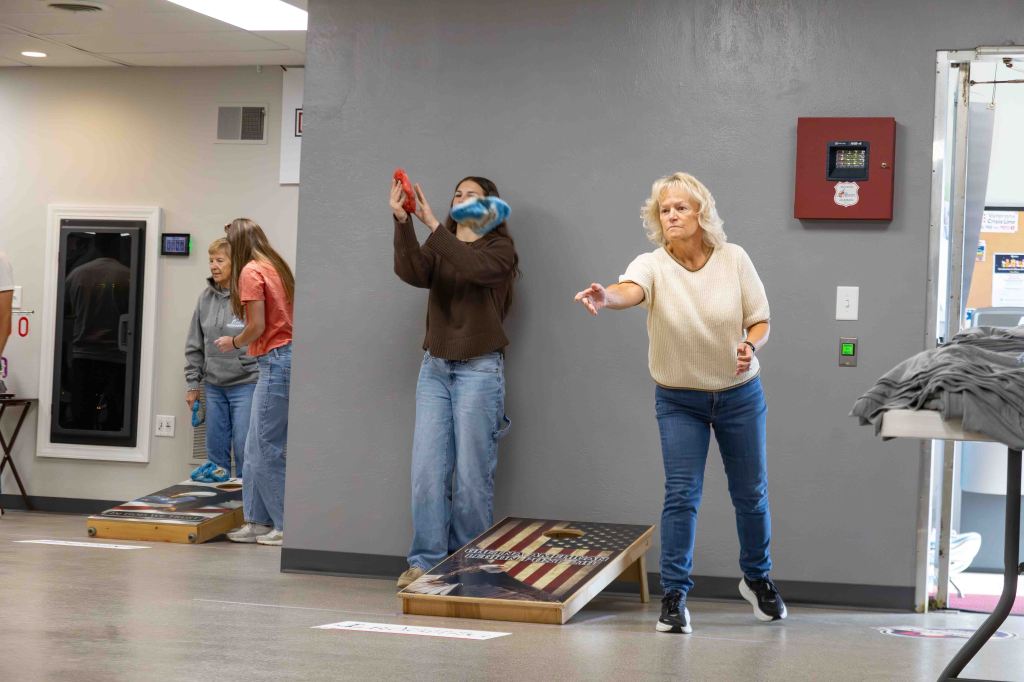
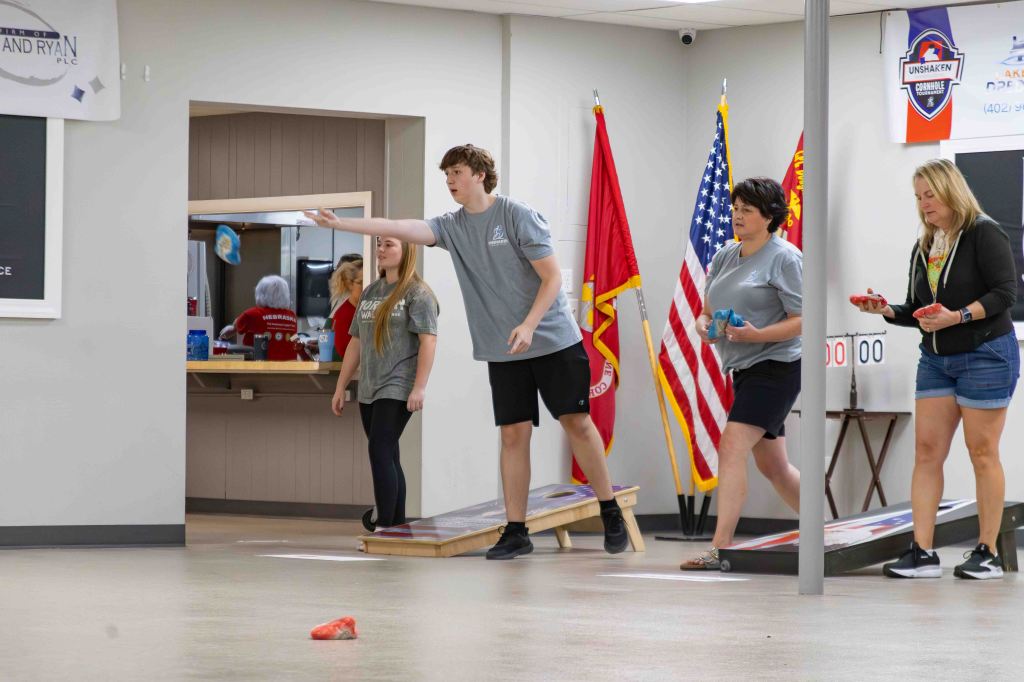
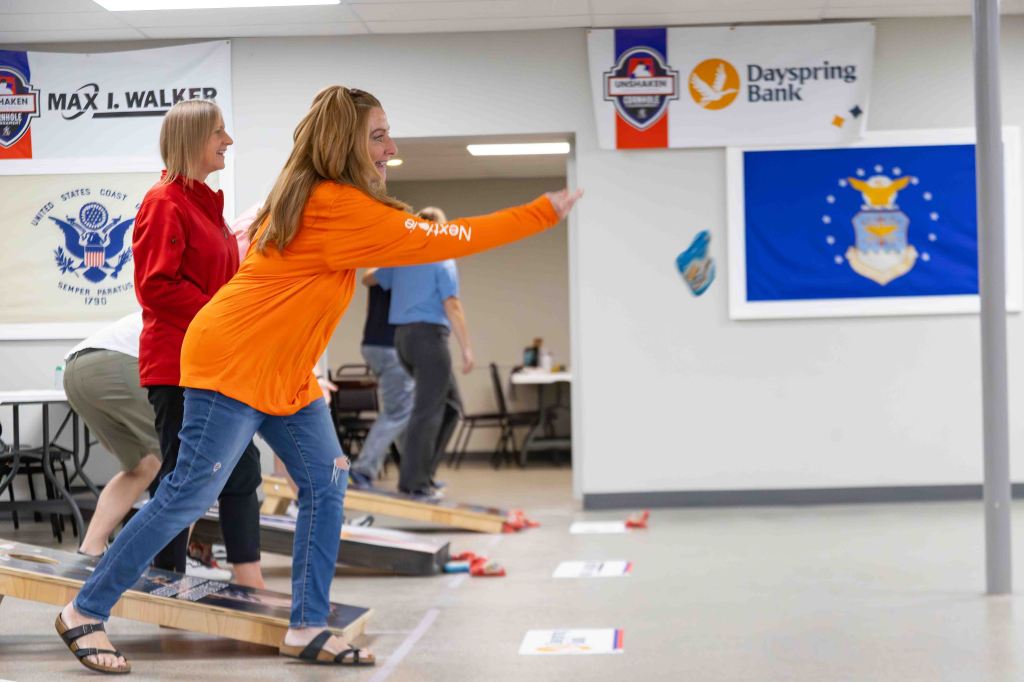
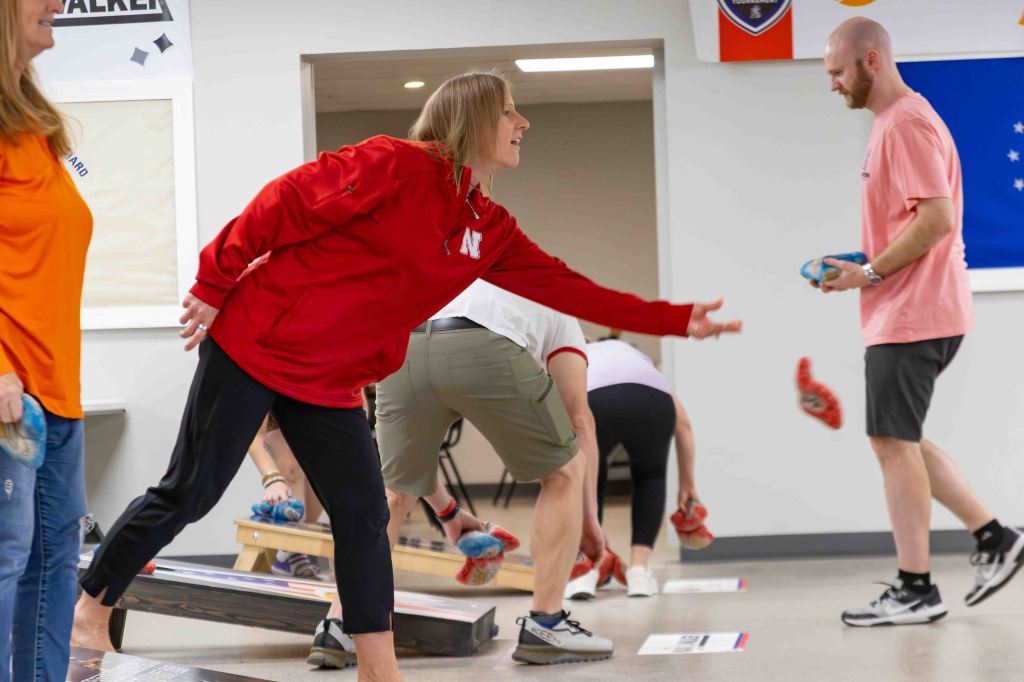
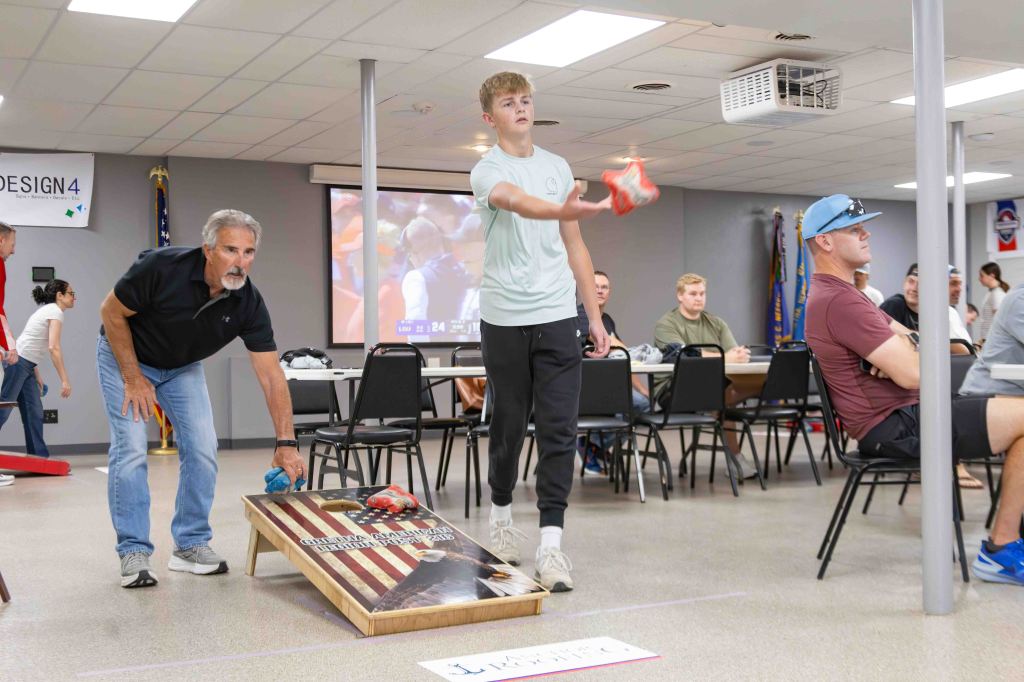
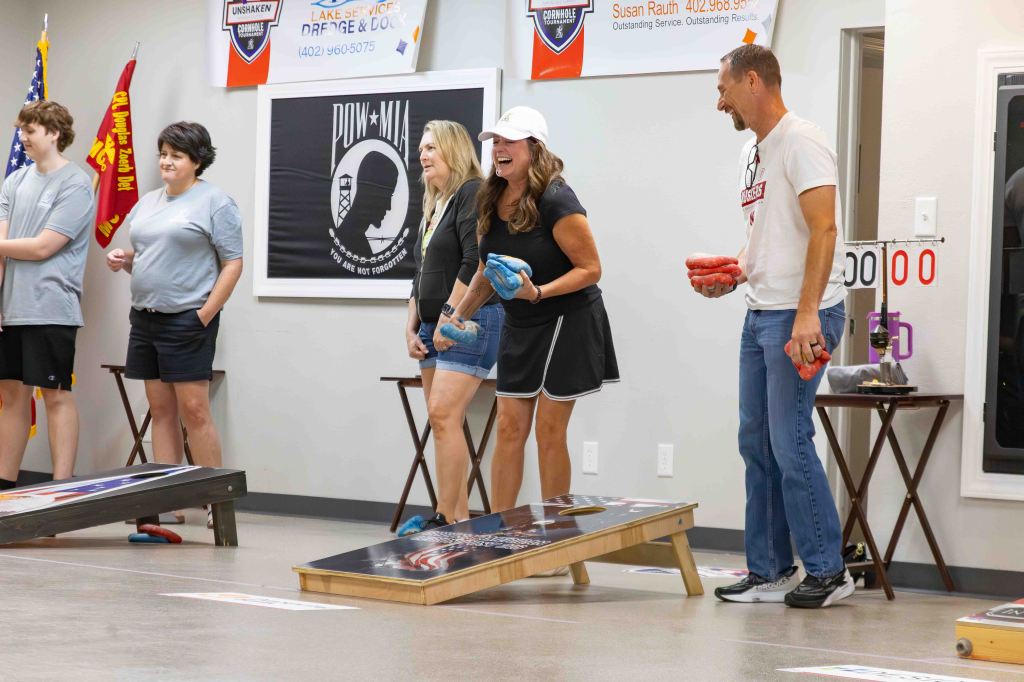
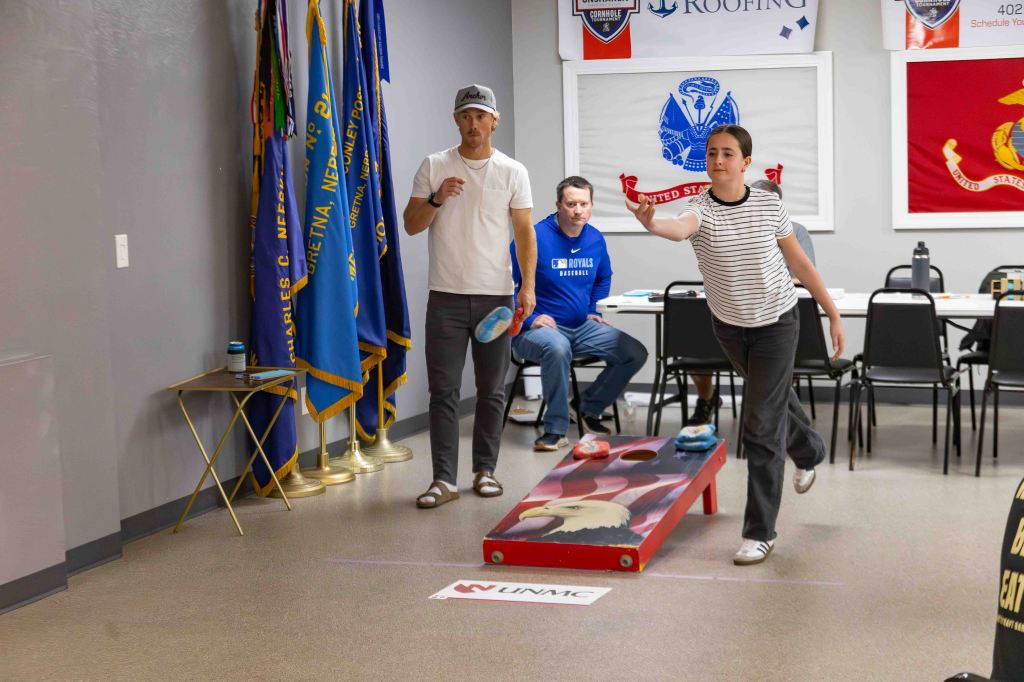
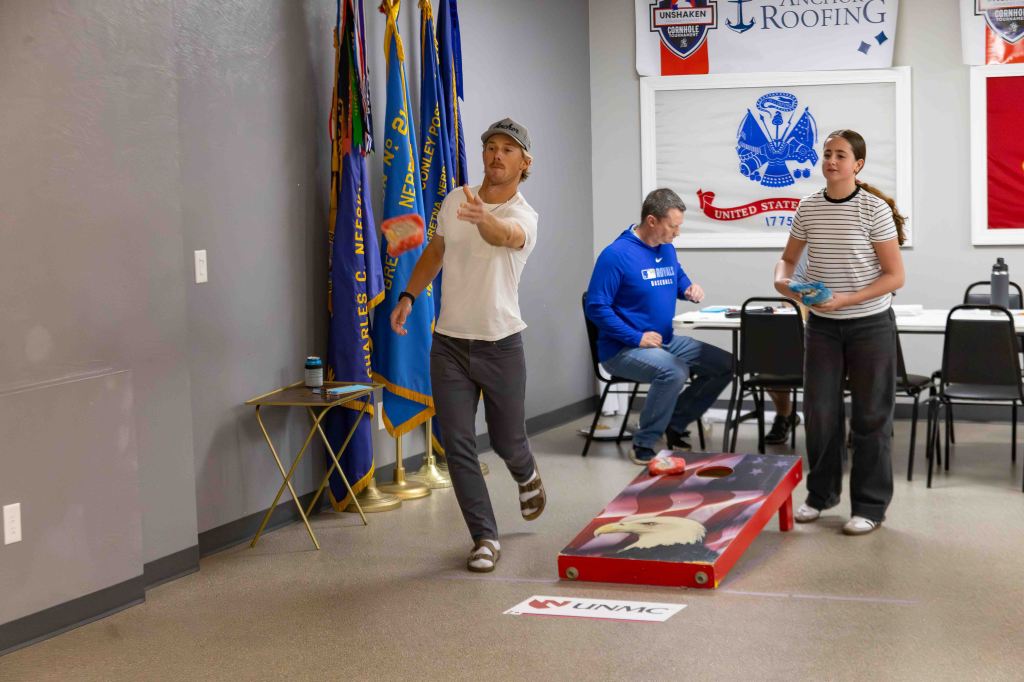
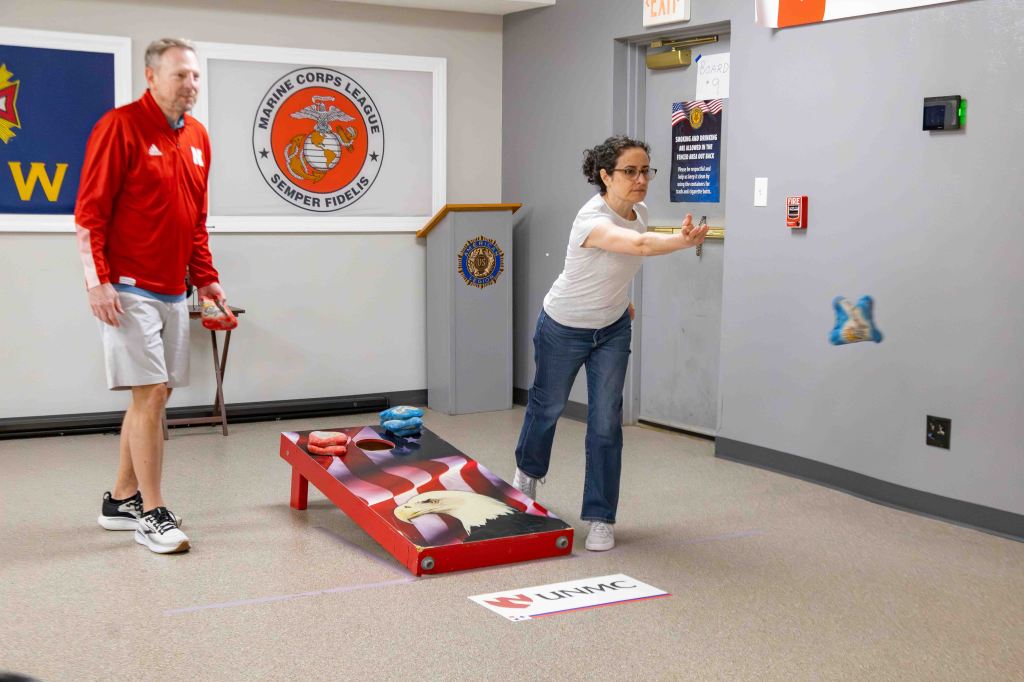
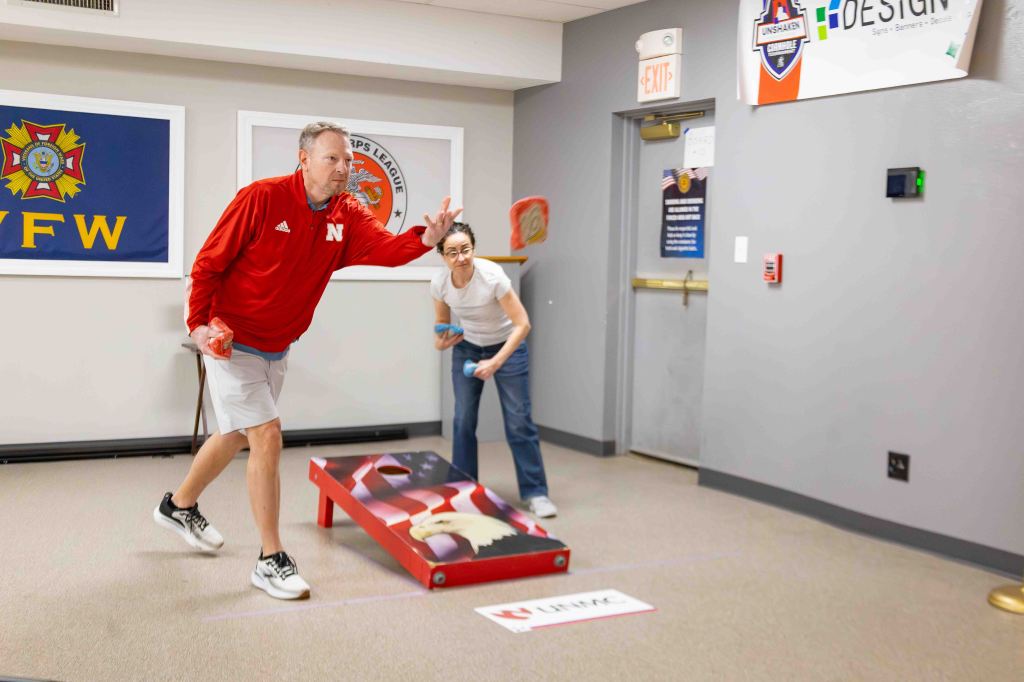
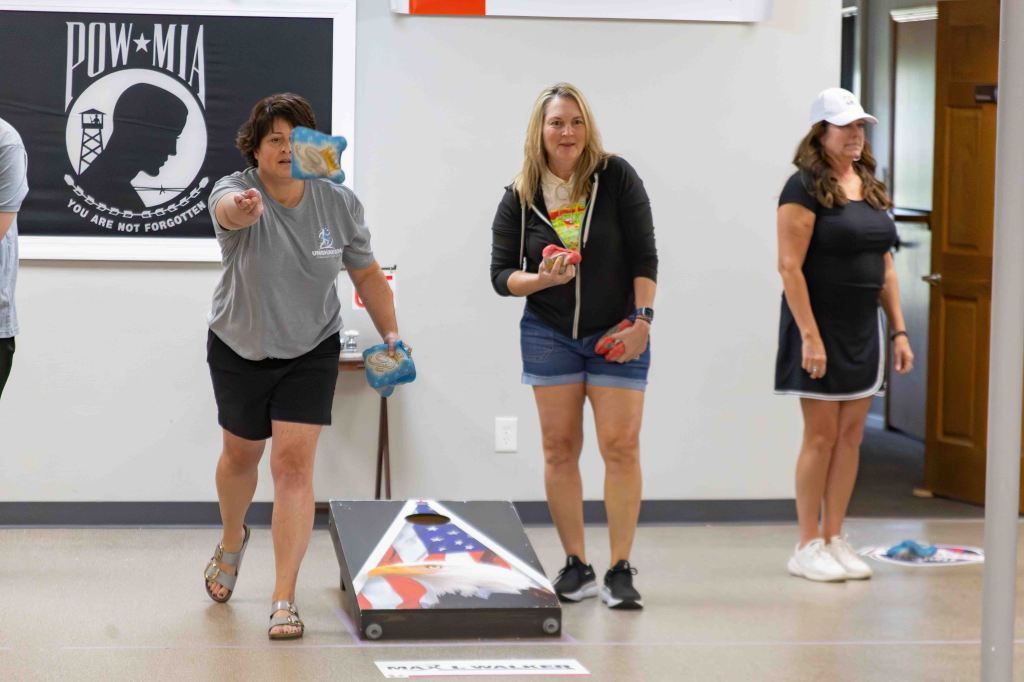
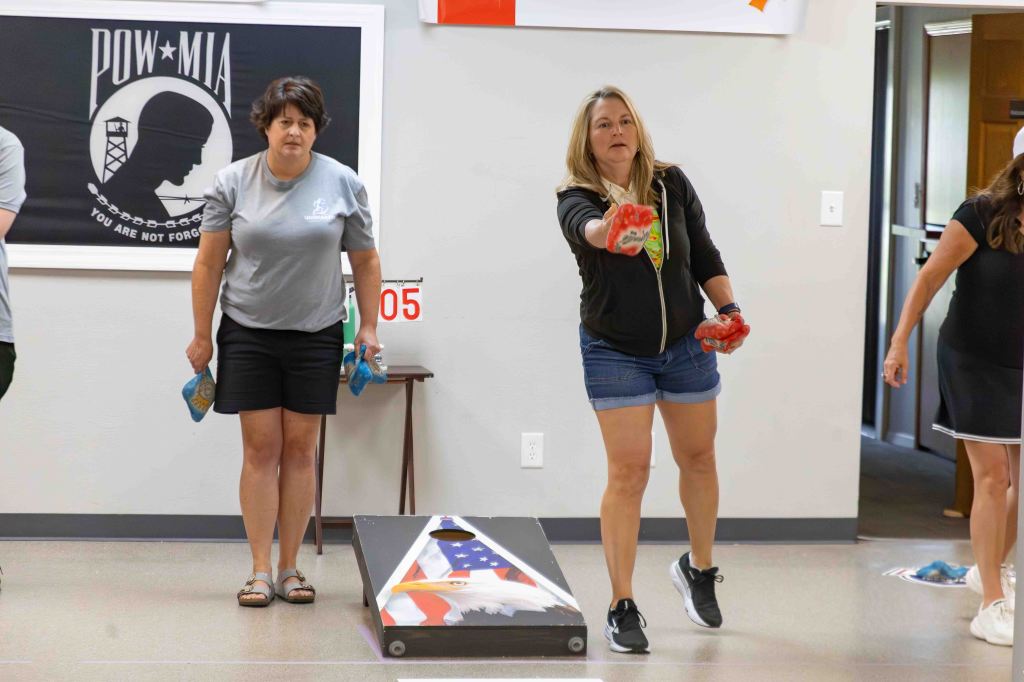
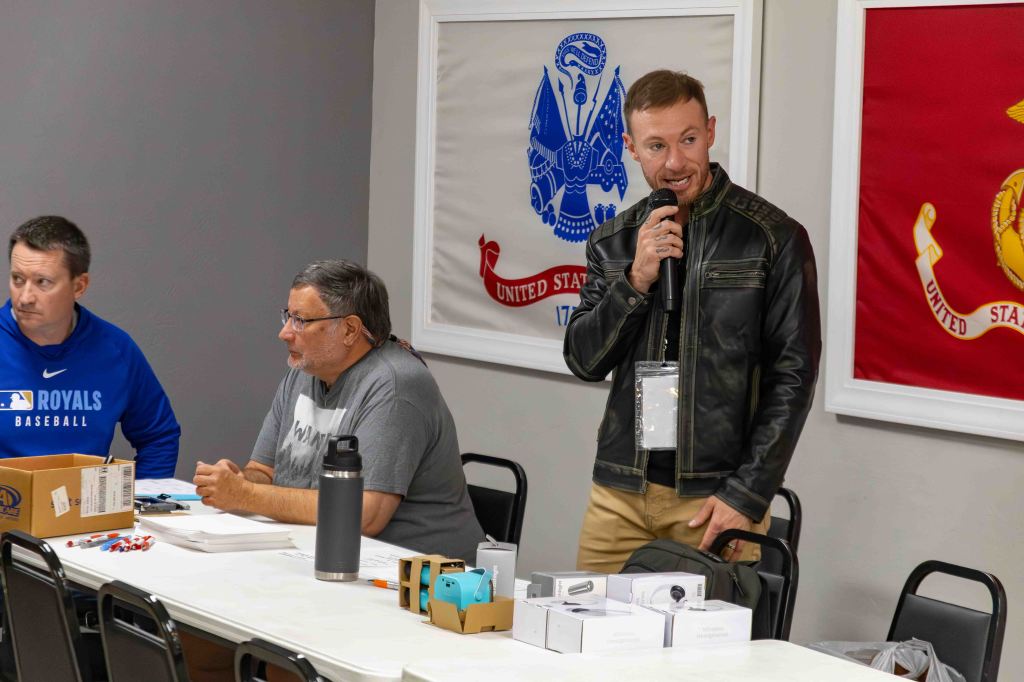
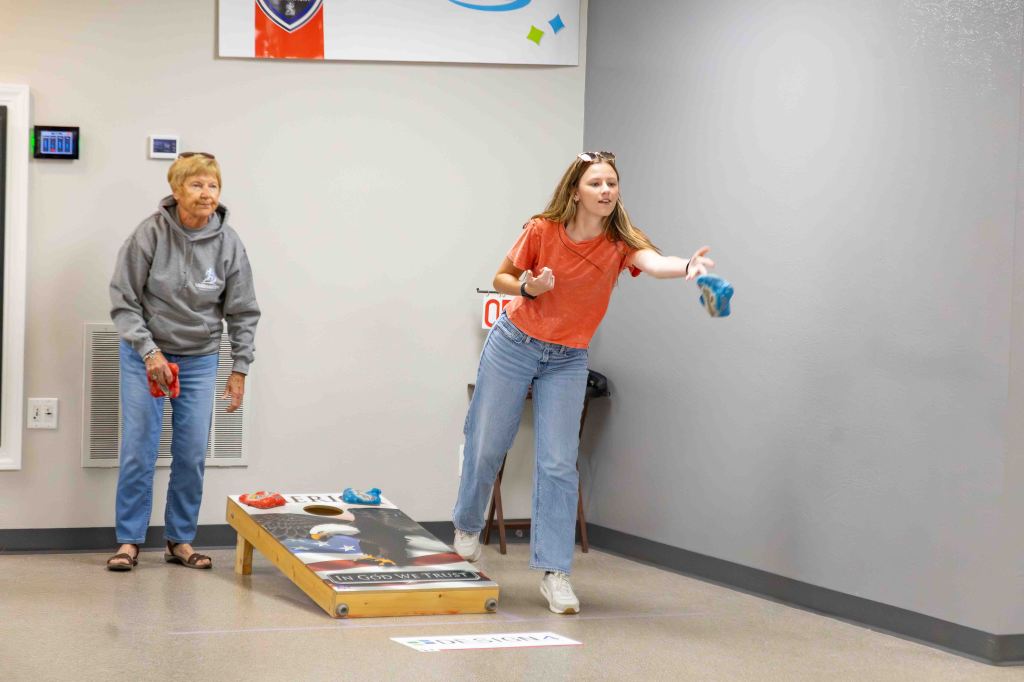
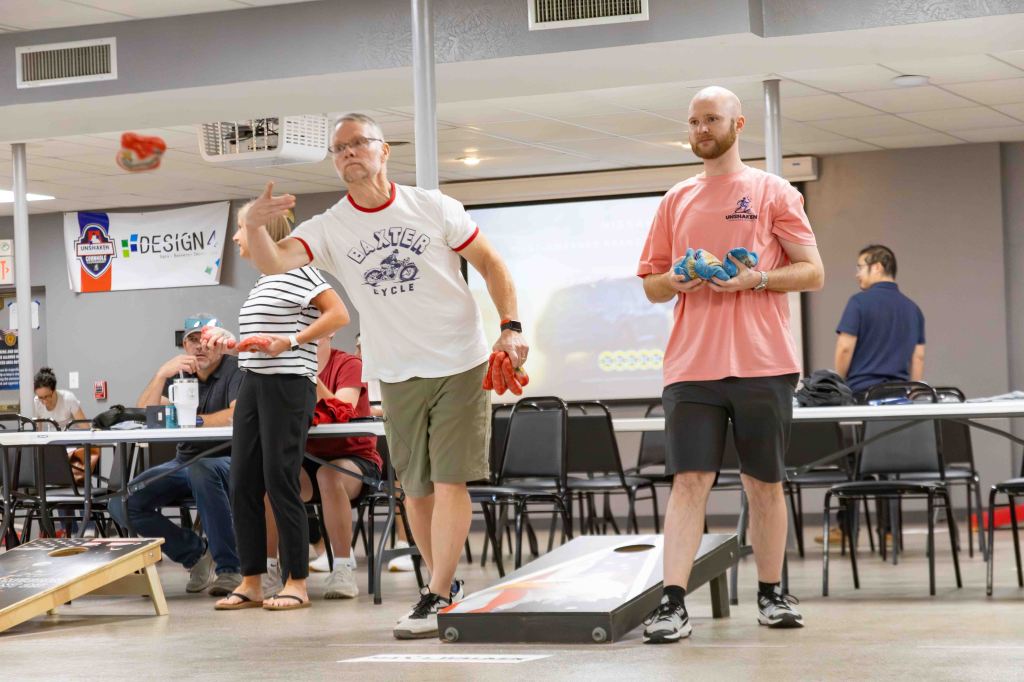
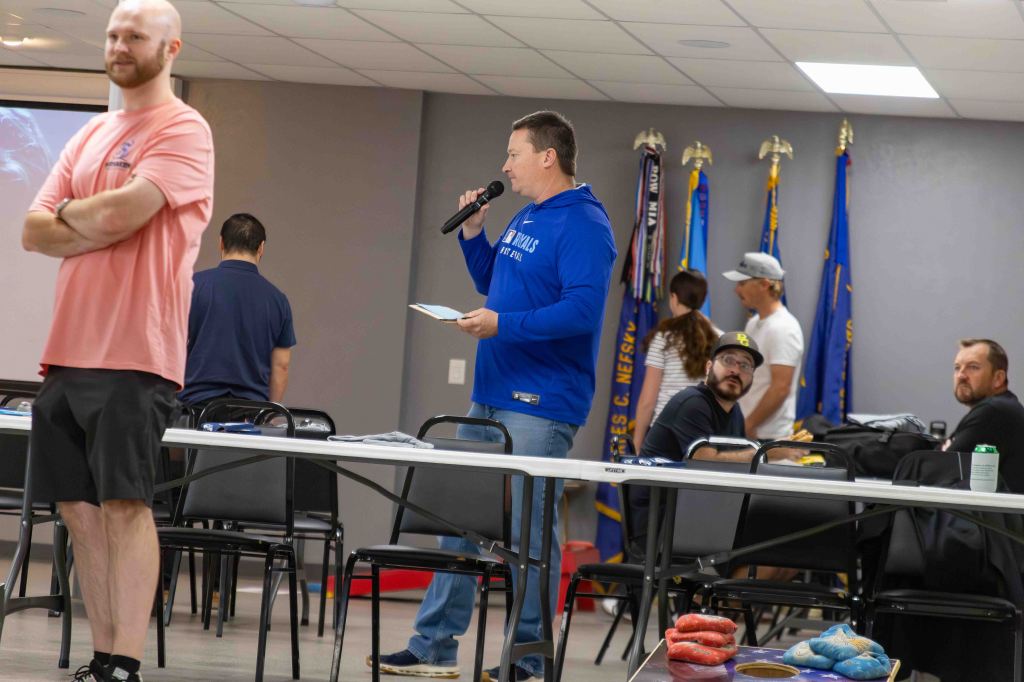
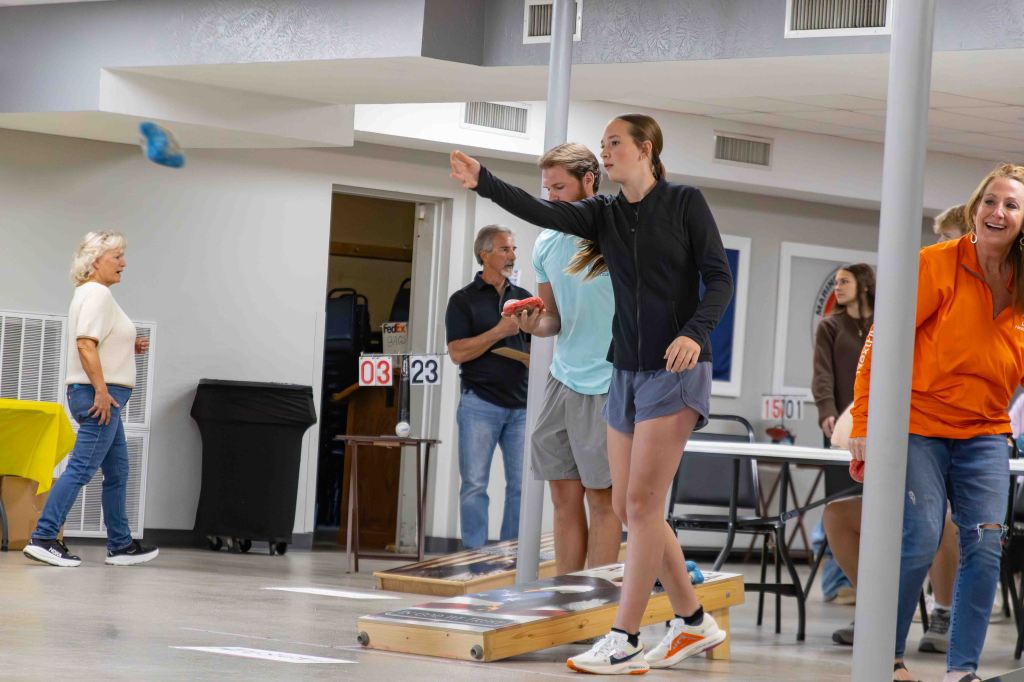
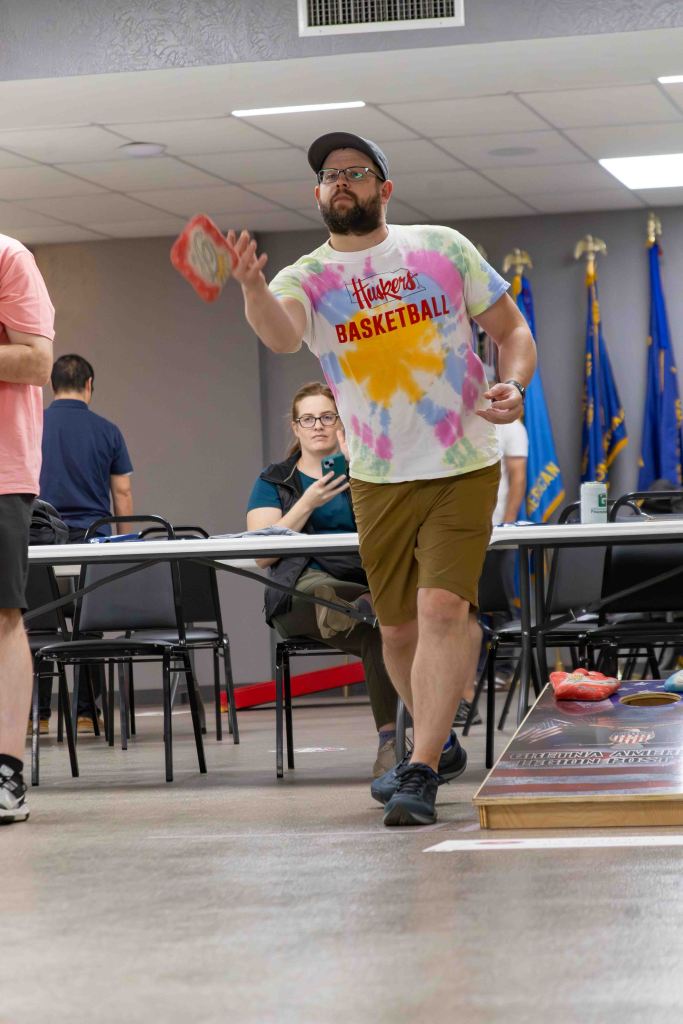
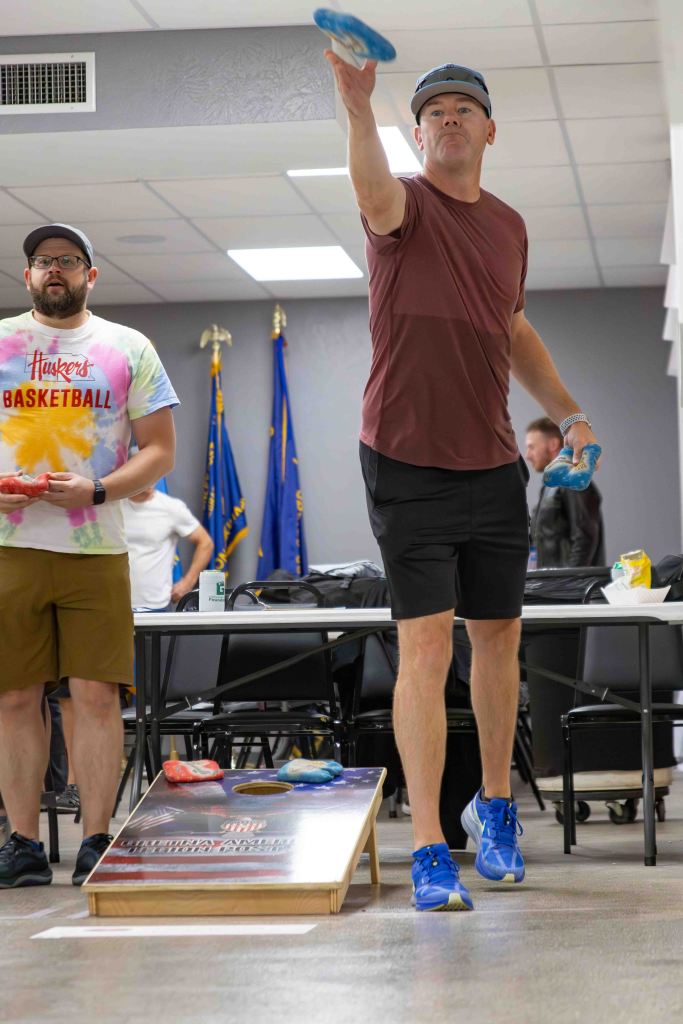
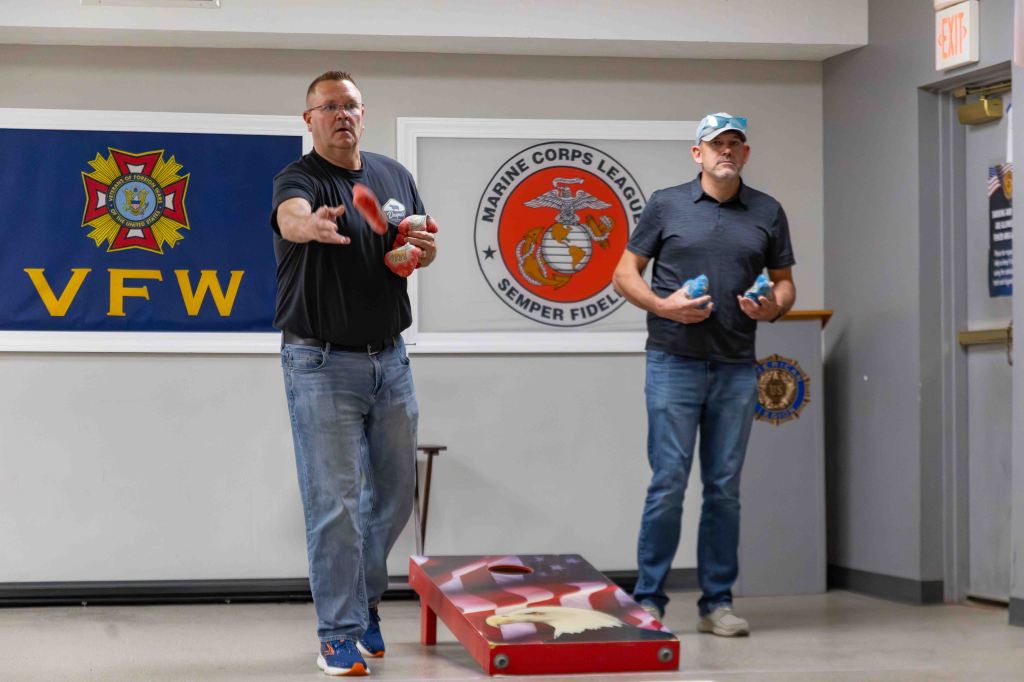
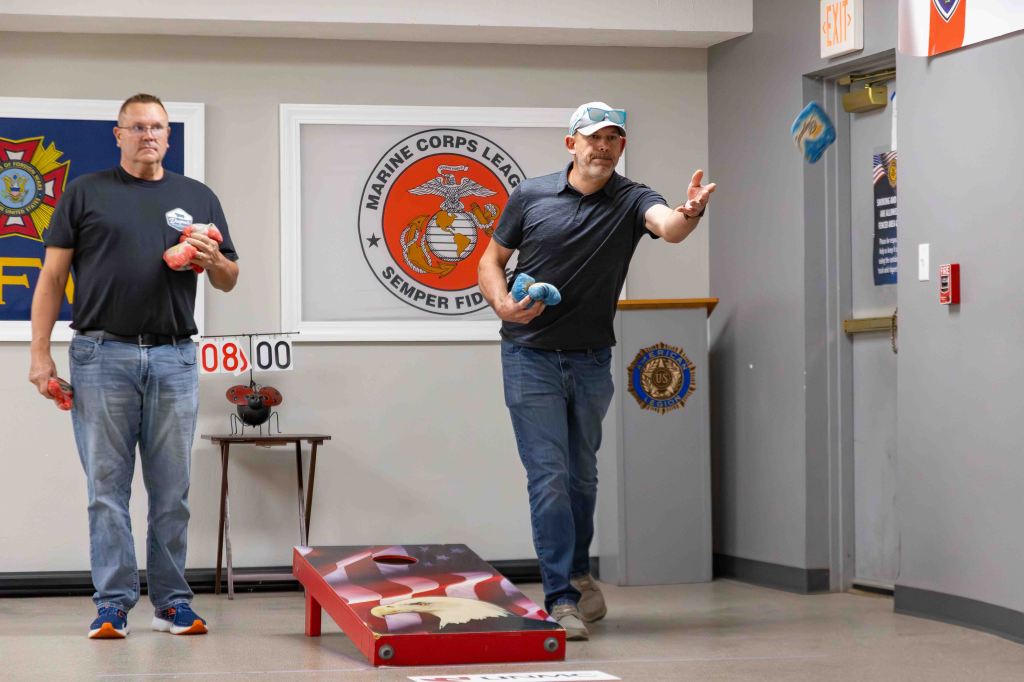
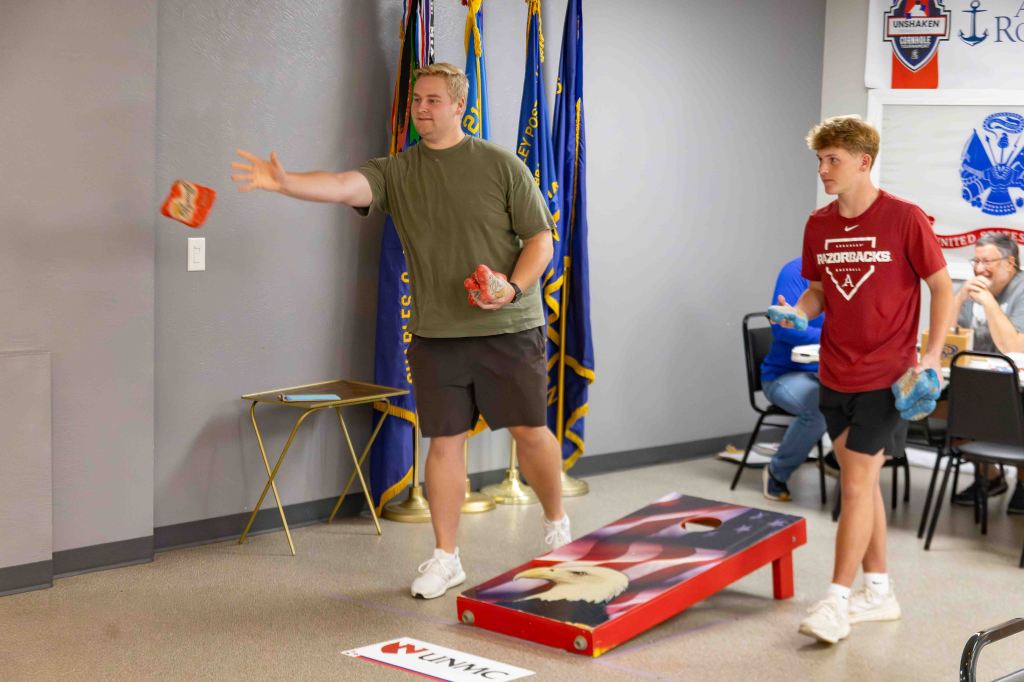
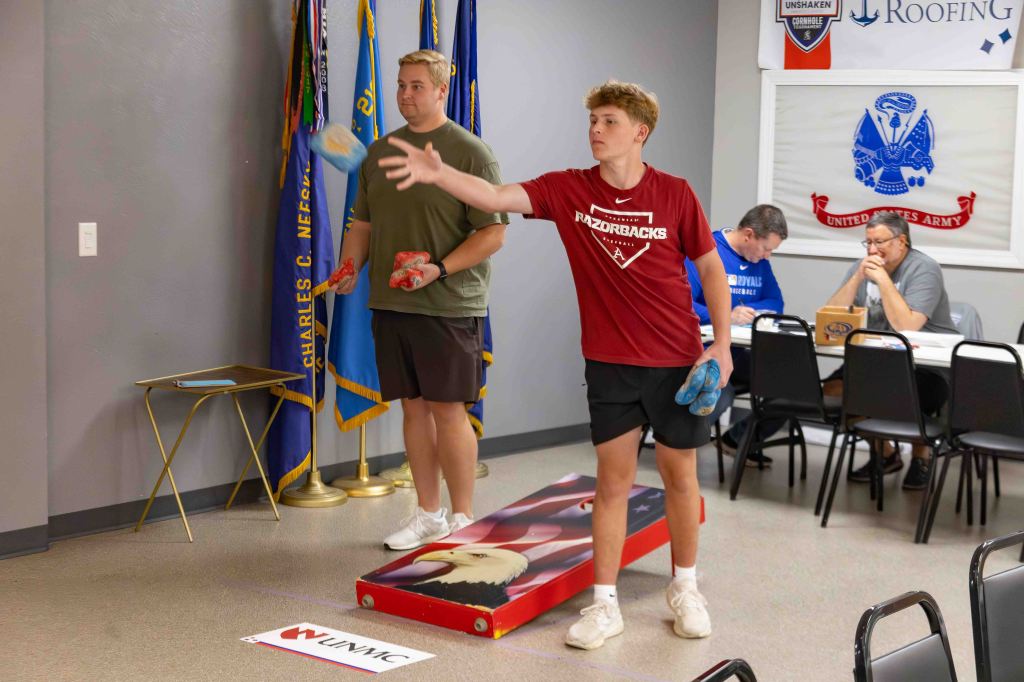
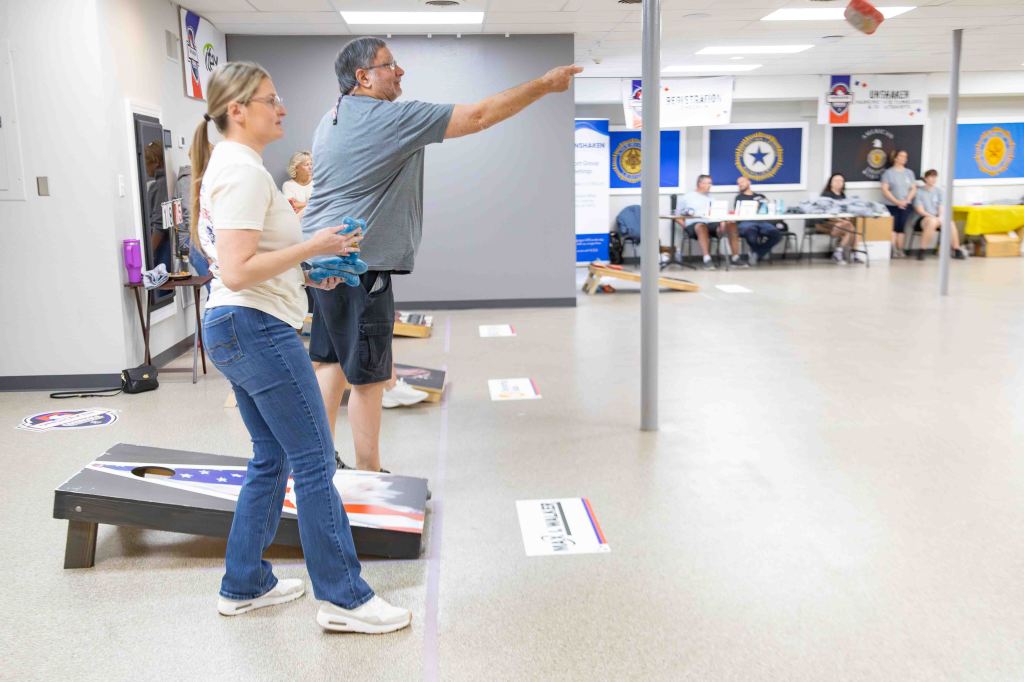
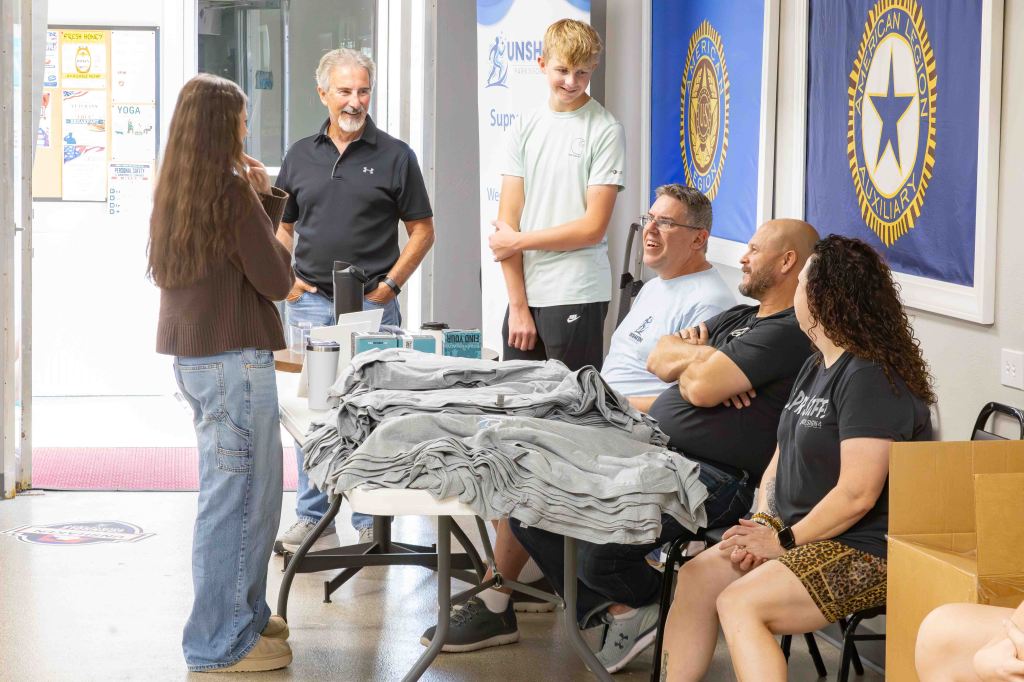
The cornhole tournament, held last Saturday, October 24, at the American Legion hall in Gretna, was organized by Bennington resident Nic Chesnut, founder of Unshaken Parkinson’s. The event featured recreational and competitive play, cash prizes, a silent auction, food, drinks and opportunities to purchase organization merchandise. The tournament also drew some familiar voices. Spicoli from Sweet 98.5 attended, helping announce portions of the event while also competing in the tournament.
When the bags stopped flying, Patrick and Allen took first place. The Smith’s finished second, Garry and Spicoli placed third, and Alex and Roger took fourth. In a particularly generous show of support, several of the winning teams donated their cash prizes back to Unshaken Parkinson’s.
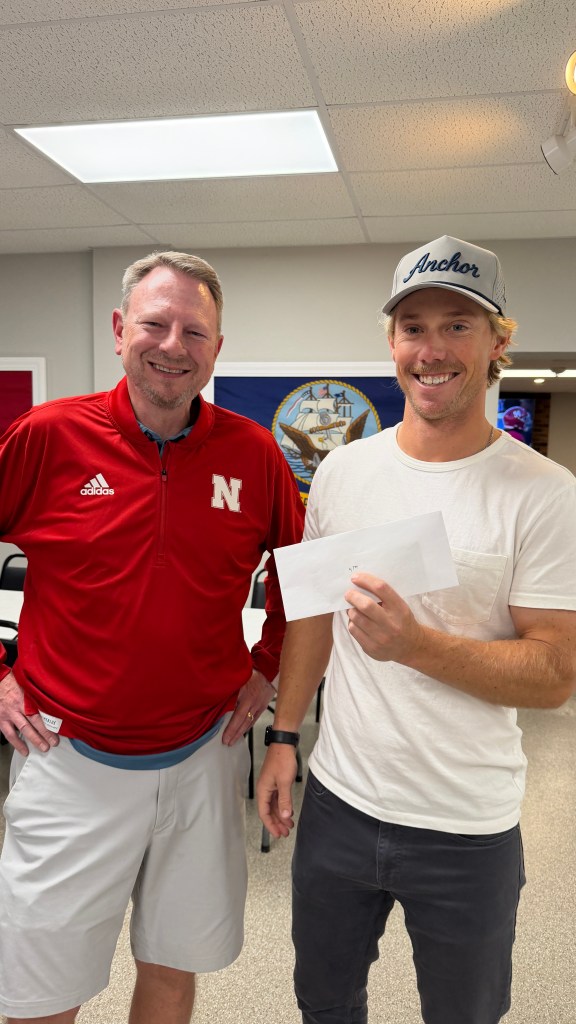
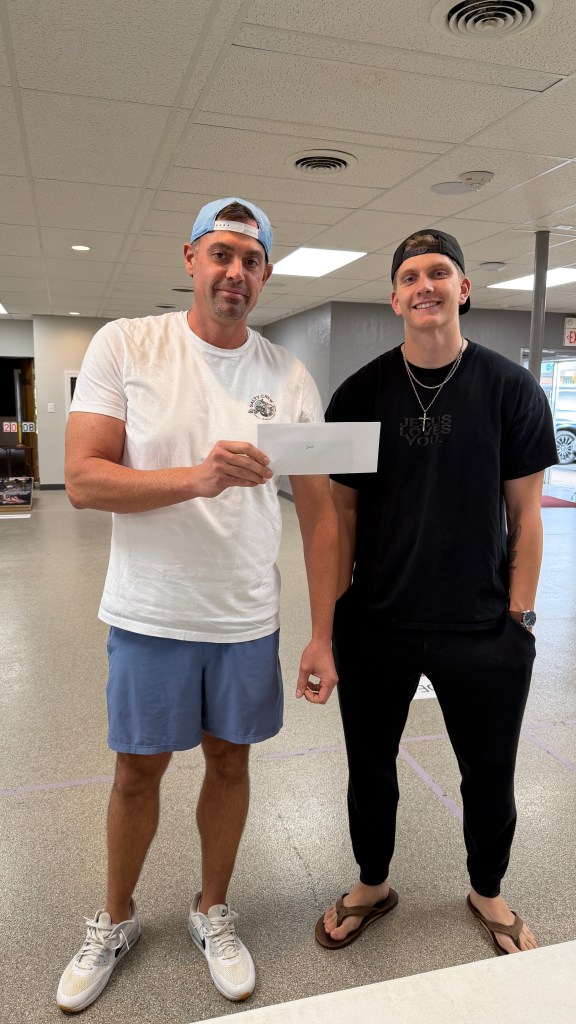
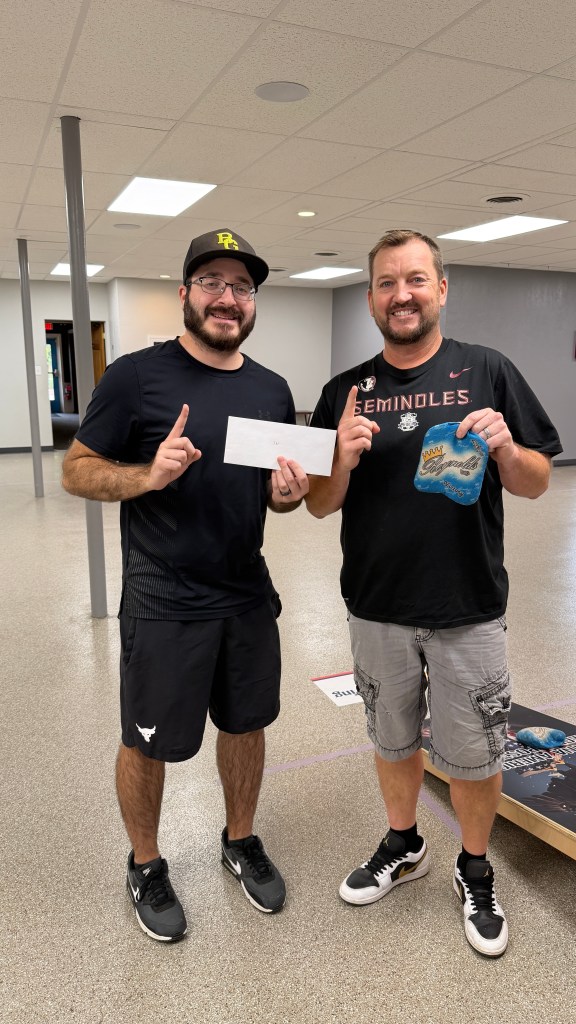
Above: Winning teams, photos courtesy of Nic Chesnut
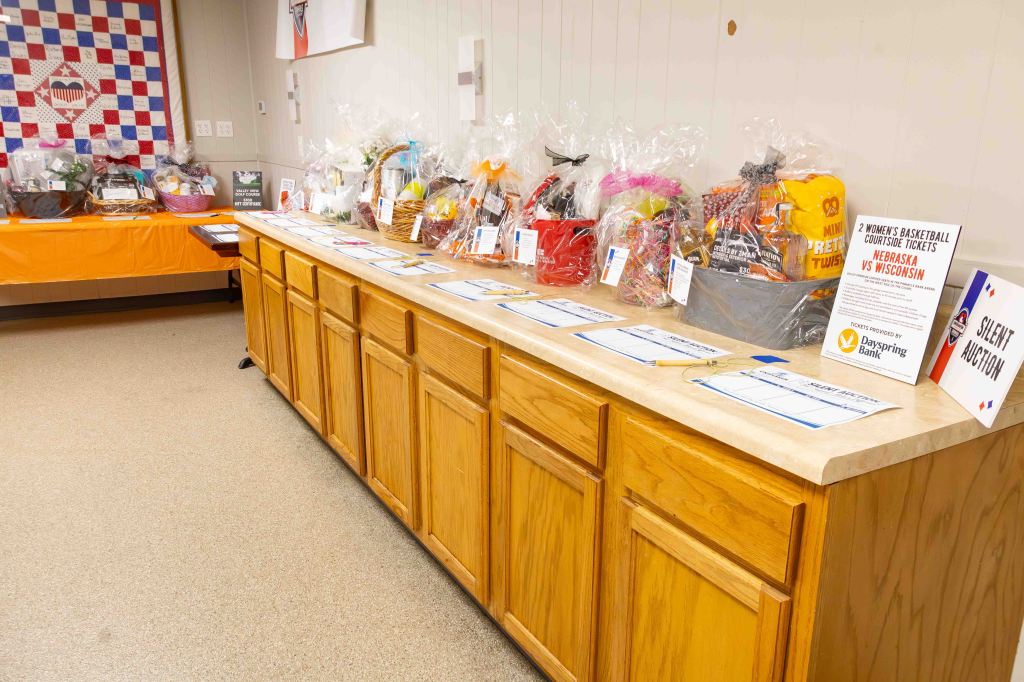
The silent auction offered a wide variety of donated baskets and items, including family-themed baskets, tools, home goods, spa products, food and liquor, game tickets, golf gear and more.
For Chesnut, the event’s success means more than a strong fundraising total. He hopes the money will help the organization take another step toward supporting Parkinson’s research and the people affected by the disease.
“Very successful, should have a study sponsored by Unshaken Parkinson’s this year,” Chesnut said following the event.
Turning personal experience into support for others
Chesnut was diagnosed with Parkinson’s disease in 2009. After years of navigating the condition, treatment options and research opportunities, he decided to establish Unshaken Parkinson’s to help others facing many of the same uncertainties.
His own experience has included participating in numerous research studies. Chesnut said he has been involved in 17 studies since his diagnosis, with researchers following the progression of his condition over time.
“I’ve been in 17 studies since I’ve had this,” he said during a recent interview.
He has also undergone deep brain stimulation, a treatment that became part of his care as his symptoms progressed. Chesnut described reaching a difficult point in 2022 when his symptoms had become increasingly challenging.
His experience has given him a firsthand understanding of how much trial and error can be involved in finding the right treatment. He recalled spending more than a year working to get his medication routine adjusted.
“Through trial and error, I finally figured out DBS,” he said in the interview, referring to deep brain stimulation.
That process is one reason he wants people living with Parkinson’s to have access to information, encouragement and connections with others who understand what they are experiencing.
Chesnut has helped organize support groups and regularly connects with people living with the disease, including the local group that meets regularly at A Catered Affair. He described how group members share their daily challenges, compare experiences with medications and talk through what has or hasn’t worked for them. The conversations can be especially valuable for people who are newly diagnosed or trying to understand how to manage changing symptoms.
He also shared how one support-group member was frustrated by persistent hand movements and unsure what to do next. While Chesnut is careful to distinguish his experience from medical advice, he said the group can offer a place to talk through challenges and learn from one another.
His efforts have reached beyond the immediate Omaha area, too. Chesnut recalled someone from Cedar Falls, Iowa, asking how to start a support group. His response was simple: he offered to attend the first meeting and help get it started.
“If you want I can go to your first one and I’ll just sit there with you,” he recalls telling him. This was the first step in getting another support group established and regularly attended.
Helping build local resources
In addition to supporting people living with Parkinson’s, Chesnut wants to help strengthen the medical and research resources available in the area. He spoke about losing several doctors over the years as providers left the region and said he wants to help support the doctors who continue caring for patients locally.
He also described a developing research effort involving a neurologist at Boys Town. Chesnut said he was the first patient in a project examining brain-wave technology and deep brain stimulation, with the goal of better understanding whether treatments could help slow the progression of Parkinson’s. He hopes the work will contribute to a better understanding of the disease and potentially benefit others in the future.
Chesnut said the foundation’s fundraising is intended to support research, with a smaller portion going toward website expenses and appreciation for medical professionals. He also described ways the organization has supported local services, including helping people access equipment through HELP Medical Equipment. He described contributing money to an account that can help cover rental costs for individuals who cannot afford needed equipment. He has also donated equipment of his own, including several canes he had tried while searching for one that worked for him. Rather than letting those items go unused, he passed them along so someone else could benefit. He emphasized that the assistance is not limited to people with Parkinson’s, but is available to anyone in the community who needs it.
Beyond the support groups, Chesnut has made it a priority to connect with people living with Parkinson’s throughout the community. He said he has been invited to speak at numerous area nursing homes and estimates he has visited approximately 65% of the nursing homes in the metro area. Through those visits, he shares his experiences and helps raise awareness about the challenges people with Parkinson’s face.
For Chesnut, the work is rooted in the people who are navigating the disease right now, not just what researchers might discover in the future.
His own experience has shown him how difficult it can be to find reliable guidance after a diagnosis, and how isolating that process can feel without a support network.
The success of the Gretna fundraiser gives Unshaken Parkinson’s additional resources to continue that work. With more than $10,000 raised and several tournament teams choosing to give their prizes back, the event also demonstrated the generosity of people willing to support a cause that affects individuals and families throughout the community.
To learn more about Unshaken Parkinson’s and its work, visit unshakenparkinsons.com.