By Marisa Dawson
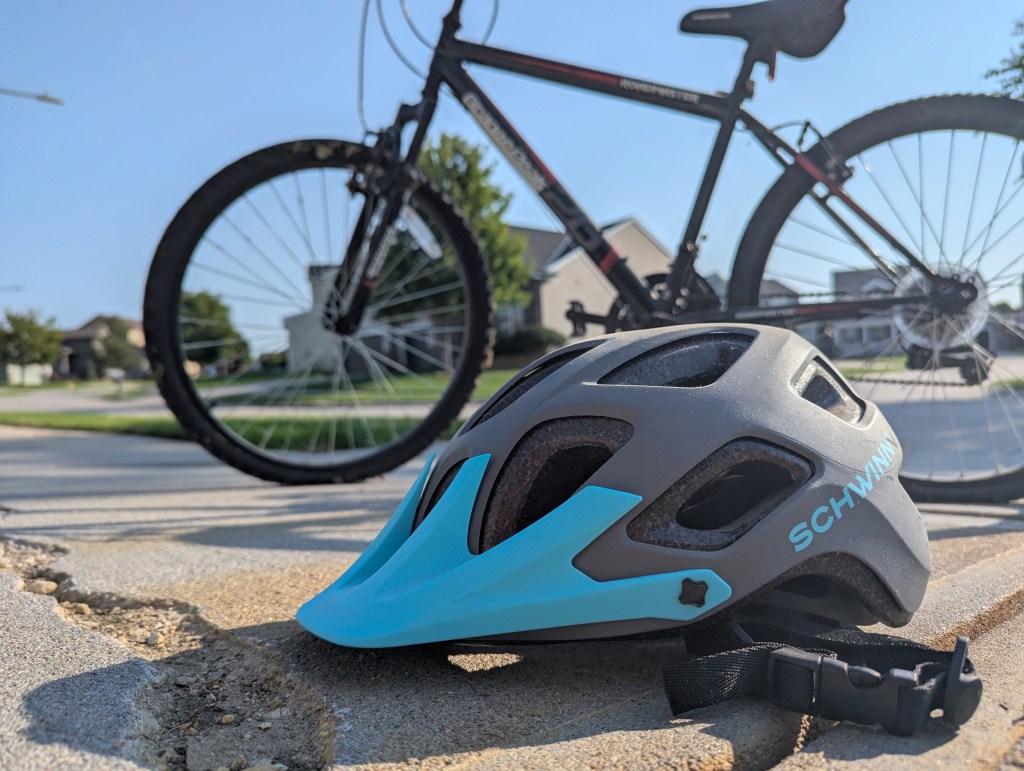
Tragically, our community has now seen two recent incidents involving young children struck by vehicles while not wearing helmets. The first incident involved an 11-year-old on an electric scooter who lost his life in the accident; the following event involved a 7-year-old on a bicycle. These heartbreaking cases underscore how vulnerable young riders are, and how preventable severe head injuries can be with proper helmet use and clearer rules for the rapidly growing category of micromobility devices.
Currently, Bennington (and Nebraska as a whole) has no helmet requirements for bicyclists or scooter riders of any age, relying on voluntary practices and education. Local law enforcement and first responders say the problem extends far beyond helmets alone.
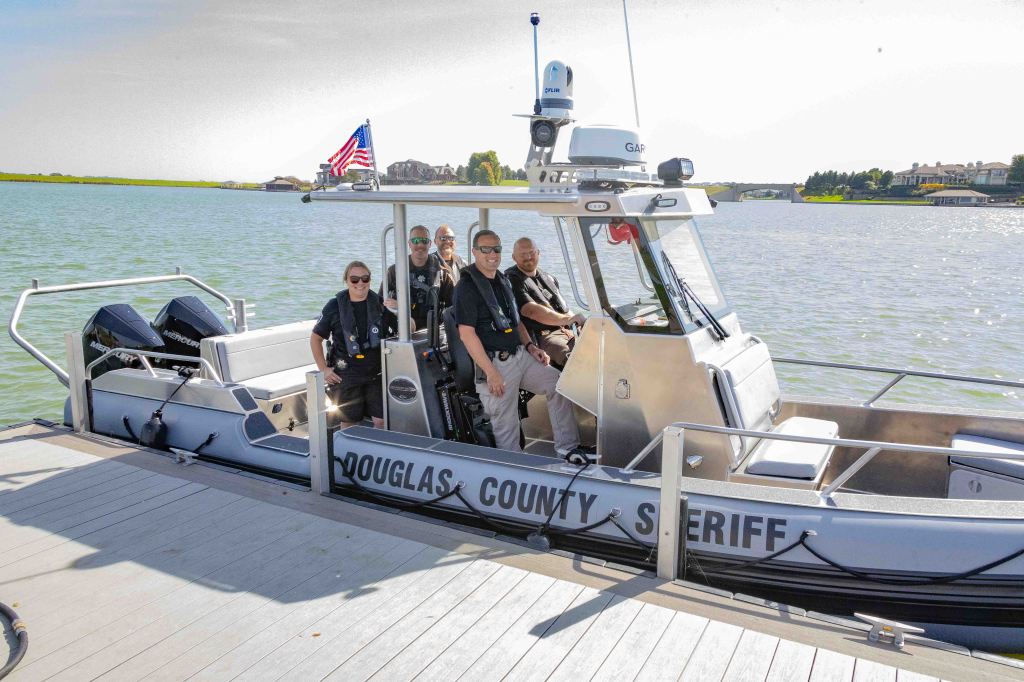
Douglas County Sheriff Aaron Hanson and Sergeant Jeremy Welsch of the DCSO Community Action Team describe a surge in calls involving electric dirt bikes, high-powered e-scooters, e-motos, and similar devices. Bennington Police Department previously shared similar concerns with increasing call volumes related to these devices and helmet use. Since May 1, the Sheriff’s Office has been dispatched to 298 road hazard calls. They estimate roughly 90 percent involve these electric or mini vehicles. The Community Action Team averages about seven additional contacts per day on the same issue. In that period, deputies issued 12 citations to parents (eight for Acts Declared Unlawful and four for Contributing to the Delinquency of a Child) and impounded 13 vehicles (11 electric and two gas-powered).
“Helmet use is tough for us because there is no law for us to enforce on helmets on any of this other than motorcycles,” Welsch said. “The technology has surpassed safety and it’s surpassed public policy.” Record-keeping on helmets is limited unless a motor-vehicle collision occurs. In the two recent Bennington crashes, neither child was wearing a helmet. Observationally, Welsch estimates about half the riders he encounters wear one.
Sheriff Hanson stressed that many of these devices function more like motorcycles than traditional bicycles or the gas-powered dirt bikes of previous generations, further stating that traditional bike helmets are not enough to protect a child in a motor vehicle collision. “These parents are giving kids essentially motorcycles, giving them the keys, giving them a wall charger and saying good luck and with no discussion about rules of the road,” he said. “These kids… they don’t have fully formed brains. Their reaction time is not to the level of an adult. And it’s just a dangerous, dangerous combination. I think the technology has moved faster than our public policies.”
Unlike gas-powered bikes that required frequent refueling (and therefore more parental involvement), electric versions need only a wall outlet. Speeds can greatly exceed those of older mopeds or dirt bikes. “If you talk to people that are actually enthusiasts in that sport, they will tell you that dirt bikes are not meant for paved streets. The tires are not DOT approved… That is physics,” Hanson noted.
He added that a standard bike helmet offers little protection if a vehicle drives over a rider’s head. “A bicycle helmet is not going to help you at 70 miles an hour on an e-motorcycle,” Welsch noted.
Nebraska law clearly defines certain e-bikes (with operable pedals and class-based speed limits up to 28 mph) and treats them largely as bicycles, with no statewide helmet or minimum-age requirements. Many high-powered electric dirt bikes, mini bikes, larger scooters, and devices such as electric unicycles fall outside clear statutory categories, complicating enforcement, especially in unincorporated areas where the Sheriff’s Office relies primarily on state statute.
First Responder Concerns
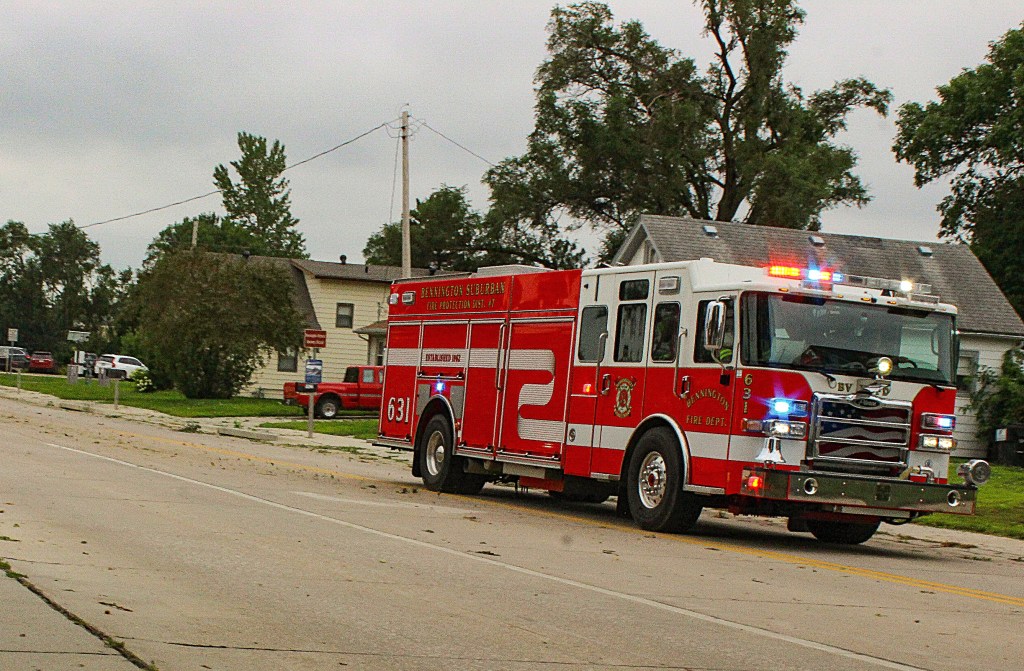
Bennington Fire Assistant Chief Chad Nixon observed that the higher speeds of modern electric devices, combined with distracted driving, create shorter reaction times and greater energy transfer in collisions. “The physics (speed) involved is creating a much greater risk to the riders,” he said. Standard bicycle helmets may not provide adequate protection for these higher-energy crashes. Pediatric calls already carry elevated stress for EMS providers because children can compensate well until they suddenly deteriorate, and most responders are parents themselves.
Nixon noted that these electronic devices remain relatively new and have expanded faster than legislation or safety guidelines. “Just as with any physics, the faster an object is moving the more energy is displaced when they collide,” he explained. “In the incidents of car/truck versus human rider this is never a good combination. Unfortunately, when the rider is not wearing any form of protective equipment then there is a much higher likelihood of injury.” He expressed hope that testing will lead to better PPE (helmets, elbow pads, knee pads, and similar gear) designed for higher-energy accidents, emphasizing that “the standard bicycle helmet may not afford the same protections to the rider on these electronic devices, the speed is faster so there needs to be adequate testing and protection.”
Nixon called for better testing and development of protective equipment suited to higher speeds, high-visibility clothing and gear, slower neighborhood driving, and constant driver vigilance. “Make sure your child is adequately protected no matter what recreational device they choose,” he advised. He also urged drivers to put down phones, slow down, check blind spots, and remain vigilant, while encouraging parents to educate children on safe habits.
Proven Protection from Helmets
Decades of research demonstrate that helmets significantly reduce head injuries in bicycle and scooter crashes, though research is still ongoing regarding the faster e-versions of these. According to a 2018 meta-analysis of 55 studies by researcher Alena Høye, helmets reduce head injuries by 48%, serious head injuries by 60%, traumatic brain injuries by 53%, and the total number of killed or seriously injured cyclists by 34%.
Broader reviews, including those from the Cochrane Collaboration, report reductions in head, brain, and severe brain injuries ranging from 63% to 88%. Facial injuries are also significantly lowered. For children, the stakes are especially high. According to the American College of Surgeons, “Pediatric non-helmeted bikers have a 3-fold higher risk of serious head injury compared to helmeted bikers.” Modeling suggests universal helmet use among U.S. children ages 4–15 could prevent 135–155 deaths, 39,000–45,000 head injuries, and thousands of scalp and face injuries each year.
A 2022 study in Pediatrics found that state helmet laws were associated with a 20% decrease in the rate of bicycle-versus-motor-vehicle-related deaths and injuries. An Ontario study following child helmet legislation showed child cyclist deaths (ages 1–15) declined by 52% and the mortality rate by 55%.
National data also show rising injuries from e-scooters and e-bikes. U.S. Consumer Product Safety Commission estimates indicate sharp increases in emergency department visits in recent years, with head injuries common and documented helmet use often low (around 18% in one 2024 e-scooter special study).
Experts note that not all helmets offer the same level of protection once speeds rise. Standard bicycle helmets sold in the United States must meet the Consumer Product Safety Commission (CPSC) standard and provide strong protection in typical bike crashes. However, those helmets are primarily tested for impact speeds roughly equivalent to a 12–15 mph fall. The American Academy of Pediatrics and the Bicycle Helmet Safety Institute both advise that riders of e-bikes (especially Class 3 models capable of 28 mph or higher-speed, electric scooters and dirt bikes) should use a higher-rated helmet.
One increasingly recommended option is a helmet certified to the Dutch NTA 8776 standard, the first safety standard created specifically for e-bikes and speed pedelecs. It tests for higher impact speeds (up to 28 mph) and requires roughly 10 percent more head coverage around the temples and back of the head than standard bicycle helmet certifications.
Other options include helmets meeting the ASTM F1952 downhill mountain-bike standard or a light motorcycle helmet. Because many of these devices are still being classified and regulated, definitive long-term studies comparing helmet performance specifically for pediatric e-bike and e-scooter crashes remain limited. In the meantime, safety organizations consistently stress that any properly fitted, standards-compliant helmet is far better than none, while encouraging parents to match the helmet’s design and certification to the speeds their child is likely to reach.
| Standard | Typical Use | Notes for E-Bikes / Kids |
|---|---|---|
| CPSC 16 CFR 1203 | Mandatory U.S. bicycle helmets | Minimum legal requirement; good baseline but limited for higher sustained speeds |
| NTA 8776 (Dutch) | Specifically for e-bikes | Greater coverage & higher impact performance; frequently recommended |
| ASTM F1952 | Downhill mountain biking | Higher impact protection; sometimes suggested as an upgrade |
| Motorcycle (DOT/ECE) | Motorcycles / high-speed devices | Recommended by BHSI for Class 3+ or very fast devices |
Garrett Stice, a regional sales representative who works with Leatt and local powersports retailers like Nebraska Electric Motorsports on helmet selection, noted that for higher-powered devices such as e-motos, motorcycle-certified helmets are commonly used. “The helmet that NEP sells is not a bicycle helmet… it is a motorcycle helmet,” he said, explaining that these helmets carry DOT and ECE 22.06 certifications and are designed with multi-density impact foam “to manage higher-energy impacts” as well as technology intended to help manage rotational forces. “For any rider on any form of E-bike, E-scooter, etc. they need to wear a properly fitting helmet with a minimum of a DOT rating. But for E-moto’s a DOT & ECE 22.06 rating is preferred,” Stice added.
He also stressed the importance of correct fit: “A properly fitting helmet needs to feel snug, but not tight. It’s important to buy the helmet that fits now, not one they will ‘grow into’.” Quality, name brand helmets that are regulated and certified can make all the difference, with many even incorporating various proprietary technologies to improve both safety and comfort. Because many of these devices are still being classified and regulated, definitive long-term studies comparing helmet performance specifically for pediatric e-bike and e-scooter crashes remain limited. In the meantime, safety organizations consistently stress that any properly fitted, standards-compliant helmet is far better than none, while encouraging parents to match the helmet’s design and certification to the speeds their child is likely to reach.
Cities with Mandates
Several municipalities across the nation have implemented helmet ordinances, many covering all ages, and observed measurable safety improvements. Bellevue, Washington, requires all riders to wear properly fitted, standards-compliant helmets on public roadways, paths, and facilities, with parental responsibility for minors under 18. Similar all-ages or broad rules exist in various Washington cities and counties, Rockland County (New York), multiple St. Louis County municipalities (Missouri), and other communities nationwide (roughly 49 all-ages localities). Research indicates larger reductions in head injuries when laws apply more broadly.
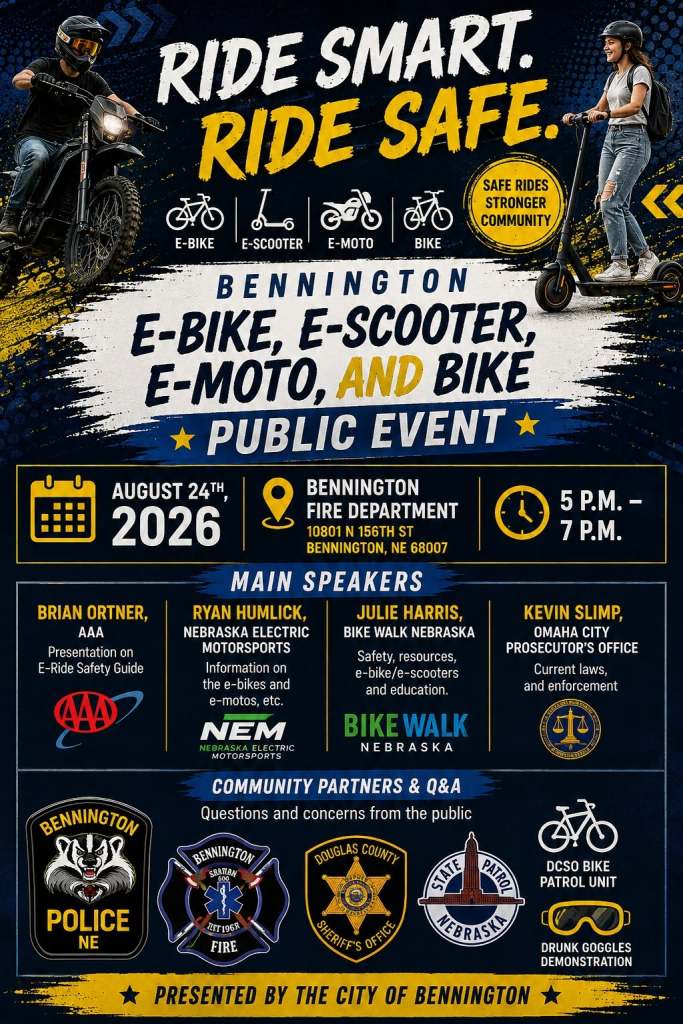
Local officials stress that helmets are an important layer of protection but not a complete solution when devices are operated illegally, at high speeds, by underage riders, or without parental oversight. Clearer state classification of these vehicles, consistent rules of the road, meaningful consequences for negligent parents, public education, and consideration of local helmet measures are all needed. Sheriff Hanson and Sergeant Welsch are already collaborating with Bennington leaders, the Natural Resources District, Omaha Police, and state senators, including Brad von Gillern, on potential legislation. Hanson stated they have been working closely with von Gillern to discuss potential legislation. An upcoming safety event to be held at Bennington Fire Department on Monday, August 24 from 5-7pm will also address many concerns and focus on rider and parent education.
“I don’t want to be at a child’s funeral and look in the face of a mourning parent and wish that we could have done more,” Hanson said. His overarching message: research devices before buying, talk with children about legal and safe operation, and be responsible role models.
Residents who observe illegal or reckless activity are encouraged to call 911 in real time and share tips with the DCSO Community Action Team. Technology will continue to evolve. Helmets, clearer rules, parental accountability, and community awareness must keep pace to protect young riders and prevent further tragedies. Sheriff Hanson added, “If you’re a parent and you fall into that category where you are not only willfully allowing your children to ride these off road vehicles on the road, and if you know that your children are driving them in a reckless manner, and if you are advising your children to run from the police and if your child or someone else gets hurt, I am authorizing my deputies to book those parents into jail. No citations. That is a serious crime.”

Sources & Additional Reading:
– Interviews with Douglas County Sheriff Aaron Hanson and Sgt. Jeremy Welsch, DCSO Community Action Team; comments from Bennington Fire Assistant Chief Chad Nixon; DCSO call and enforcement statistics.
– Høye, A. (2018). Bicycle helmets — To wear or not to wear? A meta-analysis of helmet effectiveness. Accident Analysis & Prevention.
– American College of Surgeons statements on bicycle safety.
– Pediatrics (2022) on helmet legislation and fatalities.
– U.S. Consumer Product Safety Commission micromobility injury reports.
– Bicycle Helmet Safety Institute (helmets.org) guidance on e-bike and powered-device helmets.
– Municipal codes from referenced cities (e.g., Bellevue, WA).