By Marisa Dawson
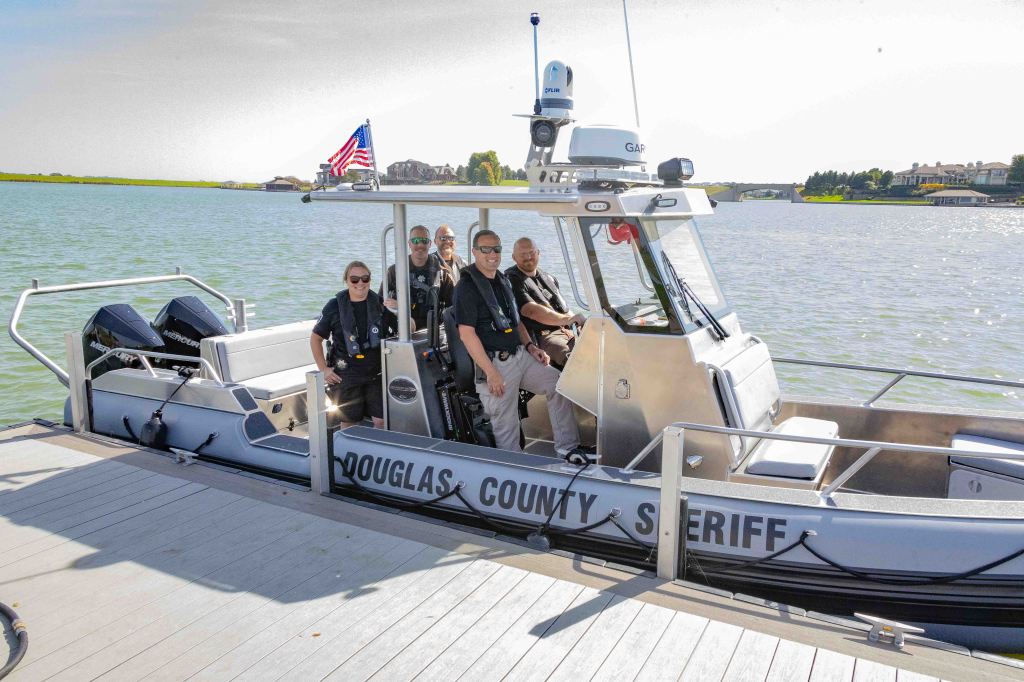
The Douglas County Sheriff’s Office is expanding its search and rescue capabilities on the Missouri River with a new boat designed to help deputies respond to emergencies, assist boaters in distress and conduct underwater searches.
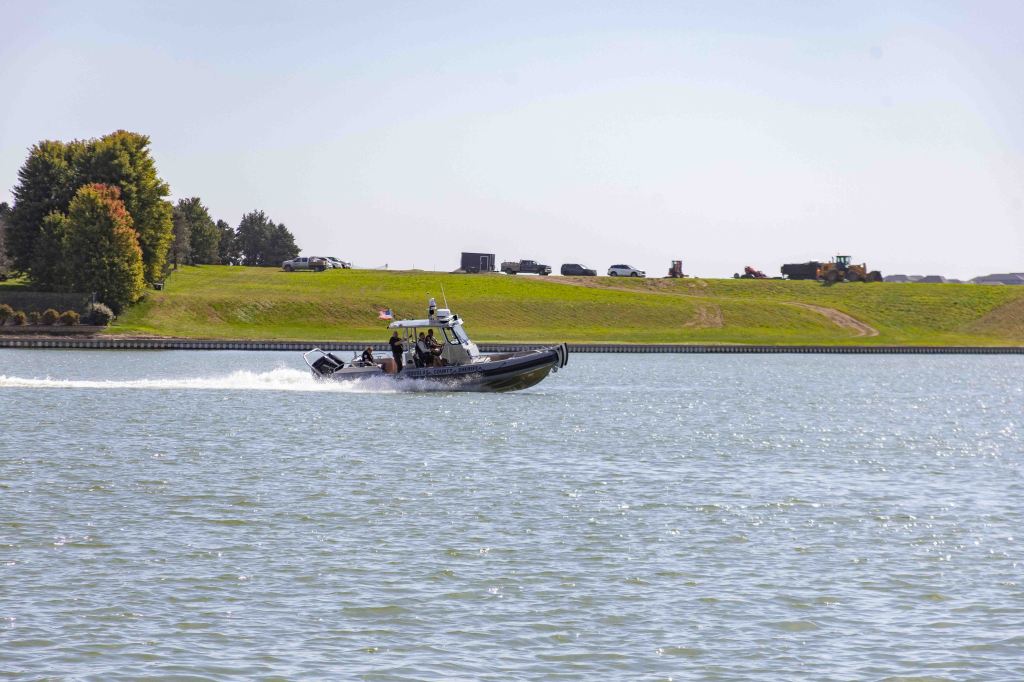
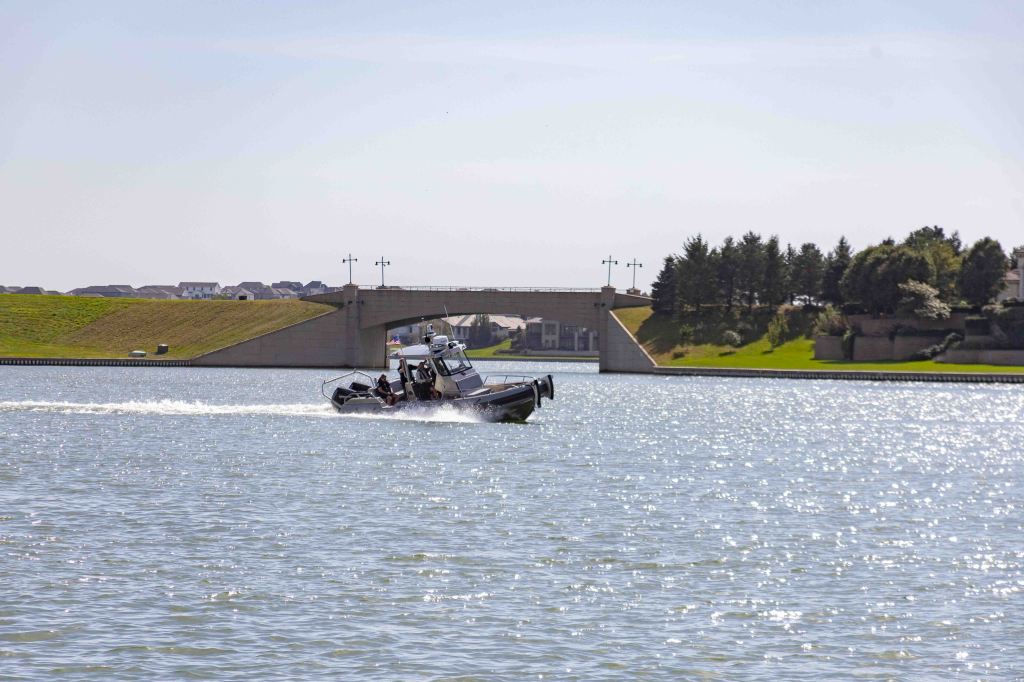
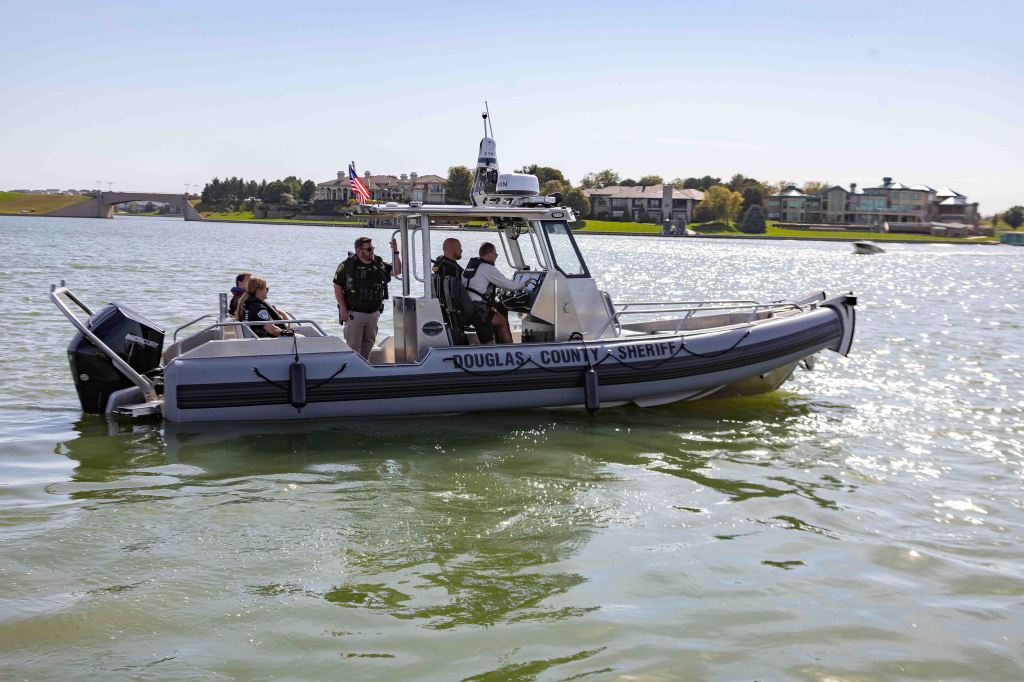
Members of the team took the boat out to Bennington Lake on Thursday, October 8, for an initial training session following its arrival Sunday evening. The session focused on familiarizing team members with the vessel’s systems, ensuring everything was functioning properly and preparing the boat for future calls.
“We received the boat Sunday night,” said Sgt. Peter Coffey. “So this is our first time putting it on the water here in Nebraska since we did sea trials out in Washington state.”
The purchase fills a significant gap in the department’s water response capabilities. The new vessel replaces a Boston Whaler that had been out of service for several years, leaving deputies with limited options for responding to emergencies on the Missouri River.
“We didn’t have a boat that could tow,” said Lt. Chris Ivener, who commands the team. “Our boats are great boats for searching coves and searching different areas. They’re very limited, especially on the Missouri river because they weren’t made for that water.”
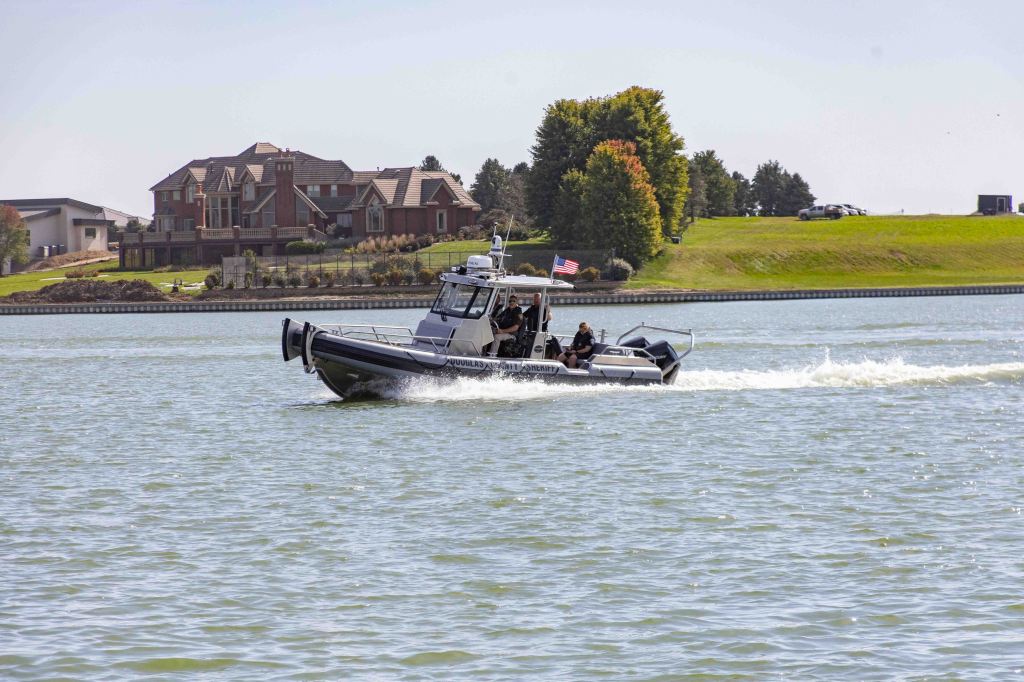
Without a vessel capable of handling those conditions, deputies had limited ability to assist boaters whose vessels had become disabled or tow other boats to safety.
Spencer Head, executive communications coordinator for the sheriff’s office, said the department had struggled to help boaters experiencing mechanical problems on the Missouri River.
“If we ran into somebody who had a disabled boat out there, there wasn’t a whole lot we could do for them other than trying to flag down another boat to come by,” Head said.
The new boat is equipped with twin 300-horsepower engines and has a capacity of 15 people, with seating for 12. Its size and power also allow deputies to transport more people during an emergency than the department’s previous largest vessel, which Coffey said he would not have been comfortable carrying more than five or six people.
The boat’s design also addresses challenges posed by debris in the Missouri River. The department’s existing jet boat can navigate shallow areas without an exposed propeller, but debris can become lodged in its propulsion system, sometimes forcing deputies to clear obstructions or limp back to shore. The new vessel provides another option for operating in the river’s conditions while expanding the team’s ability to assist with rescues and recoveries.
Deputy Jeremy Ruhland emphasized how the boat addresses several of the unit’s existing limitations. “What’s great about this and the game changer about this is this check marks all the boxes that we need to do,” he said.
One of the boat’s most significant features is its sonar equipment, which gives deputies multiple ways to search underwater. The vessel has two sonar frequencies: a low-frequency system that covers a larger area in deeper water with less detail, and a high-frequency system that produces much more detailed images over a smaller area.
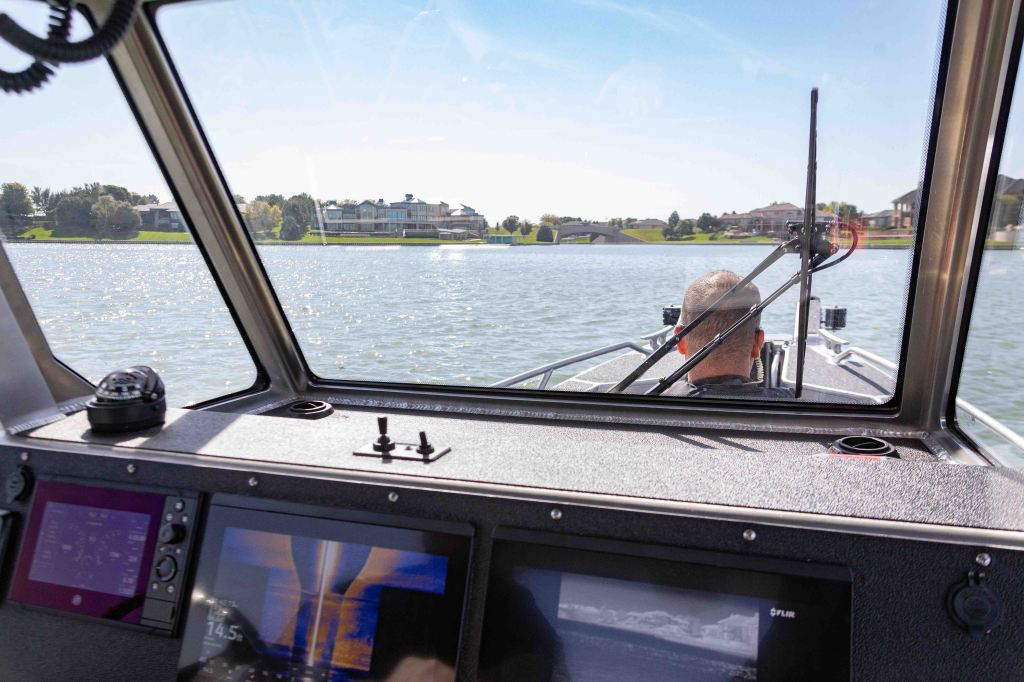
“It’s also outfitted with a FLIR system, which is an infrared camera, which is a must if you’re doing night operations, night recovery operations,” Coffey said. “You can spot out body heat, stuff like that. It’s a great tool.”
The infrared technology can help deputies locate heat signatures during nighttime operations, while the sonar systems can assist in identifying objects beneath the water’s surface during search and recovery missions. Coffey said operating the sonar effectively requires training and experience. Deputies practice scanning known objects to learn how they appear on the equipment, and searches may require multiple passes on a grid pattern from different angles to get a clearer picture.
The boat also features a GPS-based positioning system called Skyhook. With the push of a button, the system helps hold the vessel in a fixed position, even when wind or current might otherwise cause it to drift. That capability can be particularly useful during underwater searches when deputies need to remain over a specific location.
The vessel is also equipped to support dive operations through attachments and a dive ladder. Although the sheriff’s office does not currently operate its own dive team, the boat can assist partner agencies conducting underwater operations.
Ruhland noted that the department’s existing boats serve important purposes, particularly in shallower water, but the new vessel offers capabilities that were previously missing from the fleet. Its expanded capacity, power and equipment give deputies more options when responding to emergencies on the Missouri River.
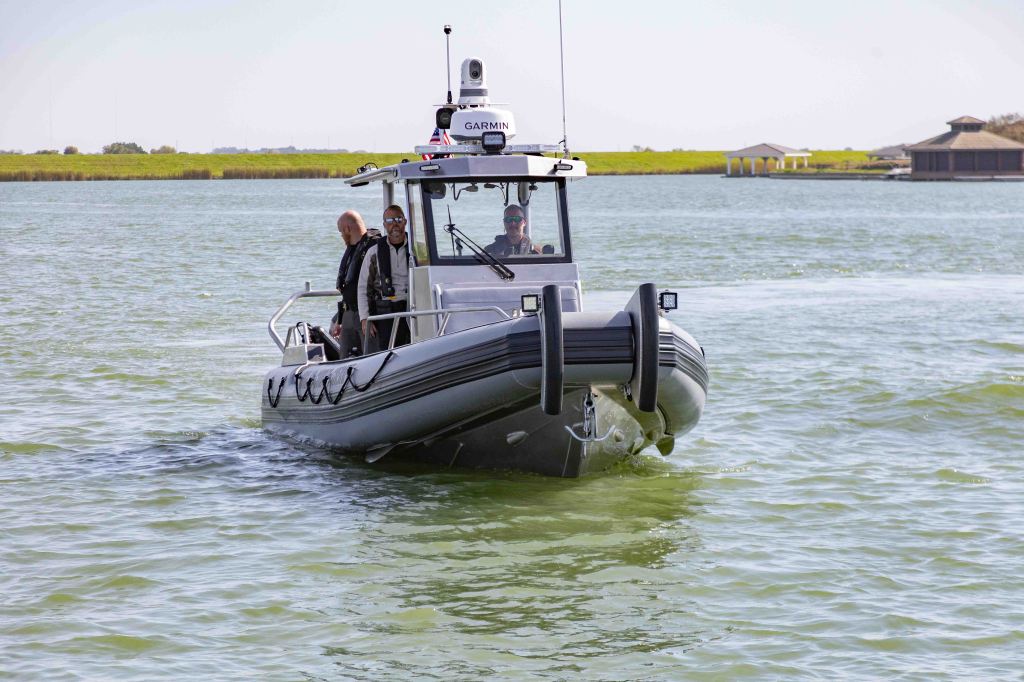
DCSO responds to a range of water-related incidents, including searches, recoveries and calls involving people in distress. Deputies are also mobilized for incidents near bridges, including calls involving people in the Missouri River.
The team responds to incidents at area lakes as well, and conducts proactive patrols during the boating season to help prevent emergencies before they happen. Coffey said those patrols give deputies opportunities to check that boaters have required safety equipment and understand how to operate their vessels responsibly.
“Number one is education,” Coffey said. “By the time it’s an emergency, it’s already too late.”
Ruhland said the team also uses its patrols to build awareness of safe boating practices, including the importance of having a designated spotter when towing someone on a tube and ensuring everyone has appropriate safety equipment.
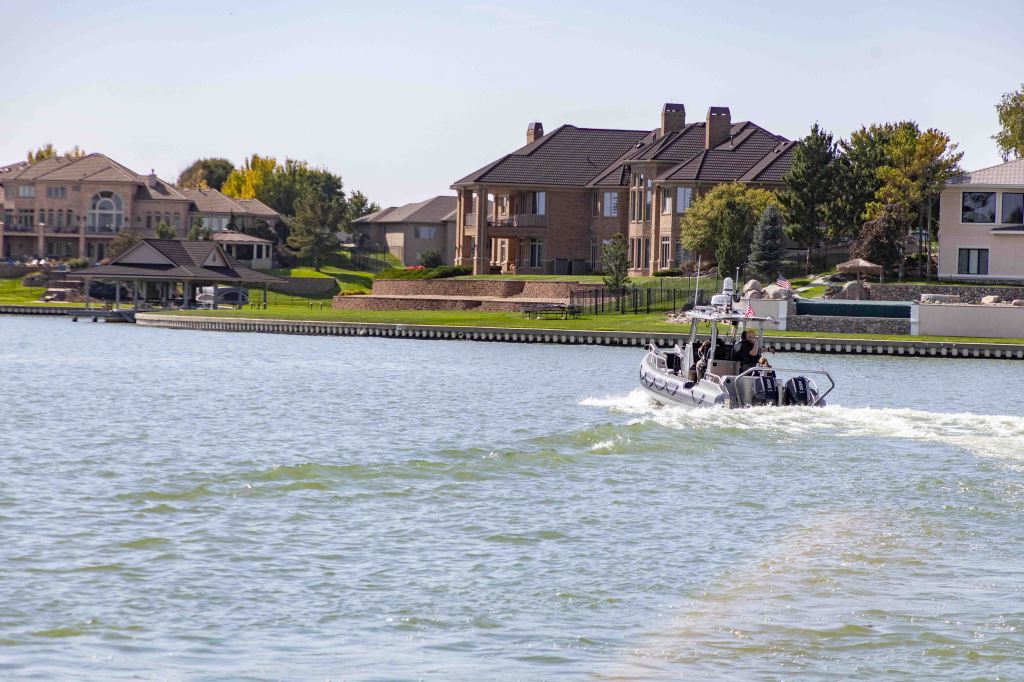
The department currently has 15 members assigned to the unit, according to Head. Various trainings on nearby lakes and on the Missouri River will help familiarize the team members with its operation and capabilities.
For Ivener, the expanded capabilities mean the team can better serve the public during some of the most difficult moments families may experience.
“Lately on Missouri river, having a team that’s able to go out and respond and either help rescue the person or the recovery situation, to bring the safety to the public and bring closures to family,” Ivener said.
The boat was funded in part through donations totaling $130,000, with $50,000 donated by the NRD and $80,000 donated by the County Attorney’s Office. The remainder of funding came from the department’s forfeiture money budget.
Alongside the new equipment, deputies emphasized that prevention remains an important part of the unit’s work.
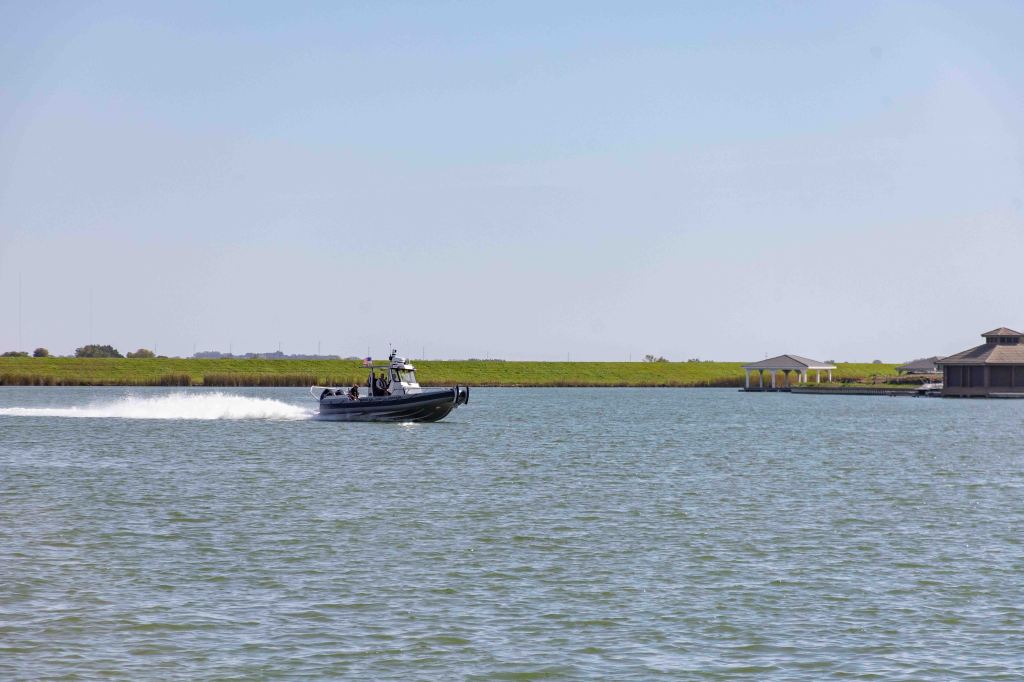
Boaters should ensure everyone aboard has access to properly sized life jackets and that children under 13 wear them while underway, as required by Nebraska law in applicable circumstances. Inflatable personal flotation devices must be worn to be considered properly available for use, Coffey noted, and boats must carry required safety equipment, including a throwable flotation device. It was also noted that Nebraska Game & Parks has started making loaner life jackets available at several local lakes.
Head said deputies want people to enjoy the water without putting themselves or others at unnecessary risk.
“We’re not out here to be the fun police,” Head said. “We don’t want to come out and ruin your weekend at the same time. We want everybody to be safe.”
He encouraged boaters to act responsibly, avoid excessive alcohol consumption and make sure they are prepared before heading onto the water. Coffey also cautioned people against overestimating their swimming abilities, particularly in the Missouri River, where conditions can be dangerous and recent rainfall can add to the risks.
With the new boat now in Nebraska and initial familiarization underway, the sheriff’s office is preparing its team to make use of the vessel’s expanded capabilities when the next emergency call comes in.