By Nick Scofield
Offutt’s Defender of Freedom Airshow celebrated America’s 250th this month.
Saturday’s event was cut short due to inclement weather, but Sunday got started with clear blue skies and a blistering hot day—perfect for watching planes that helped defend America from World War II to one of our newest fighter jets in production.
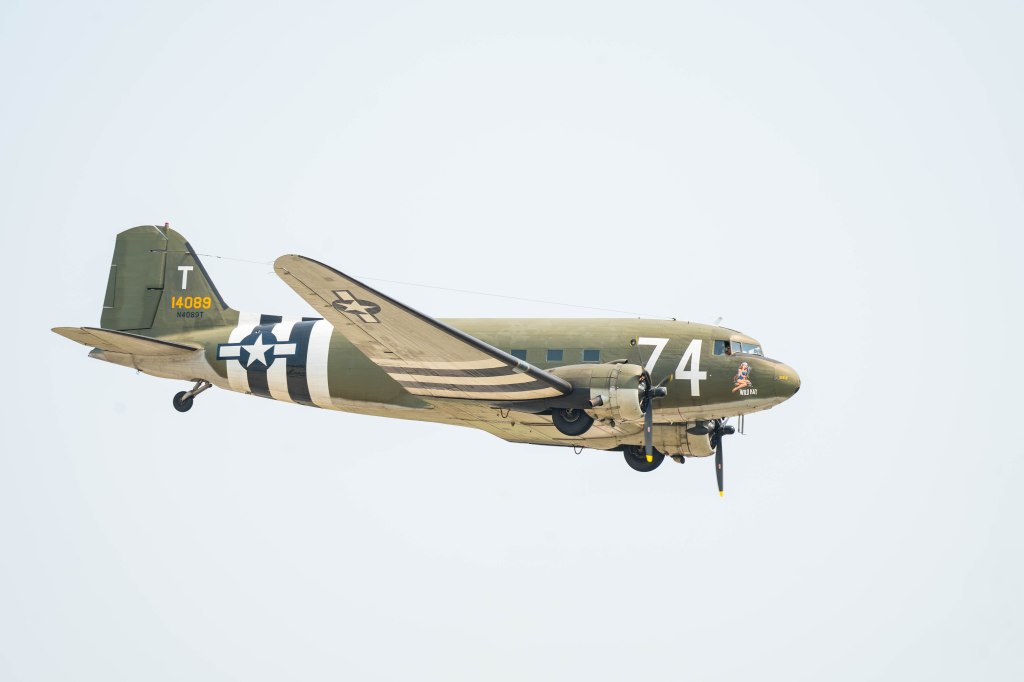
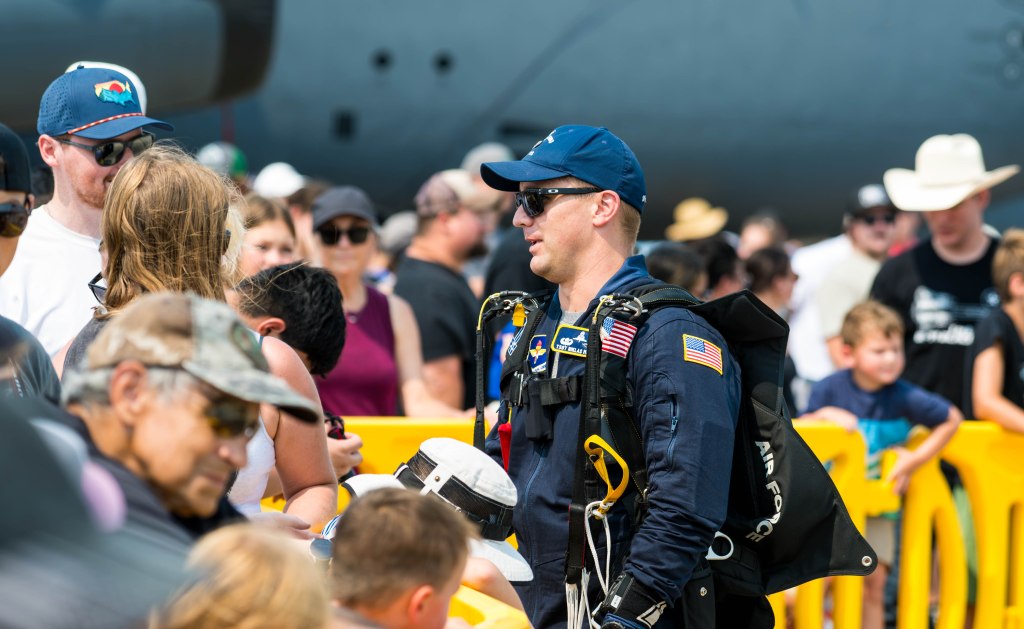
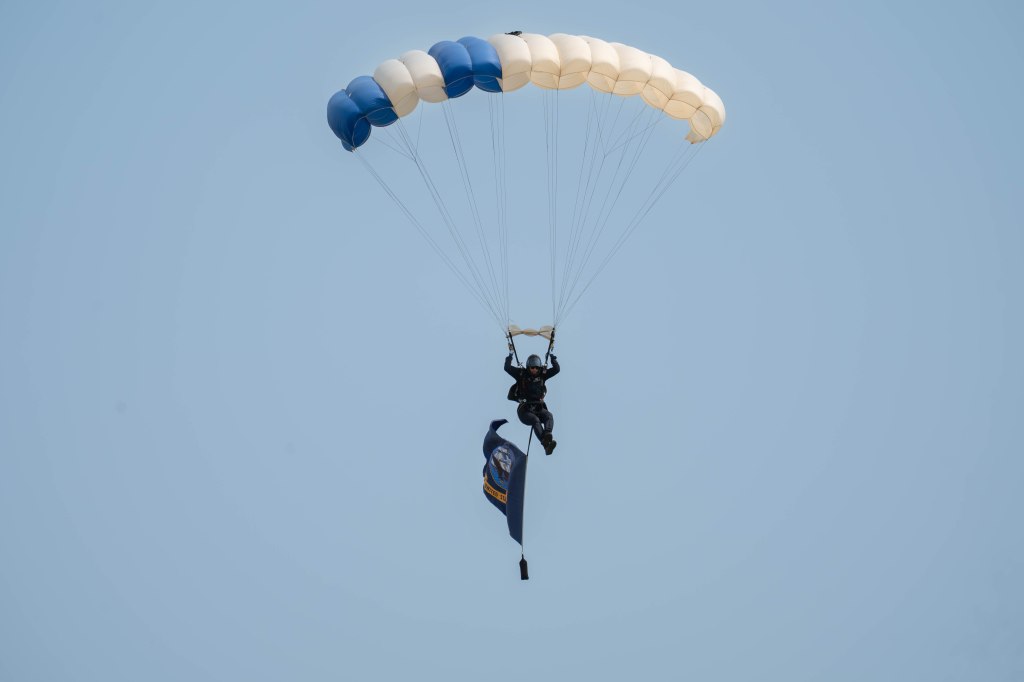
The demonstration of the C-47, which dropped some of the first paratroopers in on D-Day, helped get the day started. Nearly 80 years later, the plane was still demonstrating the impact it had in delivering our soldiers into war back in 1944. As members of the Air Force Academy’s Wings of Blue descended from the sky, they carried down the American flag draped below their feet as the national anthem rang out to start the airshow.
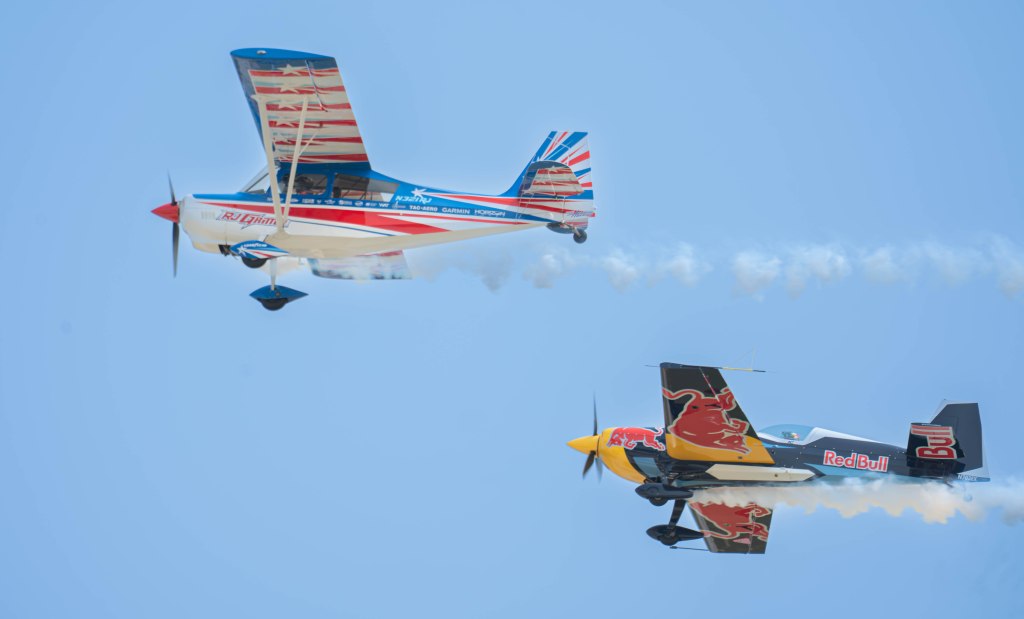
Circling around them were the two stunt pilots, Kevin Coleman and RJ Gritter, who were slated to fly later in the day. They helped escort the C-47 up and gave the crowd a sneak preview of what was in store later in the day.
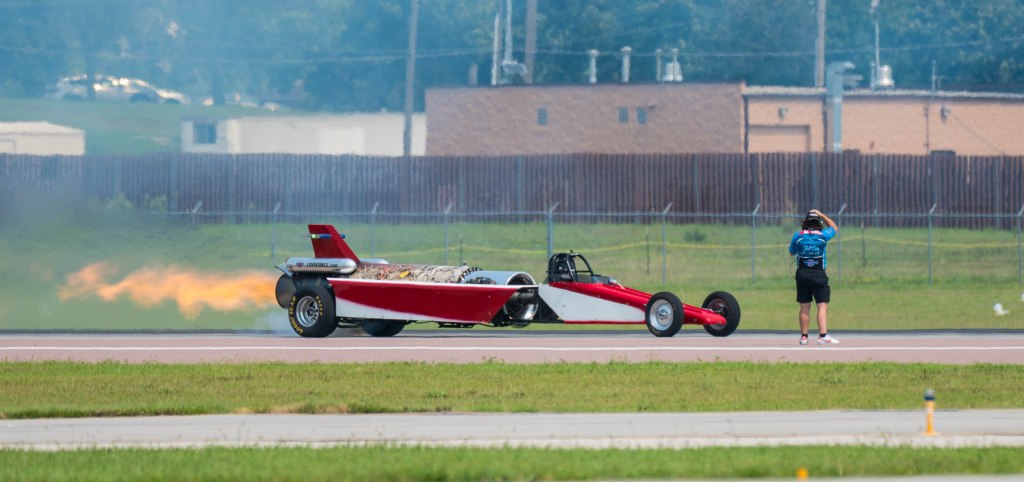
While the Airmen safely reached the tarmac and were packing up their parachutes, there was a fast—and I mean fast—demonstration on deck. Retired Air Force veteran Bill Braack showed off his jet-engine dragster with the Smoke N Thunder Jet Show.
Topping out at 300+ mph, he was “flying” down the runway with flames trailing out the backside of the jet engine.
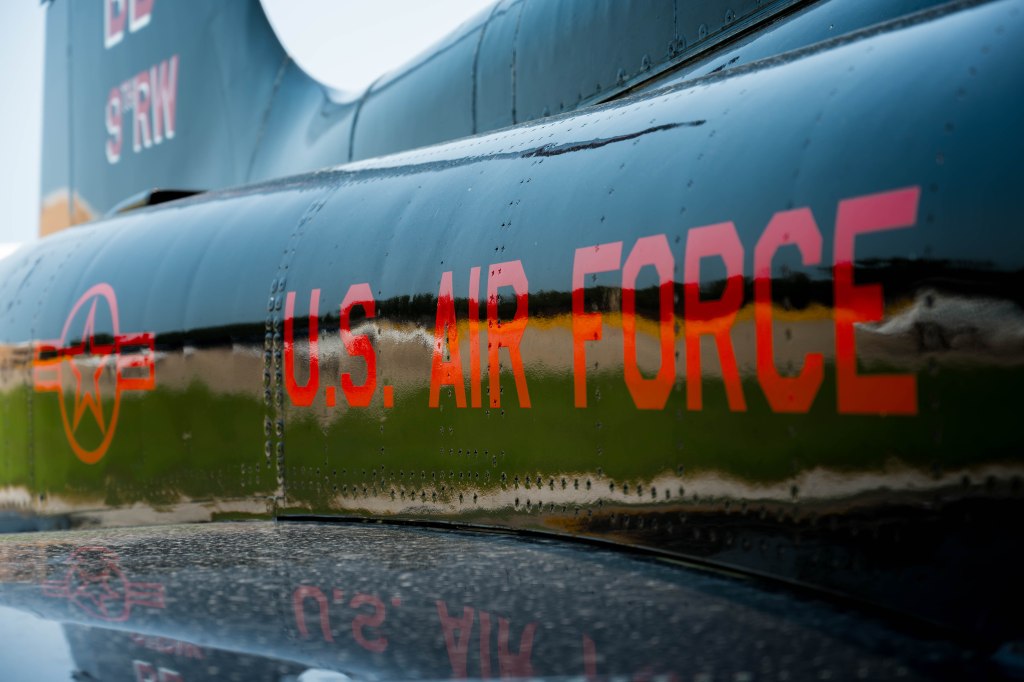
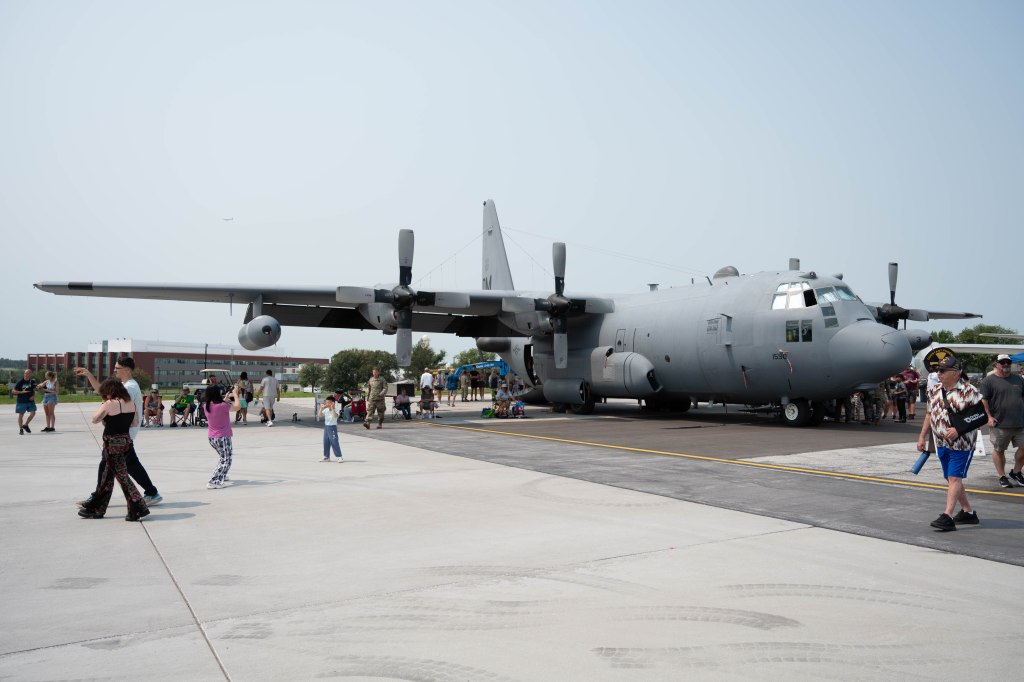
As the crowd waited on the next event, families explored all the different cargo planes, including the C-5, which opens from its tail and also below the cockpit. The AC-130 was quite the hit as well, with a line out the door all afternoon, as it is expected to be retired from the fleet in the coming years.
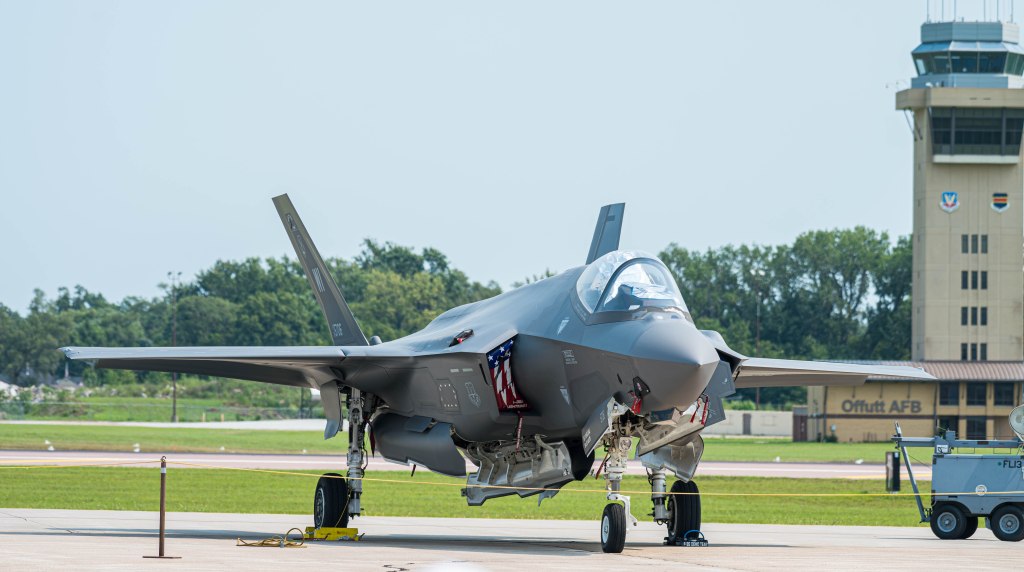
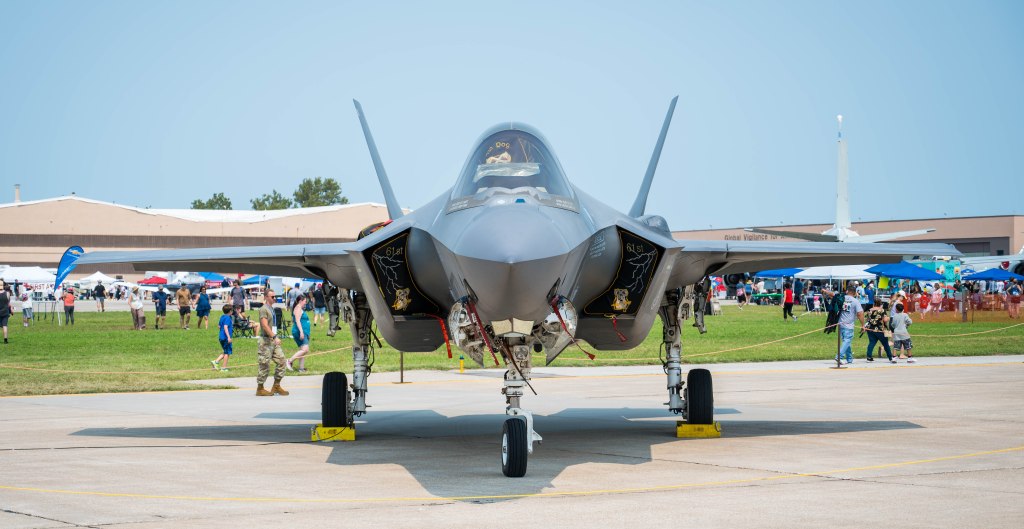
On display were also some fighter jets, ranging from the F-15 to the newer F-35.
Some pivotal planes in pilot training, like the T-38 Talon and T-6 Texan II, were also on display.
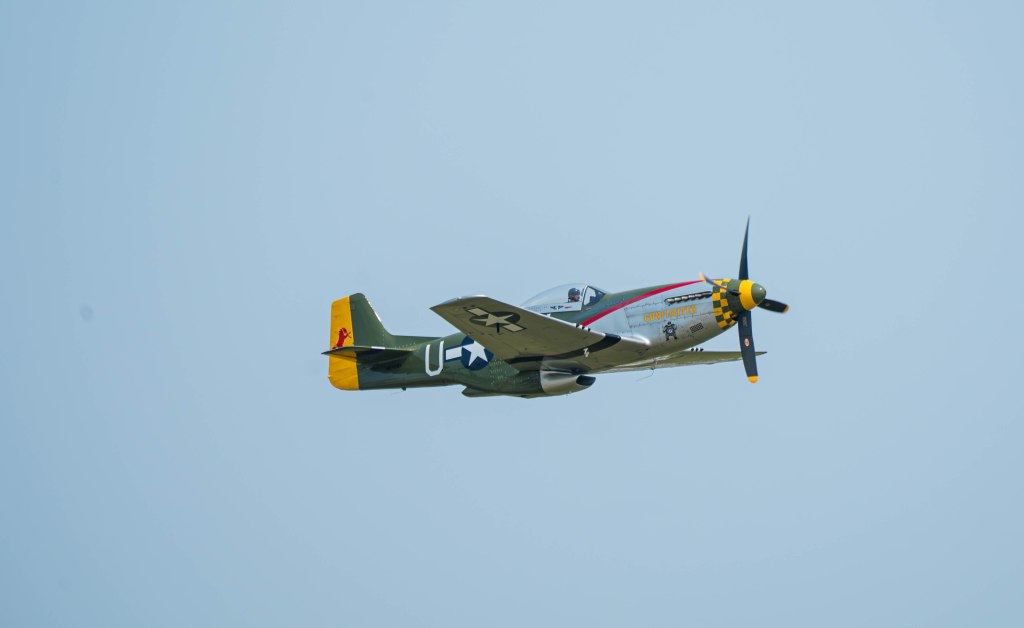
You also could view one of the earlier biplanes, like the PT-17 used in WWII, or the P-51 Mustang.
Once the runway was cleared from the Smoke N Thunder Jet Show, the P-51 Mustang took flight, showing what our early fighter pilots were capable of. The P-51 was used to escort heavy bombers from Berlin and back, earning its nickname, “The Gunfighter.” Built with a Rolls-Royce engine, it was known as one of the fastest planes of its time, with a noticeable sound produced by that V-12 motor. Most notably, the aircraft was flown by the iconic Tuskegee Airmen.
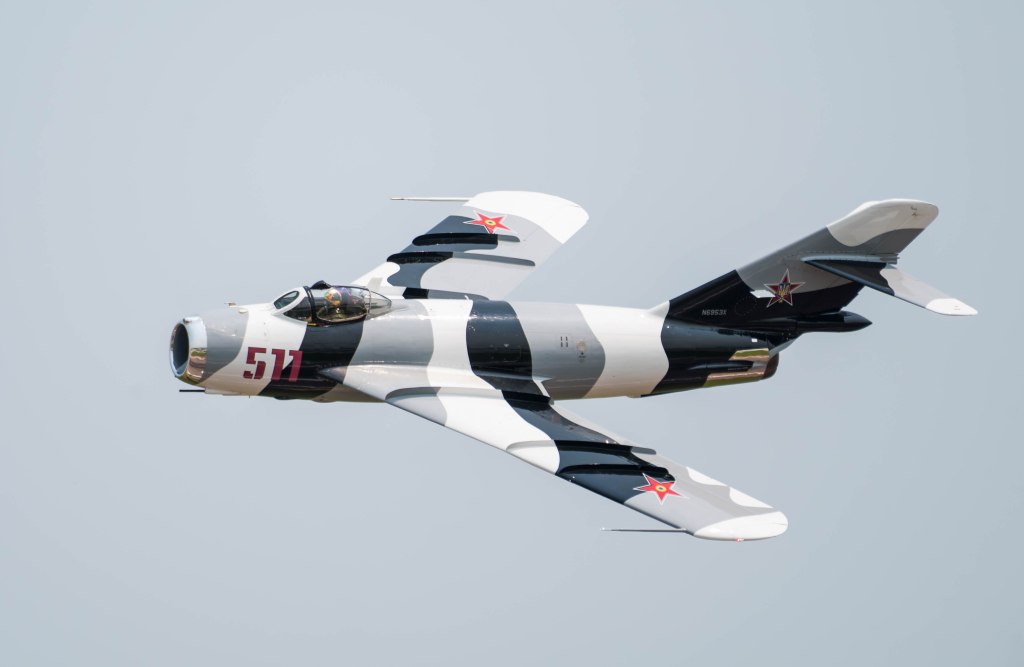
Up next was the MiG-17. This plane was actually developed by the Soviets but played a huge part in our history, as the United States got our hands on one secretly in the 1960s to help train our pilots to defeat enemies flying the MiG-17. The MiG-17 was able to outmaneuver our jets at that time and made it difficult for our pilots to shoot down enemies, so the government got its hands on one. It played a pivotal role in training our pilots in the famed F-16s to know how to stop the enemy.
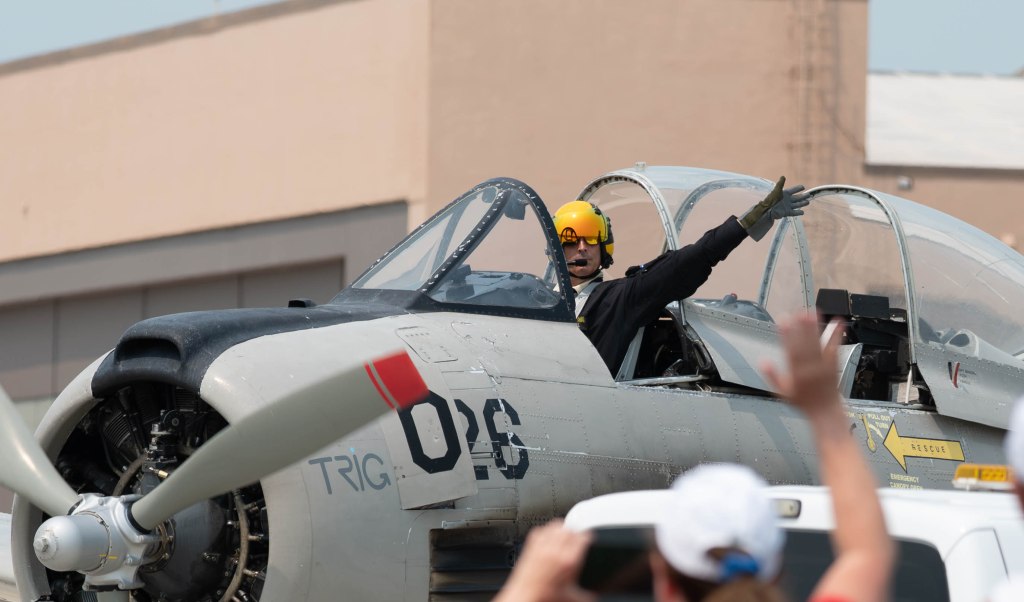
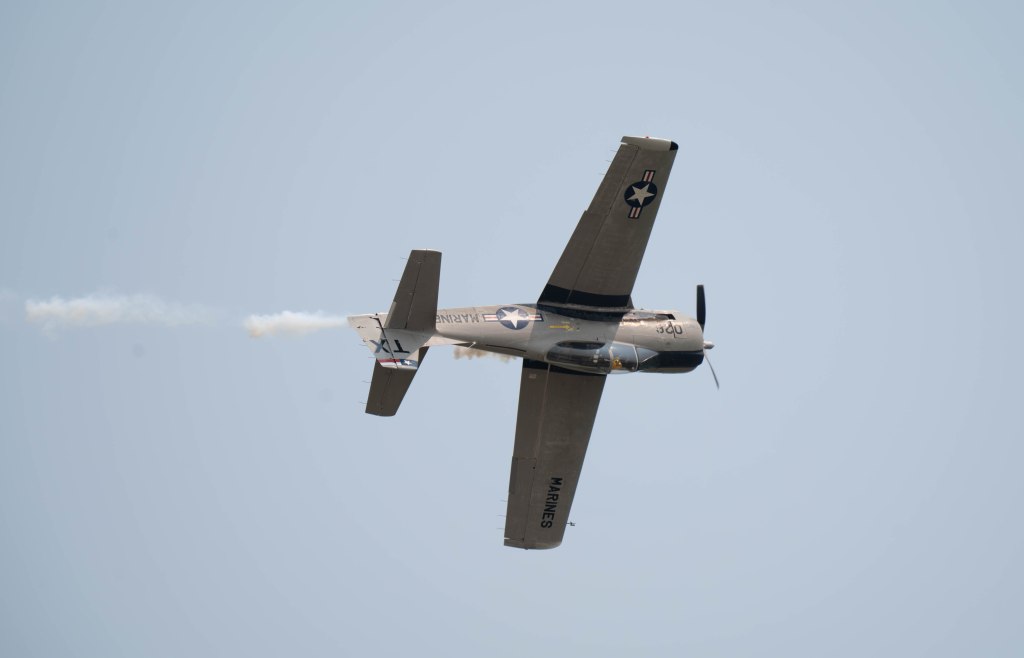
The Trojan Phlyers took flight next, showing off their T-28 Trojans. Flying all the way from Texas, the duo showed the aerobatics and capabilities of these planes from this era.
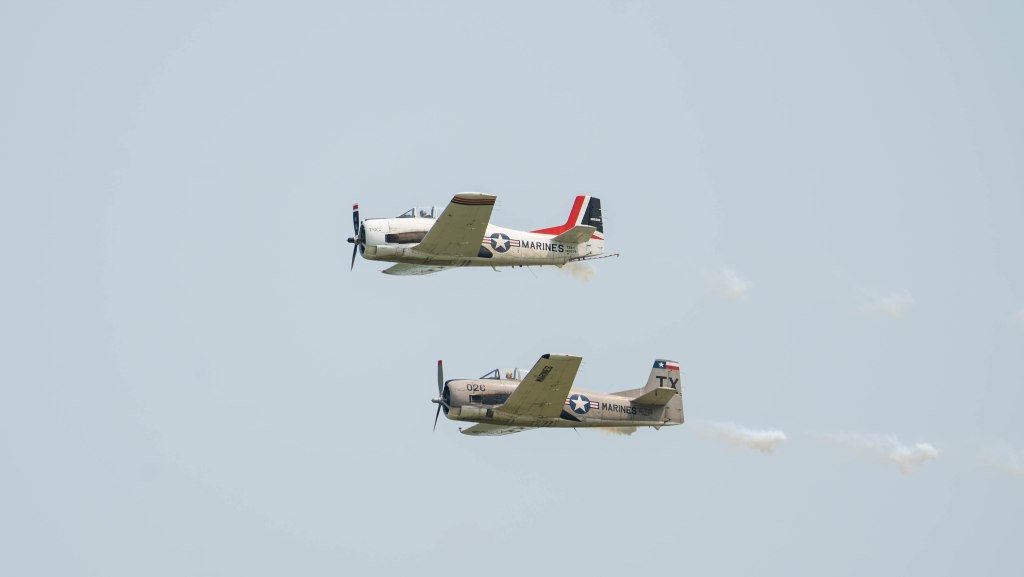
Built in the late 1940s, these planes bridged the gap between single-piston engines and jet engines. They went on to be primarily used in the Vietnam War and would go on to be pivotal military trainers.
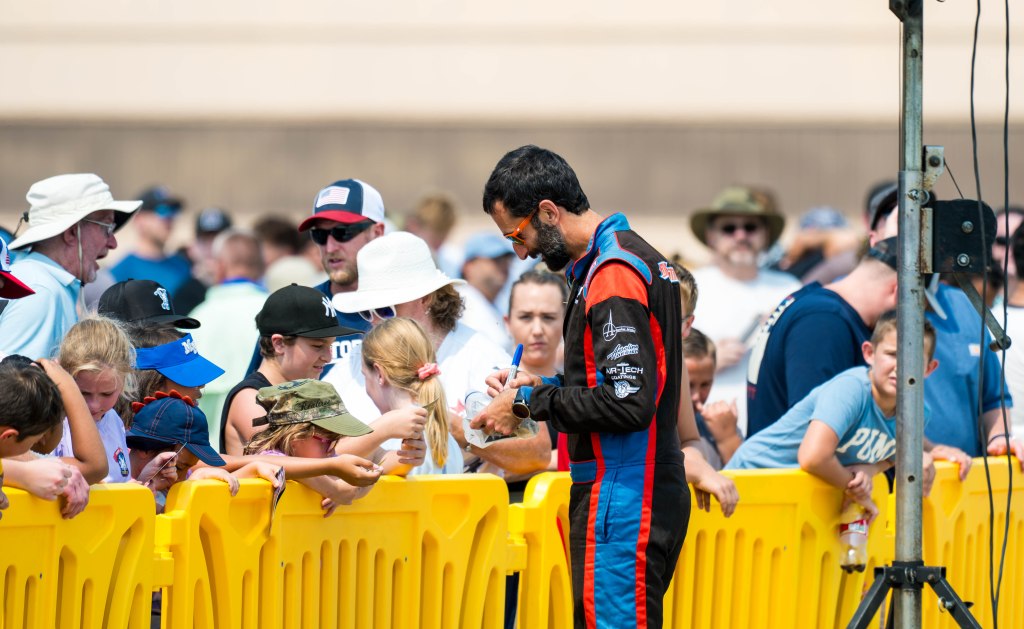
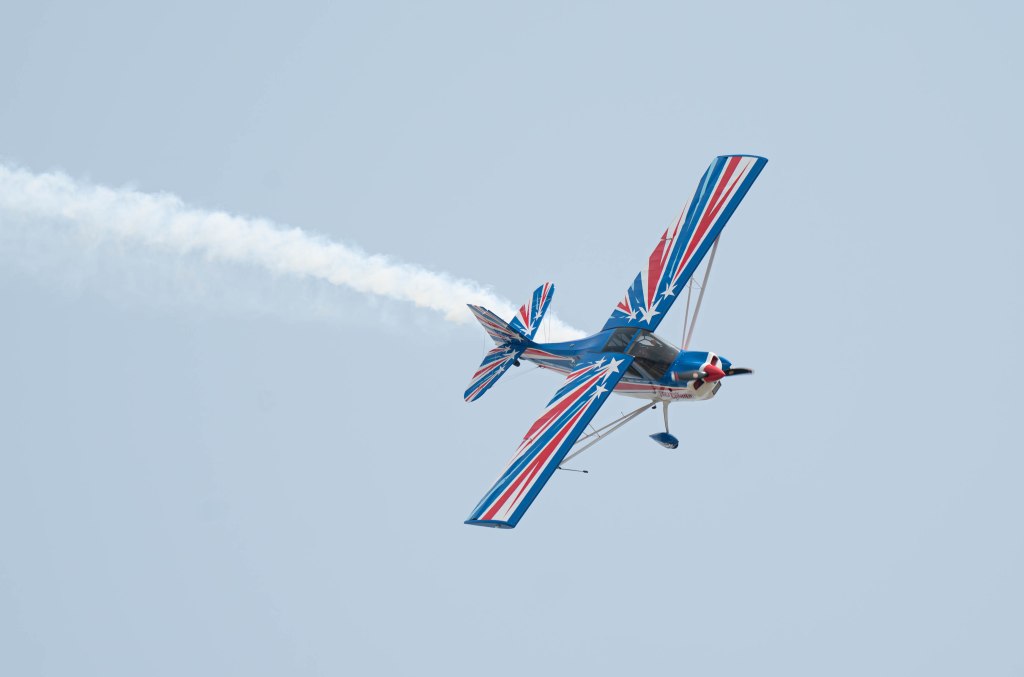
Now it was time to take a break from the history of the United States and be thrilled by RJ Gritter, who is a stunt aerobatics pilot. Defying gravity at times, flying upside down and twirling the plane as if it were flailing back to the ground, only to regain control at the last second, had the crowd on their feet, enamored with every move.
After his death-defying moves, and just when we thought that was it, Kevin Coleman, with the Red Bull stunt plane, took flight and demonstrated his incredible aerobatic skills. Kevin pushed the limits of his plane, flying giant loops upside down and straight back toward the ground, only to turn back to the skies, all while upside down. Showing off a move of stalling his plane vertically and flying it as if it were a helicopter was just incredible.
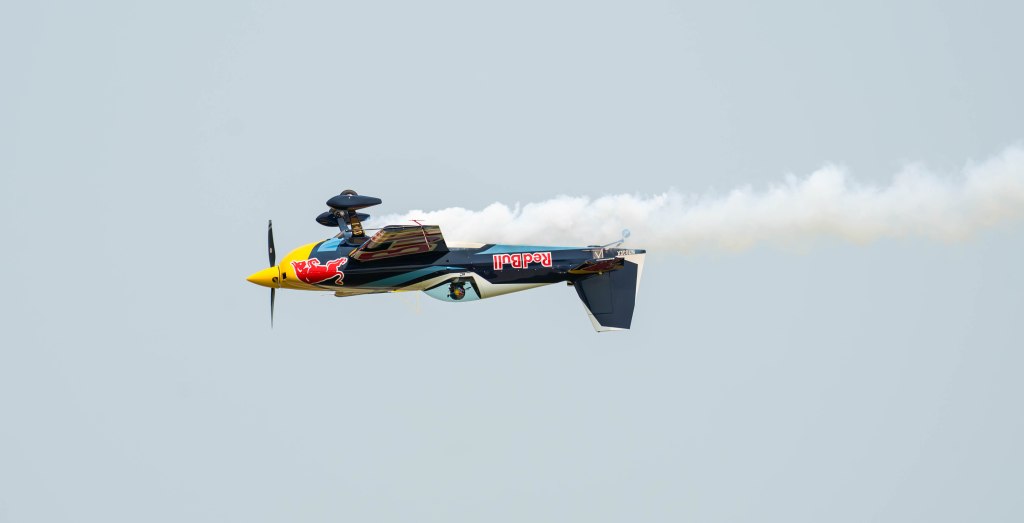
Capping his performance, the Smoke N Thunder drag car came back out and raced Kevin Coleman down the runway to see which was faster in the time-old classic: car vs. plane—leaving no one a loser in this race!
As it was almost time for the main acts, with the F-35 Demo Team and TORA! TORA! TORA!, the jets were getting warmed up. The Air Force Academy’s Wings of Blue took to the skies again, demonstrating their impressive maneuvers while falling from the sky and their precision when it comes to landing.
The F-35 was certainly what the crowd was waiting for all day. Roaring on takeoff, the crowd stood on their feet as you could only stand in awe, knowing this all-capable fighter jet protects our skies across the country.
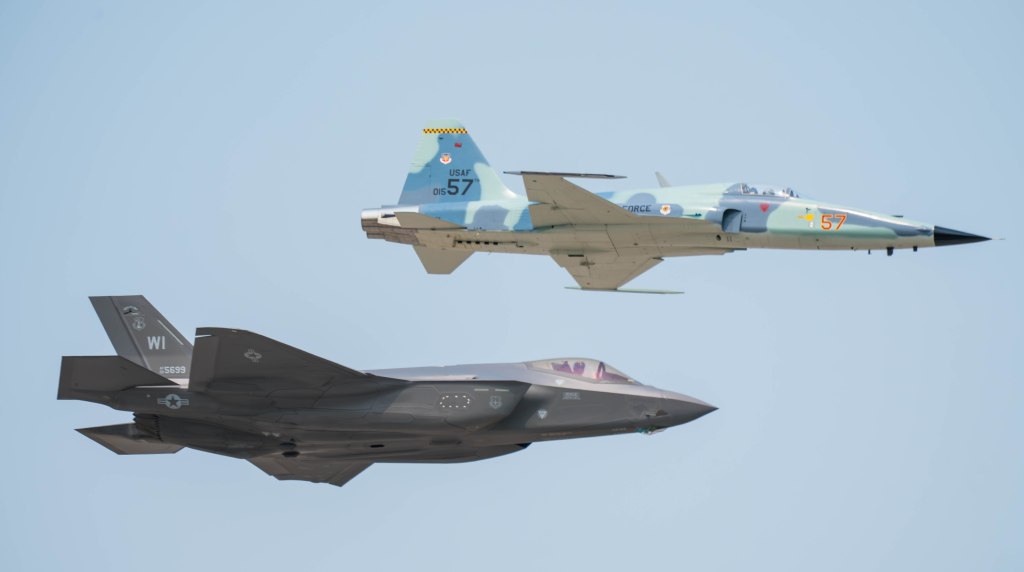
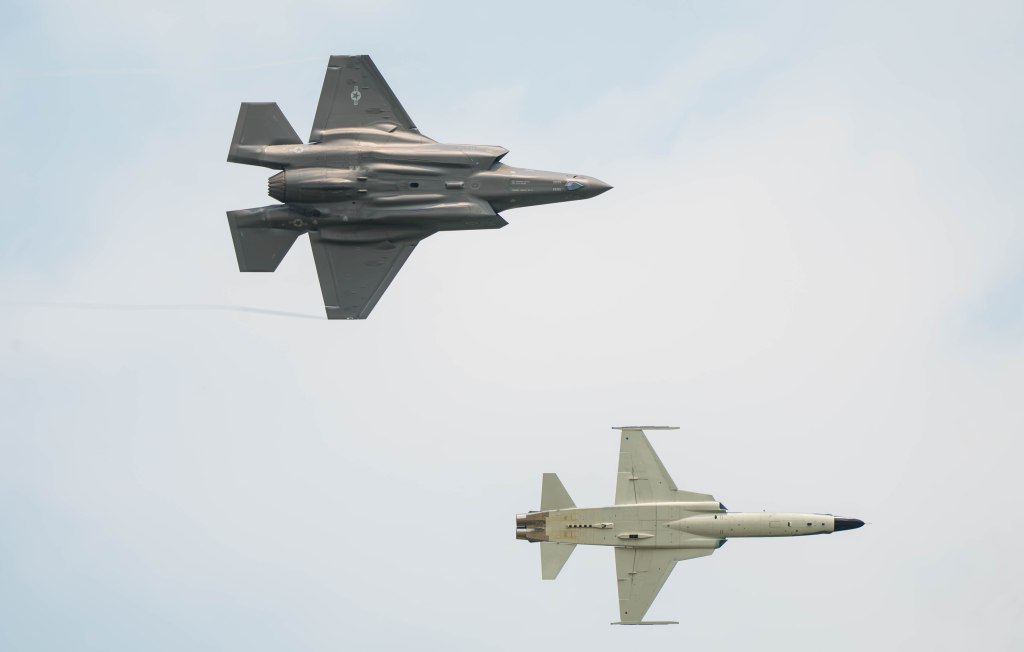
The F-4 Phantom also took to the skies as they flew wing to wing, demonstrating how far our planes have come from a Vietnam-era jet to today’s engineering feat.
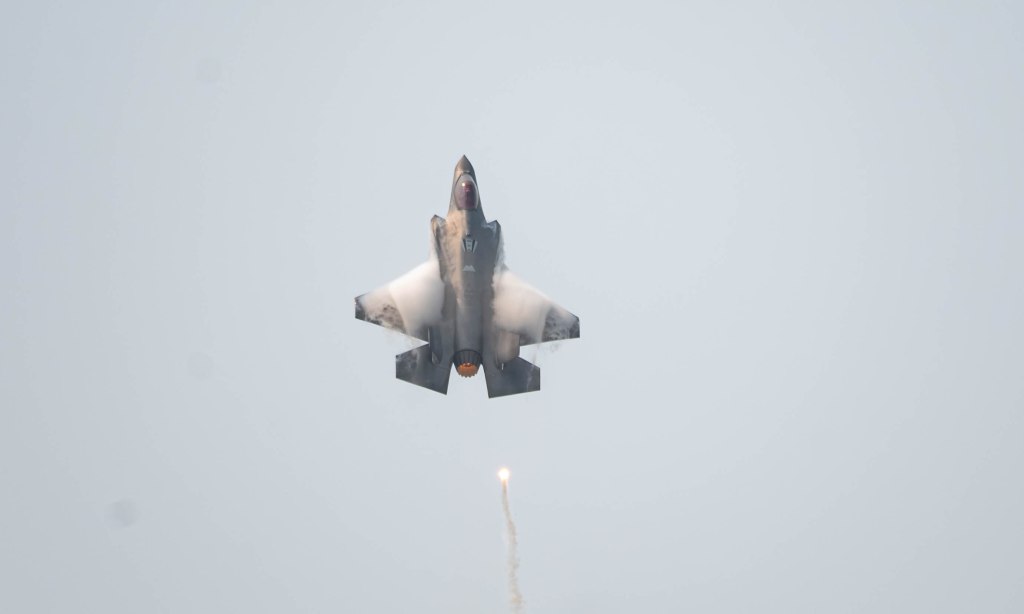
Once the F-4 took a few laps and landed, the show was on with the F-35 Demo Team. Showing how versatile, fast and agile this modern marvel is, the team demonstrated fast passes and hard-banking maneuvers, releasing flares as if a missile was tracking it.
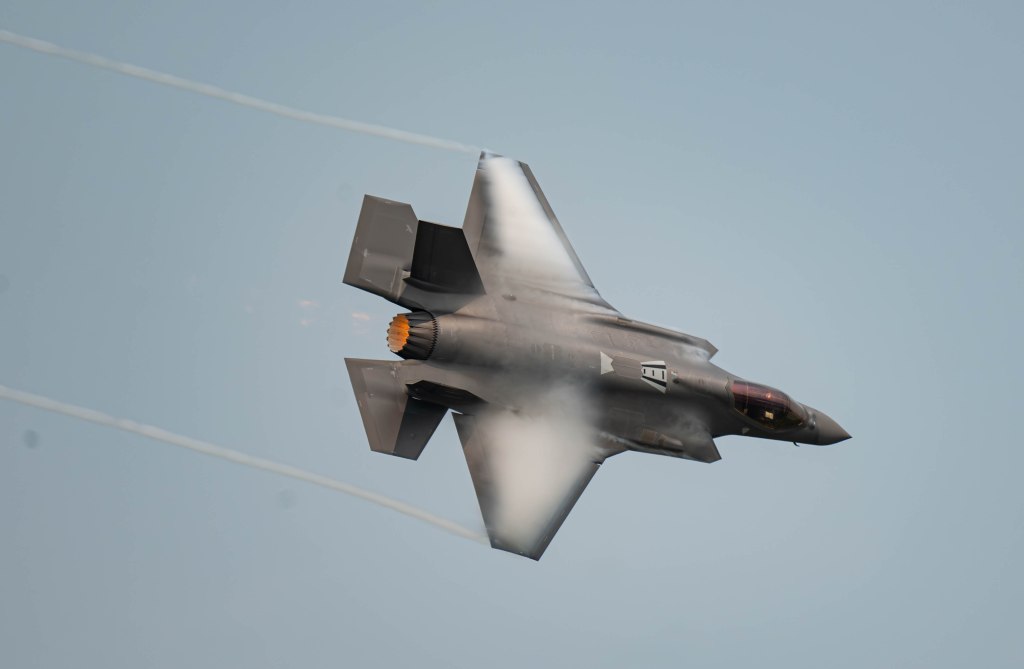
A few passes showed where the missile would be stored if equipped. Watching the remarkable turns at such high speeds, seeing the air vapor over the wings and cockpit, was nothing more than stunning.
Though not as fast or agile as the smaller F-22, it is built for a wider variety of missions. That being said, it is still able to almost hover and take off at a remarkable speed.
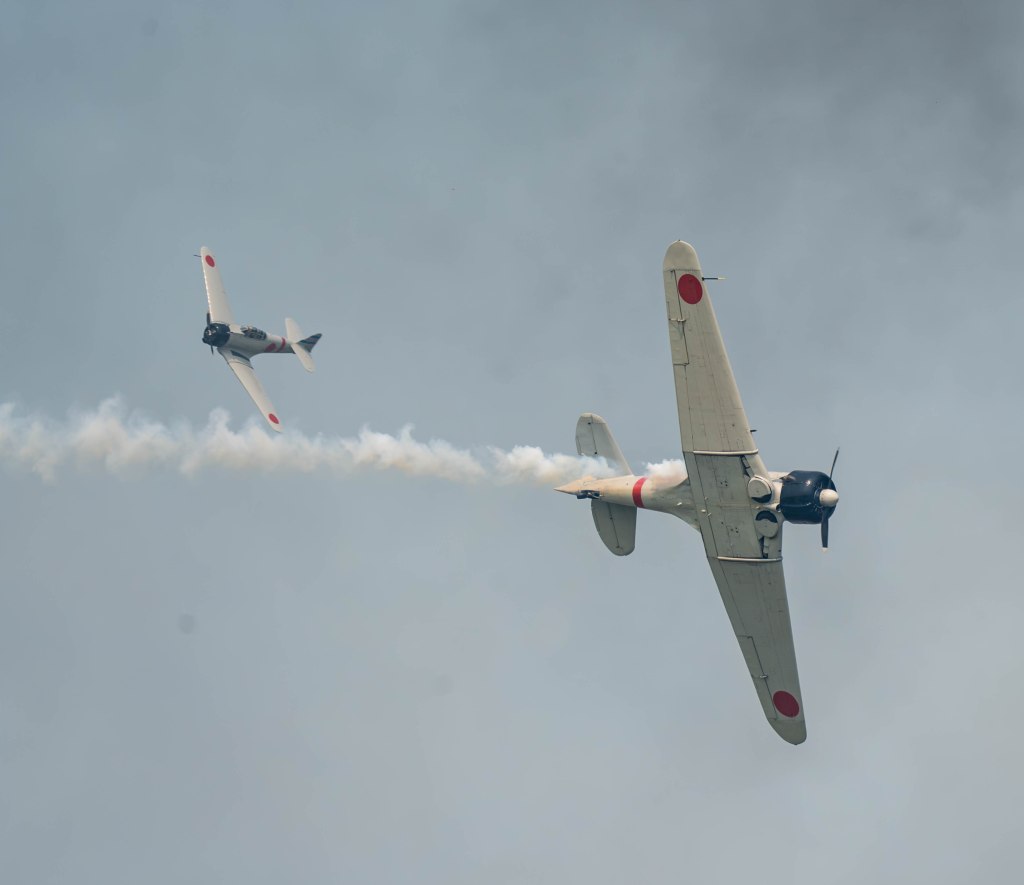
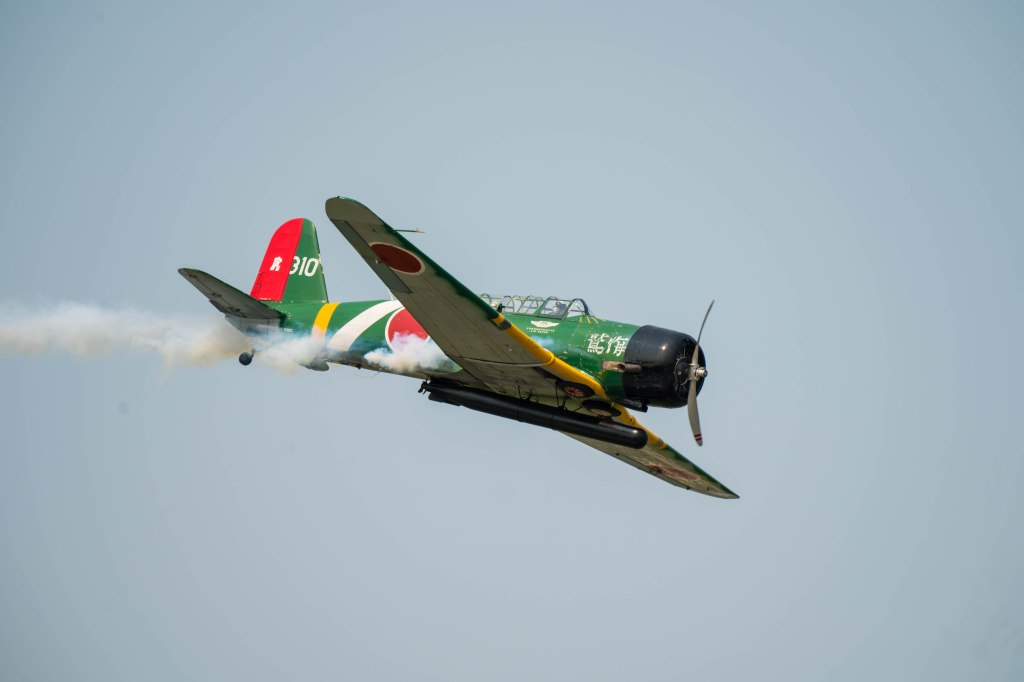
After the demo team was done, there was only one act left that people had been waiting for: TORA! TORA! TORA! This performance brought people back in time to what it was like in 1941 during the attack on Pearl Harbor.
With the incredible pyro team, they were able to mimic bombs being dropped and gunshots ripping the ground as the fighter pilots made pass after pass as if they were bombing Pearl Harbor.
The show put quite a bang to end the afternoon.