By Marisa Dawson
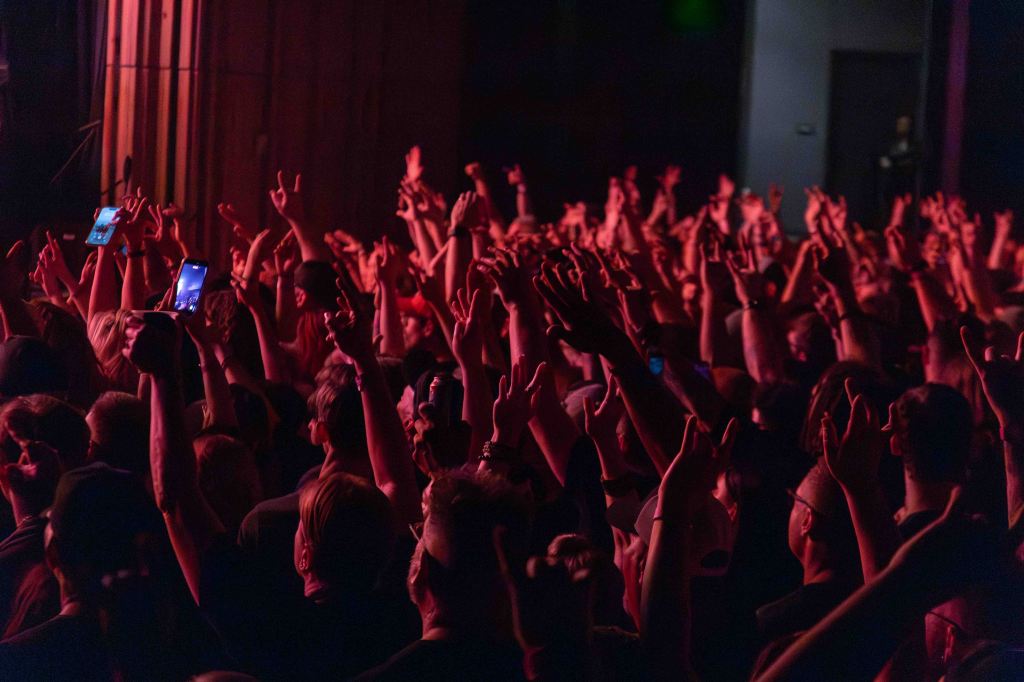
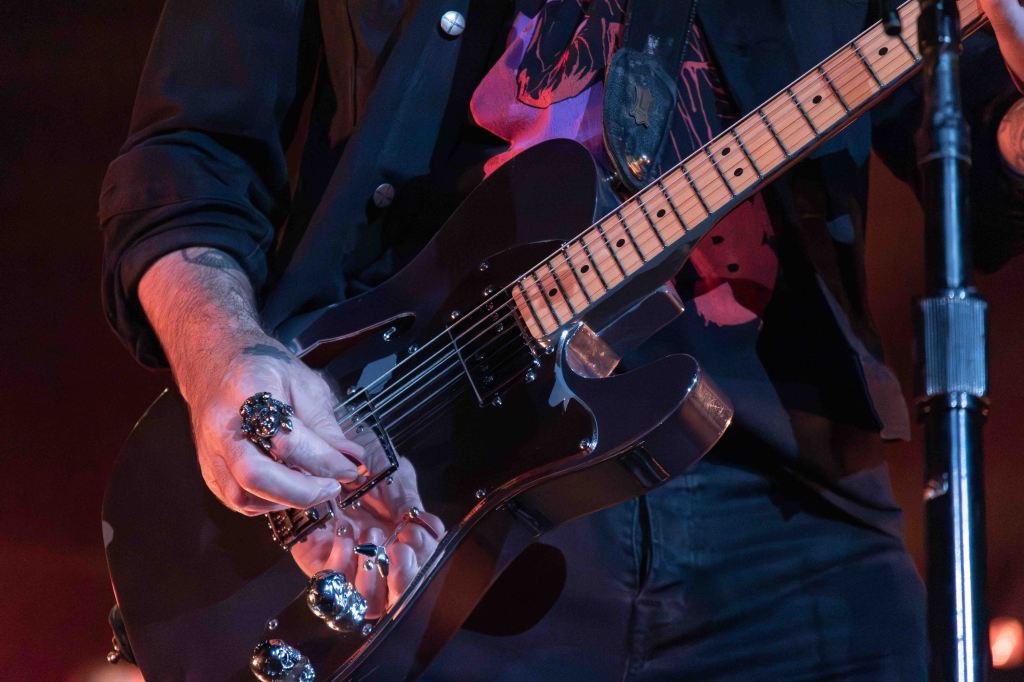
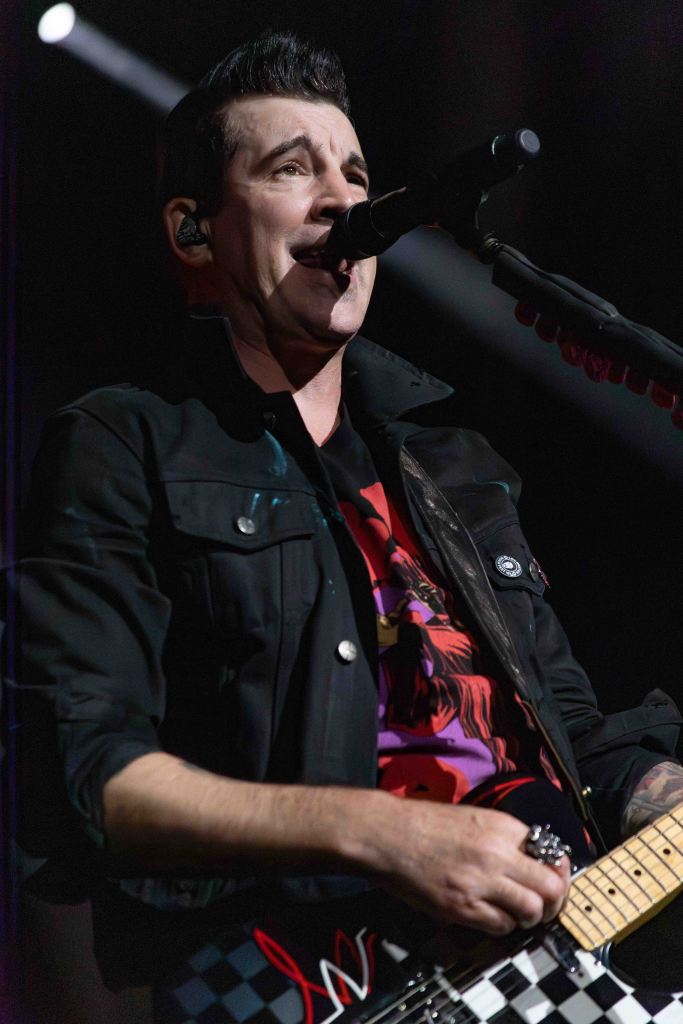
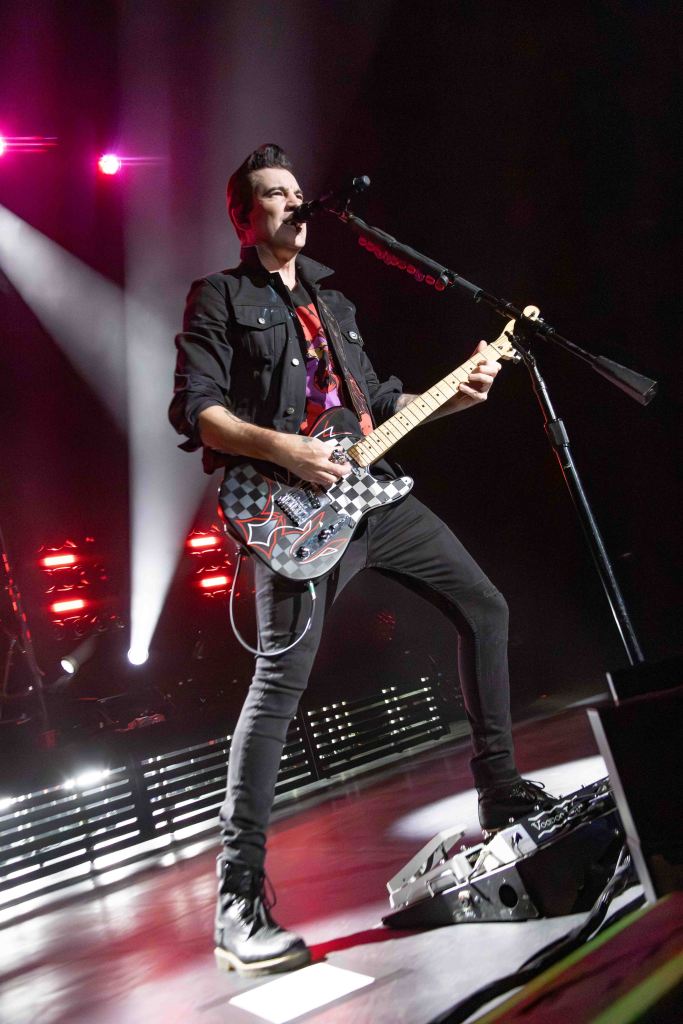
La Vista was turned into a hard-rock playground Sunday night as Theory of a Deadman, Sevendust and Return to Dust brought The Dead / Seven Tour to The Astro Theater.
The Aug. 9 show packed three distinctly energetic acts into one night, moving from the rising Los Angeles rockers of Return to Dust to veteran hard-rockers Sevendust before Theory of a Deadman closed the night with a set filled with familiar favorites, covers and an impressive light show.
The show was part of the bands’ 2026 tour, which continued through the Midwest following stops in Duluth and Rochester and would move on to Fargo and other cities.
For Return to Dust, the La Vista performance represented another step in a rapid climb that has taken the young band from small rooms to major stages.
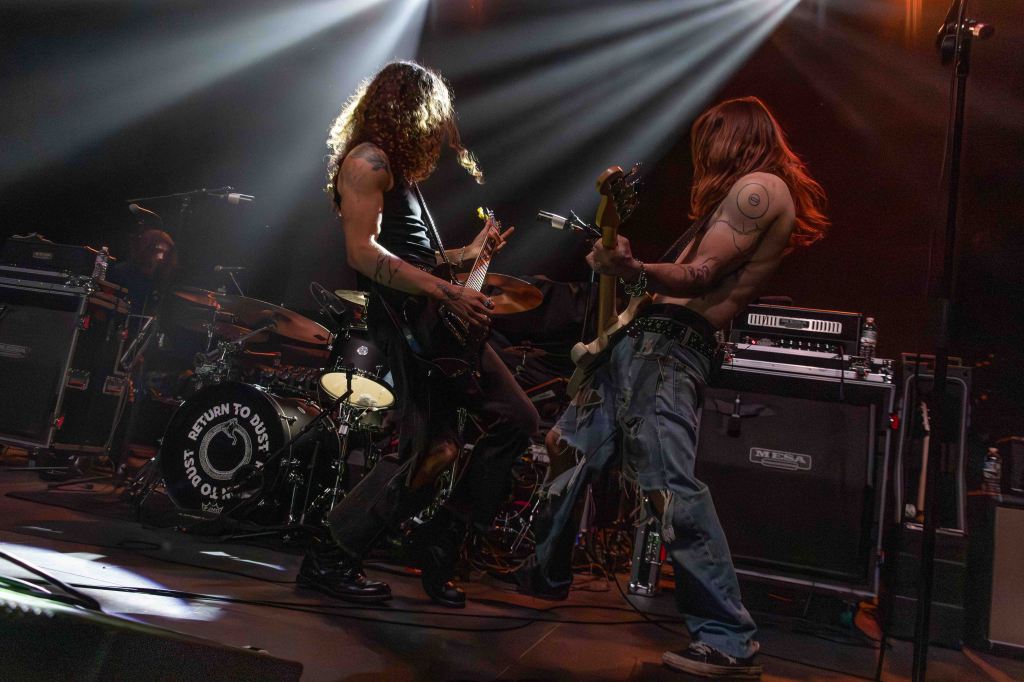
The Los Angeles group (Matty Bielawski, Graham Stanush, Sebastian Gonzalez and London Hudson) formed in 2022 and has built a sound rooted in ’90s grunge and alternative rock while intentionally pushing beyond simply recreating that era. The band released its self-titled debut album in 2024 and followed it with the Speak Like the Dead EP in 2025.
That evolution was particularly noticeable in the live setting.
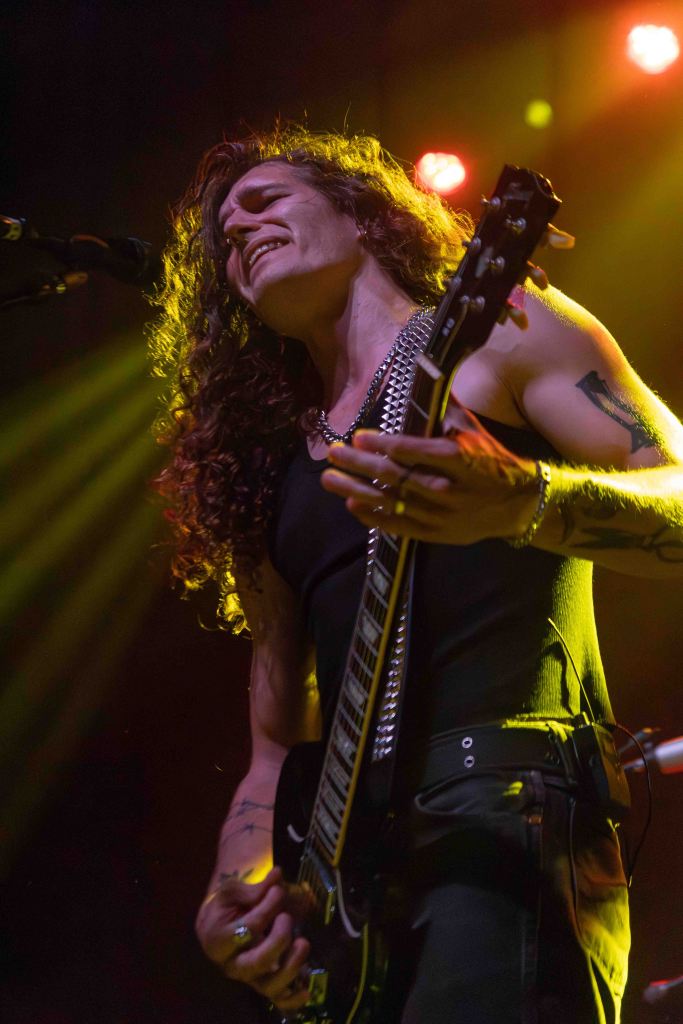
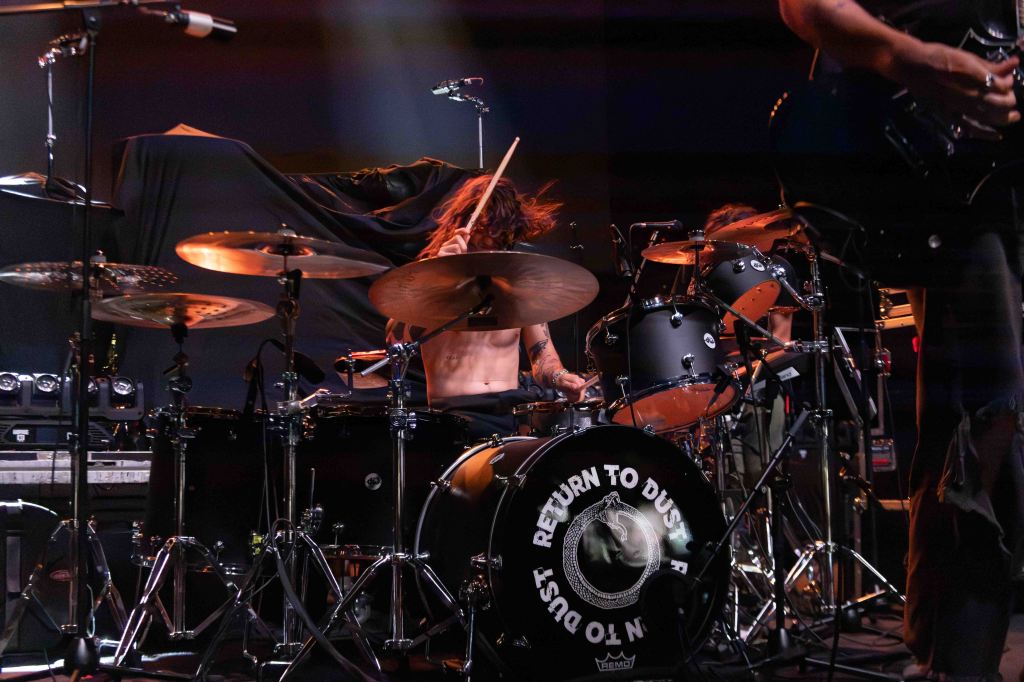
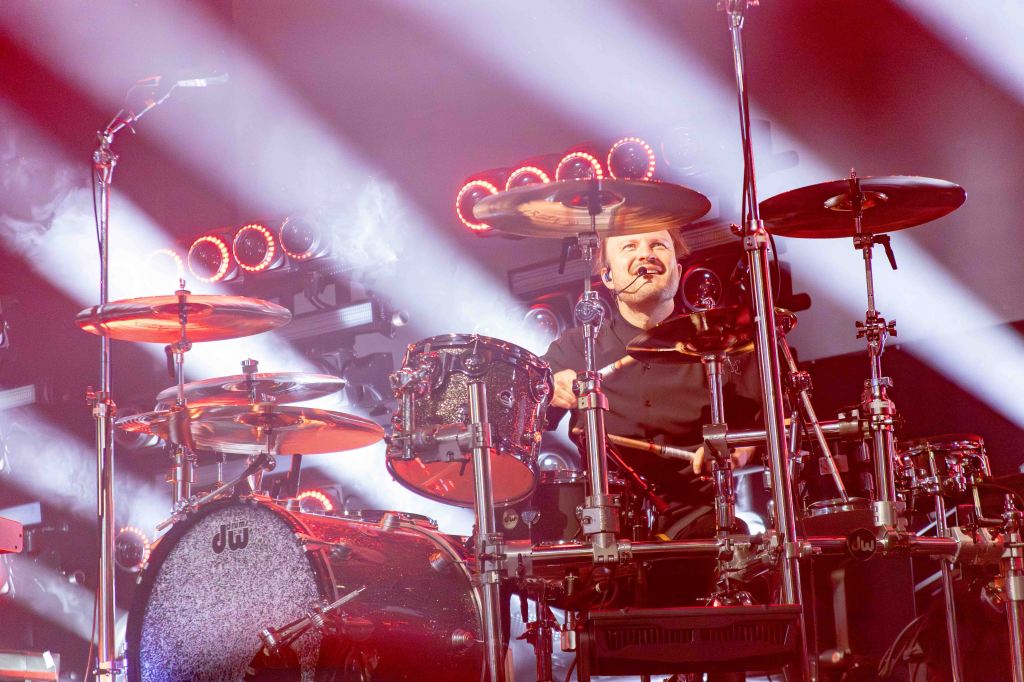
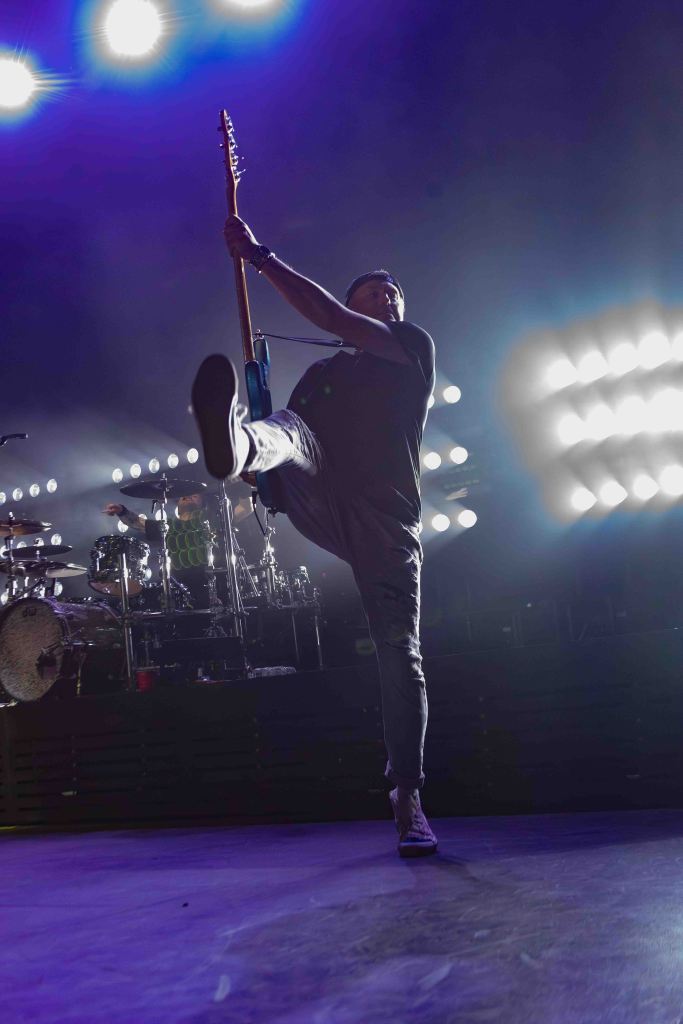
Return to Dust immediately brought an energetic stage presence to The Astro, with the four members constantly moving and engaging with the crowd. This took place just days after their opening set for Yungblud at Stir Cove in Council Bluffs. By the time the band stepped on stage the audience was already fully invested, with fan favorites like “New Religion” and “Bored” included in the set. An impressive drum solo from Hudson opened the latter.
The set closed with “Belly Up,” sending the pit into a frenzy as the entire area jumped along with the band.
Before the show, the members reflected on just how much has changed since a previous Omaha-area performance nearly two years ago at Reverb Lounge, a much smaller room where the band was still early in its touring career.
“We’ve just toured so much more now,” Bielawski said. “I think we’ve done like over 300 shows or something since then.”

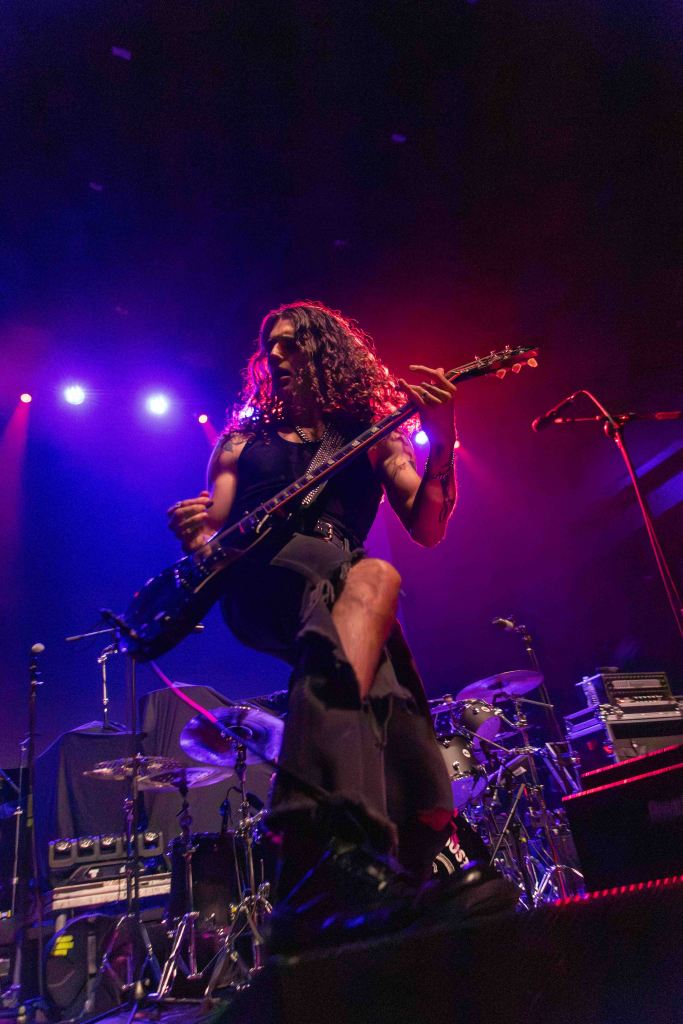
That experience has changed the band’s confidence onstage, he said.
“I feel very comfortable on stage now compared to that show we did,” Bielawski said. “I mean, it’s just different. We just play so much tighter now and it feels like a band.”
That comfort extends beyond the stage. When asked what they had learned about each other after spending so much time on the road together, the members initially responded exactly like a group of friends who have spent far too much time together.
“Matty moans in his sleep,” Hudson said, prompting a round of laughter and further teasing about sleeping habits, morning moods and who gets cranky when it’s time to eat.
But beneath the jokes was a genuine appreciation for the relationships that have developed through years of touring together. The members talked about sending each other songs and musical ideas while on the road, using those exchanges to stay inspired until they can return home and write and record together.
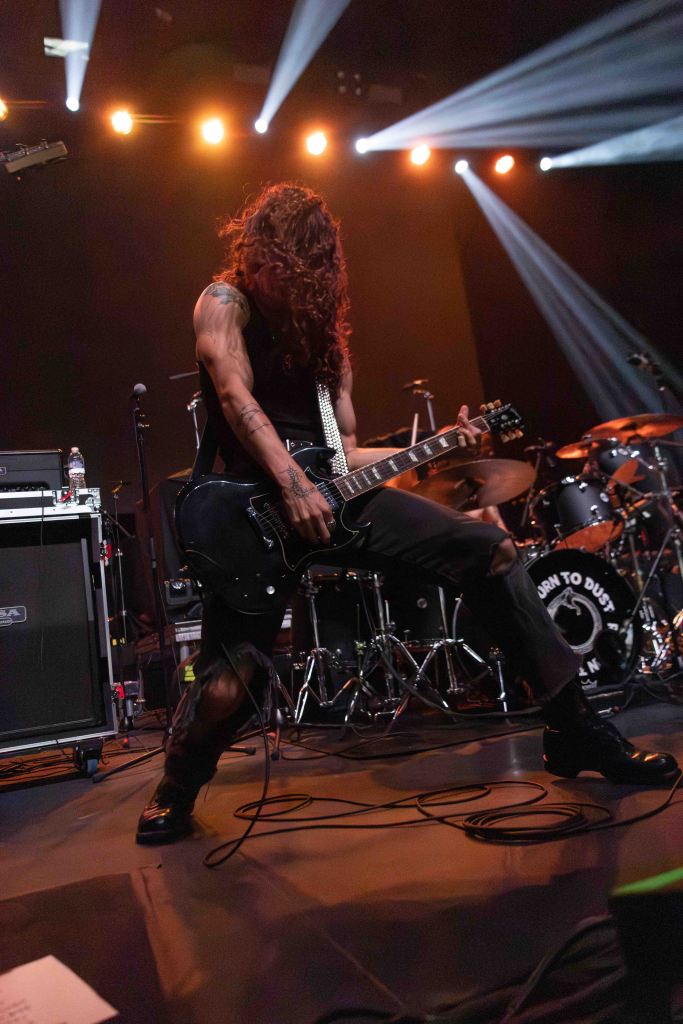
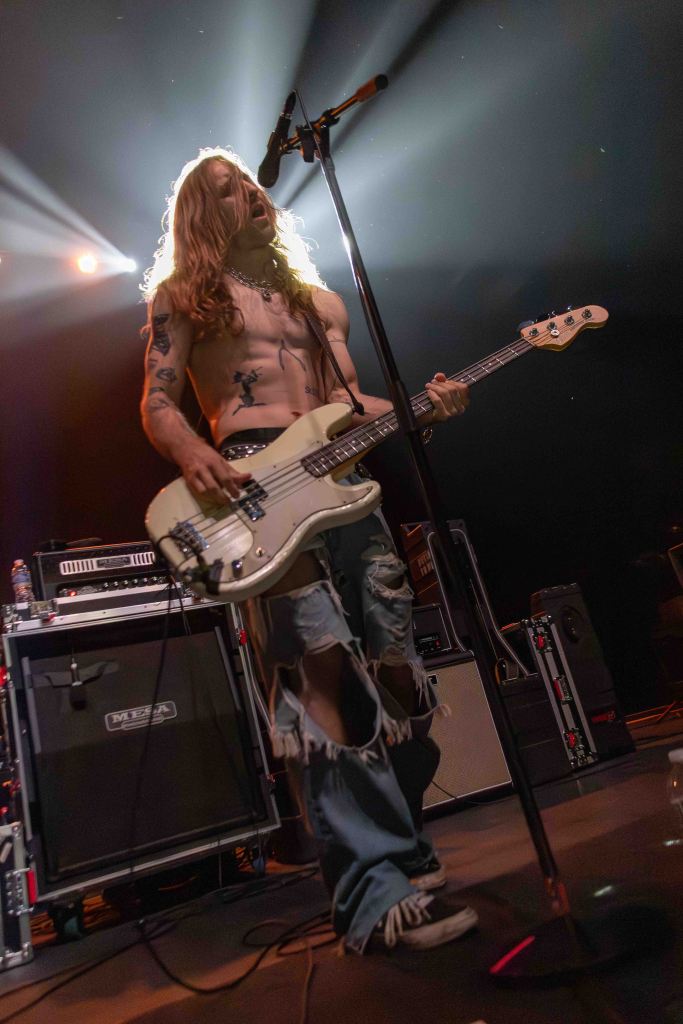
“It’s like looking through an old journal,” Bielawski said of digging through Graham’s thousands of voice memos. “Sort of diary entries in a way,” Stanush agreed.
For a band that spends much of its year traveling together, that camaraderie appears to be an important part of what keeps the four musicians creatively connected, even if that connection occasionally means knowing far too much about each other’s sleeping habits.
The larger stages have also given the members more freedom to let loose. “A lot more room to mess around all over the place,” guitarist Sebastian Gonzalez said.
The members also said playing hundreds of shows has encouraged them to keep experimenting with their performances rather than simply repeating the same routine every night.
“I think there’s something to be said about playing so many shows where it’s like you start to get tired of your own performance and you try and think of new things to make it exciting,” Stanush said. “A lot of that has happened.”
“We switch things up every night,” he added.
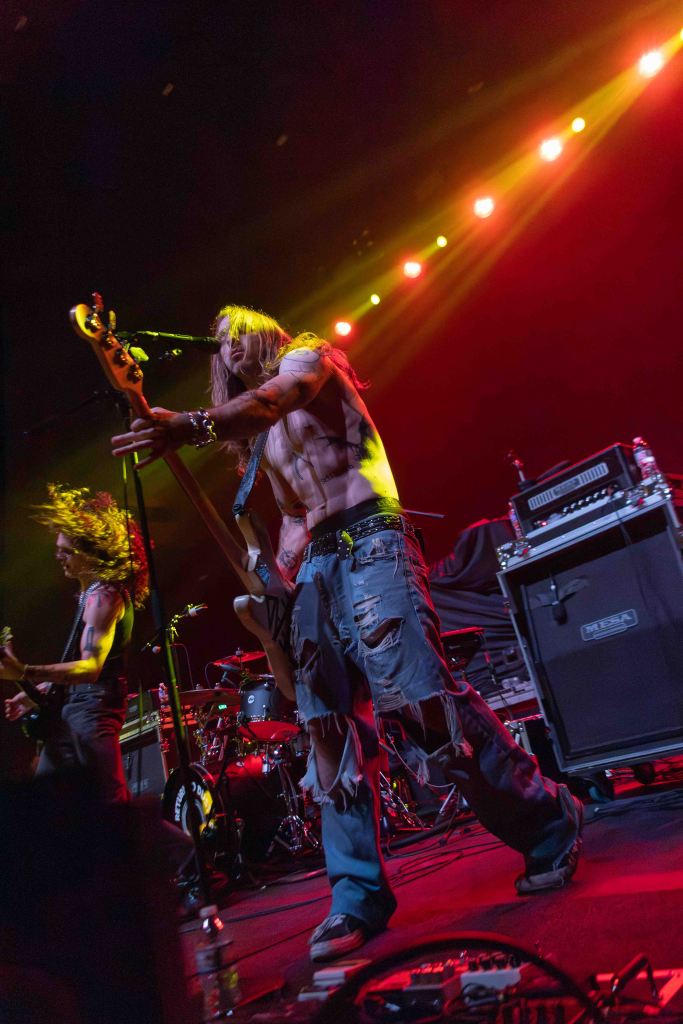
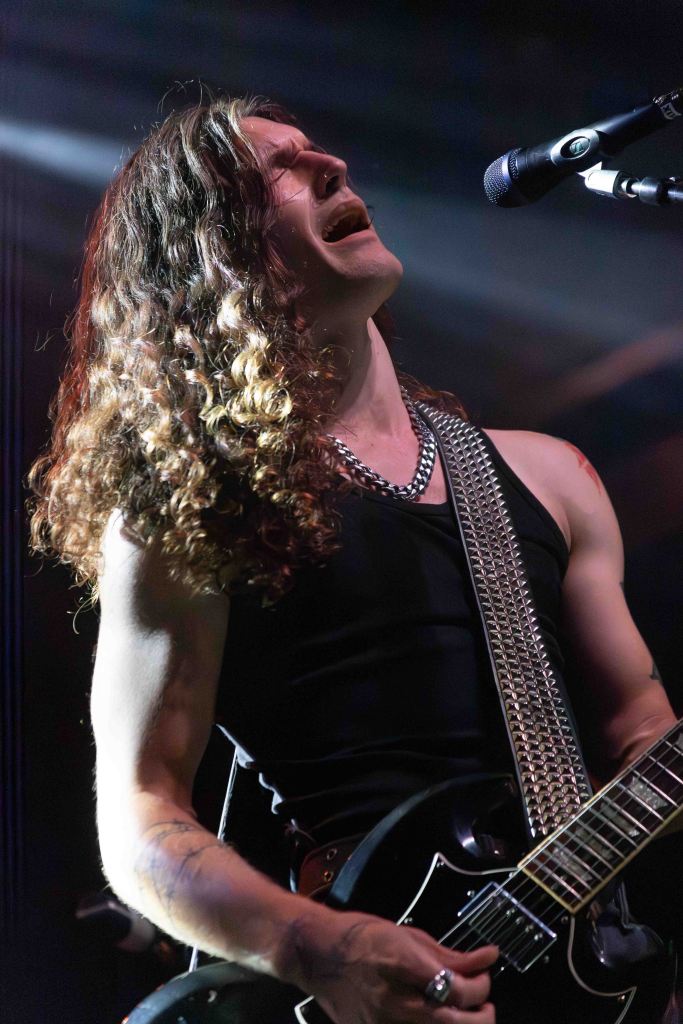
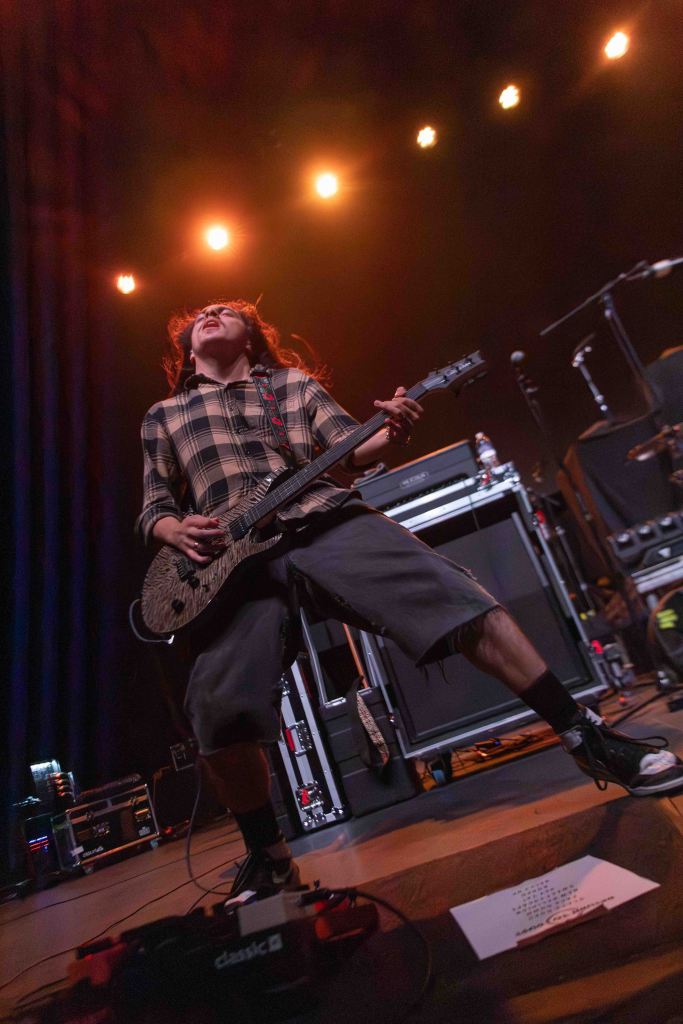
That willingness to experiment also carries over into the band’s songwriting.
While Return to Dust has frequently been associated with ’90s influences such as Alice in Chains and Soundgarden, the members said they have no interest in simply becoming a modern recreation of grunge.
“We don’t want to just make Grunge 2.0 or new grunge, as people say,” Stanush said. “We want to just make exciting music.”
“Bored,” which has become one of the band’s most recognizable songs and has made an impact on rock radio, is an example of that approach. The song reached No. 2 on the U.S. Mainstream Rock Airplay chart.
Stanush said there was a feeling early on that the song could become something special.
“There is like a sort of Spidey sense whenever you’re writing and you bring something into the studio… You’re recording it and you sometimes get goosebumps and you know, there’s just these things that kind of click together,” he said.
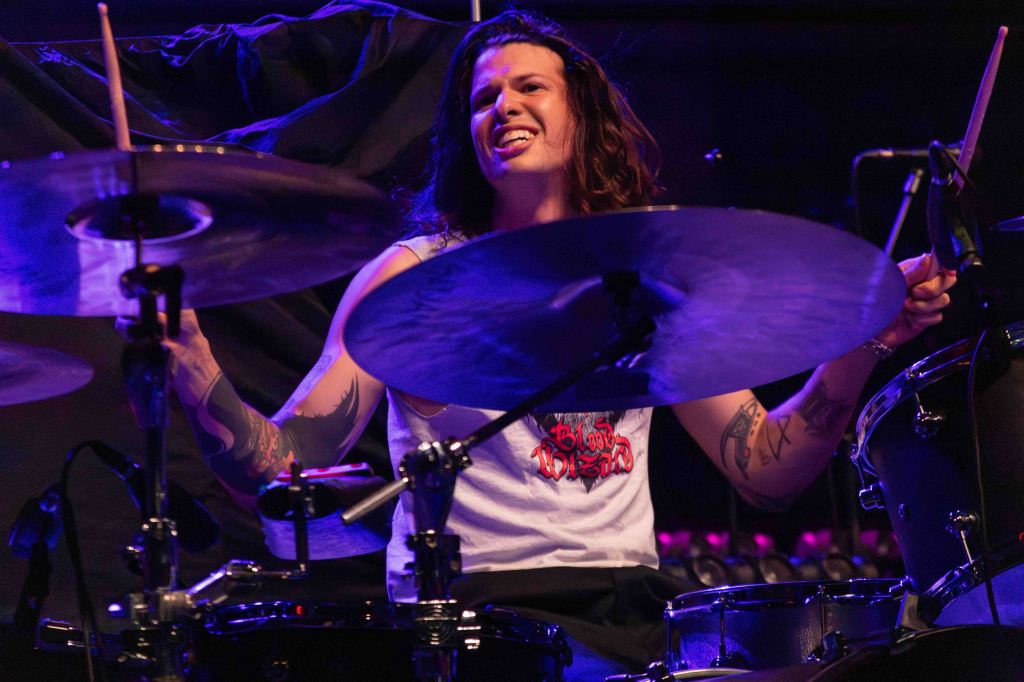
The song originally began as an acoustic idea from Stanush and Bielawski. Their producer encouraged them to write another chorus, ultimately adding the higher vocal section that helped define the finished track.
Return to Dust’s newest material has also shown a willingness to tackle more challenging subjects. Their song “New Religion” generated strong reactions because of its examination of religious belief, something the band members said has not diminished their desire to write openly.
“We have a lot of freedom as songwriters,” Bielawski said. “We haven’t even really pushed the bounds of what we truly believe in, you know.”
He said the band’s upbringing and experiences have influenced its willingness to address difficult subjects.
“How we grew up was religiously strangling, you know, and it was like, other people are going through the same stuff, so hopefully they find something… Some way to connect to that song, that helps them get through something or just be angry at it.”
“Get the conversation going,” Stanush added. “Which is what we want.”
The band’s rapid growth has included major festivals and international touring. The members described moments in Europe, including realizing that people in another country knew their name and music, as surreal reminders of how far they have come.
Yet they still see themselves as being near the beginning.
“I haven’t clocked into a job, like, a proper job in over two years now,” Bielawski said of the realization. “It doesn’t even feel like we’re, you know, even 5% of where we want to be eventually,” he added. “You know, it’s like we’re. I still feel like we’re just starting out.”
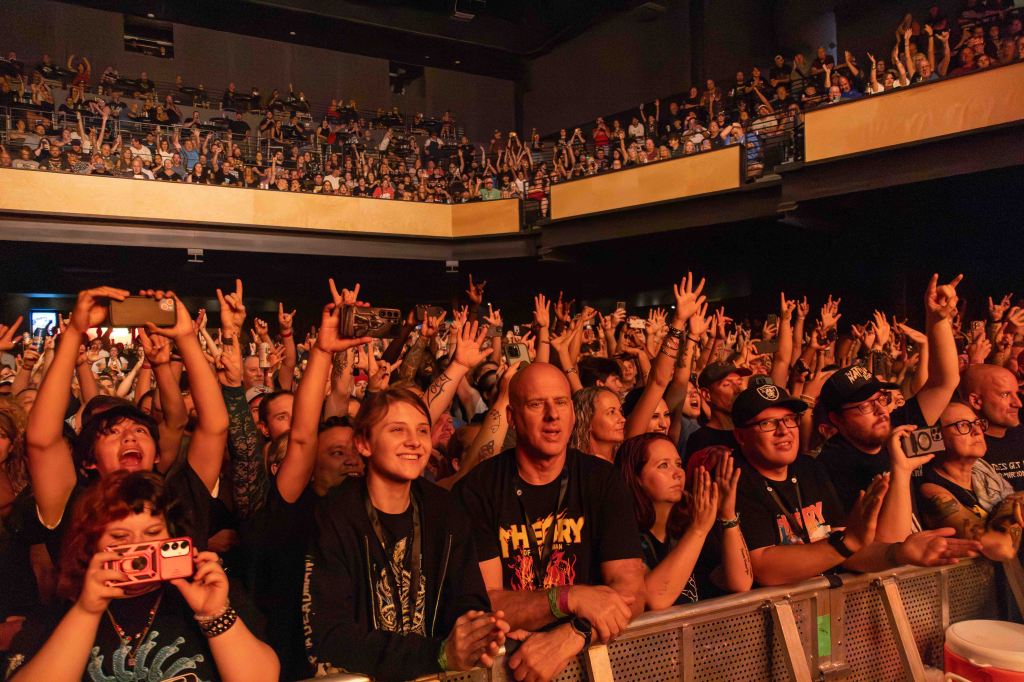
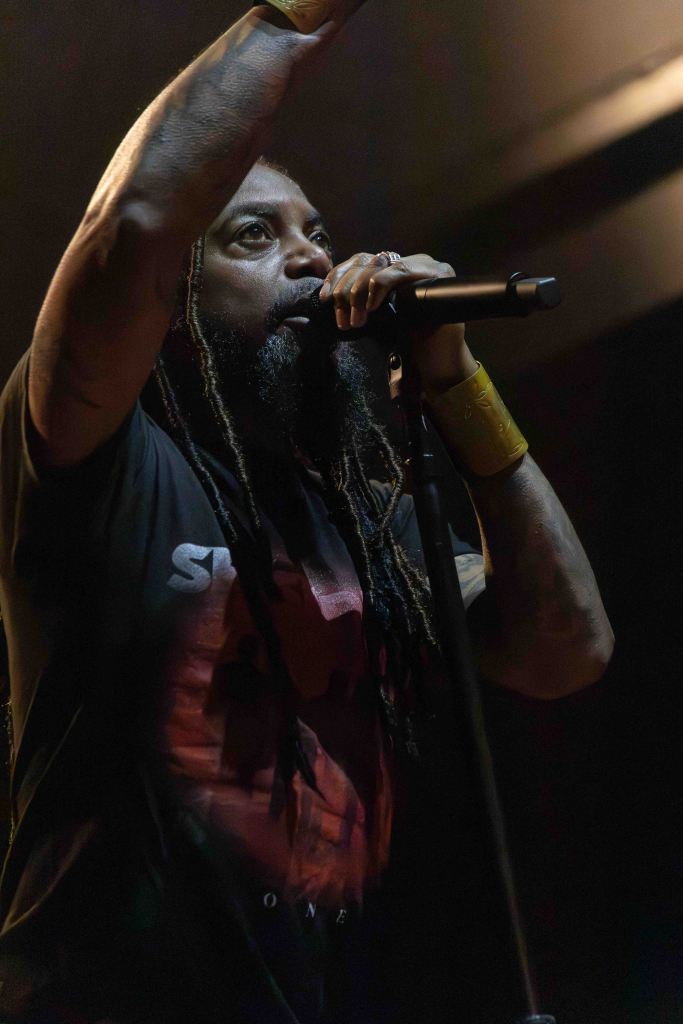
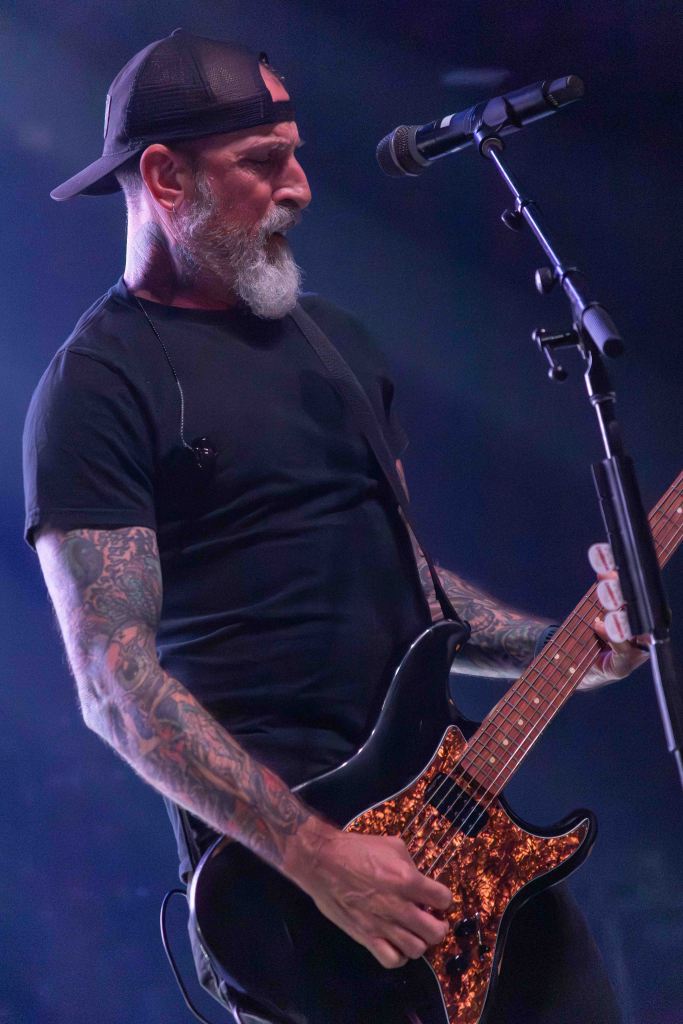
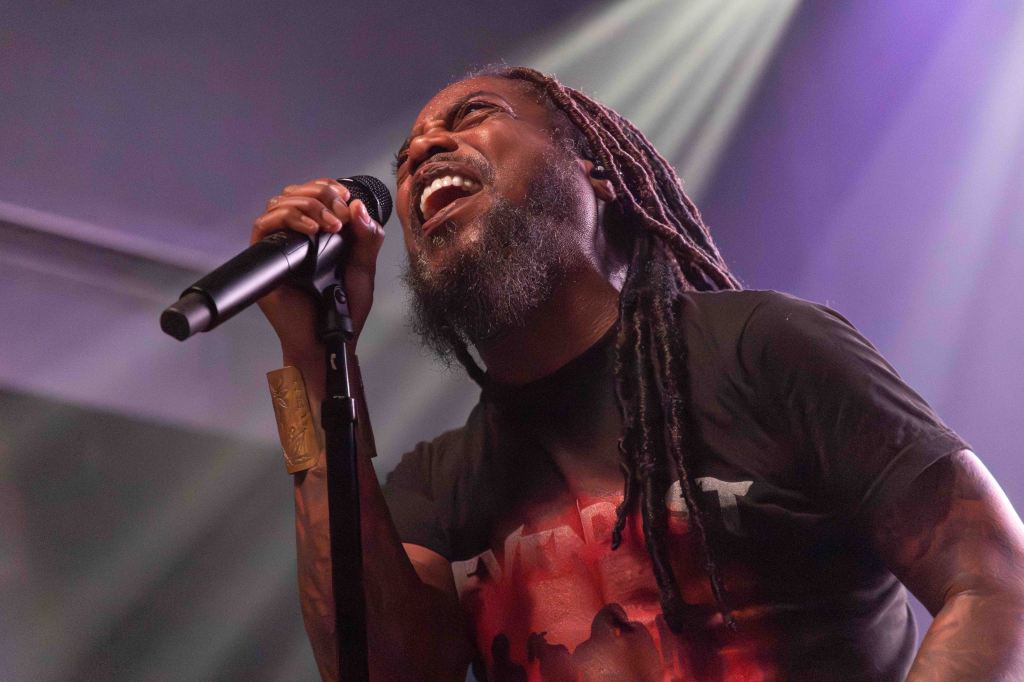
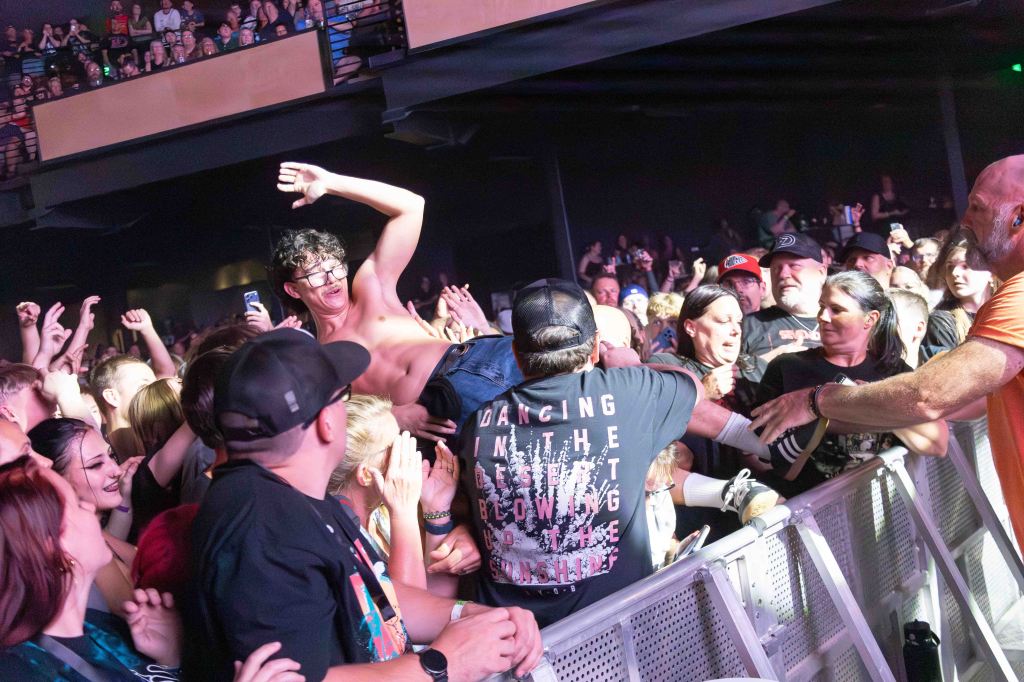
After Return to Dust set the tone, Sevendust took the energy up another level.
The band’s set featured constant movement across the stage while the crowd responded with raised hands, jumping and occasionally crowd surfing. A mosh pit developed on the floor, giving the performance an especially physical atmosphere.
The emotional side of the set came through during “Angel’s Son,” with the audience holding up phone flashlights and illuminating the room.
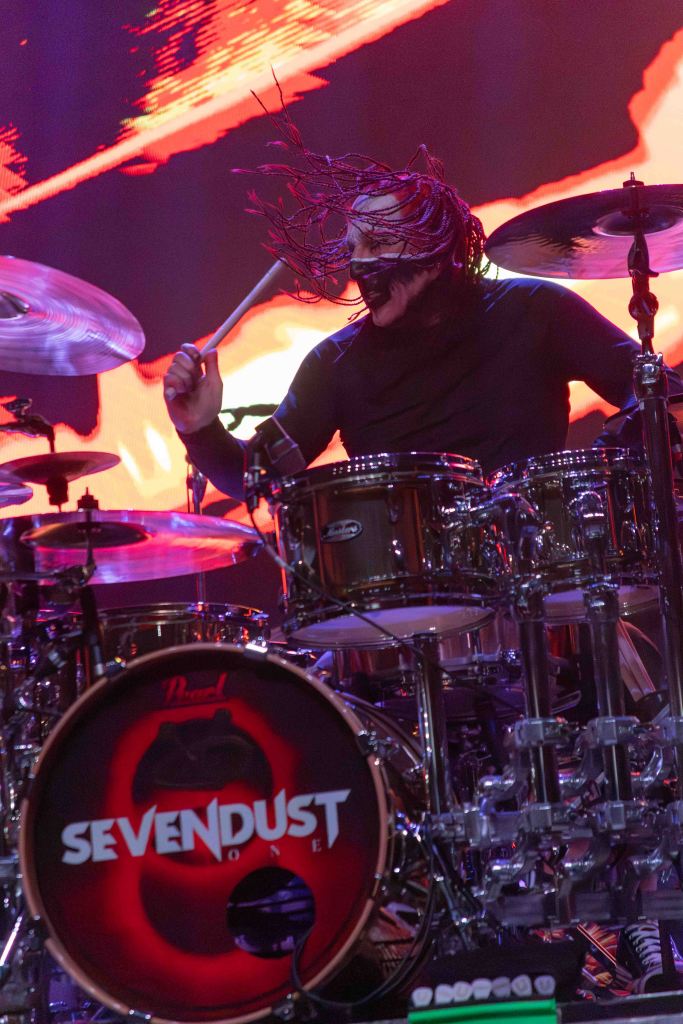
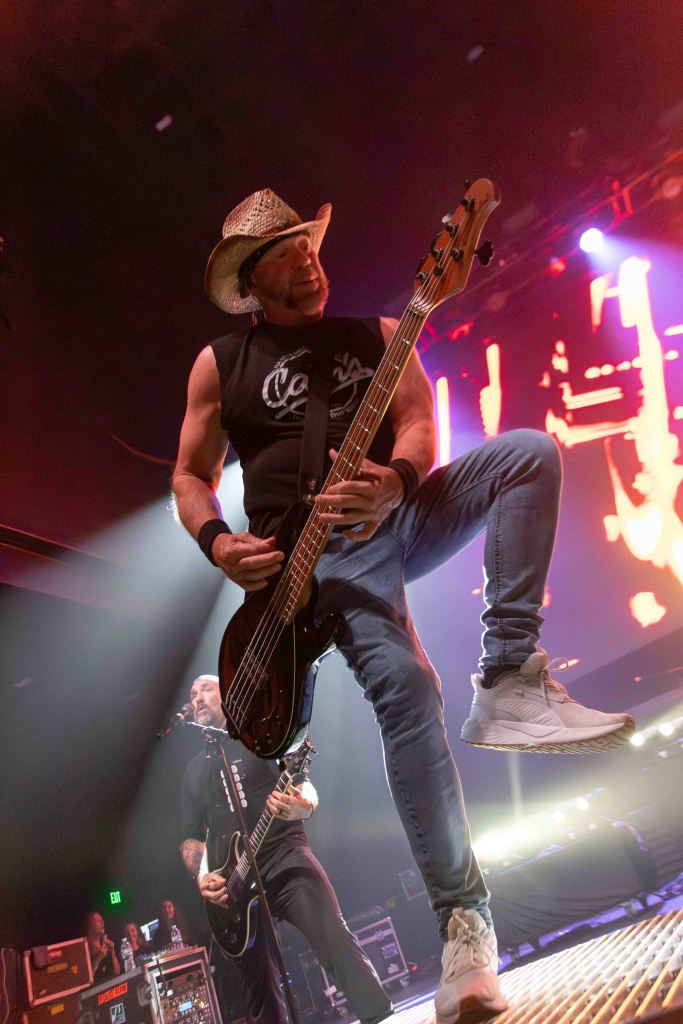
Sevendust’s current tour lineup and La Vista date are part of the band’s ongoing 2026 schedule with Theory of a Deadman.
Then it was time for Theory of a Deadman.
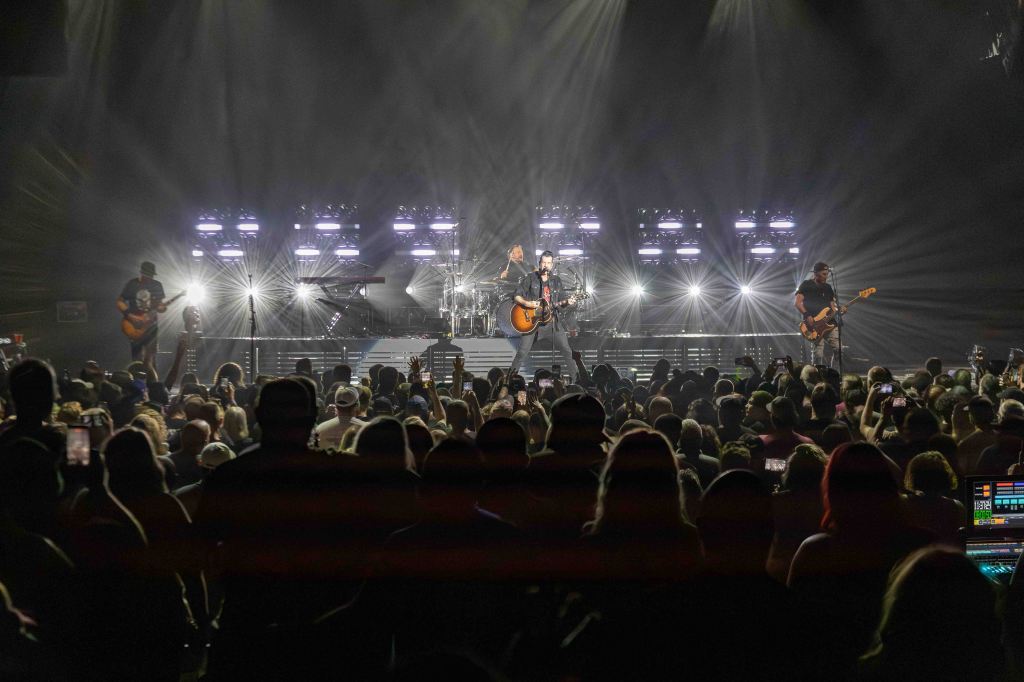
The Canadian rock band leaned heavily into the catalog that has made it a staple of modern hard rock, opening with “Barricade” before moving through songs including “Lowlife,” “Blow,” “Angel,” “Winnebago (Lay Low)” and more.
The set also offered a few surprises, including a partial performance of Alice in Chains’ “Nutshell” and a version of Chris Isaak’s “Wicked Game.” The band continued with “Santa Monica,” “Not Meant to Be,” “Ambulance,” “Hate My Life,” “Rx (Medicate)” and “Bad Girlfriend.” The show closed with a high-energy medley.
Theory of a Deadman’s ability to blend familiar songs with crowd interaction kept the audience engaged throughout the performance. The band’s set was accompanied by an elaborate light show that added another layer to the music, with the stage frequently shifting in color and intensity as the songs changed.
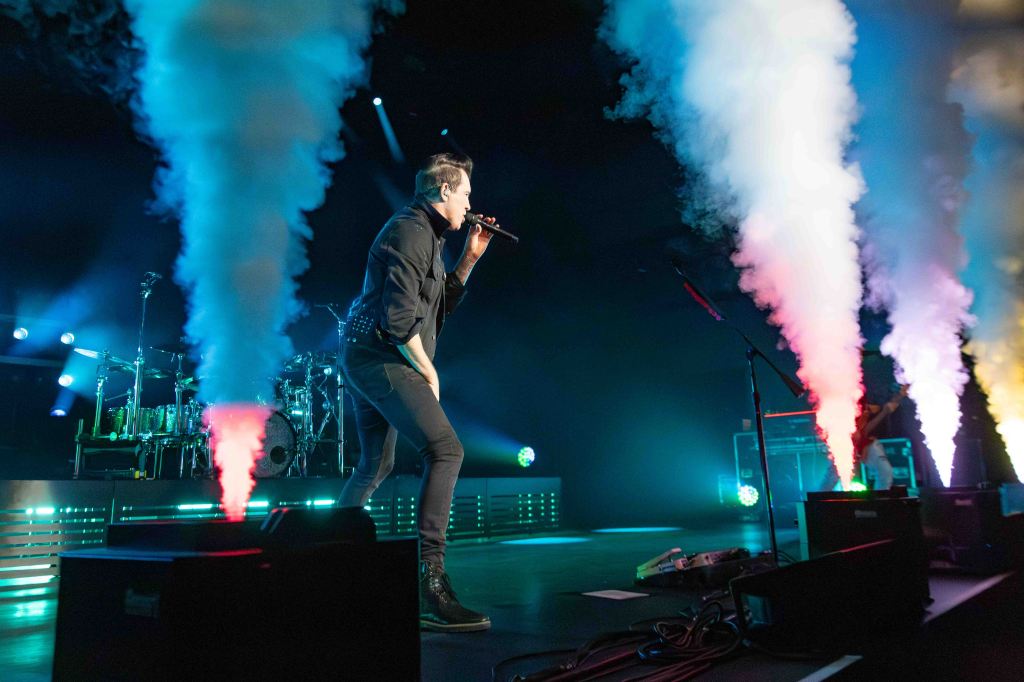
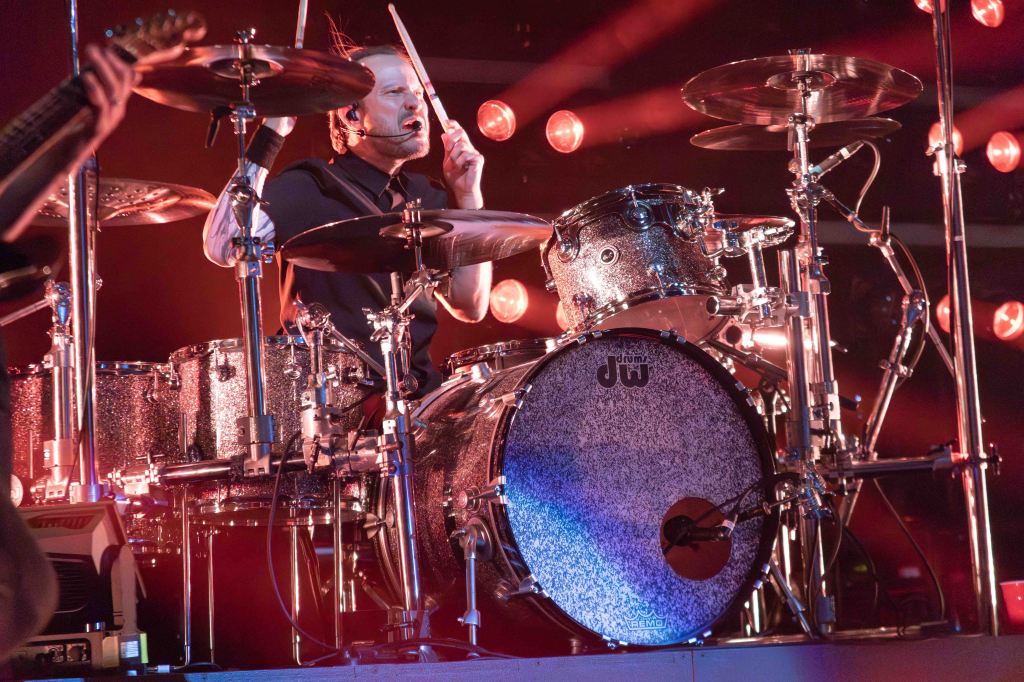
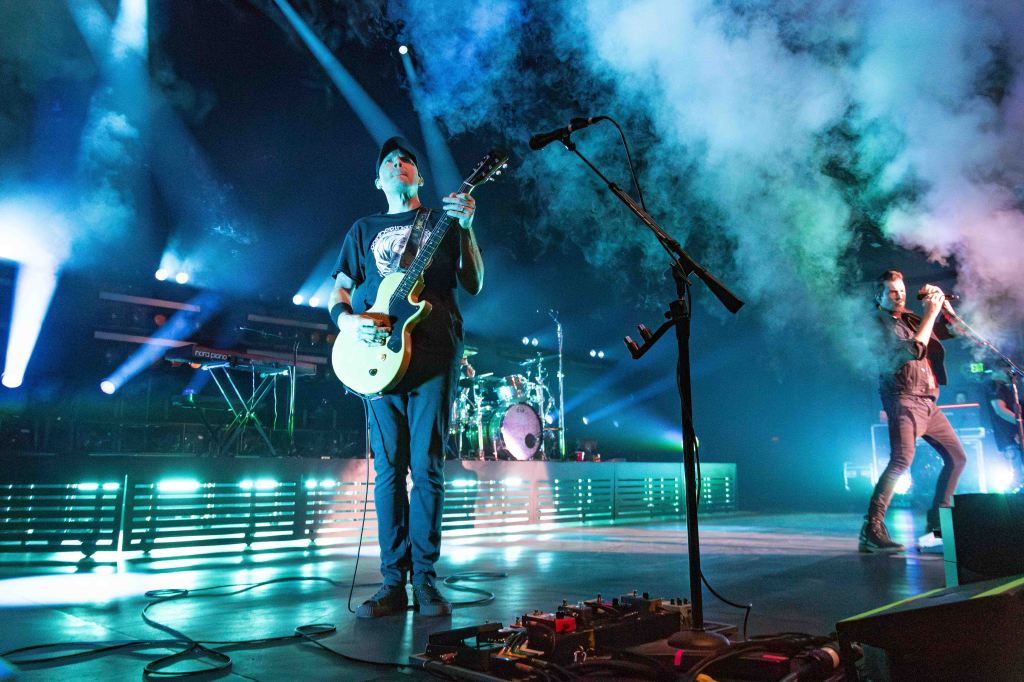
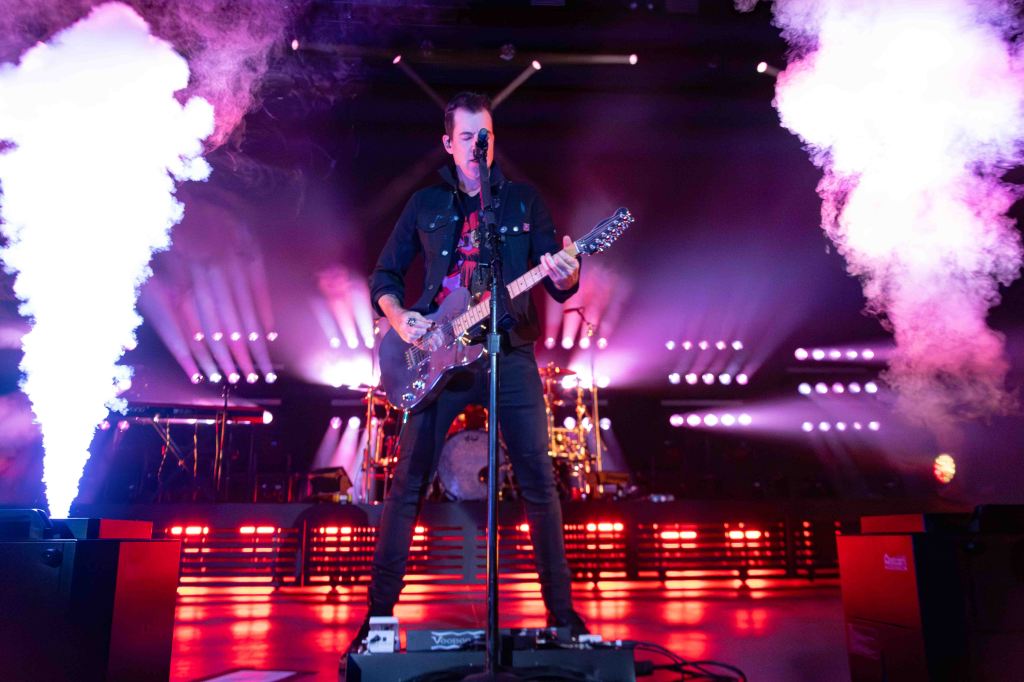
By the end of the night, the crowd had been treated to three different versions of hard rock: Return to Dust’s youthful intensity and growing confidence, Sevendust’s decades of experience and explosive live presence, and Theory of a Deadman’s polished combination of recognizable hits, covers and showmanship.
For Return to Dust, however, the night also offered something more personal: another marker of just how quickly the band has moved from cramped stages and early tours toward the larger venues it now appears increasingly comfortable filling.
And judging by the reaction in The Astro’s pit during “Belly Up,” the audience was more than ready to make the jump with them.