By Marisa Dawson
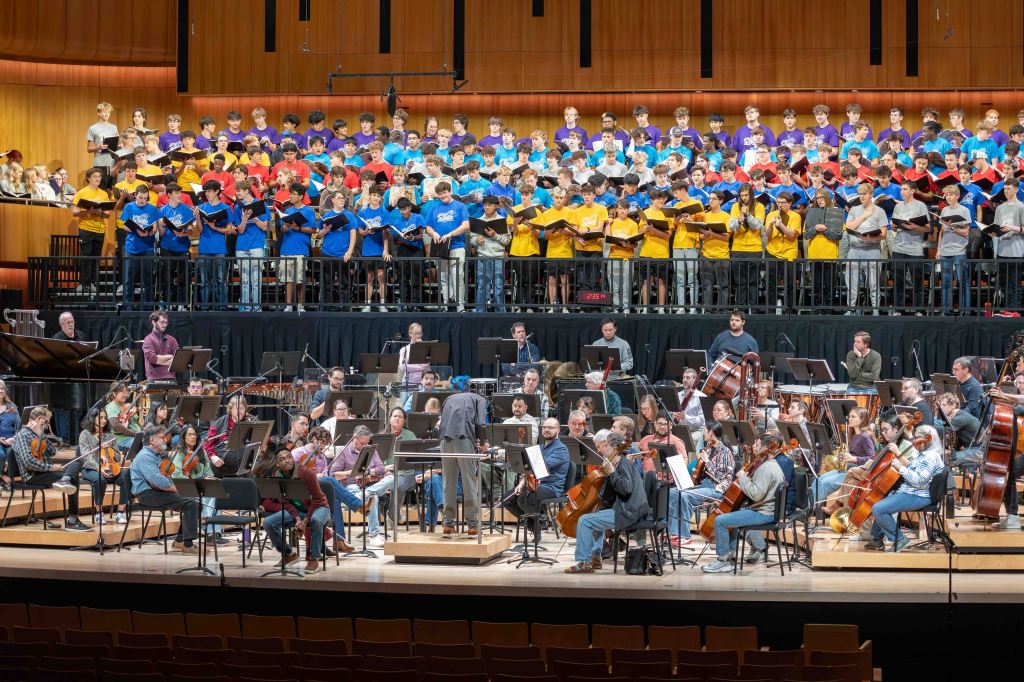
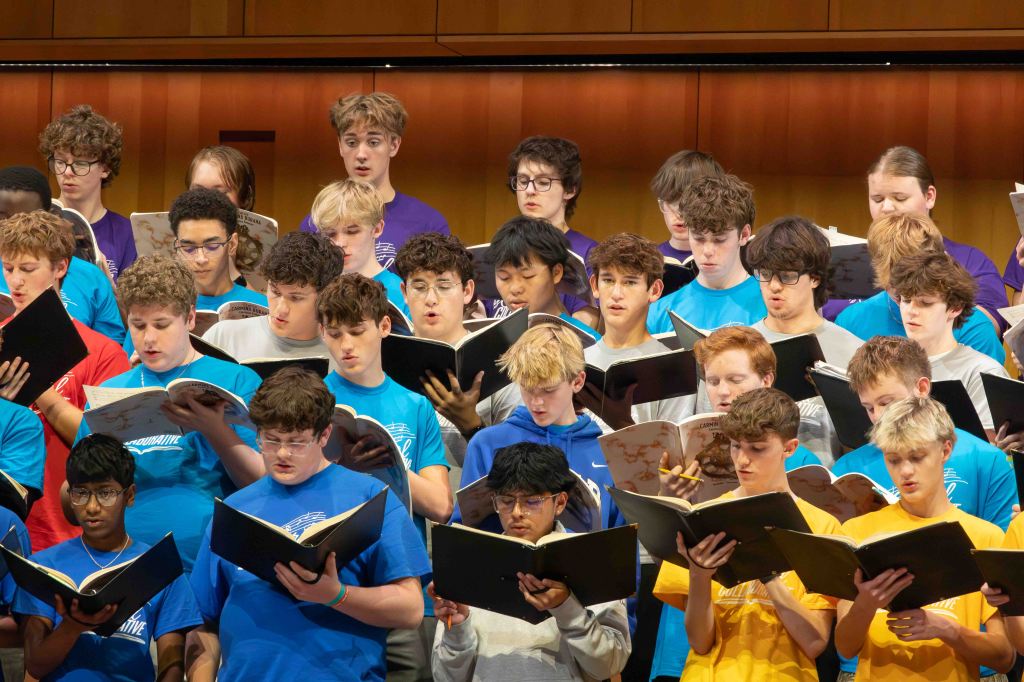
For Bennington High School’s vocal music students, months of rehearsals, challenging music and countless repetitions culminated in an experience that brought together hundreds of young singers, professional musicians and some of the Omaha area’s strongest high school choral programs.
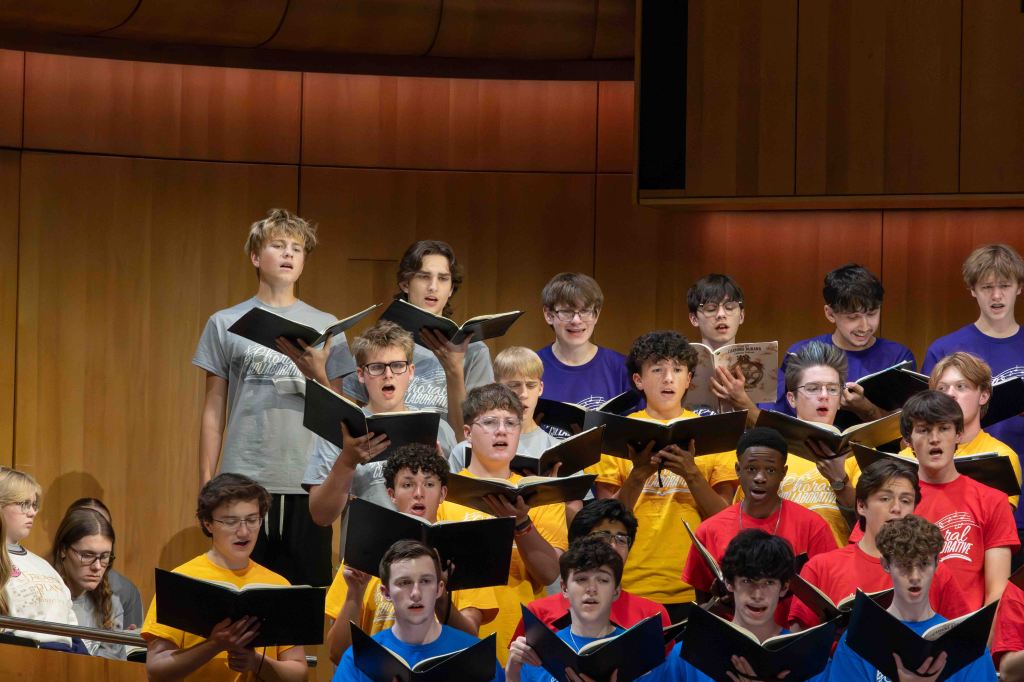
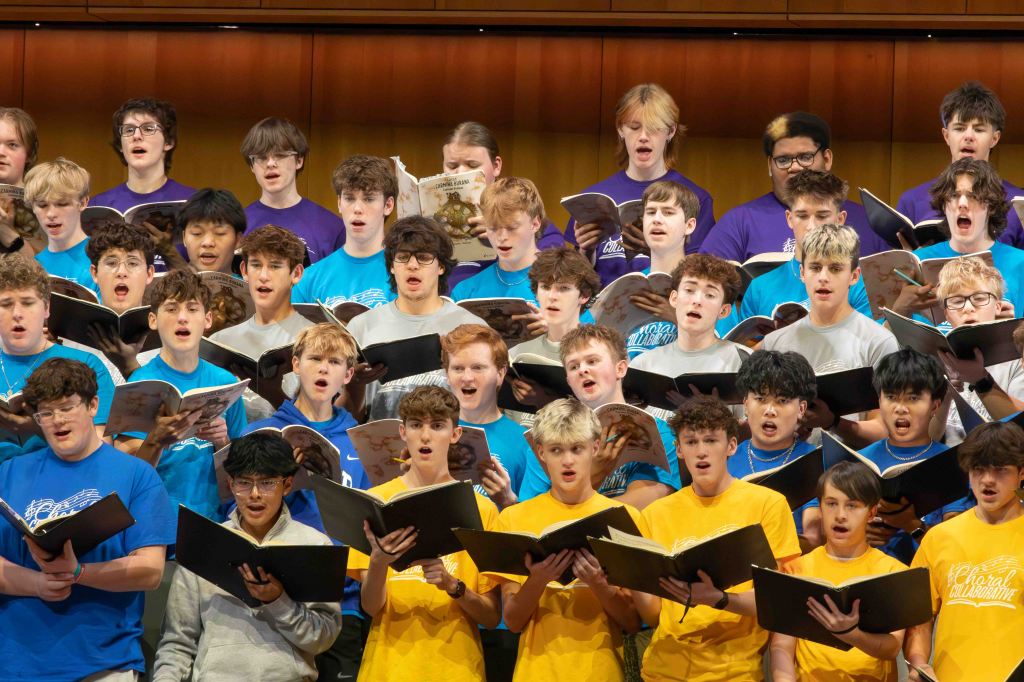
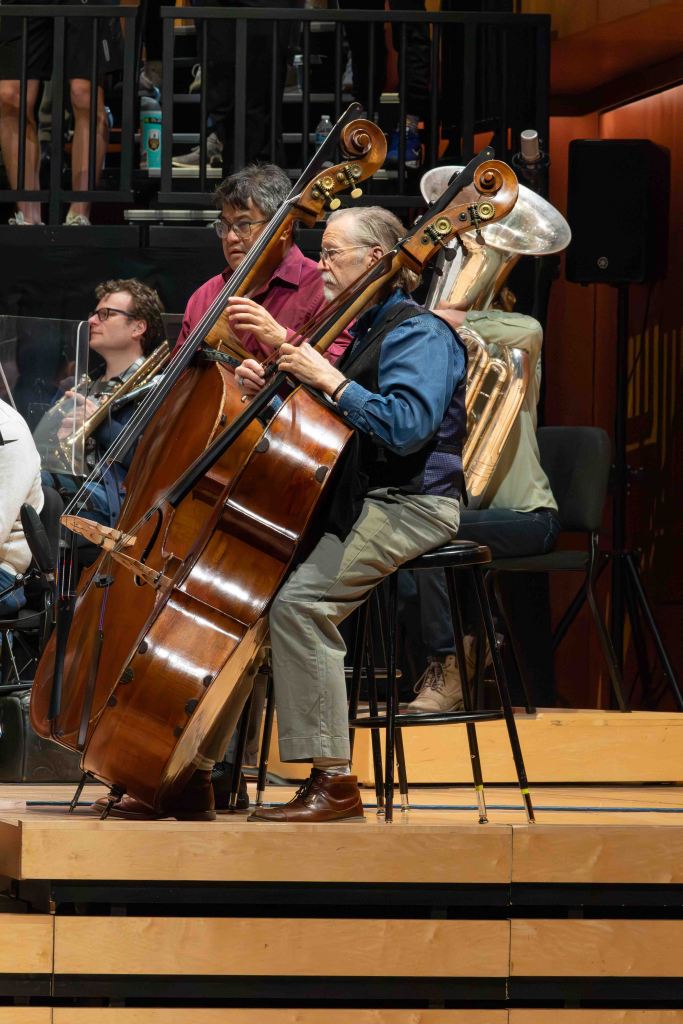
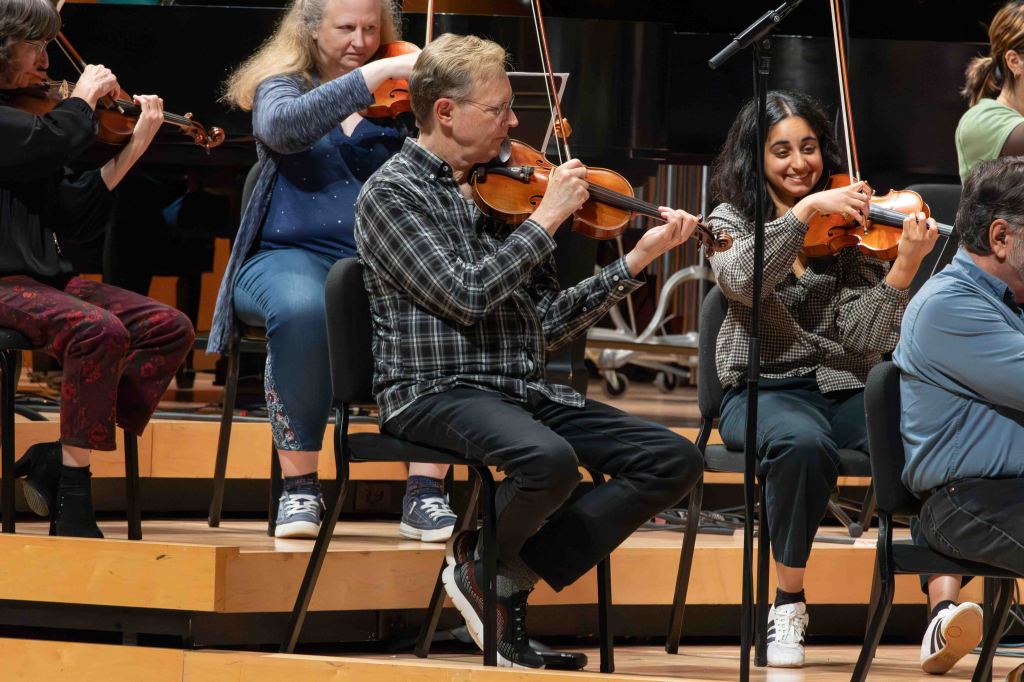
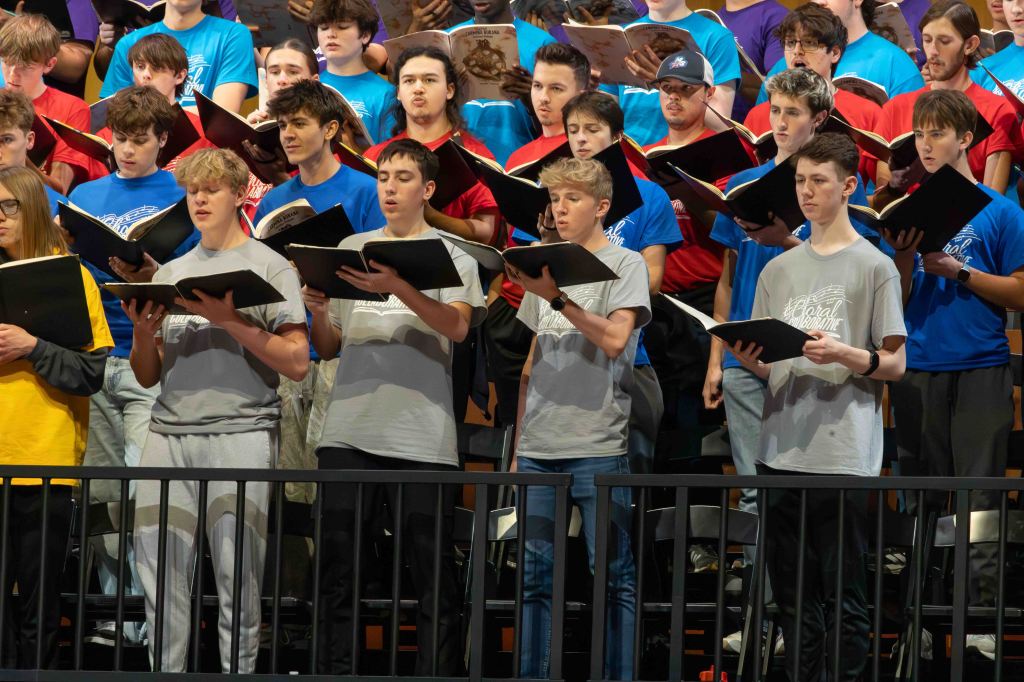
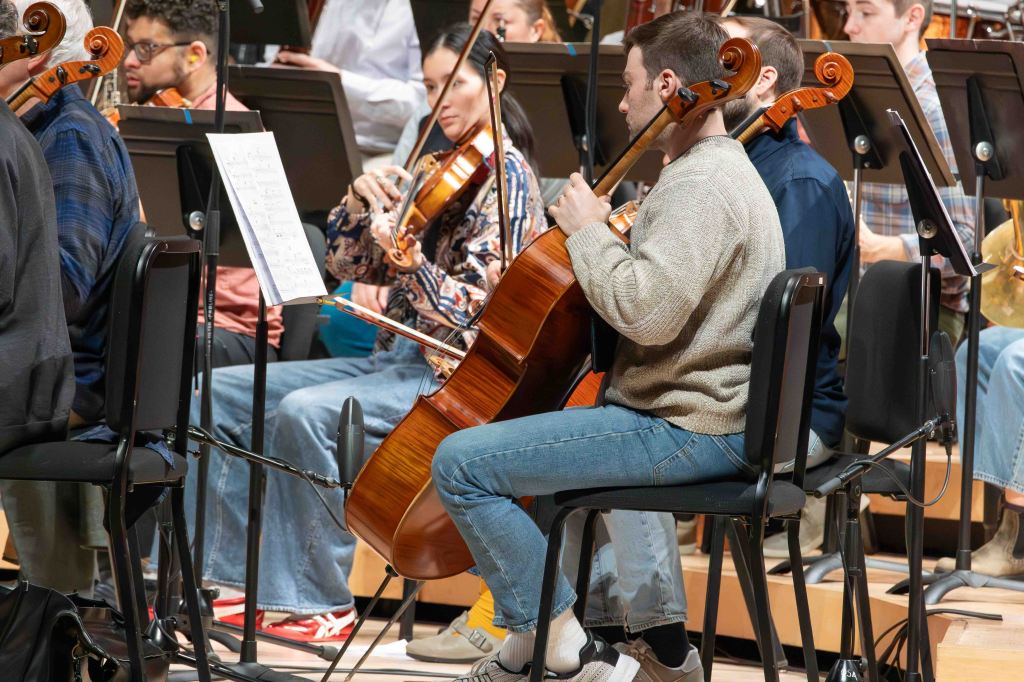
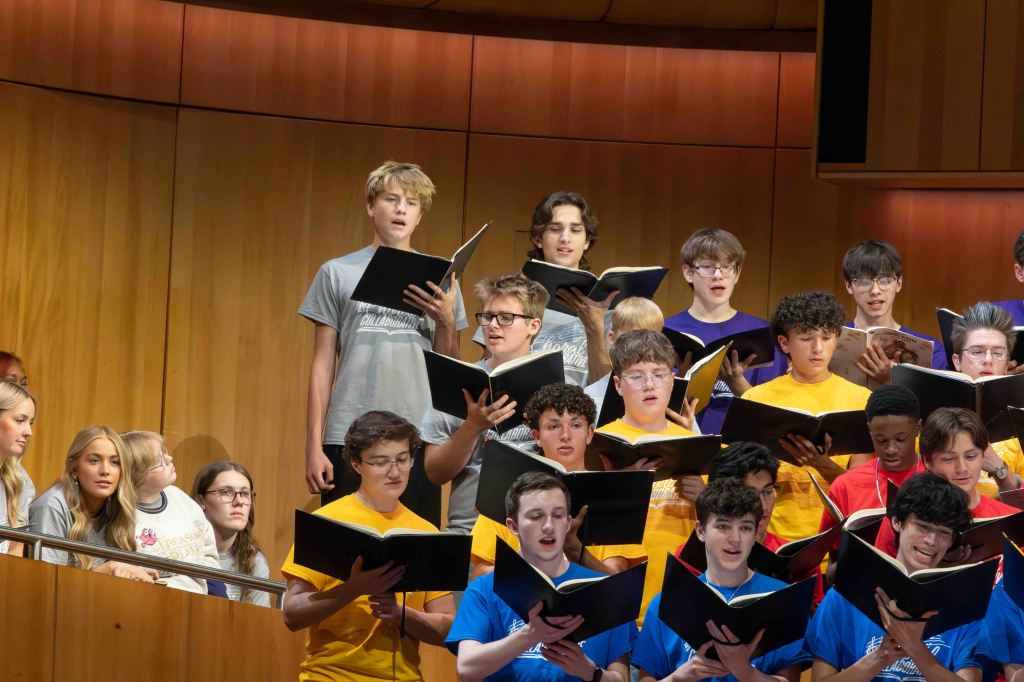
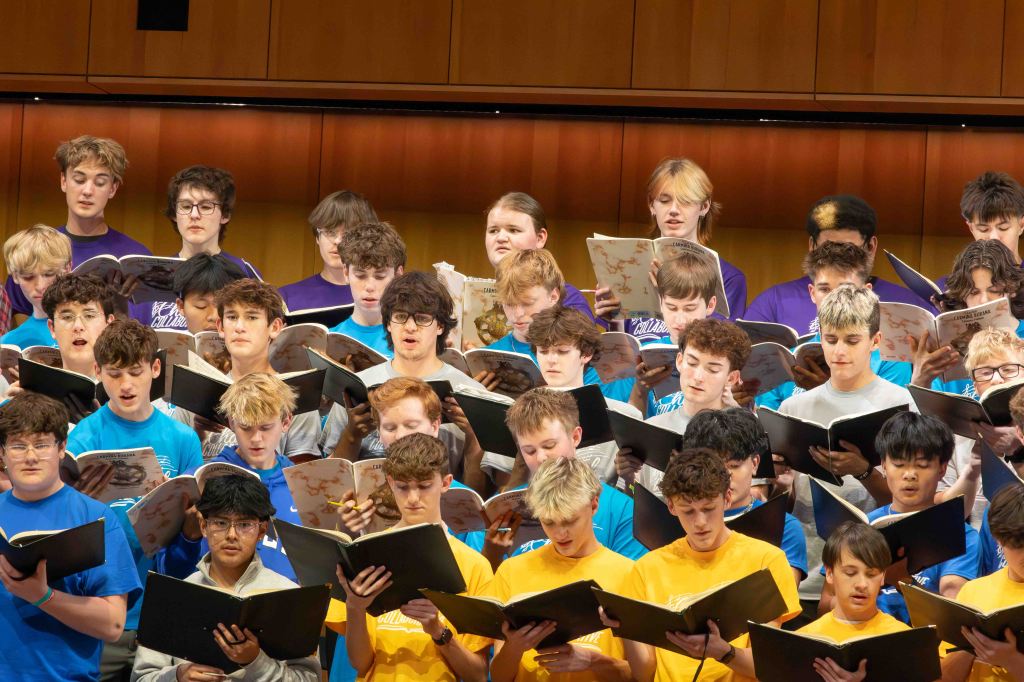
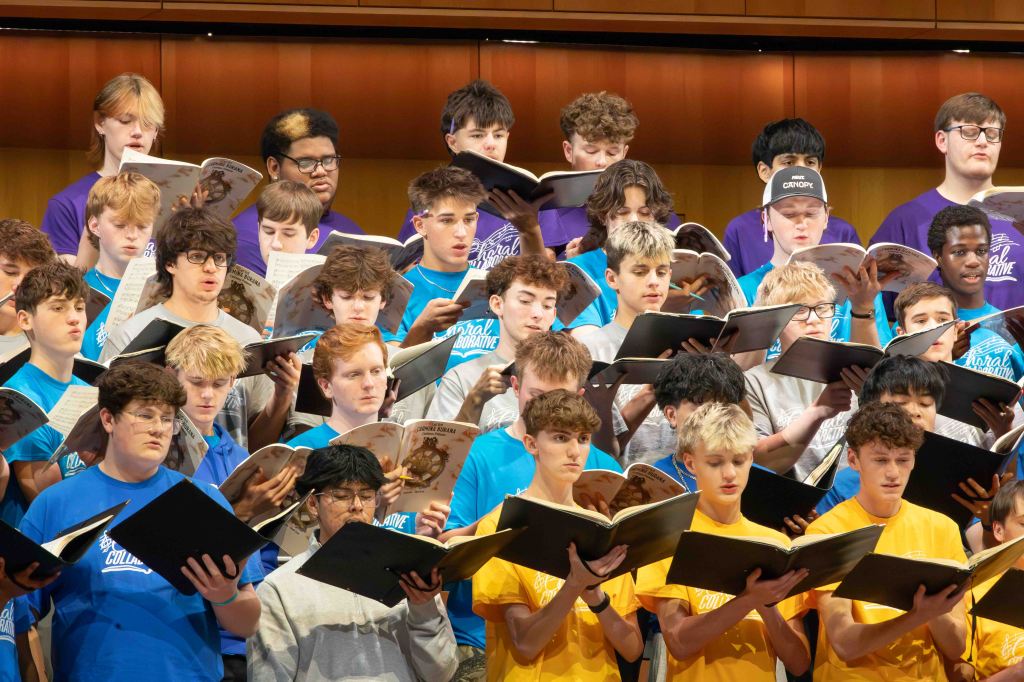
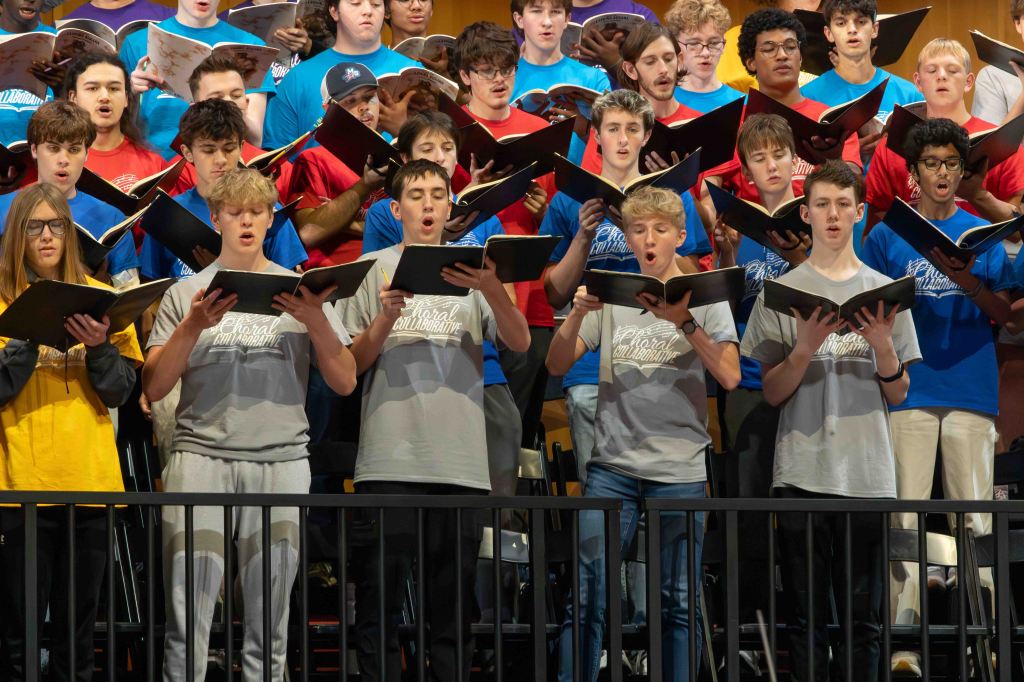
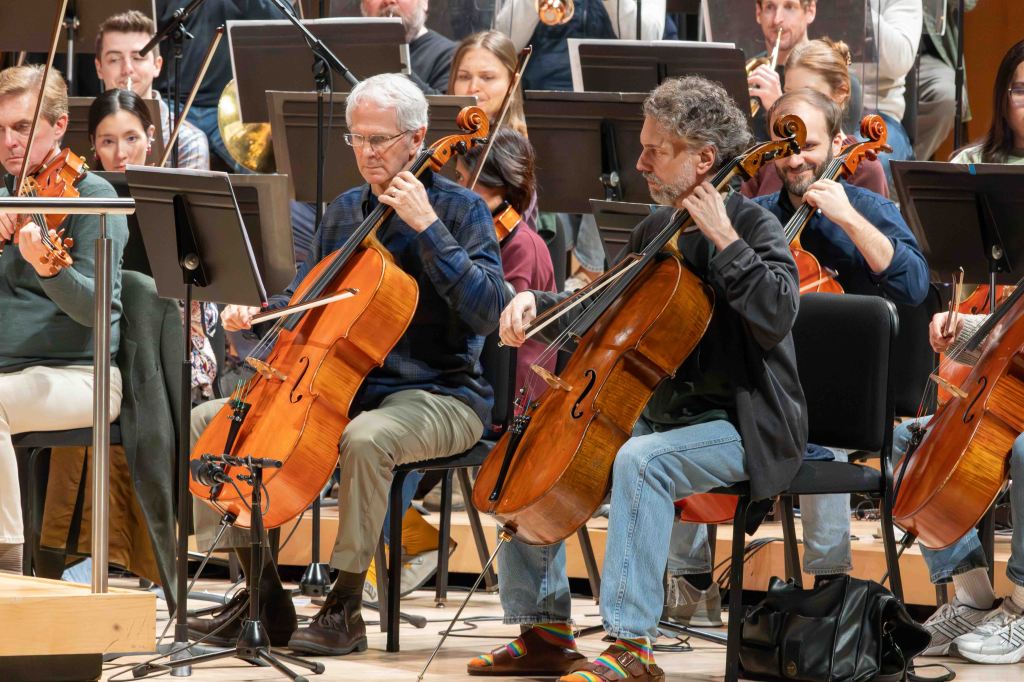
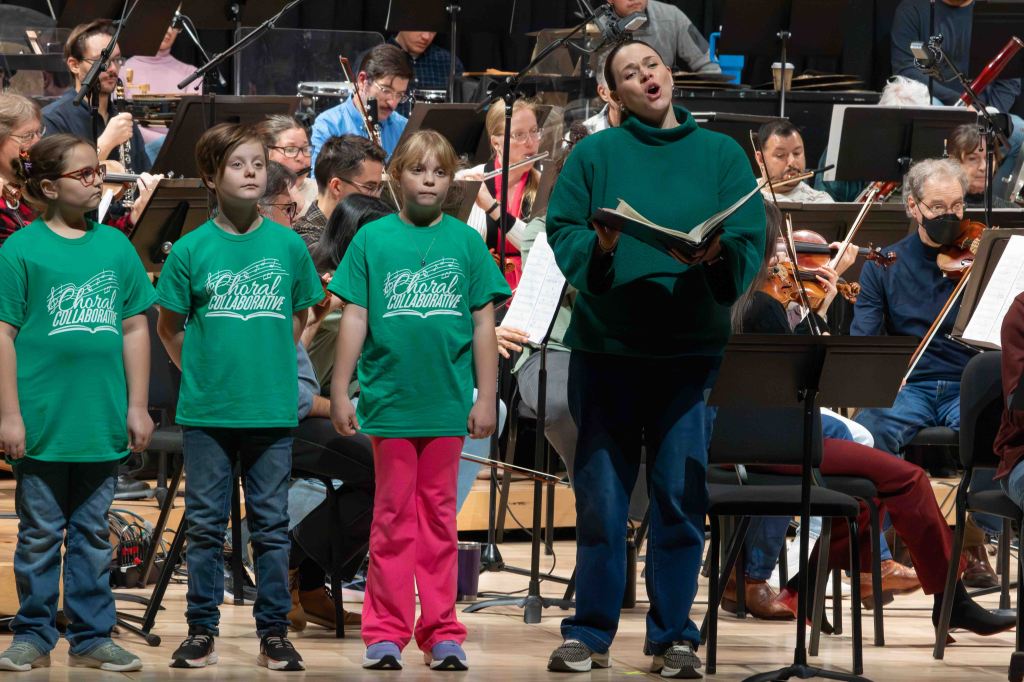
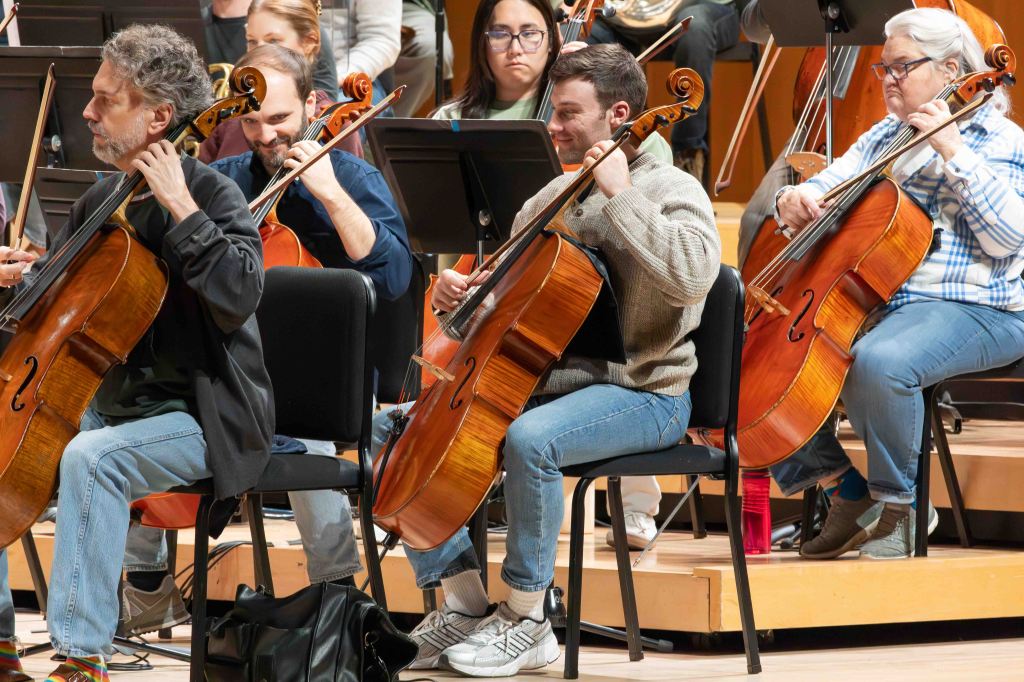
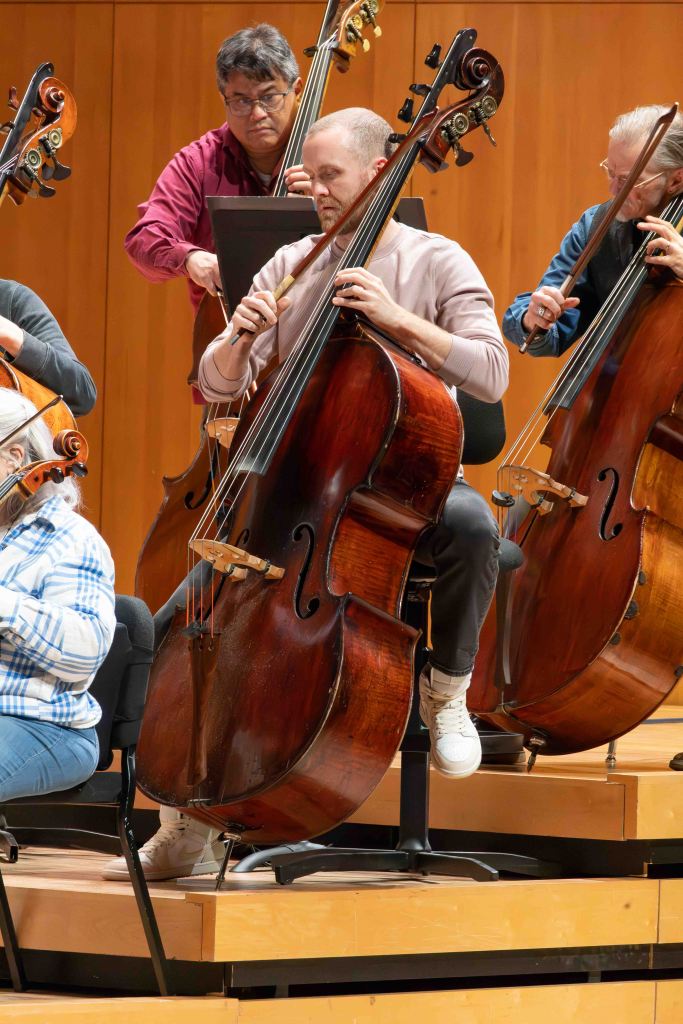
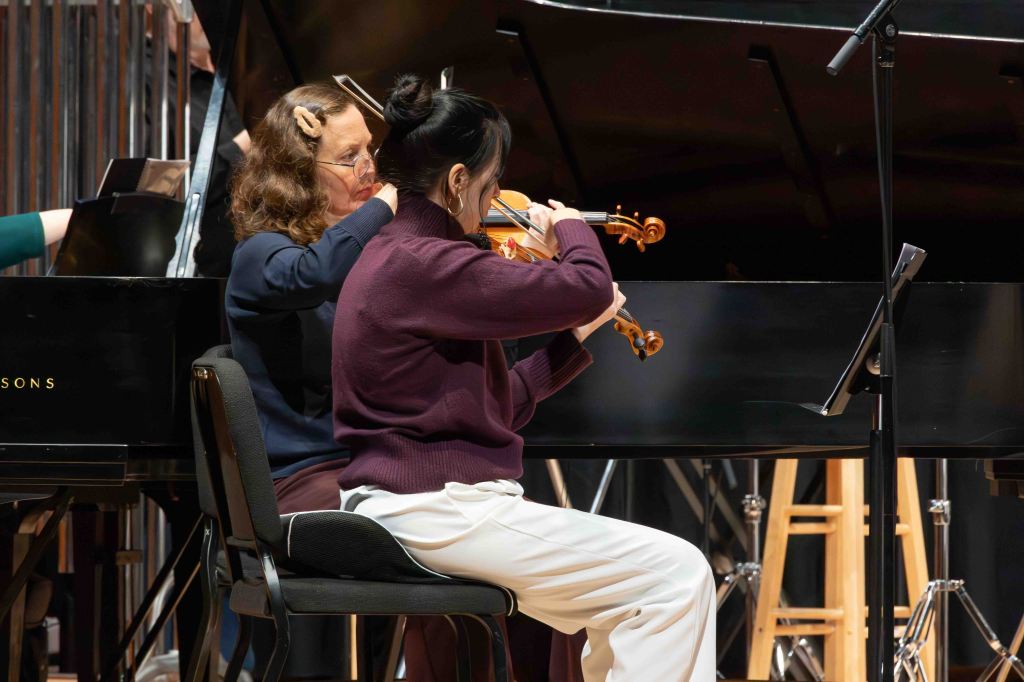
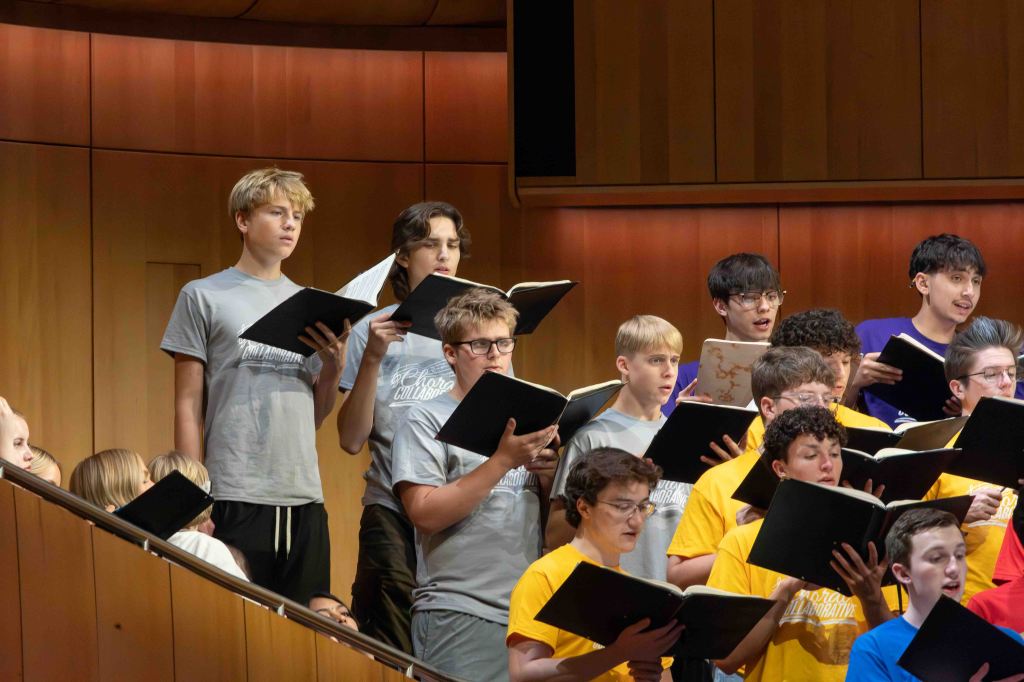
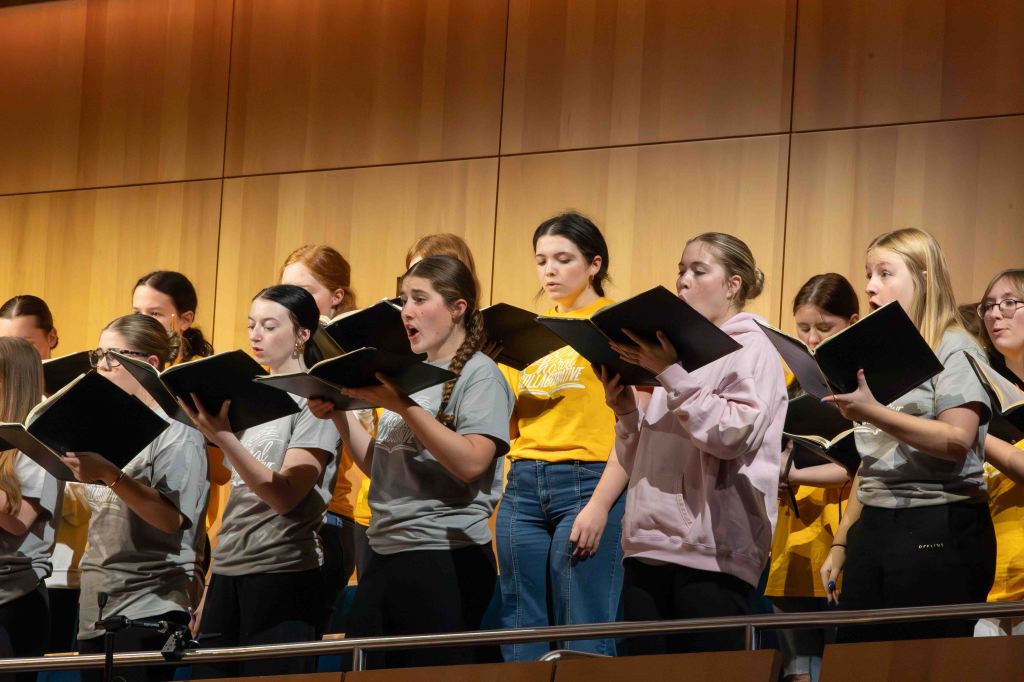
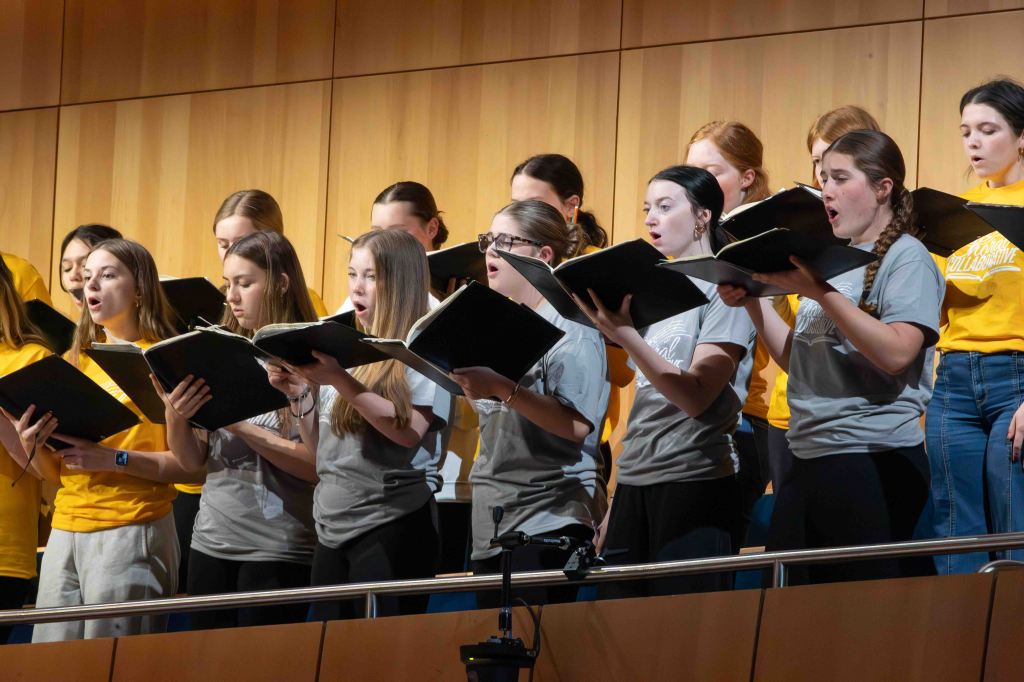
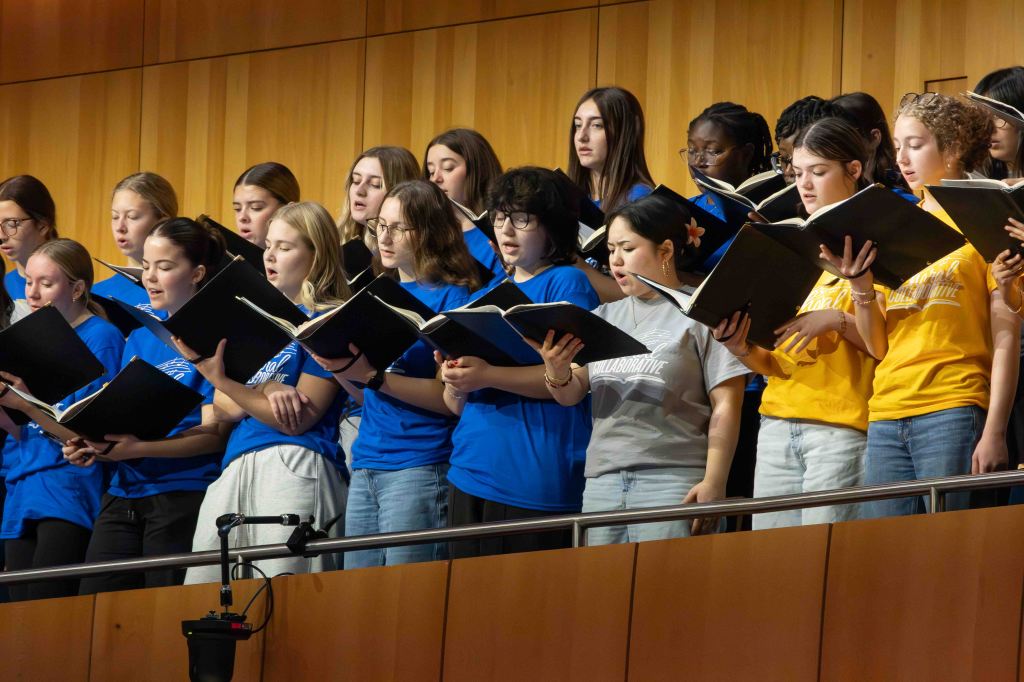
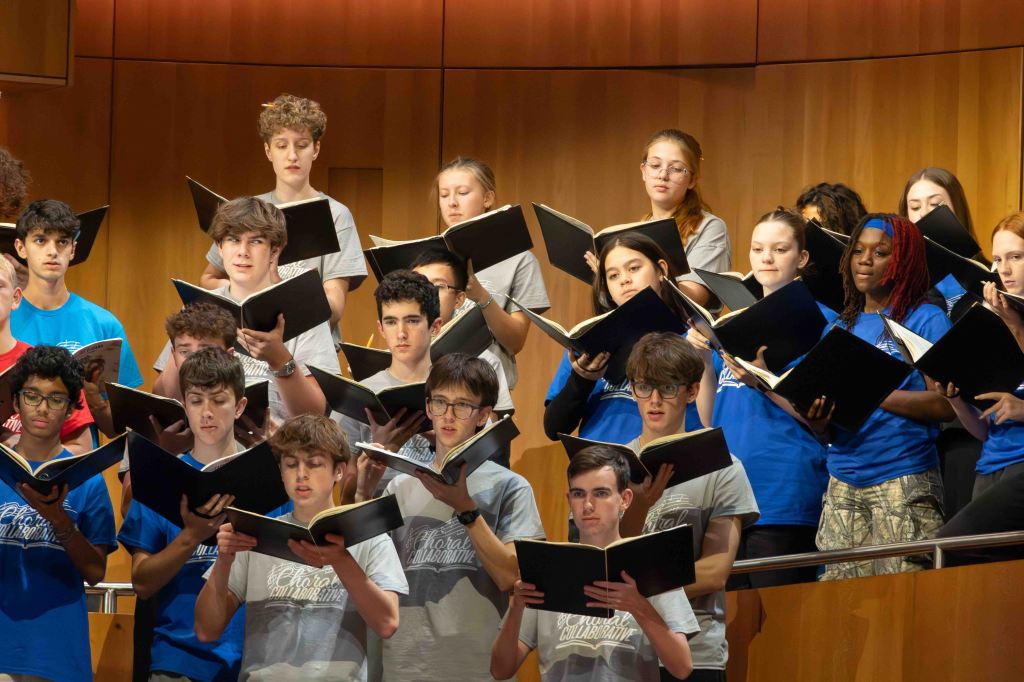
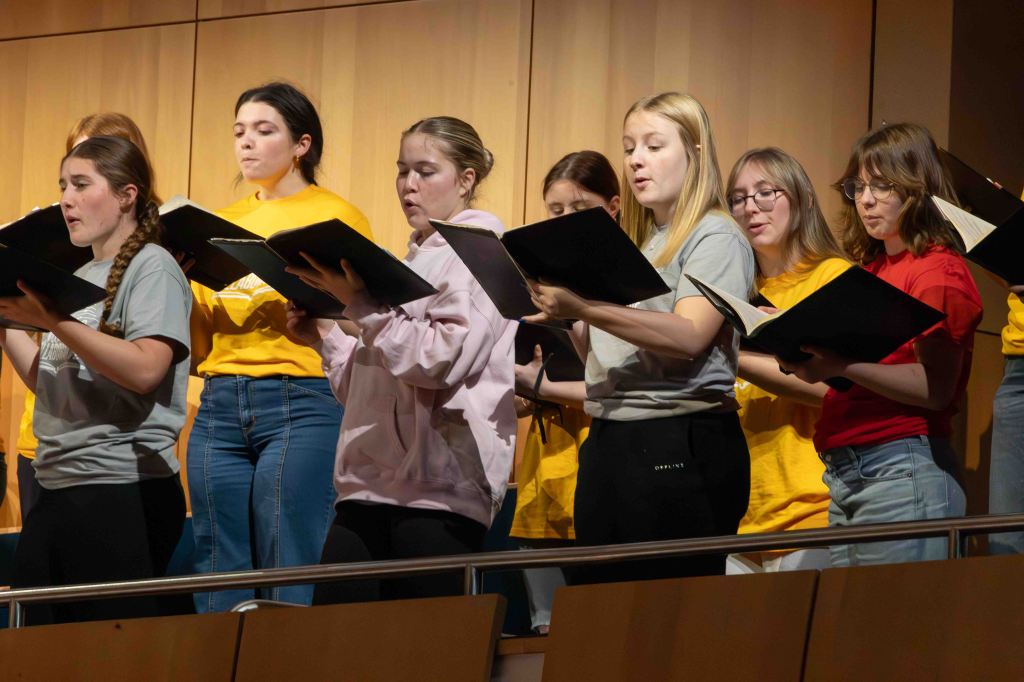
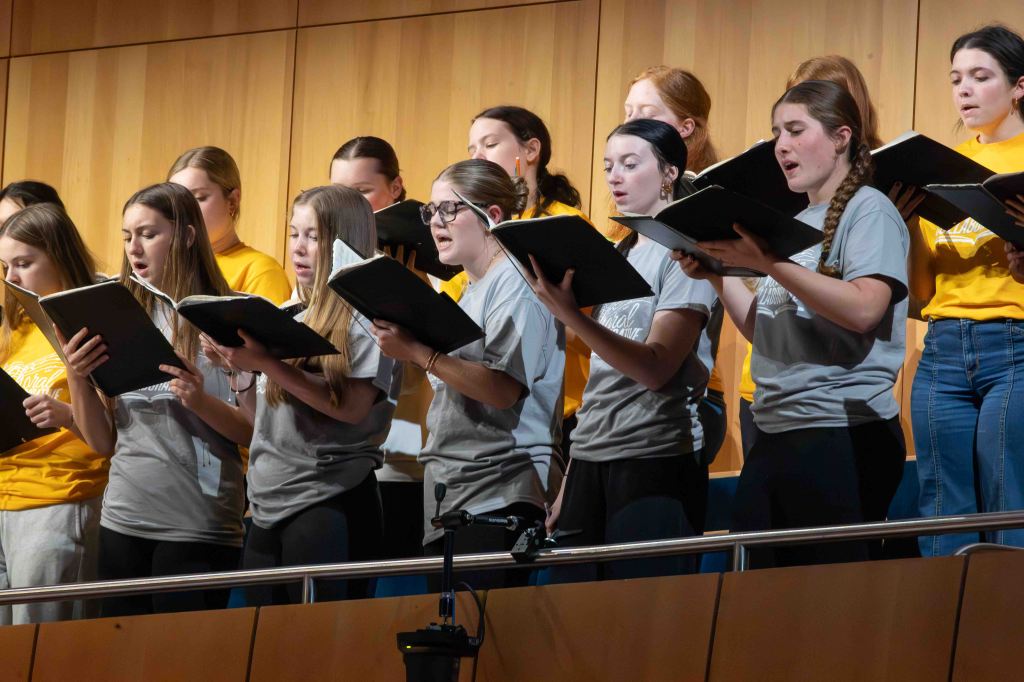
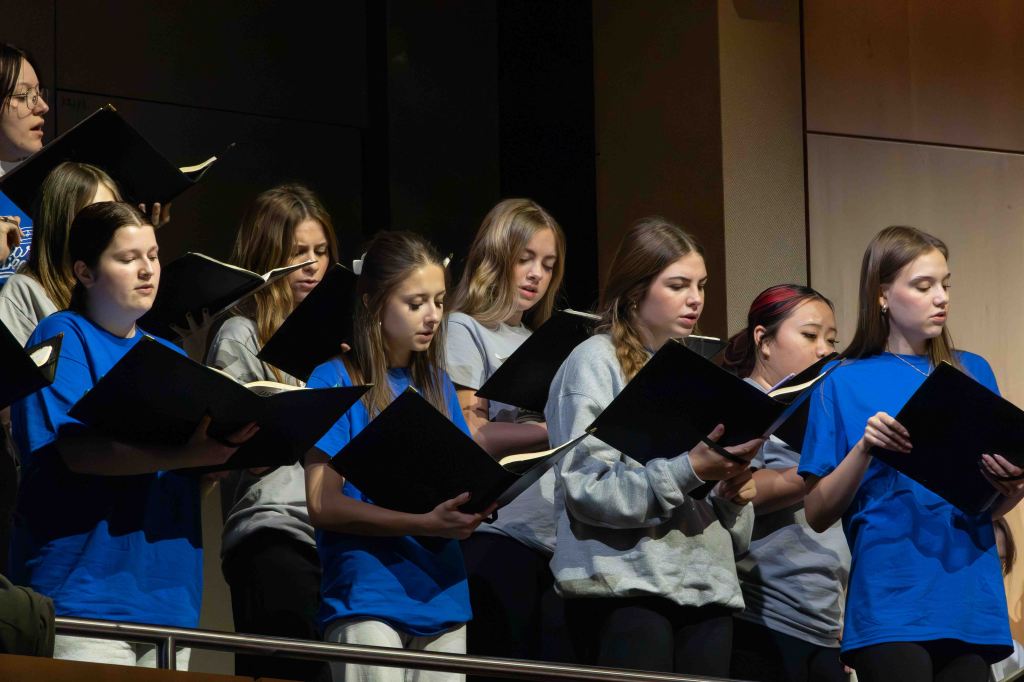
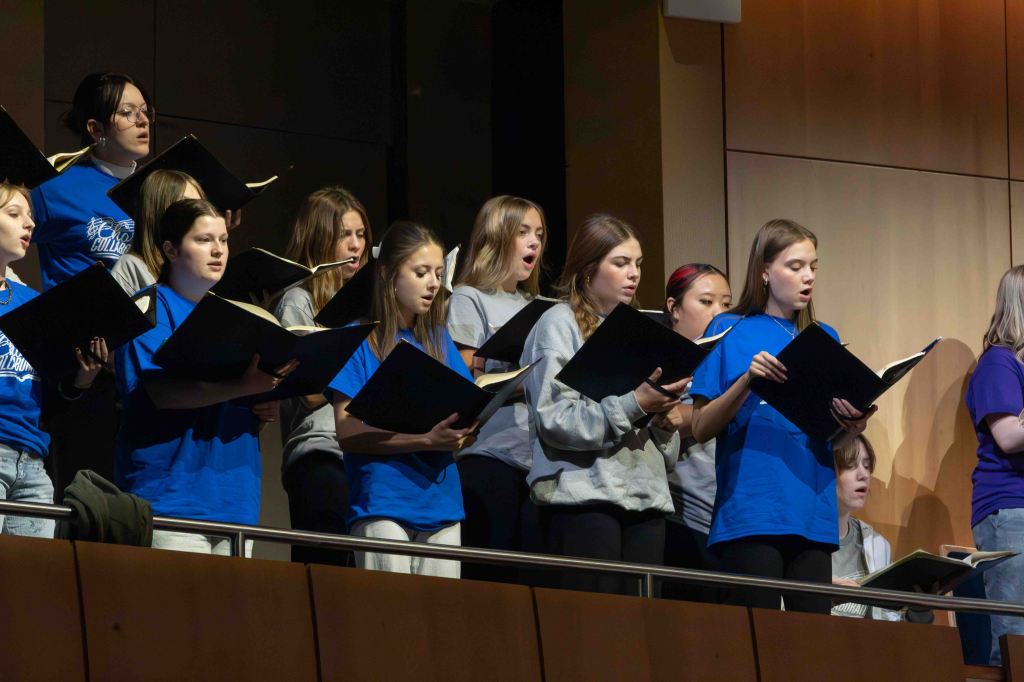
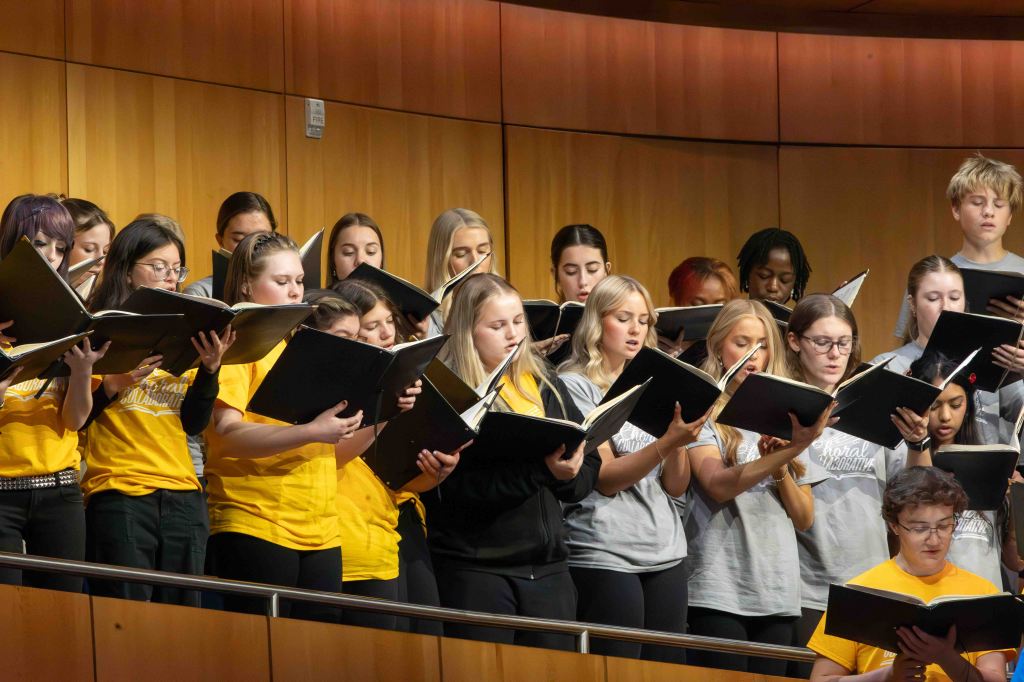
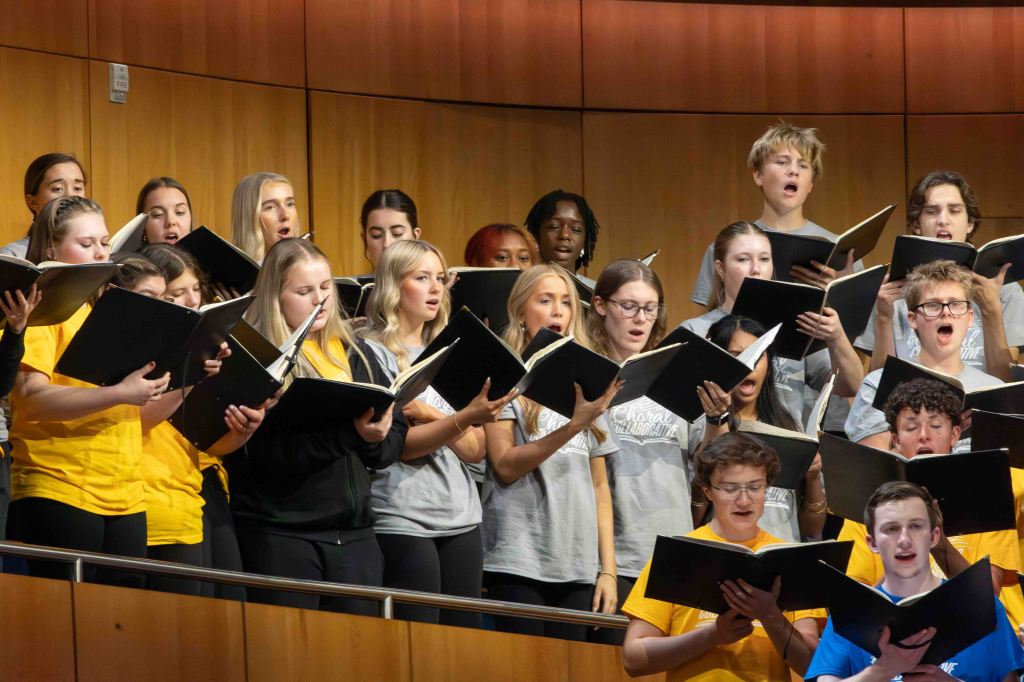
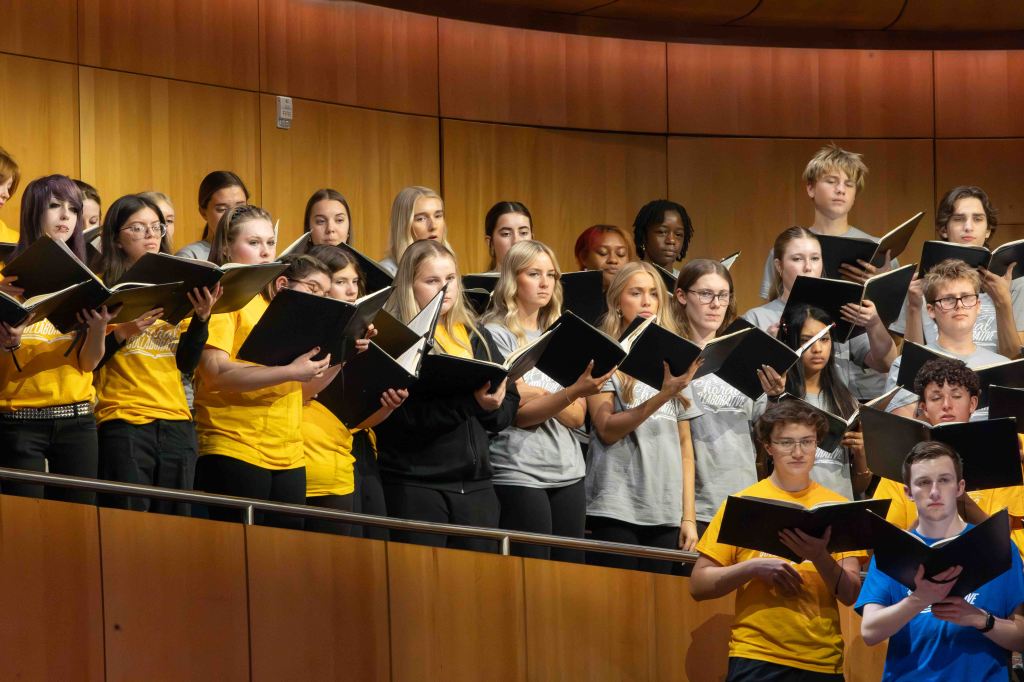
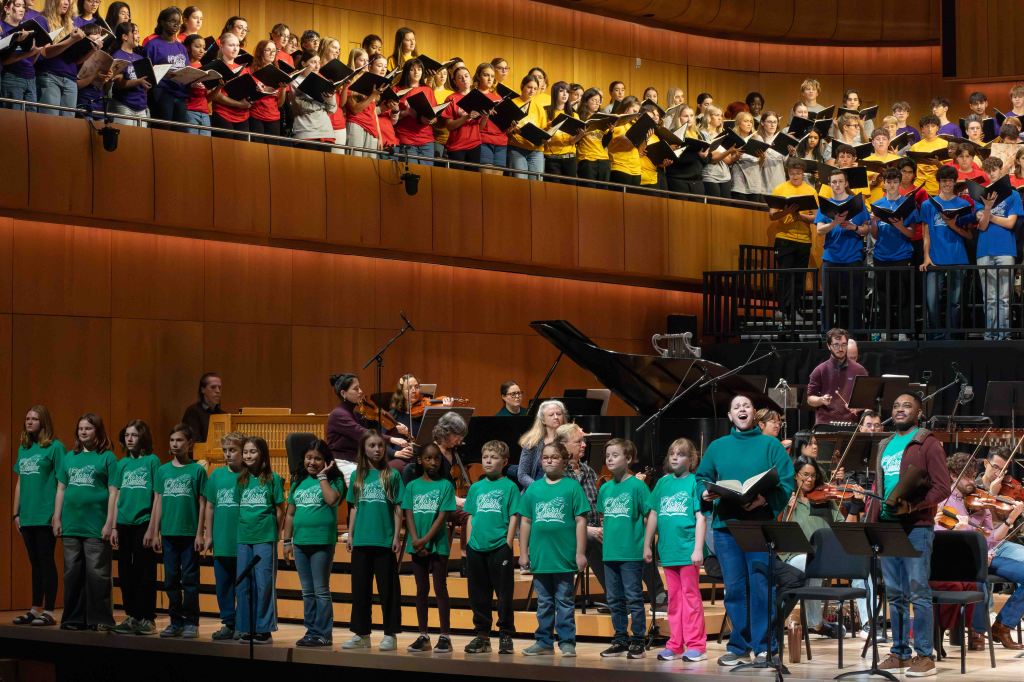
Bennington Concert Choir students recently participated in the Omaha Symphony’s 35th Choral Collaborative, performing Carl Orff’s Carmina Burana at the Holland Performing Arts Center. The performance marked the third time Bennington High School has been invited to participate in the longstanding program, which gives high school singers the opportunity to tackle major choral works alongside a professional orchestra, soloists and other student musicians.
For Vocal Music Director Tye Hanke, the opportunity offers students something that would be difficult for a high school choir to recreate independently.
“Singing with fantastic high school choir programs, professional symphony, and professional soloists in the Holland Center and working on difficult literature that seems almost impossible to master at the beginning of the year and then conquering it by the performance date all add to the students’ success,” Hanke said.
The Choral Collaborative is a significant undertaking for participating students. Carmina Burana is an extensive and demanding composition, featuring challenging musical passages and lyrics in Latin. Preparing for the performance requires a considerable commitment, particularly when students are balancing their regular academic and extracurricular responsibilities.
To give Bennington singers a head start, Hanke began preparations over the summer, holding two rehearsals before the school year even started. Throughout the process, the Omaha Symphony provided rehearsal guidelines and learning materials to help participating schools stay on schedule, along with three separate school visits from members of the professional team to assess progress and work directly with students.
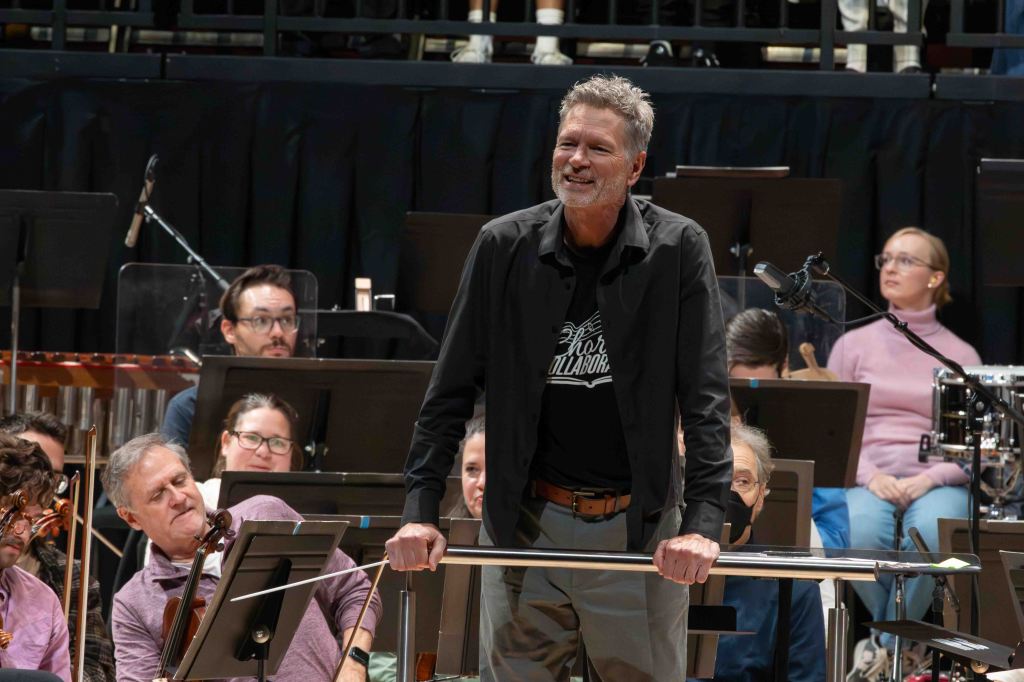
Those visits brought students into contact with chorus master Barron, conductor Ernest Richardson and professional soloists, giving them the opportunity to receive feedback and instruction well before stepping onto the Holland Center stage.
The students experienced both the demanding and rewarding sides of the preparation process. Concert Choir Vice-President Prise Yates said one of the most memorable rehearsals was the final school visit, when students were making quick adjustments and responding to feedback from the professionals.
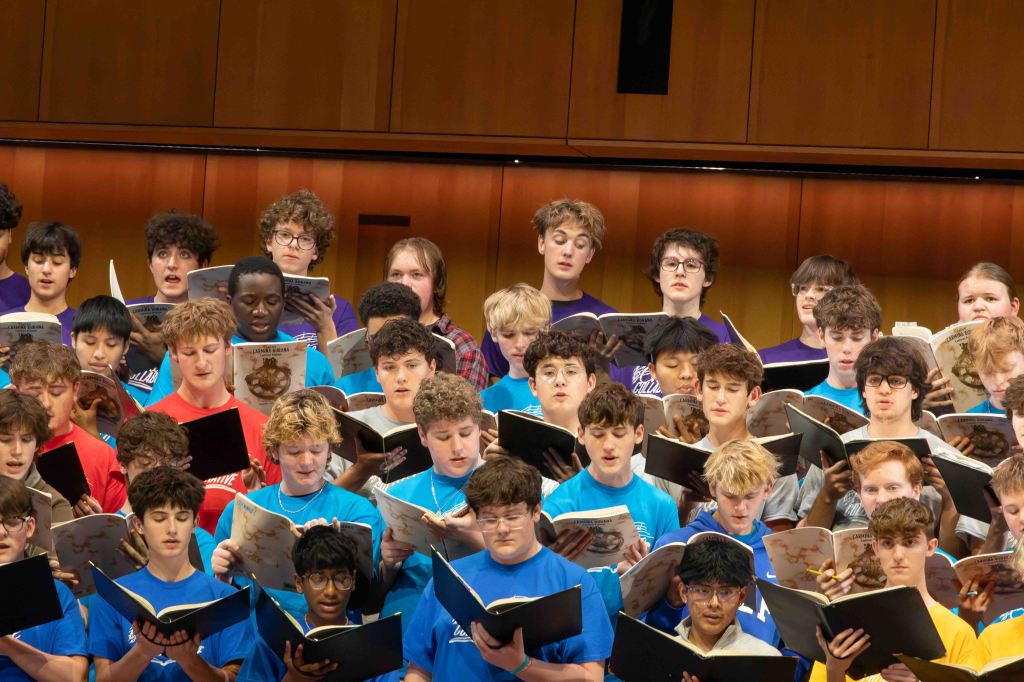
Yates recalled that Richardson compared directing the Bennington choir to “driving a sports car” because of how quickly students were able to implement the requested changes.
There were also some unexpected challenges. Learning the music’s notation and keeping track of which sections each vocal group was responsible for required careful attention. Yates said the experience was initially confusing, particularly when it came to understanding the musical notation.
“The music notation was also completely different from anything I’d seen before, so getting used to it was initially challenging but also very rewarding,” Yates said.
“We just practiced it so much that it became second nature; by the time we were performing, I barely had to look at my score,” said Concert Choir President Oscar Andersen, reflecting on the challenge of learning the Latin text and the faster movements.
Concert Choir Secretary Nat Rivera also described the preparation as an exercise in persistence. Students spent considerable time repeating difficult passages, sometimes working through just a few measures until they could perform them correctly.
“It definitely got tiring after awhile, but I kept reminding myself that all our hard work would pay off once we eventually got to perform and have the mountain top experience singing with the orchestra, which really helped me out,” Rivera said.
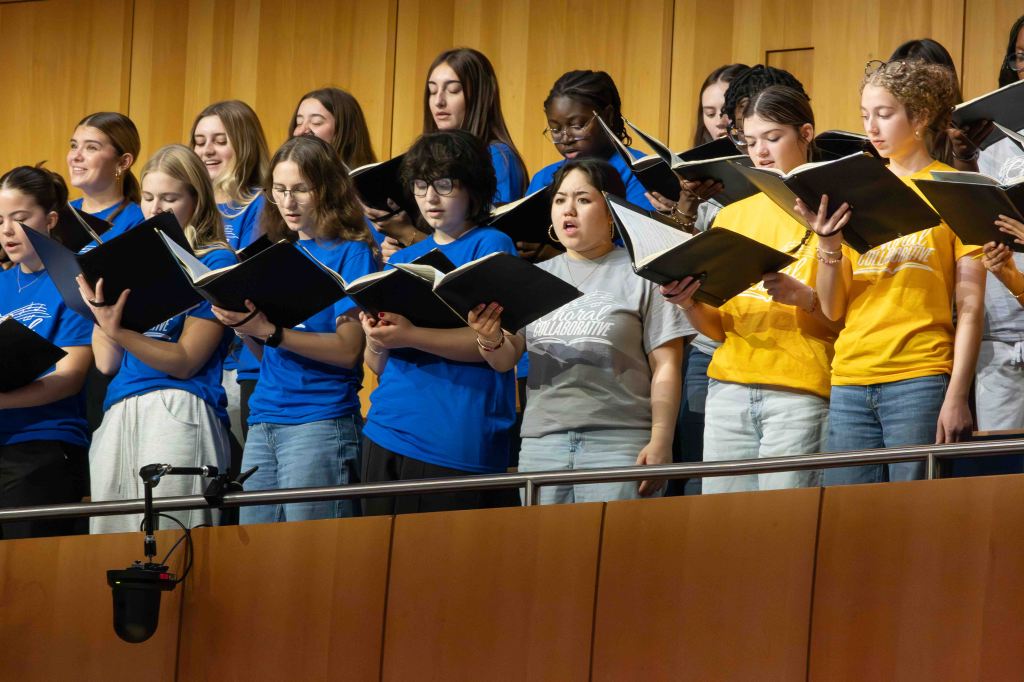
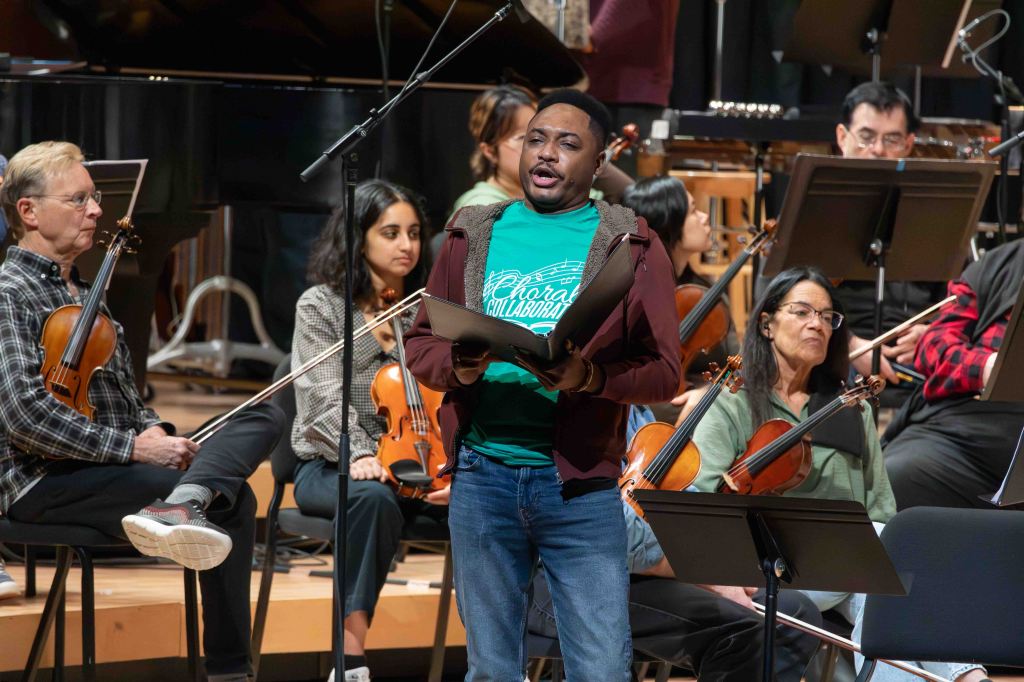
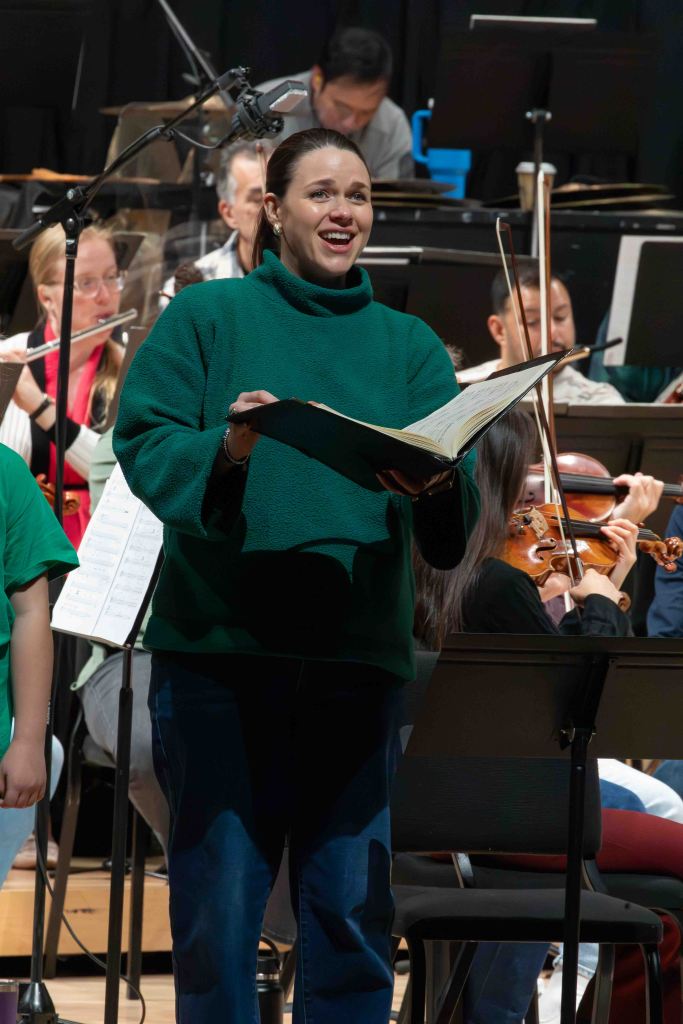
That opportunity to work alongside professional musicians was among the most meaningful aspects of the experience. Students received constructive criticism from Richardson, chorus master A. Barron Breland and the professional soloists, while also learning how to approach difficult musical passages and respond to direction.
Hanke said working directly with professional soloists gives students insight they might not otherwise receive in a traditional high school choir setting.
“Hearing and working directly with professional soloists who have been through it all is an incredible opportunity for our high school singers,” Hanke said. “Our students were very receptive to their advice about how to approach problems that maestro was encountering throughout the rehearsals.”
For Yates, the opportunity to experience the orchestra from the stage was difficult to put into words. The combination of so many musicians working together gave him a new appreciation for the intricacies of orchestral music.
“The science behind the orchestra is magical, and how it all comes together is breathtaking, not only when you watch, but when you are a part of the creation of the beautiful thing itself,” Yates said.
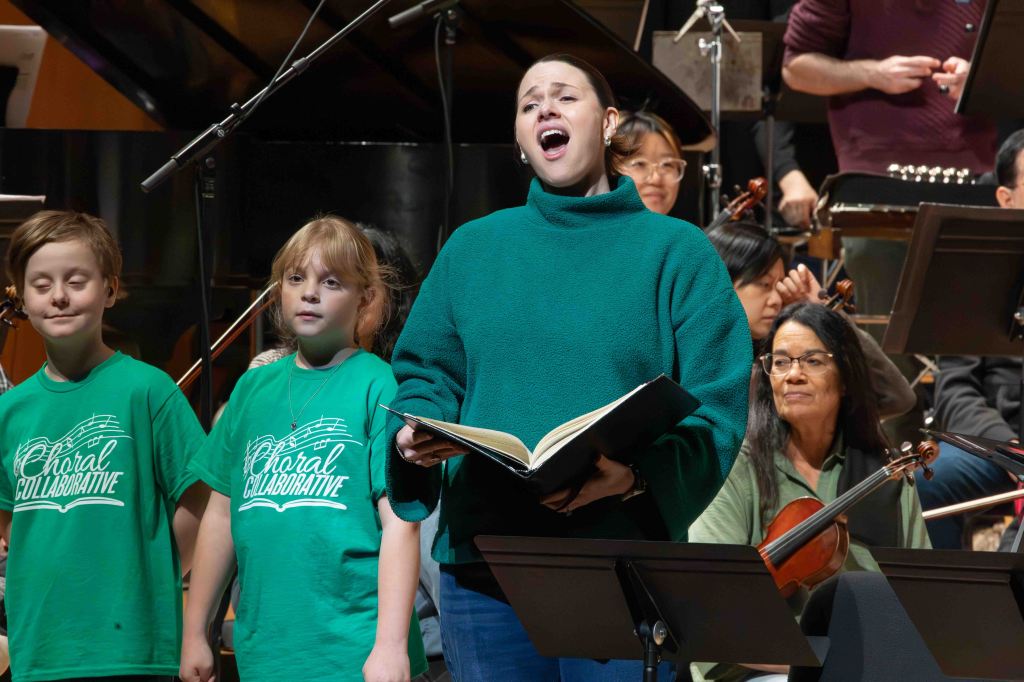
The Holland Center performance brought together approximately 350 high school singers from six area schools, along with the Omaha Symphony and professional soloists Maria Valdes, Eric Barry and Markel Reed. Richardson served as conductor, with Breland as chorus master. The program featured Orff’s Carmina Burana, including its widely recognized “O Fortuna” movement.
For Andersen, performing the final two movements was especially memorable.
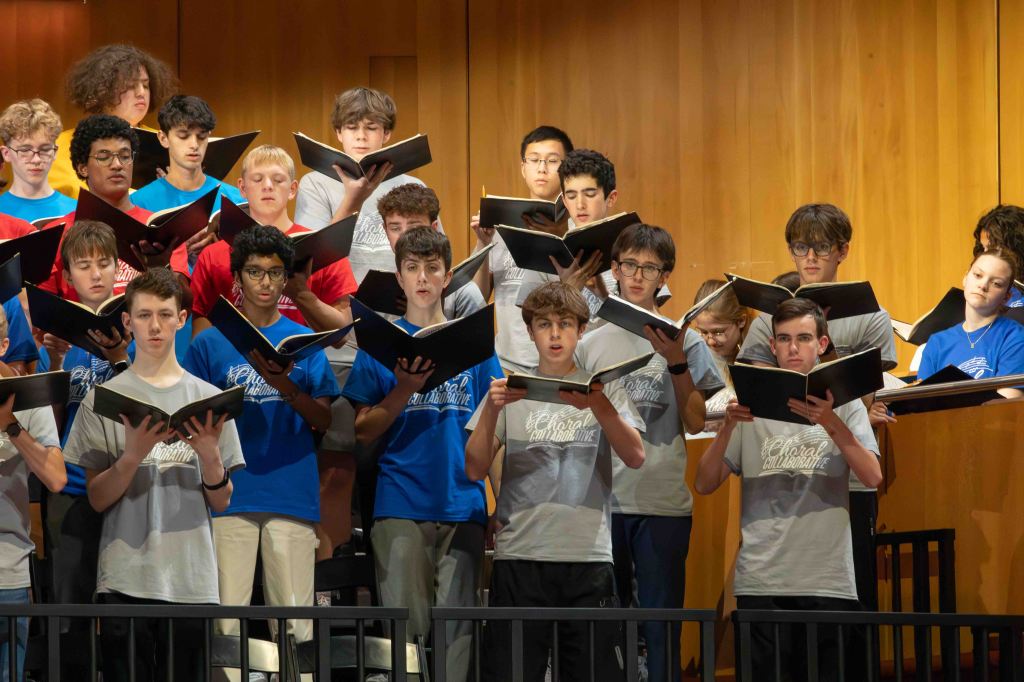
“The most memorable part of performing Carmina Burana was definitely the last two movements, because that was when I felt all our work throughout the semester come out, and the whole thing was so surreal,” he said.
Rivera, who had previously performed at the Holland Center through the Choral Collaborative, said returning for another year was something he had eagerly anticipated. He particularly appreciated the opportunity to connect with other students who shared his passion for music and to be trusted with such a challenging composition.
“I also liked how although we were all just high school kids, Mr. Hanke and the people of the Holland Center trusted us with this music that wasn’t necessarily meant to be sung by high school choirs. They believed we could do it, so we believed we could do it too,” Rivera said.
That confidence is precisely the kind of lasting impact Hanke hopes students take away from opportunities like this.
One of the vocal music department’s goals is to build lifelong musicians, and Hanke sees the Choral Collaborative as an important part of helping students envision a future in music beyond high school. Whether that means participating in community choirs, auditioning for collegiate ensembles or simply continuing to sing throughout adulthood, experiences like this can help students recognize their own abilities.
“I think this is one of the big mountain top life experiences that definitely contributes to students continuing their pursuit of music throughout their life,” Hanke said. He added that Bennington alumni who stay in touch frequently reference the Choral Collaborative as a motivating factor in their decision to continue singing in college.
The Omaha Symphony’s Education and Community Engagement Director Liz Kendall Weisser said the program’s longevity speaks to the value it brings to young musicians. Now in its 35th Choral Collaborative program, the initiative is believed to be the only one of its kind in the nation.
“This program is only possible due to the incredibly skilled and dedicated teachers willing to guide students through such a complex process, and we are forever grateful to Mr. Hanke for his leadership!” Weisser said.
She noted that the program has had a lasting influence on participating students, with past choristers identifying the experience as a pivotal moment in their decisions to pursue music in college and beyond. The Symphony is even beginning to see second-generation choristers returning to participate.
For Bennington students, the impact is already evident.
Yates said the experience strengthened his desire to pursue a music education degree in college, while Andersen said performing alongside the Omaha Symphony helped him become much more confident in his ability to learn difficult music. Rivera similarly said the experience changed how he viewed music and left him feeling more confident as a musician.
“It’s a special opportunity we have here in the metro that is not a common occurrence around the country and we are grateful for the invitation to be part of something special,” Hanke said. “Our students reflect positively about the experience each year and while they say it is a lot of work, they overwhelming acknowledge that it is worth it in the end.”
For the students who spent months learning, rehearsing and refining Carmina Burana, the performance was more than simply another concert. It was an opportunity to discover what they could accomplish together, gain confidence in their musical abilities and experience firsthand the lasting impact of being part of something much larger than themselves.