By Marisa Dawson
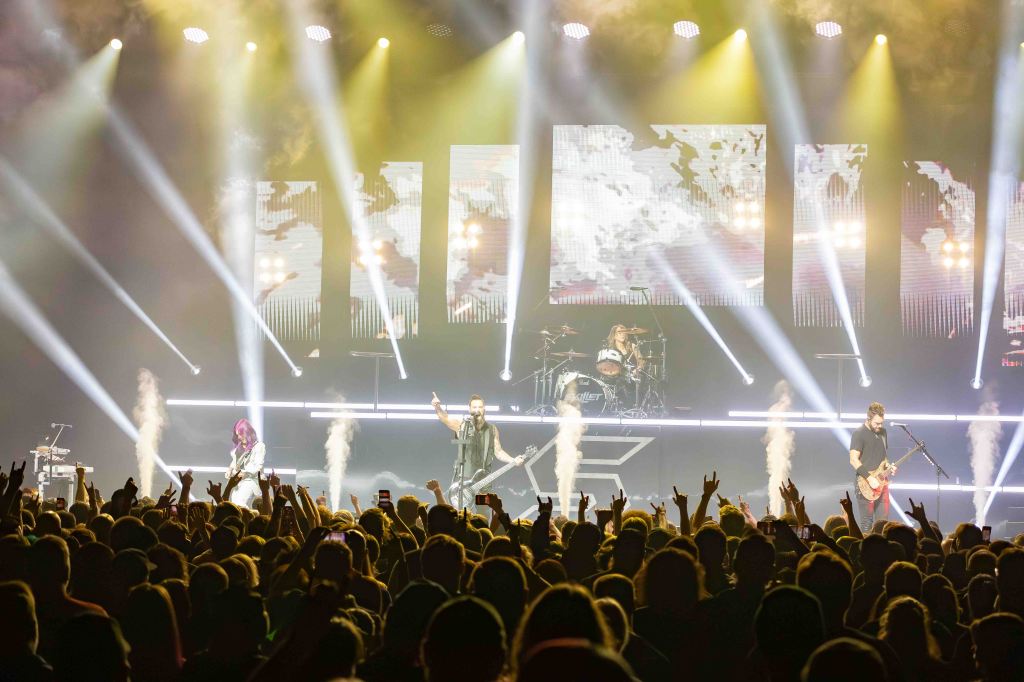
Three decades of music, two decades since a defining album and a message of hope brought together generations of rock fans Sunday night as Skillet headlined at Steelhouse Omaha.
The Grammy-nominated rock band brought its Comatose 20 Years, Still Screaming Tour to Omaha on October 18, joined by opening acts Autumn Kings and Escape the Fate. The concert celebrated the 30th anniversary of Skillet and the 20th anniversary of its 2006 album Comatose, performing the album in its entirety, though not in its original track order.
“Thank you for 30 years of skillet this year! We love you!” frontman John Cooper told the crowd.
The band’s performance blended the high-energy rock sound that has defined its career with quieter, more personal moments, reminding the audience that music can be more than entertainment. For Cooper, it can be a source of connection, encouragement and hope during life’s hardest seasons.
The evening opened with Autumn Kings, making their first appearance in Omaha, according to the band’s introduction. The group quickly established an energetic atmosphere, engaging the crowd and demonstrating strong chemistry onstage. After its performance, members met fans at the merchandise table.
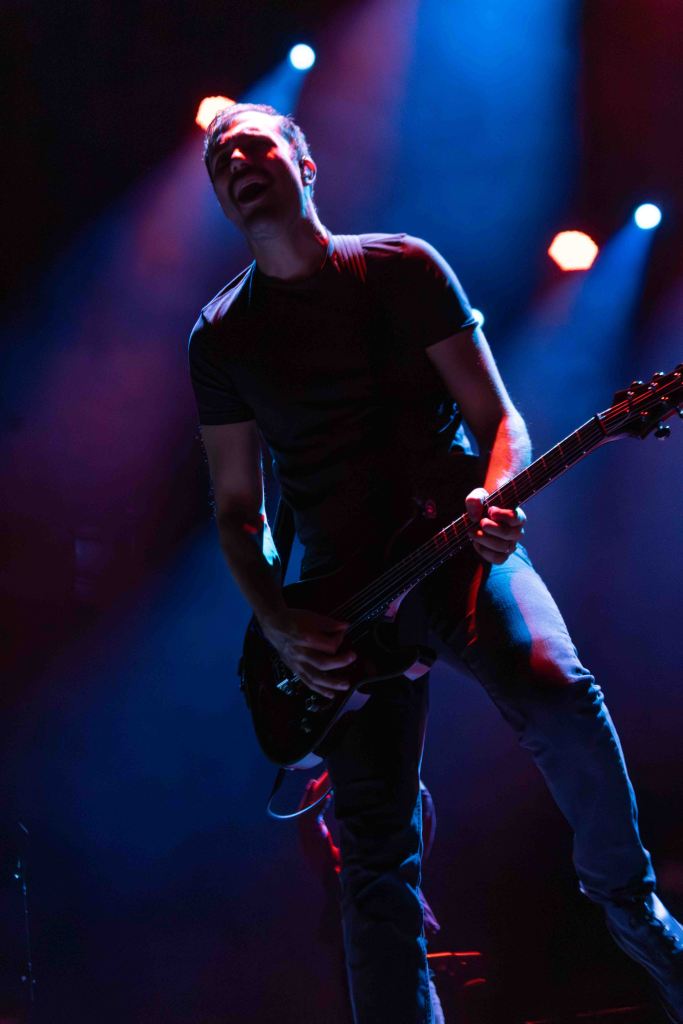

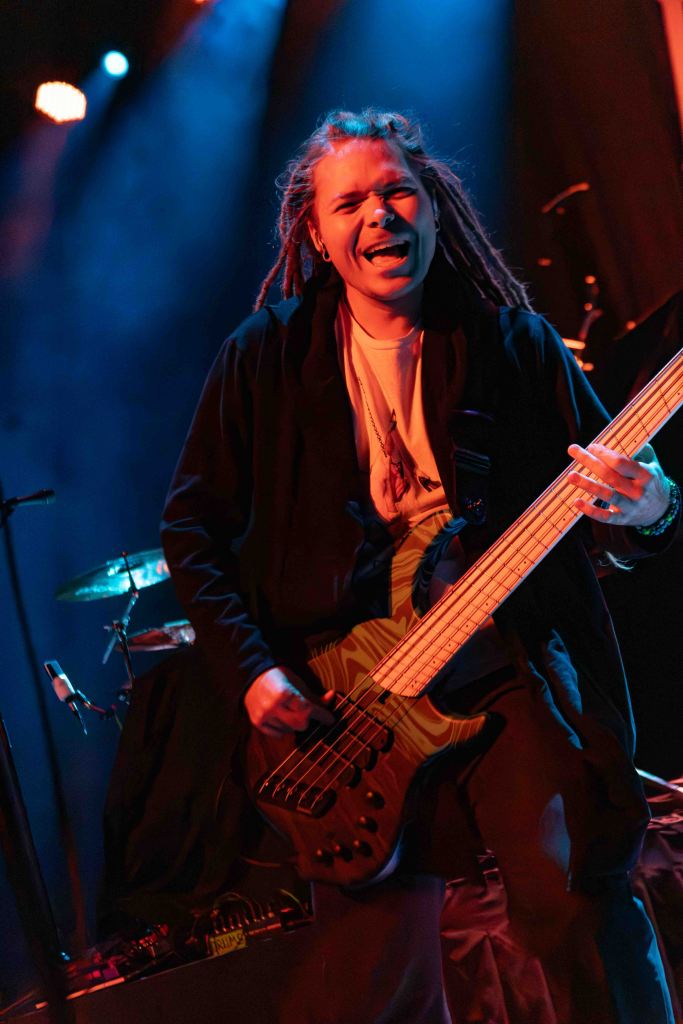
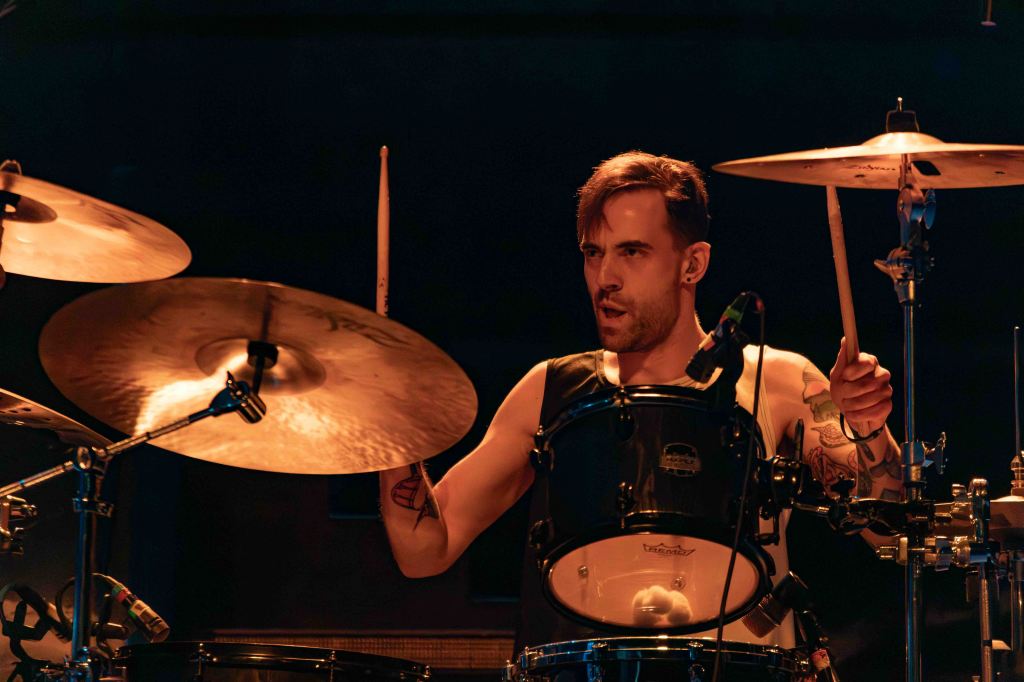
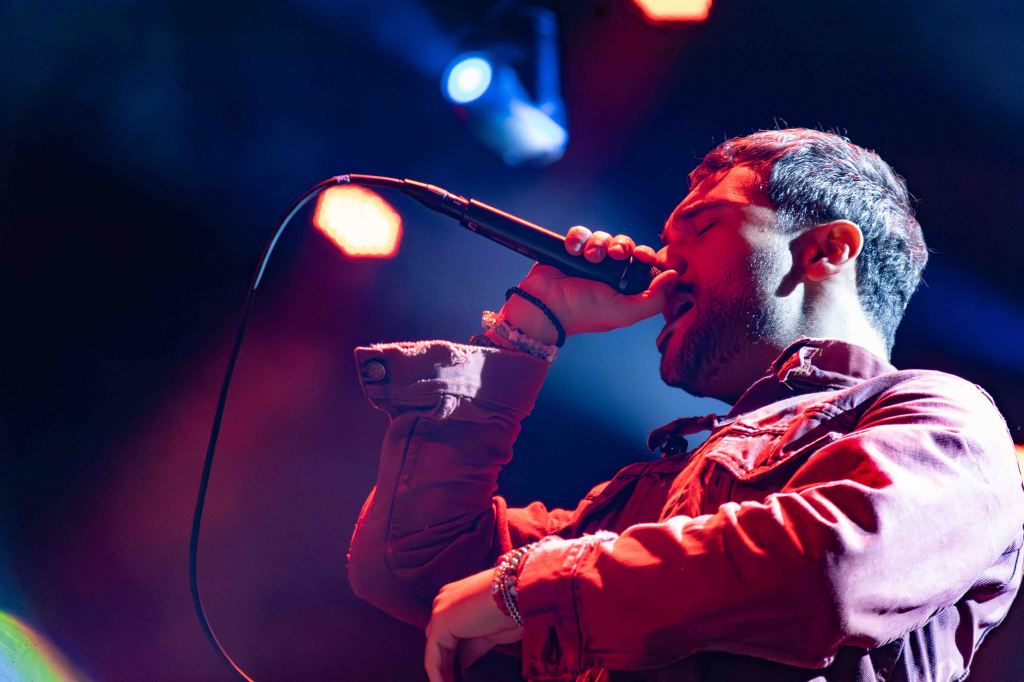
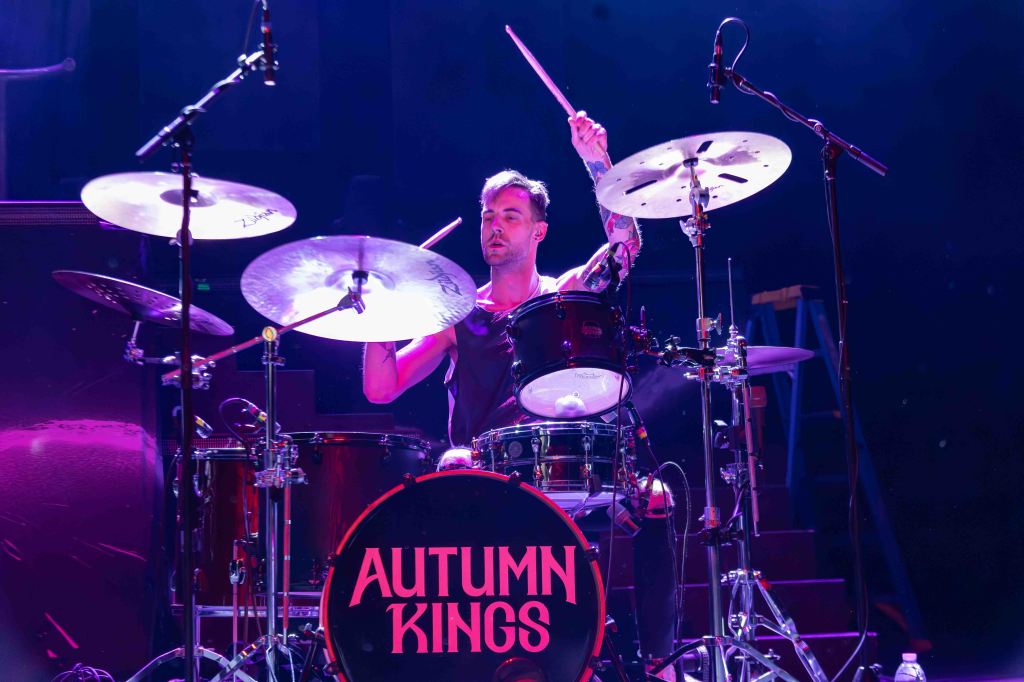
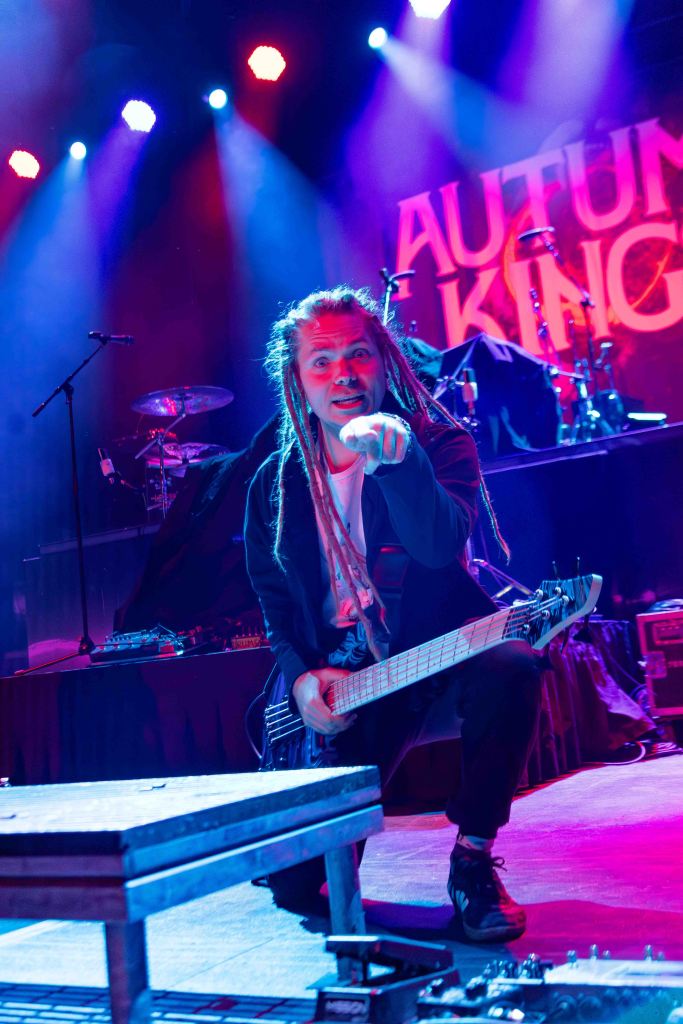
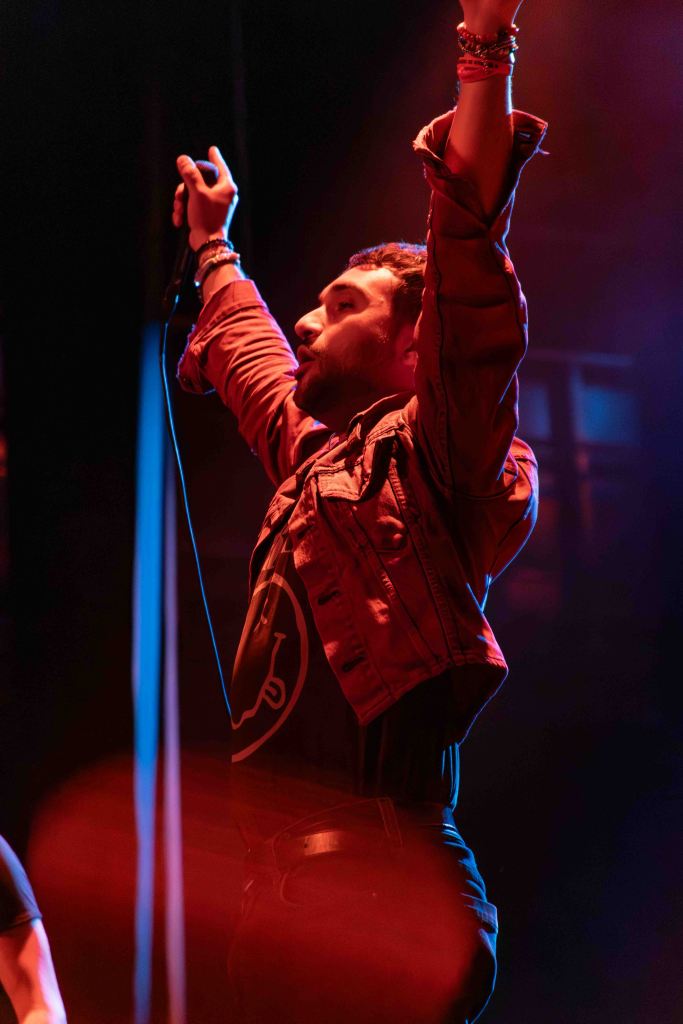
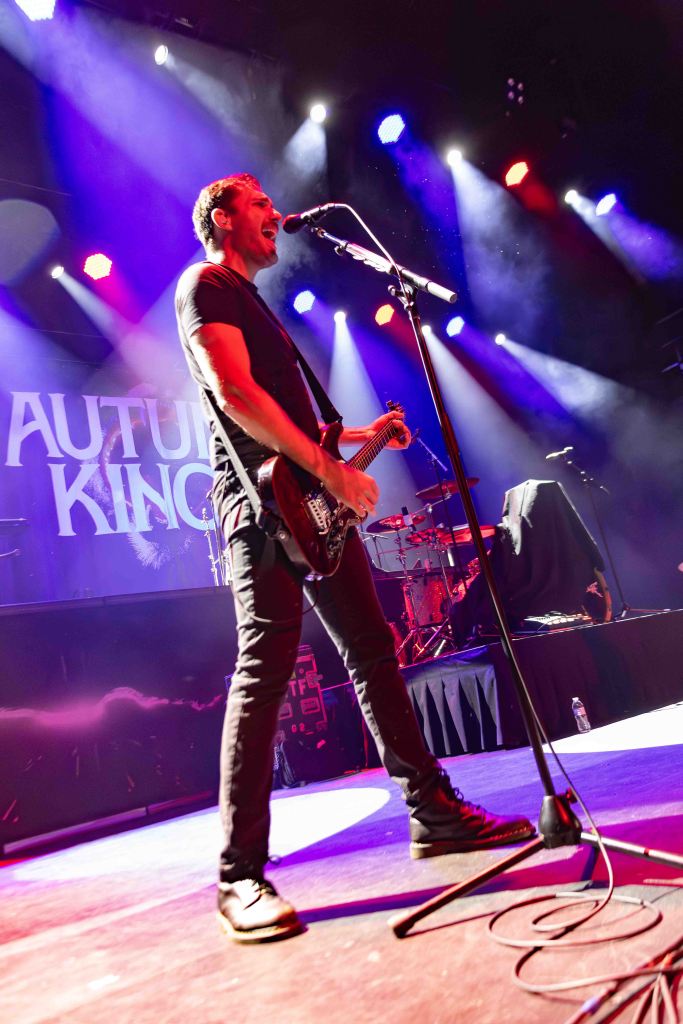
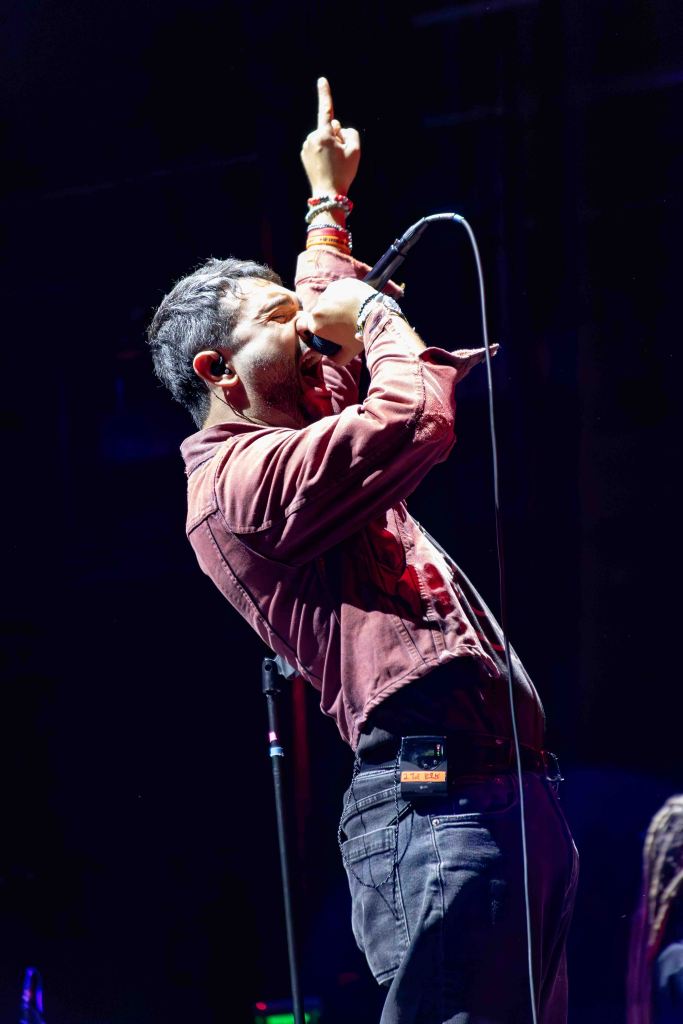
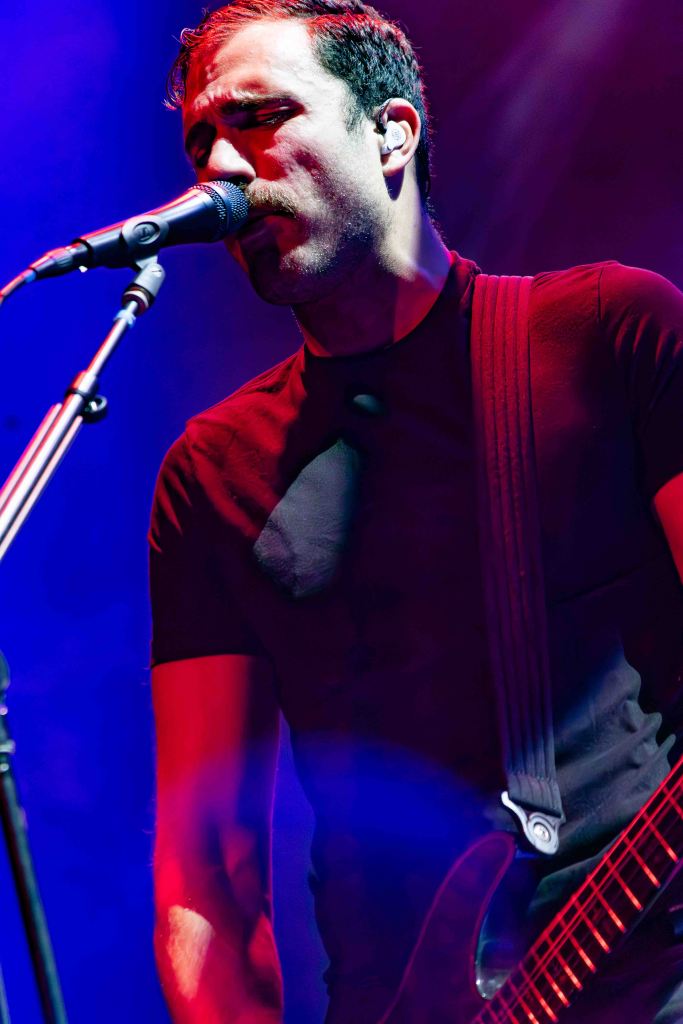
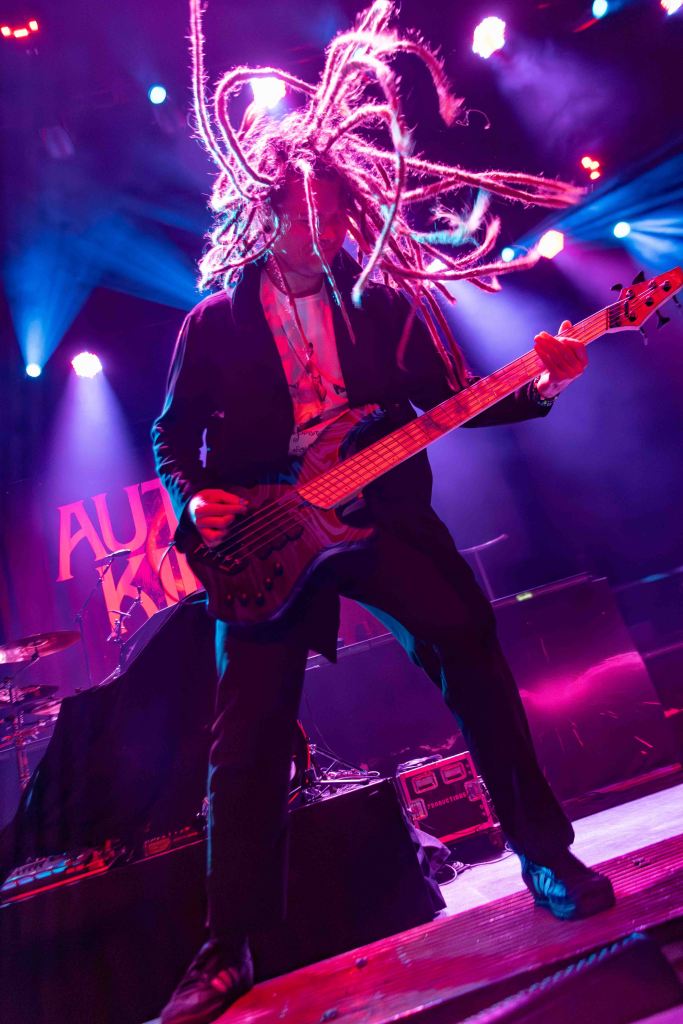
Autumn Kings, a Canadian rock band originally from Windsor, Ontario, blends hard rock and alternative rock with soaring vocals, guitar riffs, rap influences and heavier screams. The band spent nine years releasing music independently before signing with Hopeless Records in 2024, according to its biography. Its music often explores heartbreak, isolation and anxiety, with an emphasis on overcoming difficult experiences and finding the courage to move forward. The band has released projects including Book of the Broken (2022) and Epiphanies (2026), and has toured with acts including Hollywood Undead and Set It Off. Sunday’s show marked the band’s first appearance in Omaha, where its energetic set and crowd engagement helped kick off the evening.
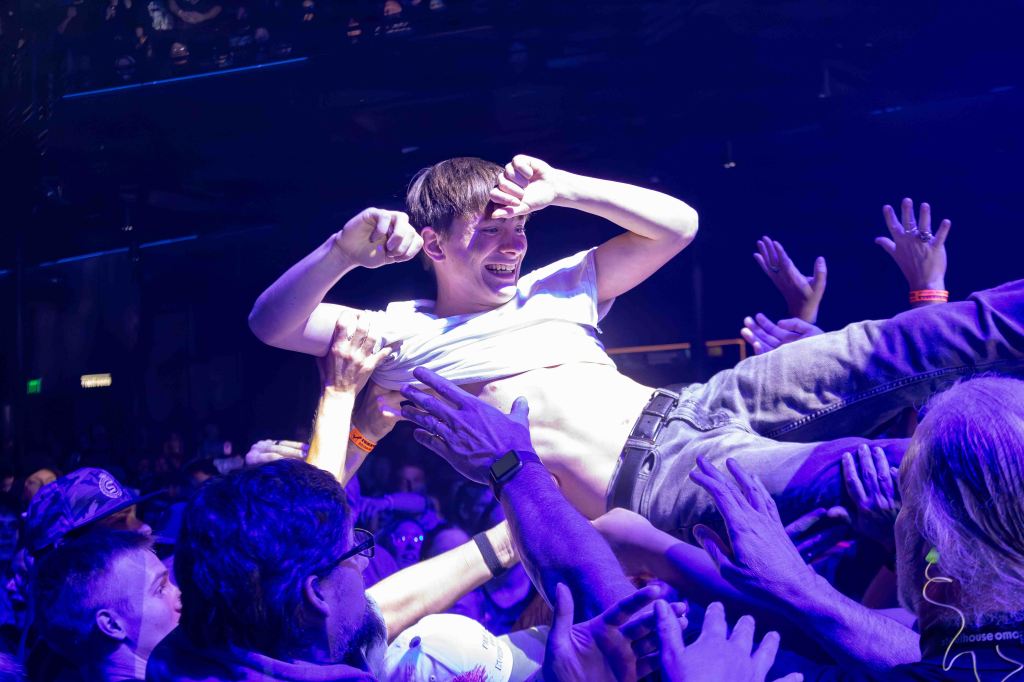
Escape the Fate followed with a loud, high-energy set that kept the audience moving. Crowd surfing became a prominent feature of the performance as the band played material from its newest album. Like Autumn Kings, the group remained afterward to meet fans.
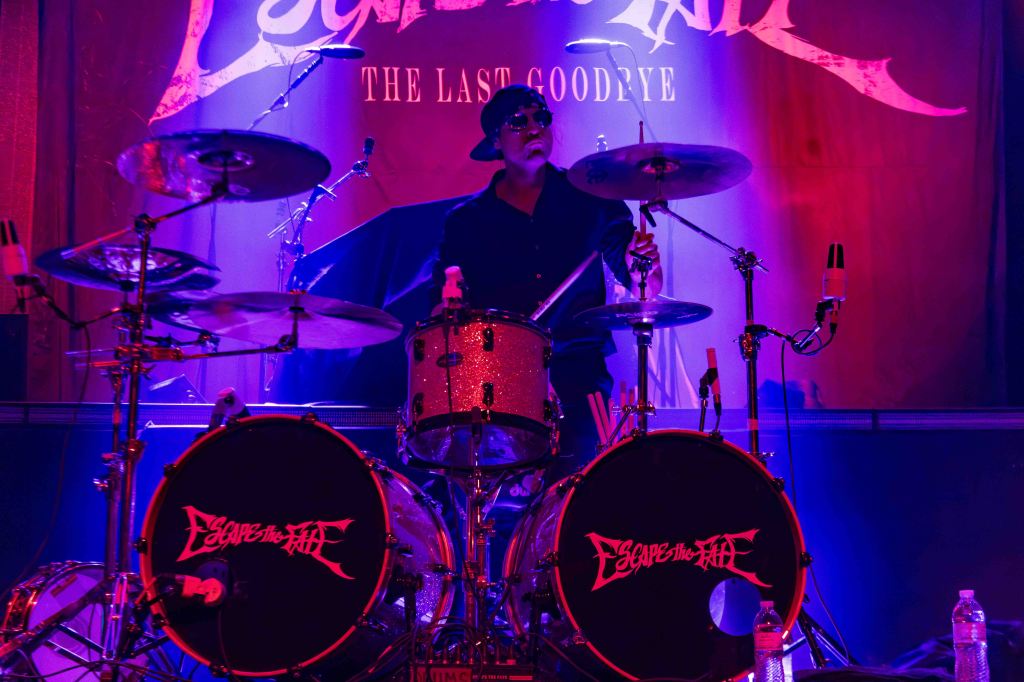
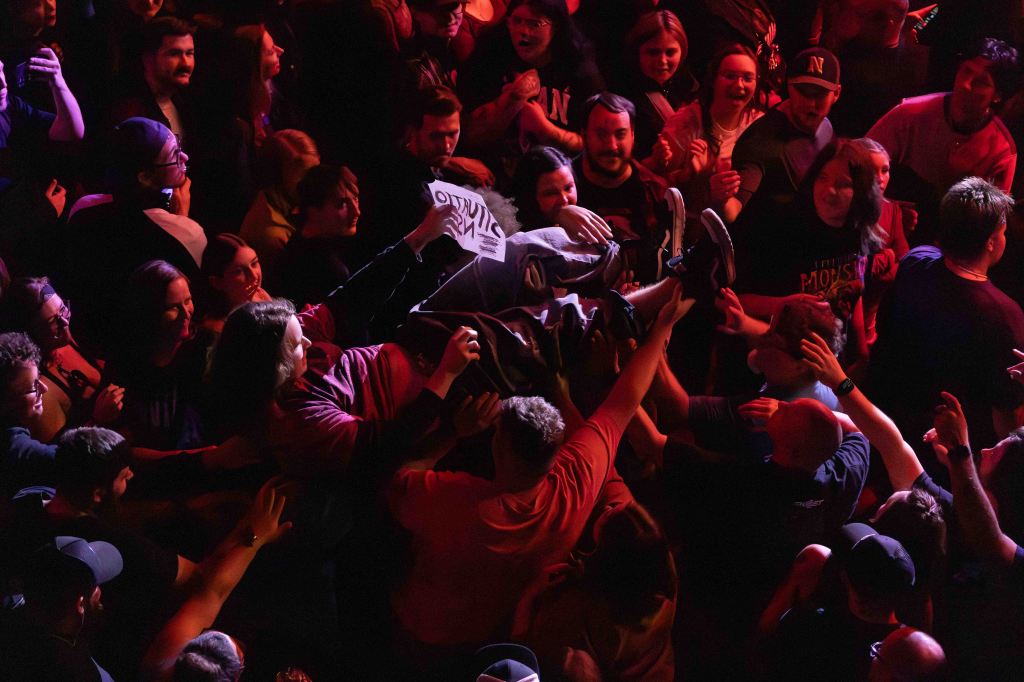
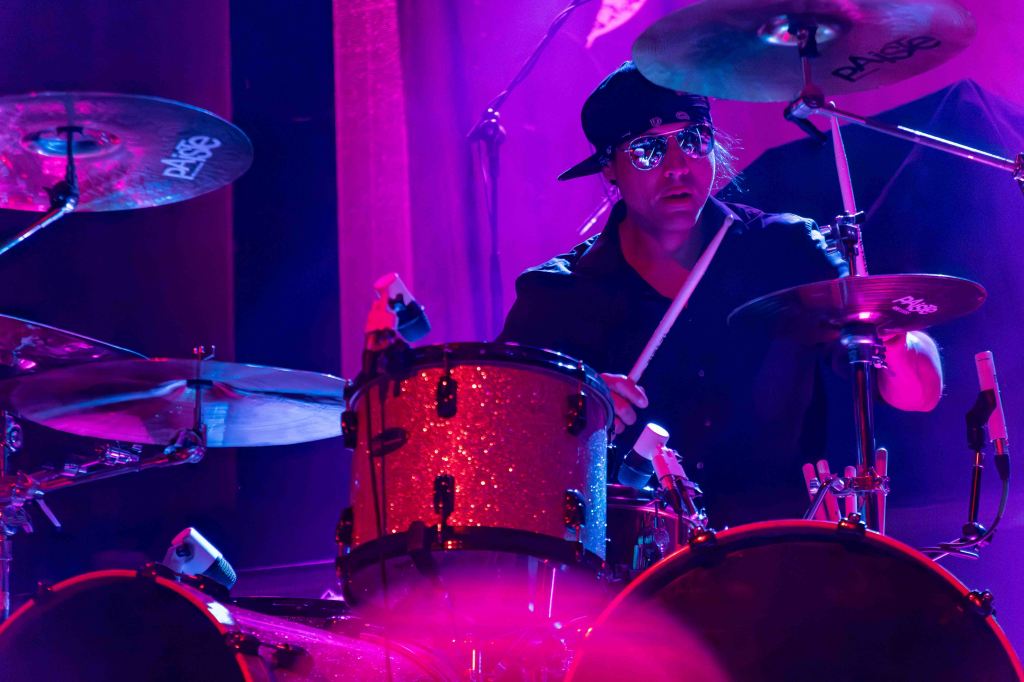
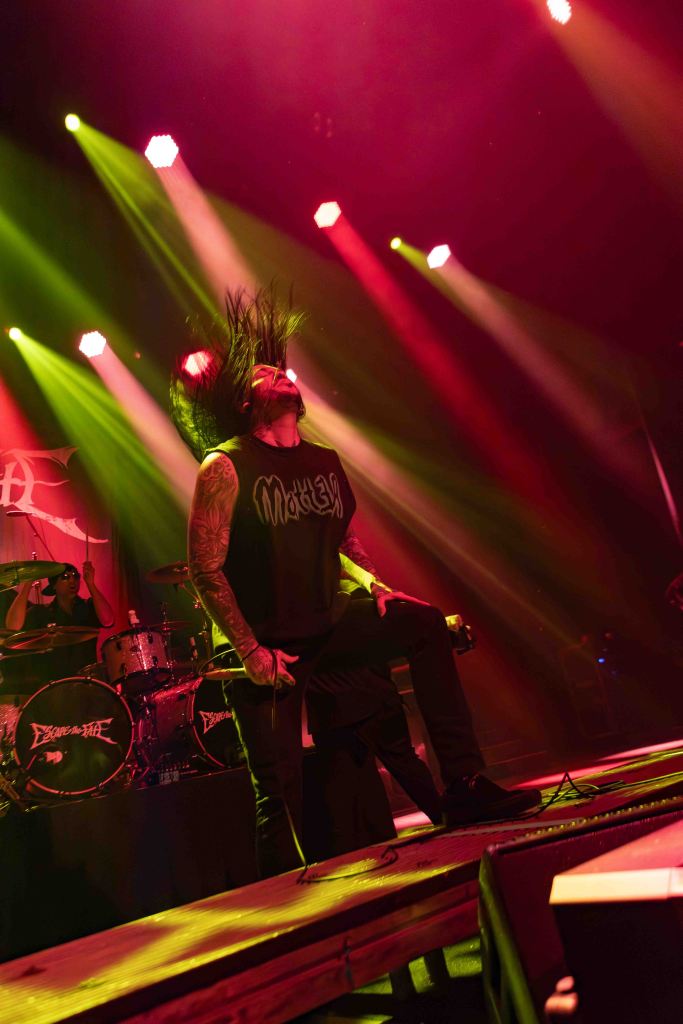
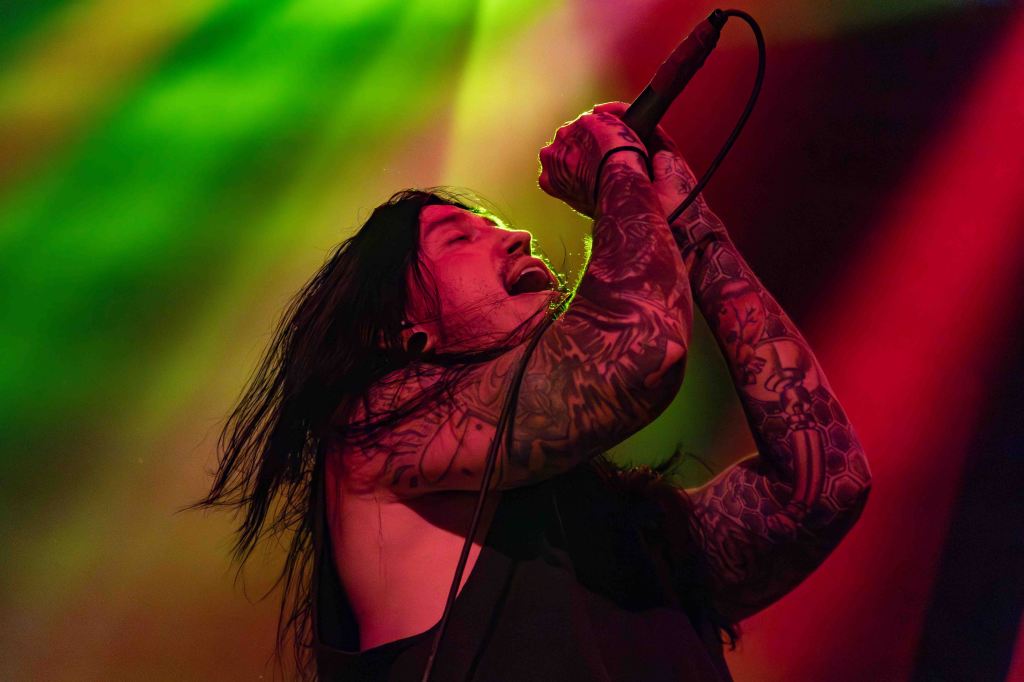
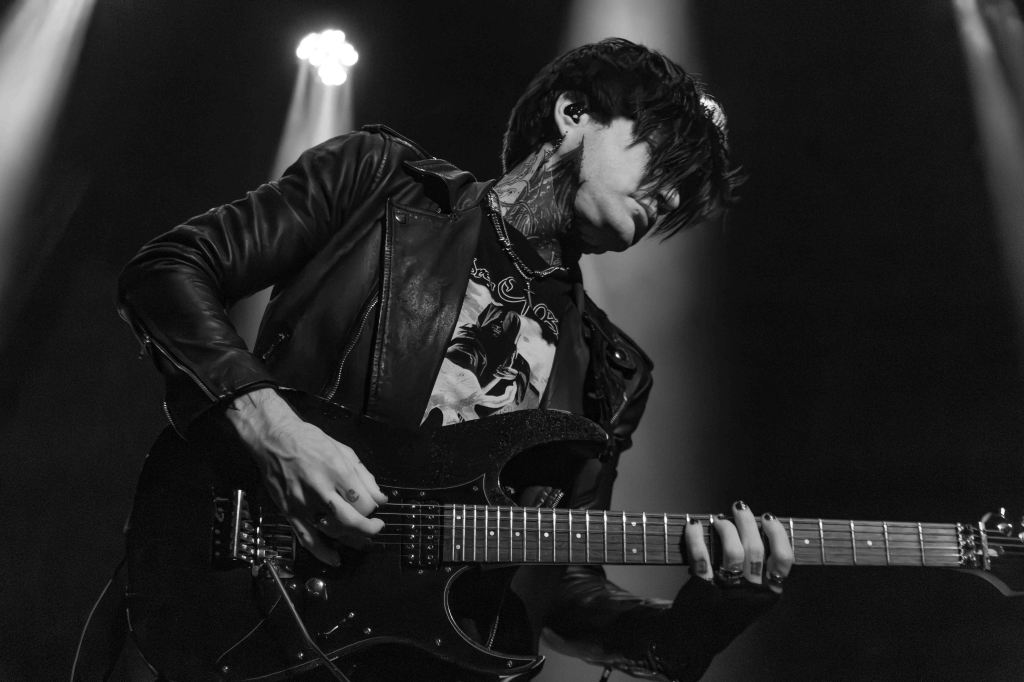
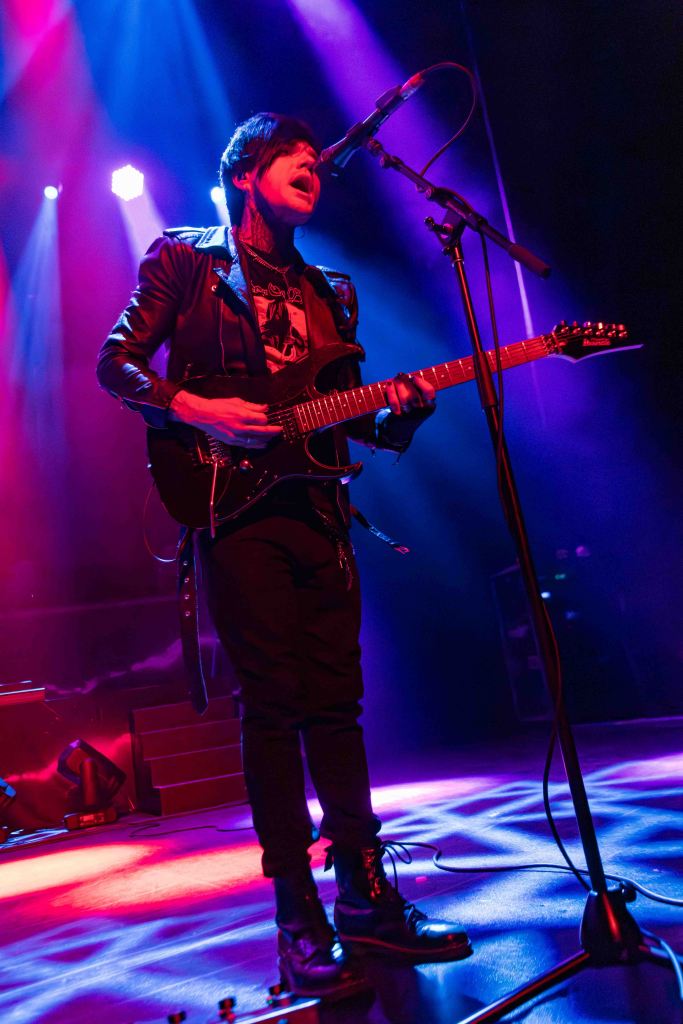
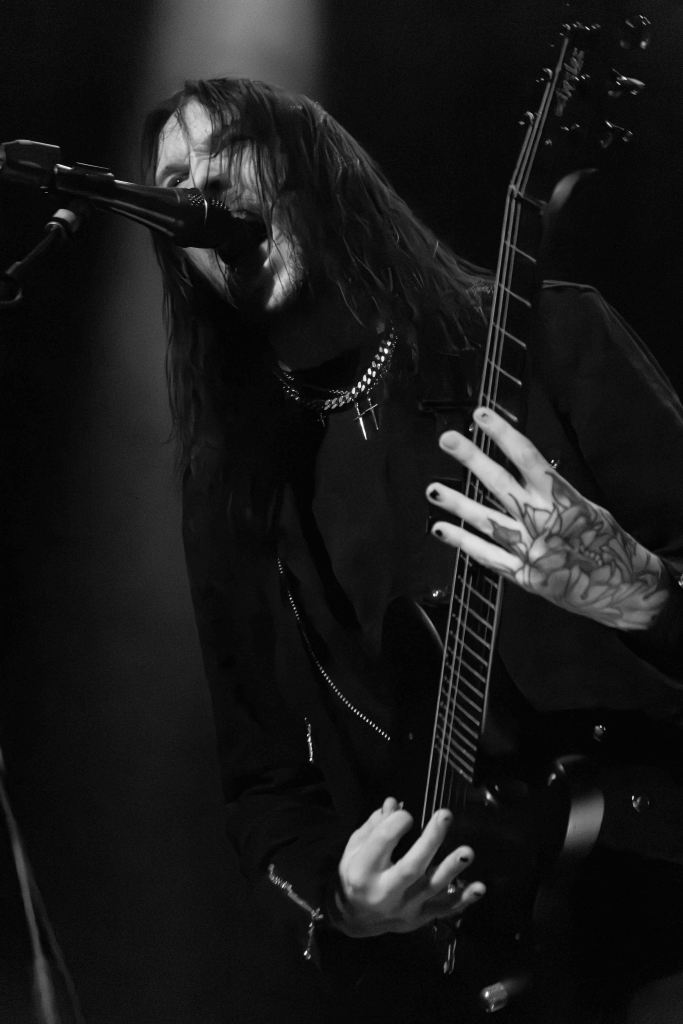
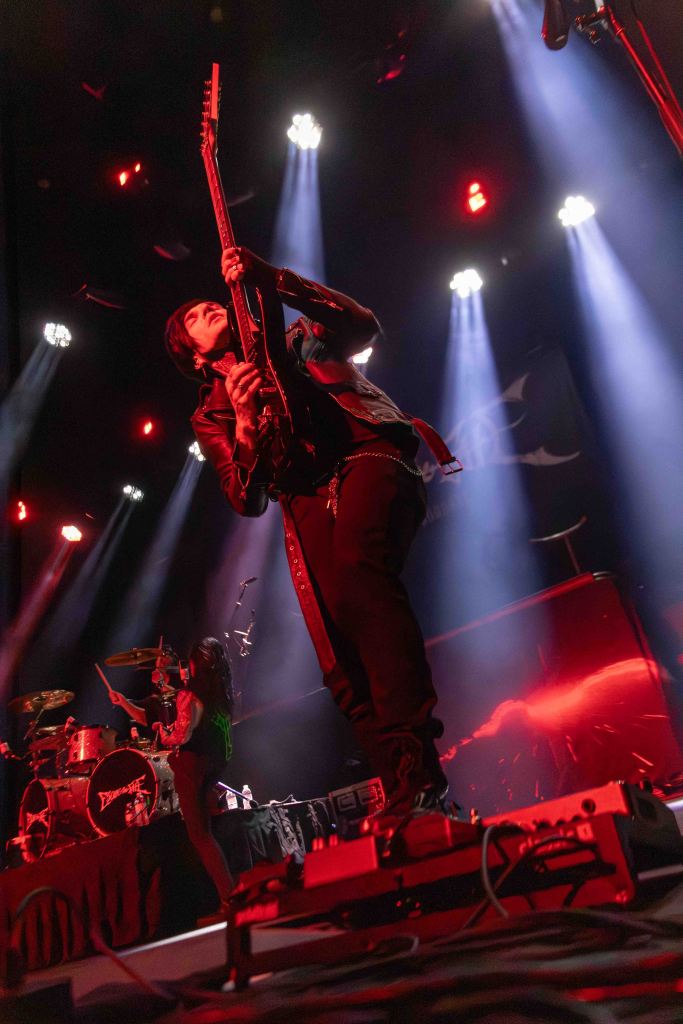
Formed in Las Vegas in 2004, Escape the Fate has built a following with a sound that combines post-hardcore, metalcore and hard rock, balancing aggressive instrumentation with catchy hooks and melodic passages. The band gained early momentum after winning a radio contest judged by My Chemical Romance in 2005, earning an opportunity to open for the band on tour and helping secure a record deal with Epitaph Records. Its releases include Dying Is Your Latest Fashion (2006), This War Is Ours (2008), Hate Me (2015) and Out of the Shadows (2023). Known for its intense live performances, Escape the Fate brought that energy to Steelhouse Omaha on Sunday, with crowd surfing and songs from its newest album helping maintain the night’s momentum ahead of Skillet’s headlining set.
By the time Skillet took the stage, the evening had built into a celebration of rock music spanning multiple eras.
The band launched into a set featuring songs from Comatose, including “Rebirthing,” “The Last Night,” “Better Than Drugs,” “Comatose,” “Falling Inside the Black” and “Those Nights.” The album’s 20th anniversary gave longtime fans an opportunity to revisit songs that have remained meaningful long after their original release.
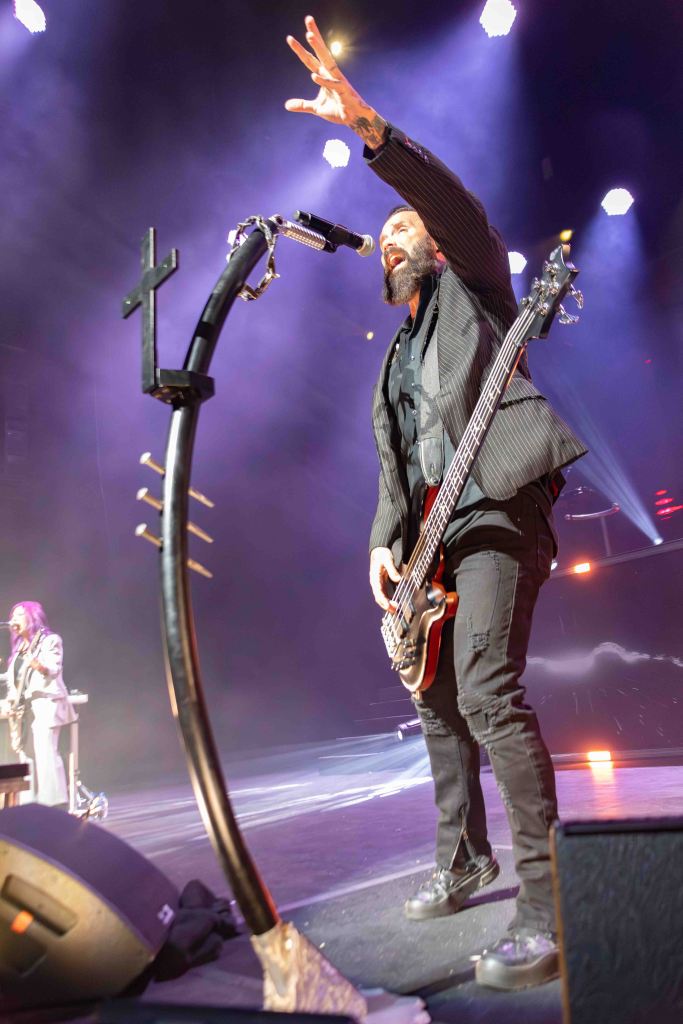
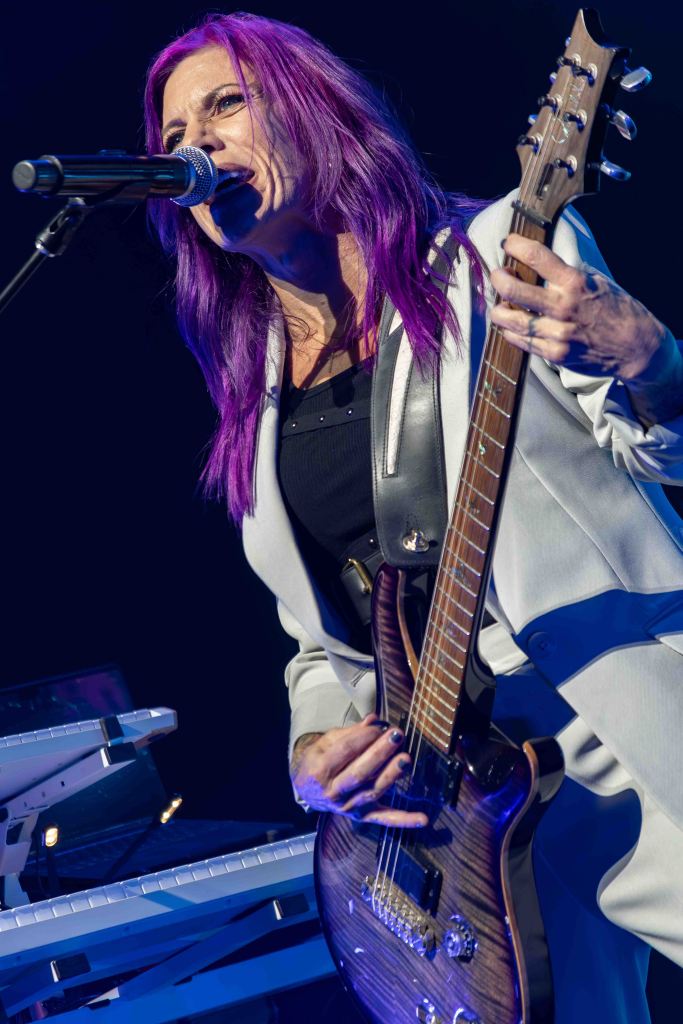
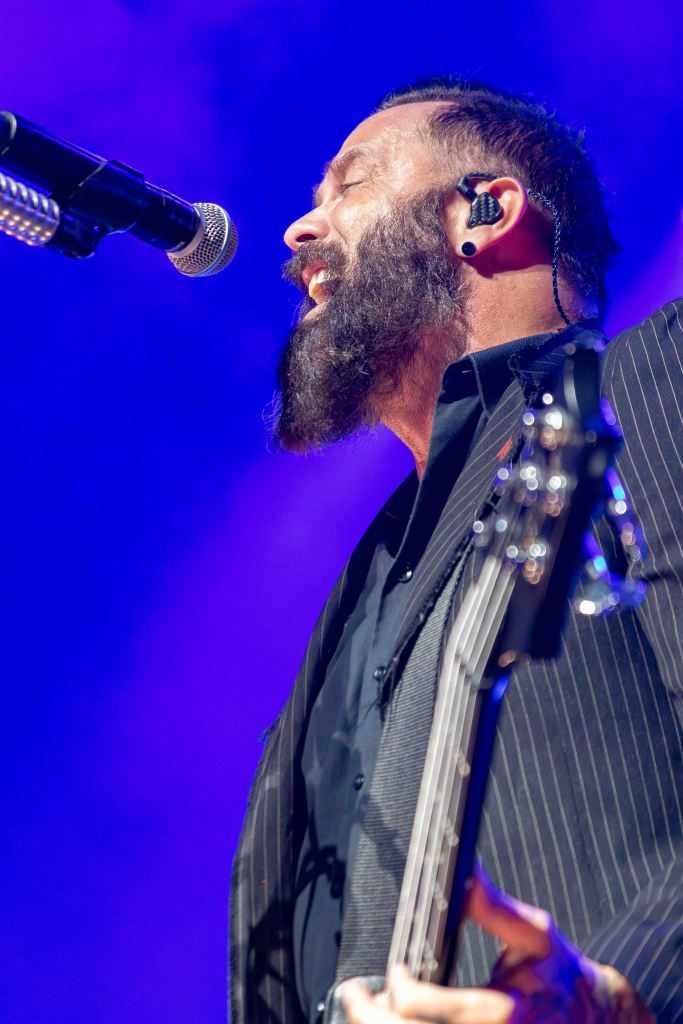
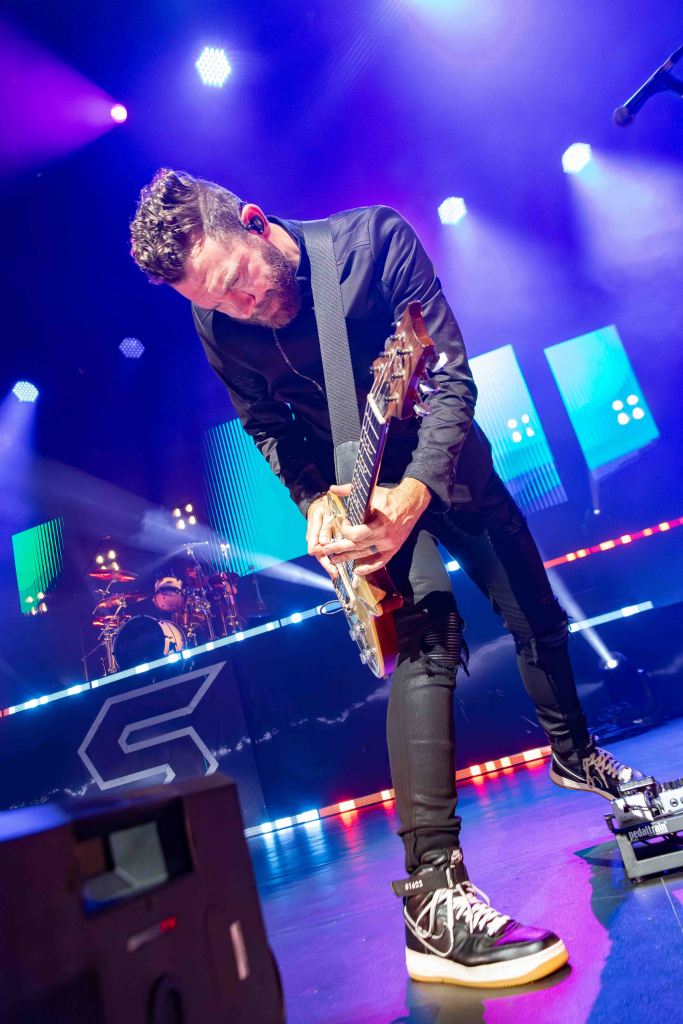
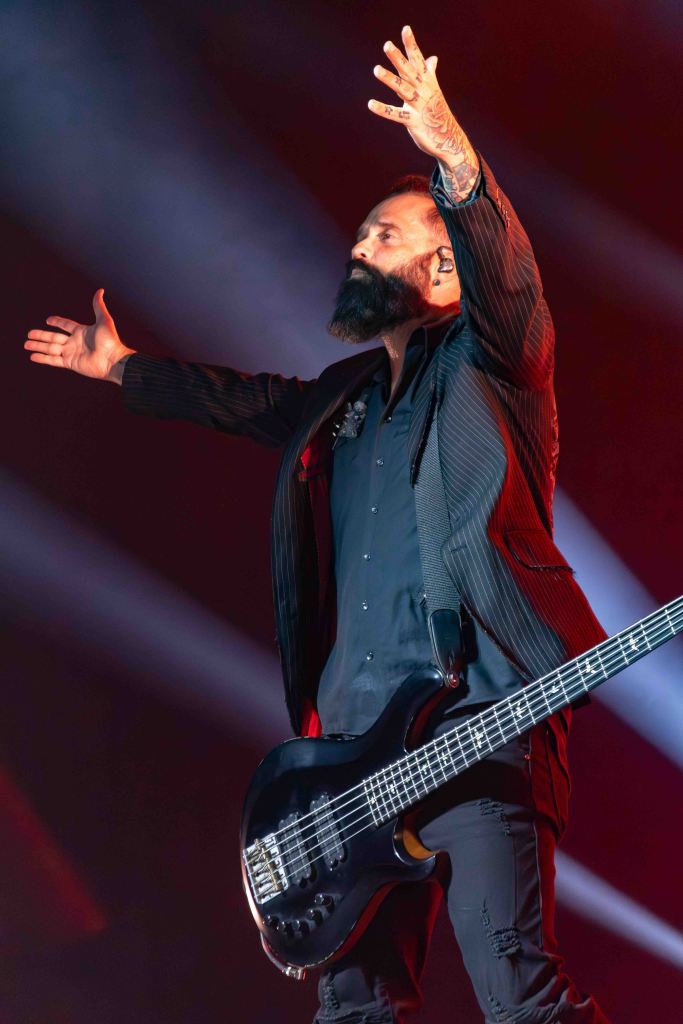
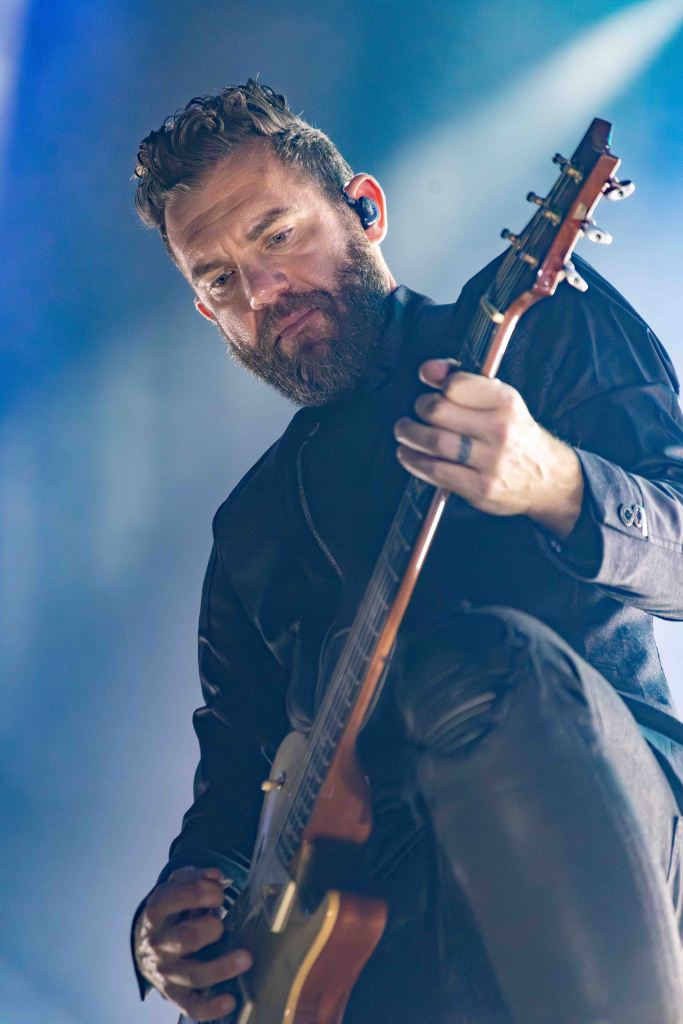
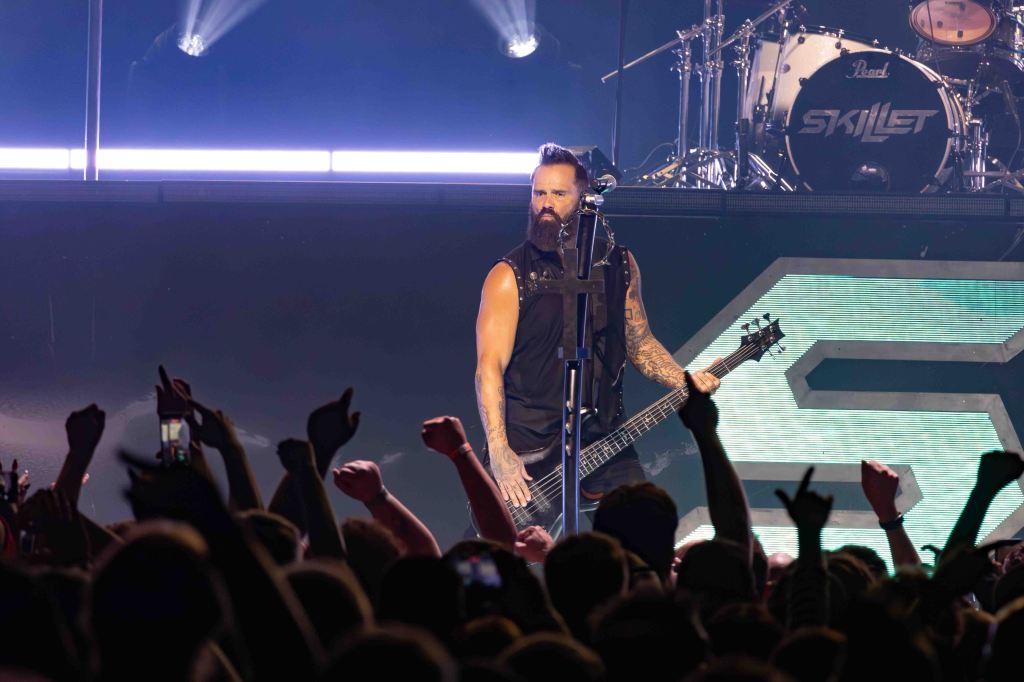

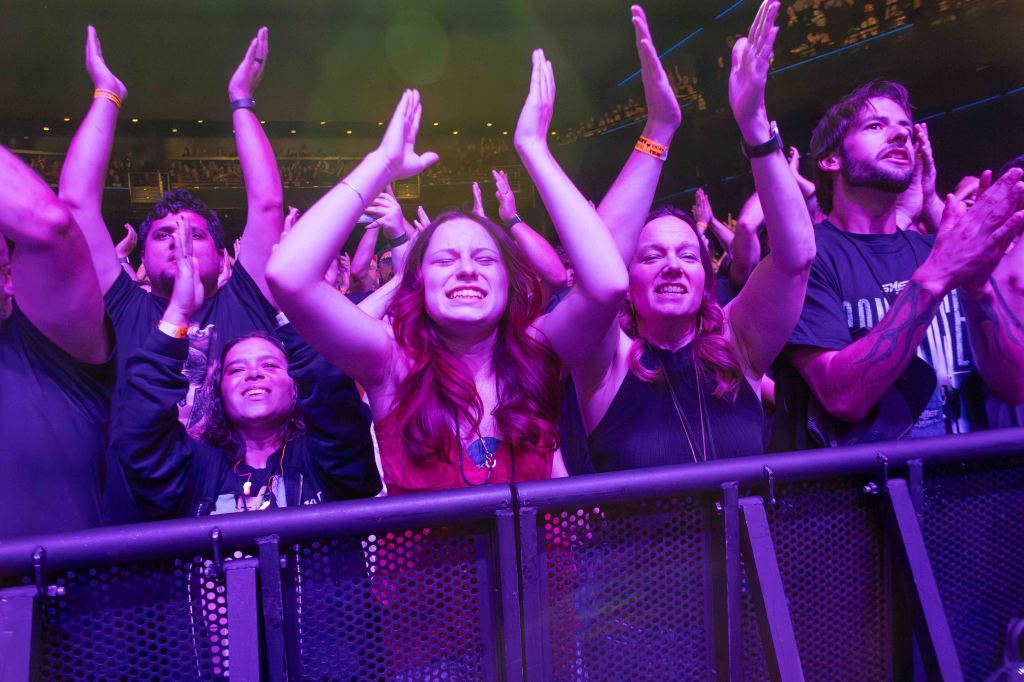
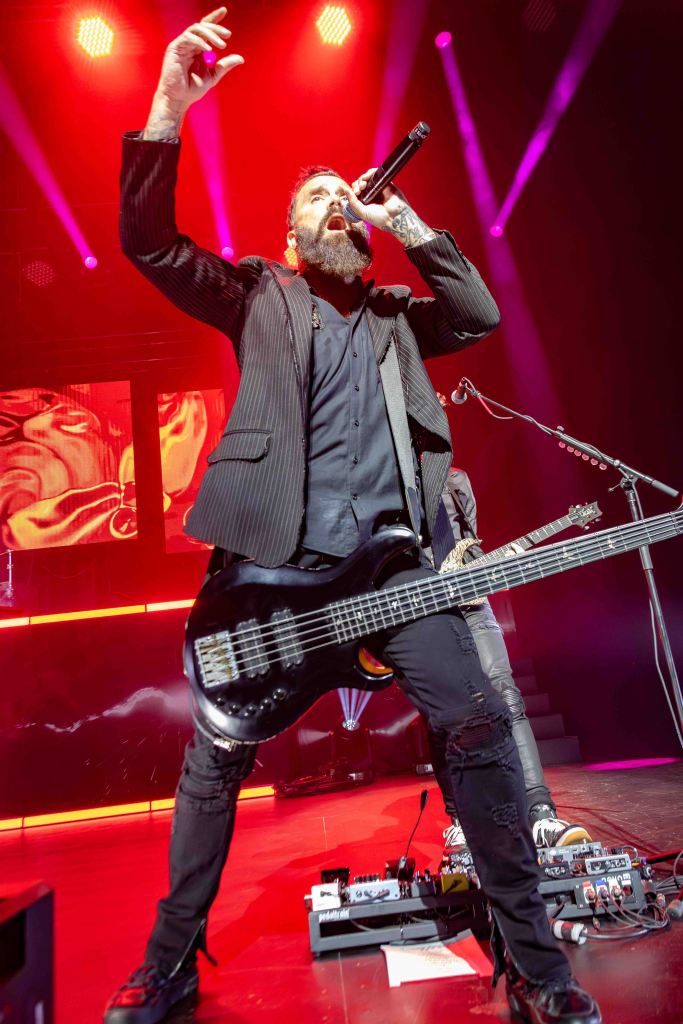
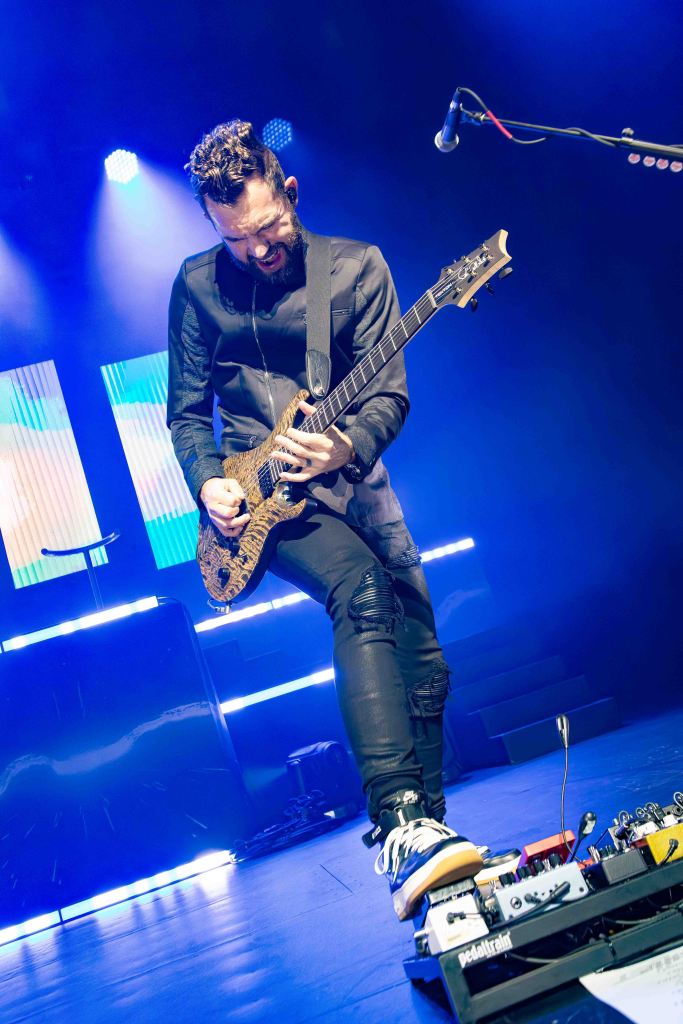
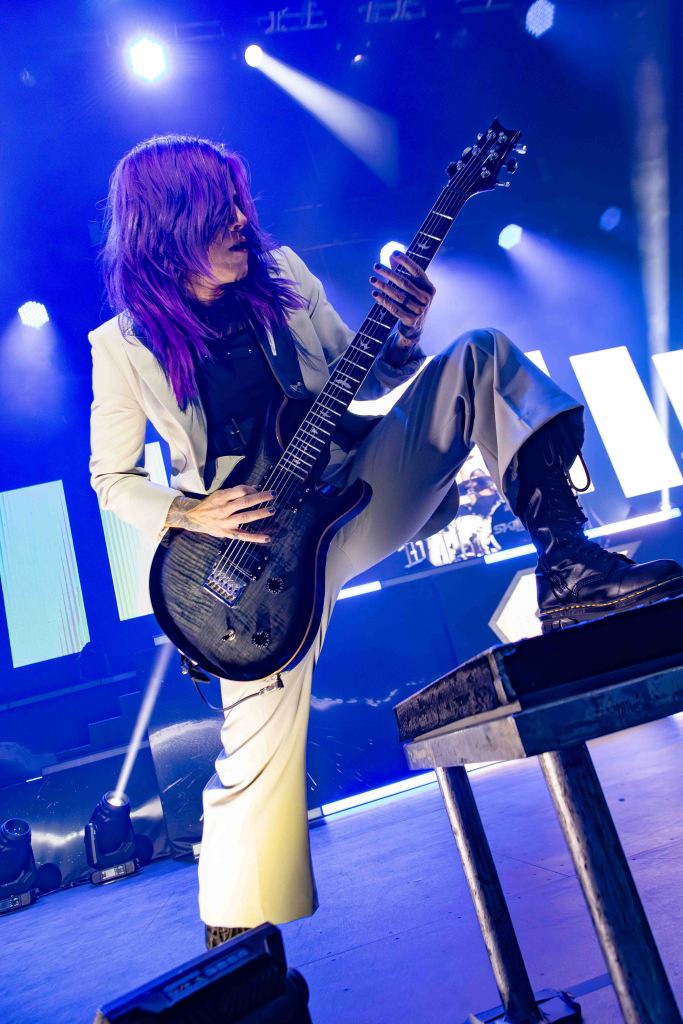
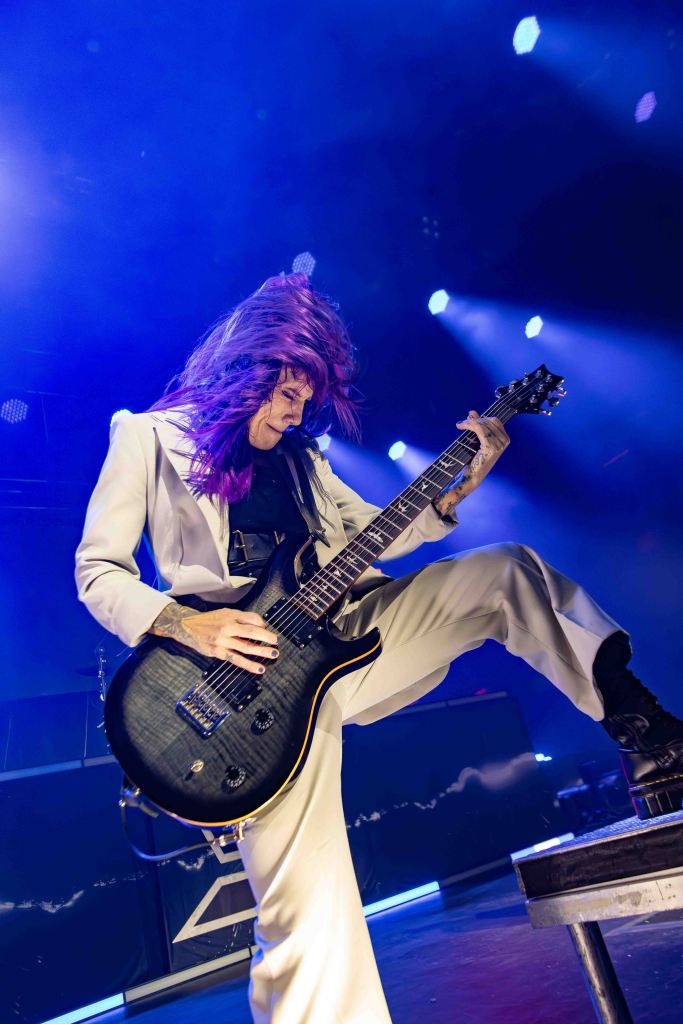
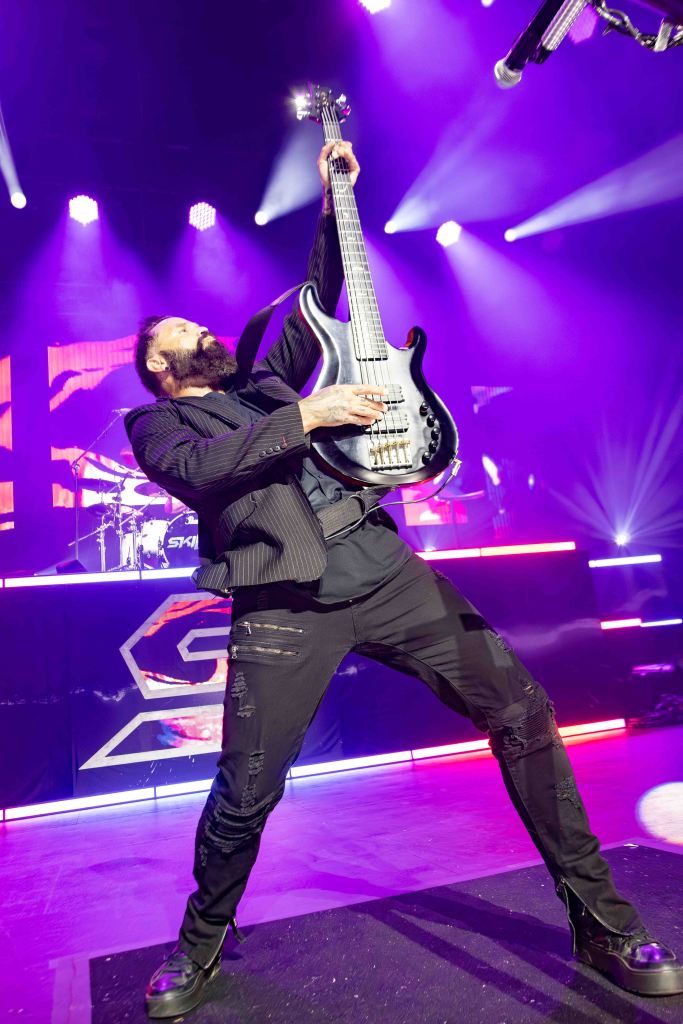
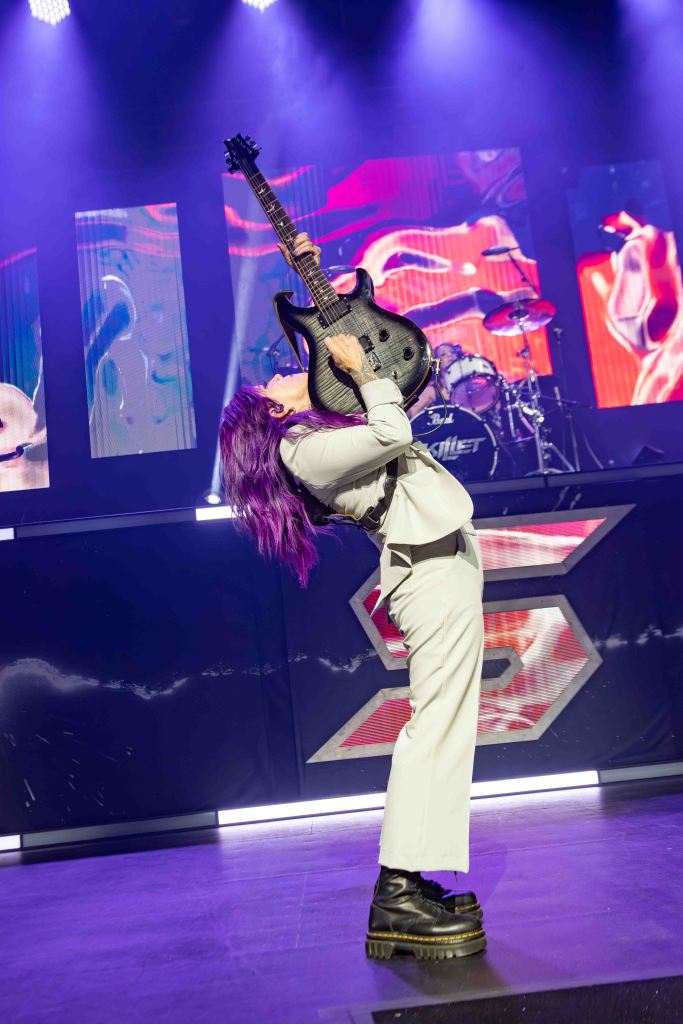
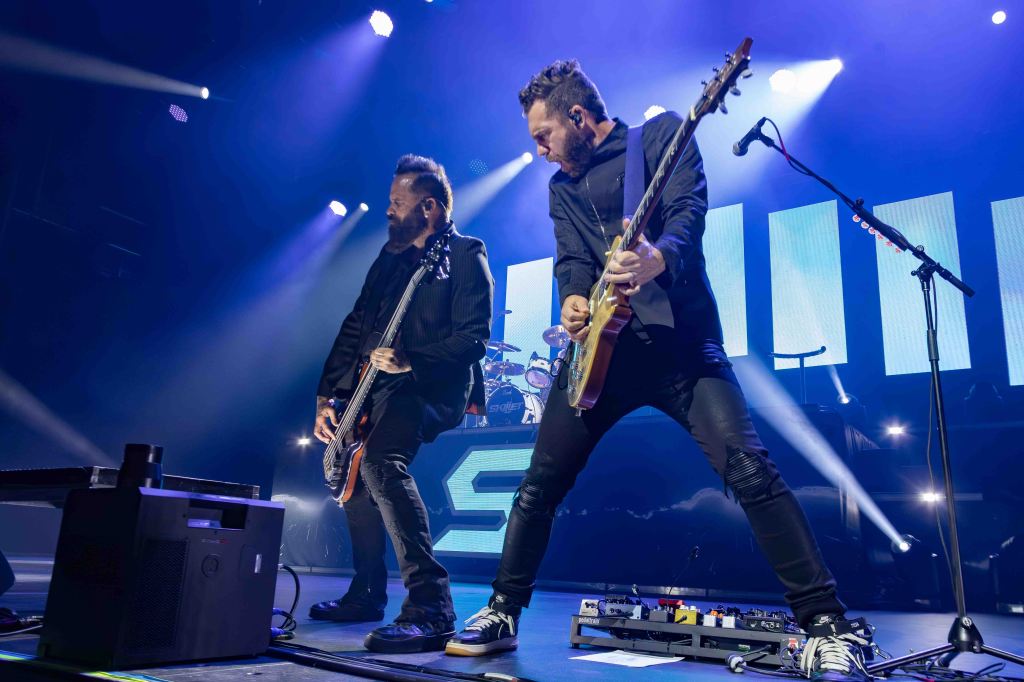


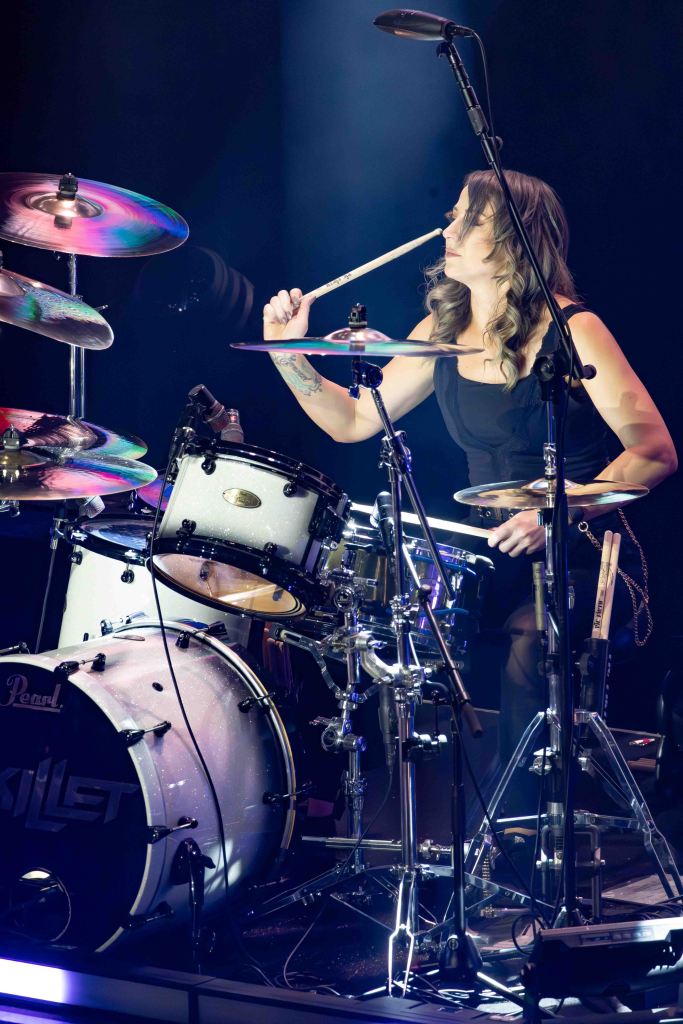
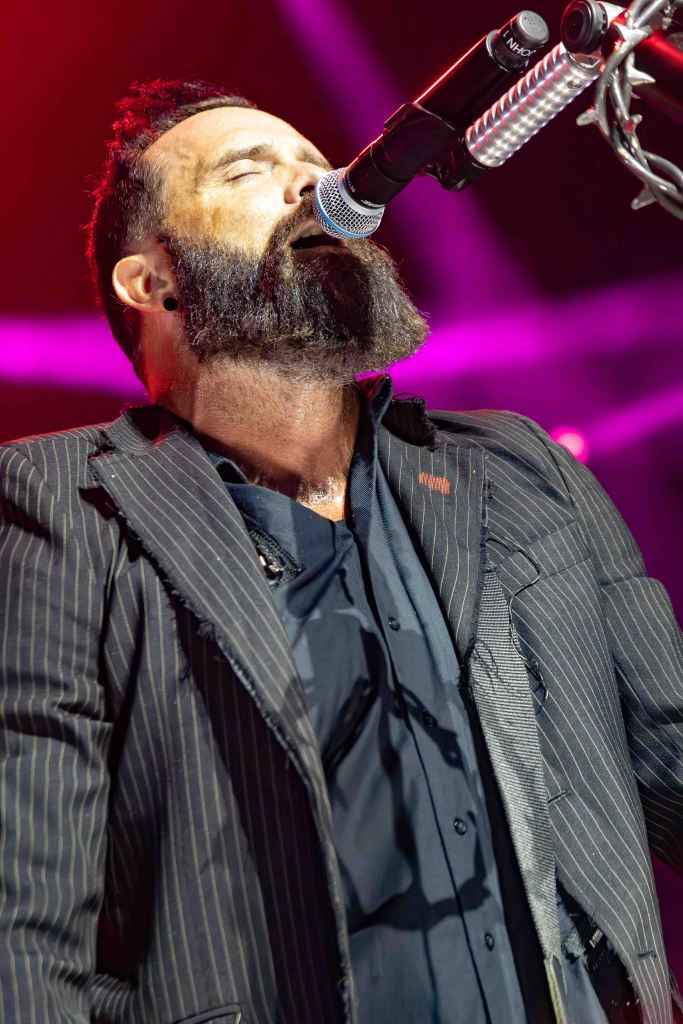
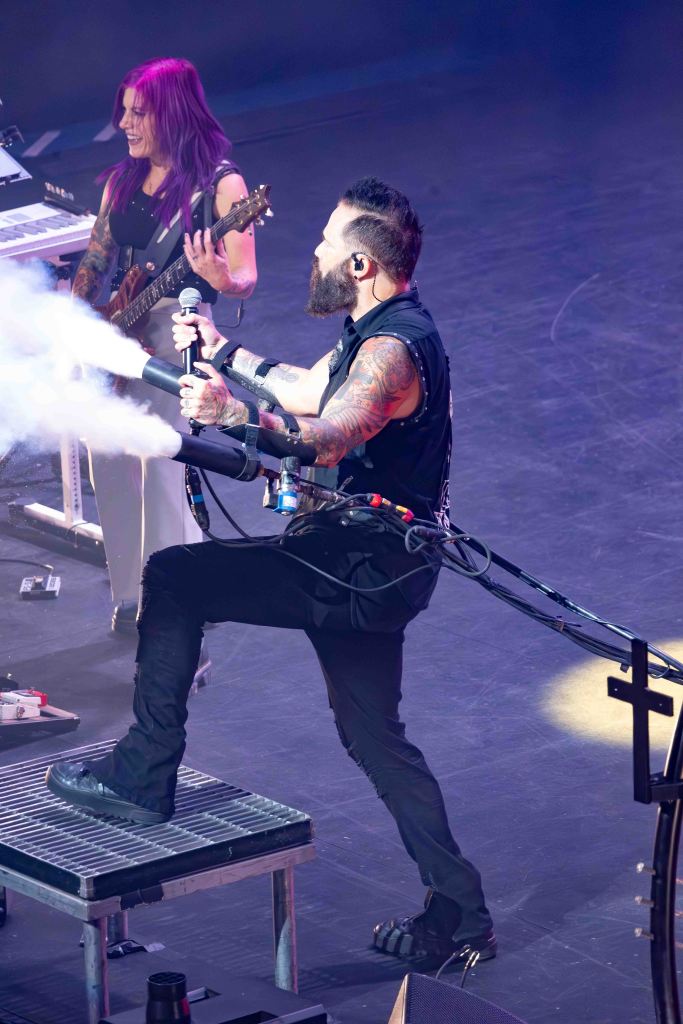
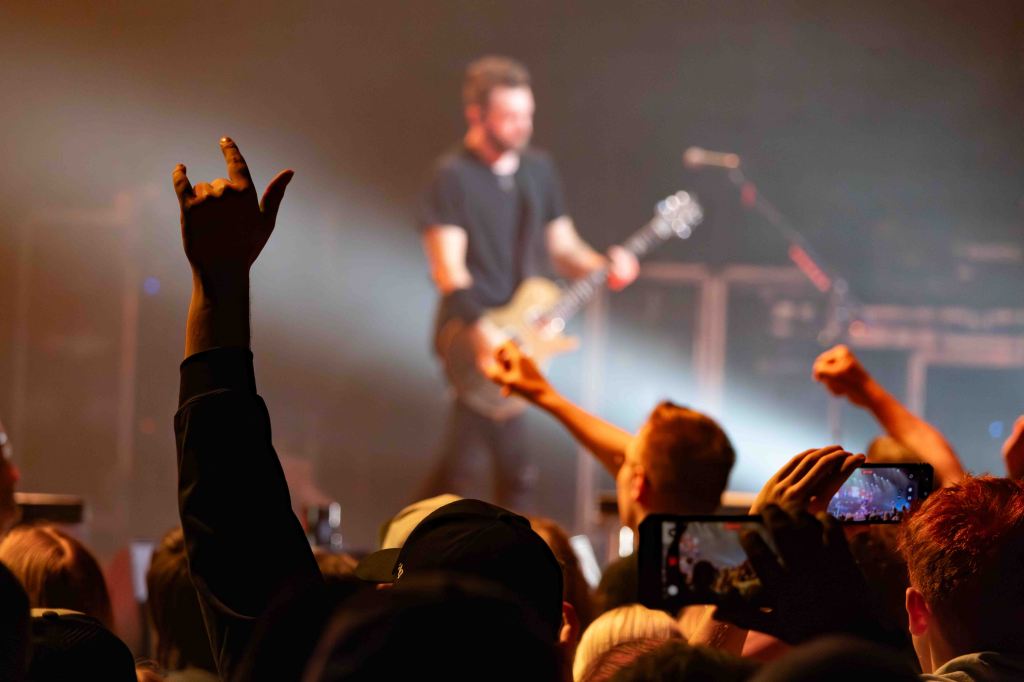

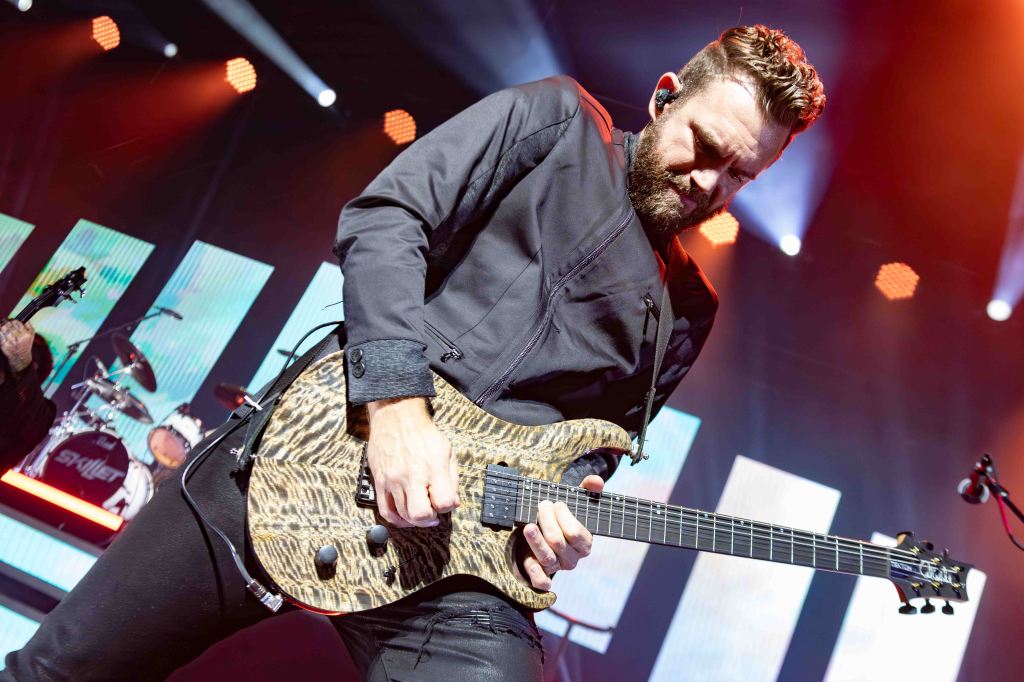
The set also incorporated music from Skillet’s other releases, including Awake and Alive, along with newer material. “Scream,” from the band’s new EP, was among the highlights, followed by an impressive guitar solo from lead guitarist Seth Morrison.
Morrison also brought a new instrument to the stage. His PRS guitar (seen below), which had debuted earlier this week on Tuesday, was used during Sunday’s performance ahead of its release.
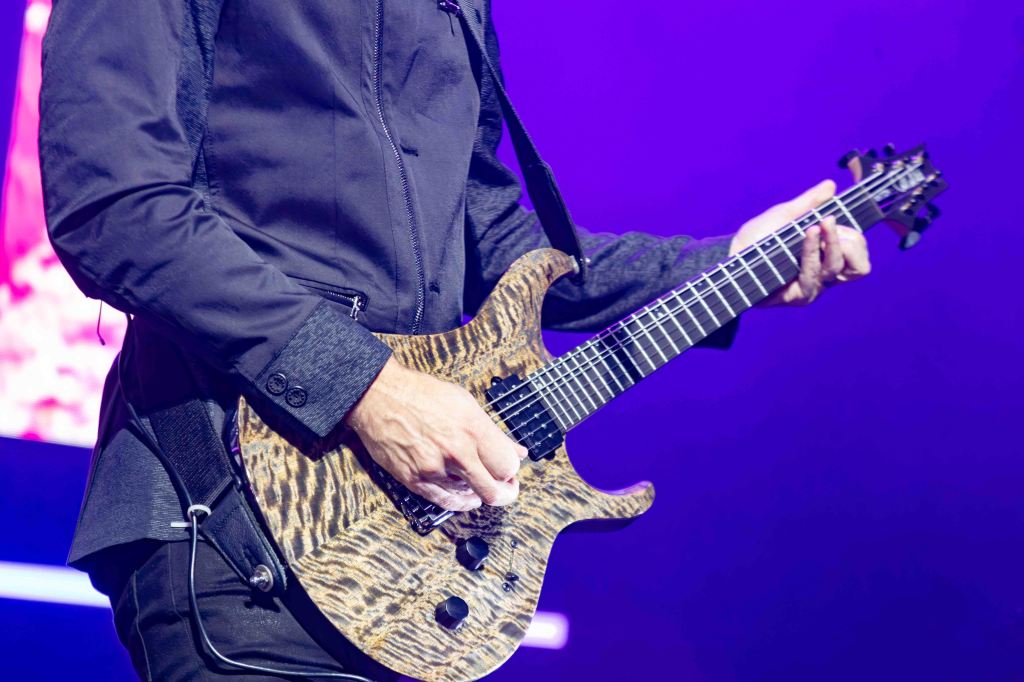
The combination of familiar favorites, newer music and instrumental showmanship kept the concert moving while honoring the band’s three decades of music.
Before performing “Yours to Hold,” Cooper invited the audience to embrace the spirit of an earlier era of rock concerts.
Reflecting on how the song had served as a wedding song for some fans, he encouraged the crowd to raise their phones in the air, recreating the lighter-filled arenas he remembered watching as a young fan.
“In the 80s, everybody would put their lighters up in the air,” Cooper said.
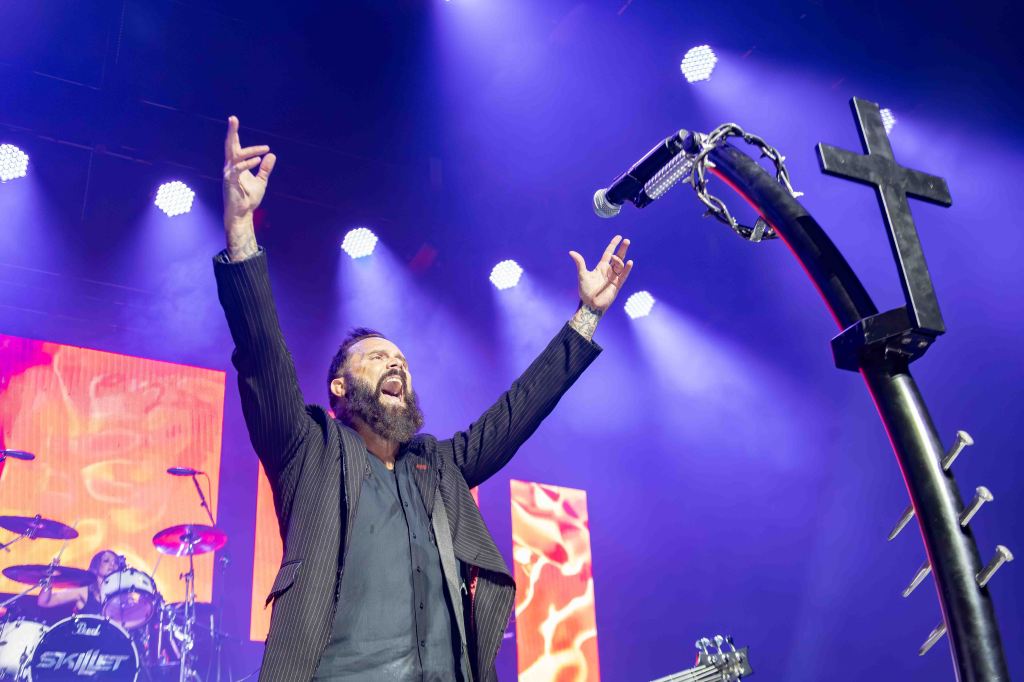
He recalled watching Bon Jovi shows and wanting to experience that atmosphere himself. Now, he encouraged the Omaha audience to create a similar moment while singing along to the power ballad. The acoustic performance offered a softer contrast to the heavier songs surrounding it, giving the audience a chance to connect with the music in a different way.

But it was Cooper’s introduction to “Hero” that brought the evening’s most personal message.
Cooper began with humor, joking about dad jokes and the satisfaction of making his children groan at his attempts to embarrass them. The lighthearted exchange gave way to a more serious conversation about mental health, grief and the role music can play in helping people through difficult experiences.
“I want to say something serious,” Cooper said before dedicating the song to people who suffer, particularly those living with depression and anxiety.
He asked how many people in the audience had experienced a time when music helped them heal. He also acknowledged the pain of losing someone they love and the loneliness that can accompany grief.
“And sometimes you just… You feel so absolutely alone,” he said.
Cooper described music as something that helps people feel less alone, regardless of where they come from, what language they speak, their financial circumstances or their political and religious beliefs.


“Music makes people feel better because life is hard and it gets us through,” he said.
Drawing from his own experiences, Cooper shared that he, too, had struggled with depression. He explained that he had begun speaking about those struggles more openly because he wanted others to understand that their experiences did not make them abnormal or alone.
“I want you to know there’s nothing wrong with you,” he said. “You are not crazy. You are not abnormal. You are not a weirdo. This is just the human condition.”
He encouraged anyone struggling to hold on, offering a message of solidarity to those who might be facing their hardest days.
“I didn’t come here to preach at you, to tell you how to live your life,” Cooper said. “But I want you to never give up on your life.”
He followed with a promise of hope: “It’s gonna get better. You can make it. I promise.”

Cooper then shared more of his personal story, recalling his teenage years and nights spent unable to sleep, lying awake in the darkness and wondering whether things would ever improve. He credited his Christian faith with helping him through those years, describing Jesus Christ as the source of hope and support when he felt he had none.
“It doesn’t mean that I never struggle,” Cooper said. “It just means I do not have to struggle alone.”
He explained that the song was dedicated both to Jesus and to everyone who struggles.
“It’s called Hero,” he said.
The introduction transformed the performance into something more intimate than a typical rock concert. Against a backdrop of heavy guitars and pounding drums, Cooper’s words offered a reminder that even people who appear strong can experience deep struggles — and that reaching out, finding connection and holding on to hope matter.
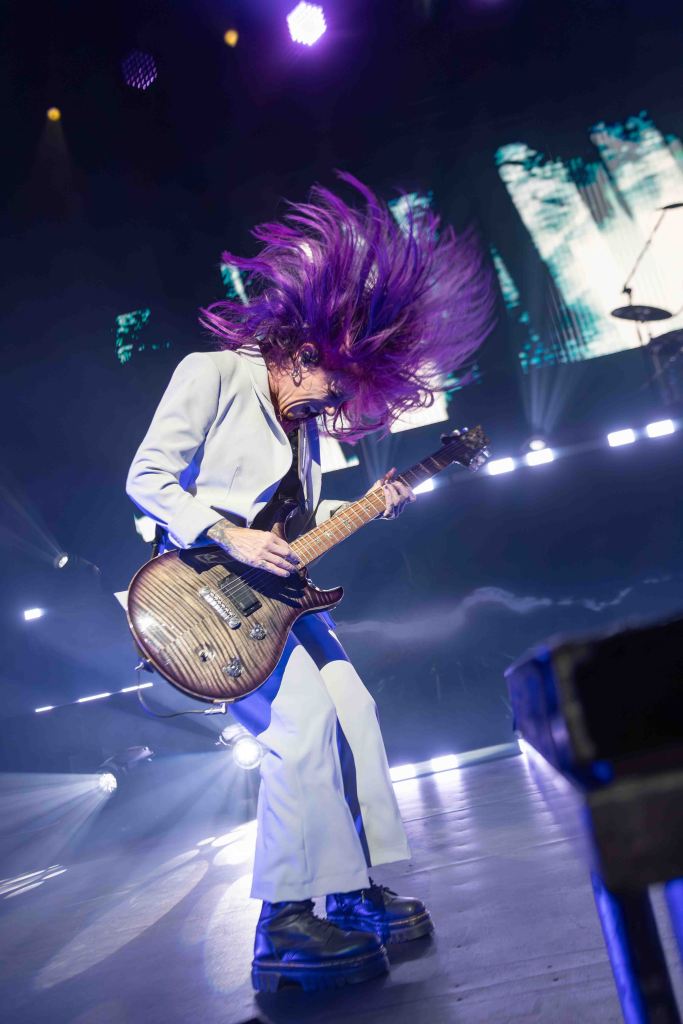
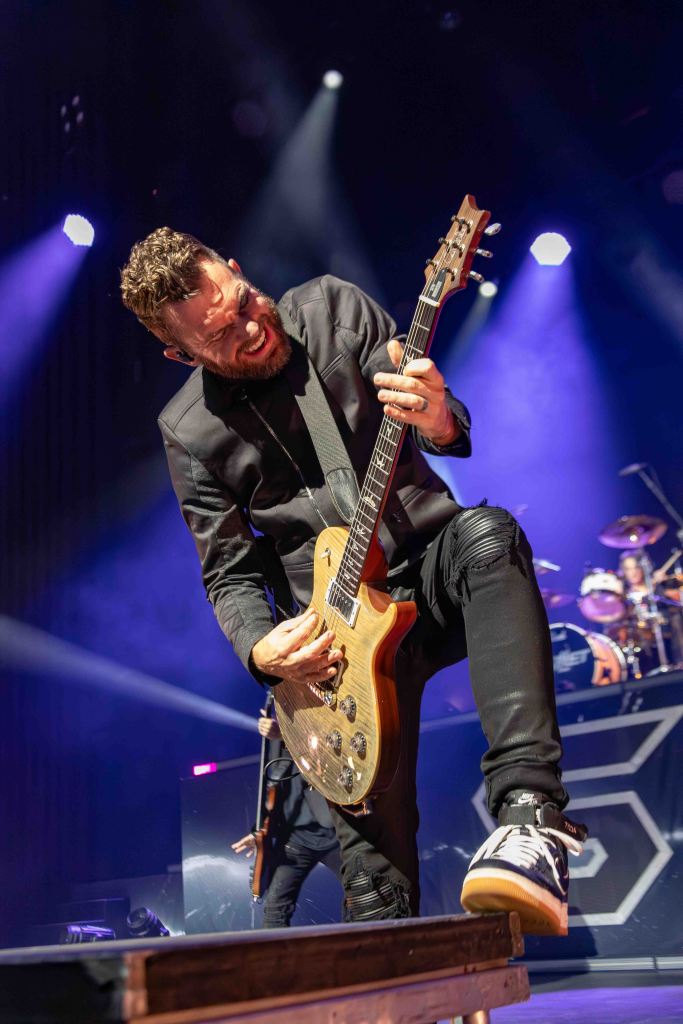
Skillet’s Omaha performance balanced the force of its signature rock sound with the personal stories and emotions woven into its music.
The anniversary celebration honored the band’s history while demonstrating why songs can continue to resonate with listeners years after their release. For some, the night was an opportunity to revisit a favorite album. For others, it was a chance to hear familiar songs live, share the experience with fellow fans or find encouragement in a message they needed to hear.
With Autumn Kings and Escape the Fate setting the tone and Skillet closing the evening with its blend of hard-hitting rock and heartfelt reflection, Sunday’s concert offered more than a trip through the band’s catalog.
It was a celebration of 30 years of music, and a reminder of the connection that can make a song meaningful long after the final note fades.