By Marisa Dawson, Photos by Kelsay Brohimer
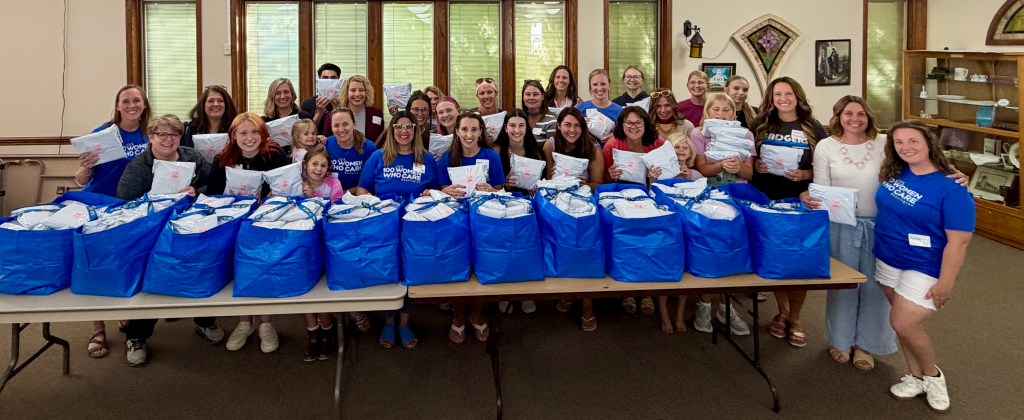
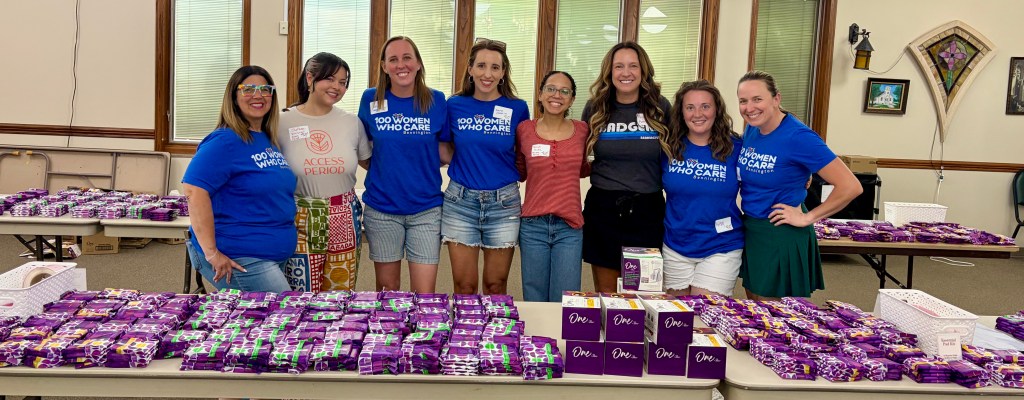
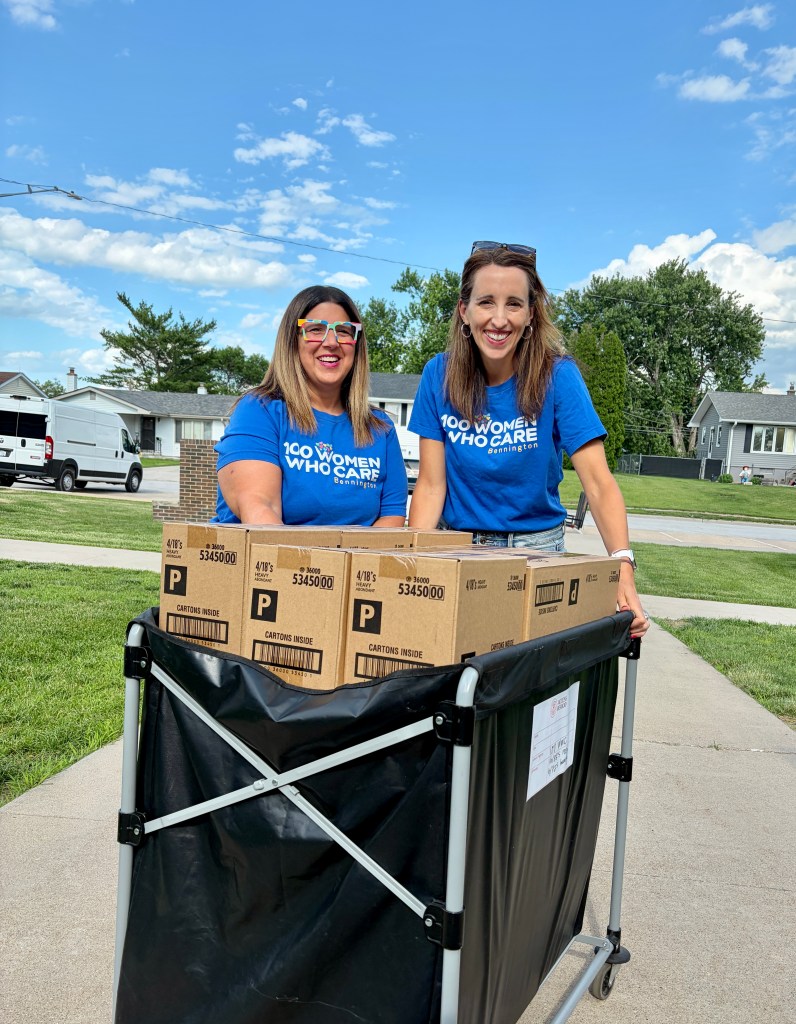
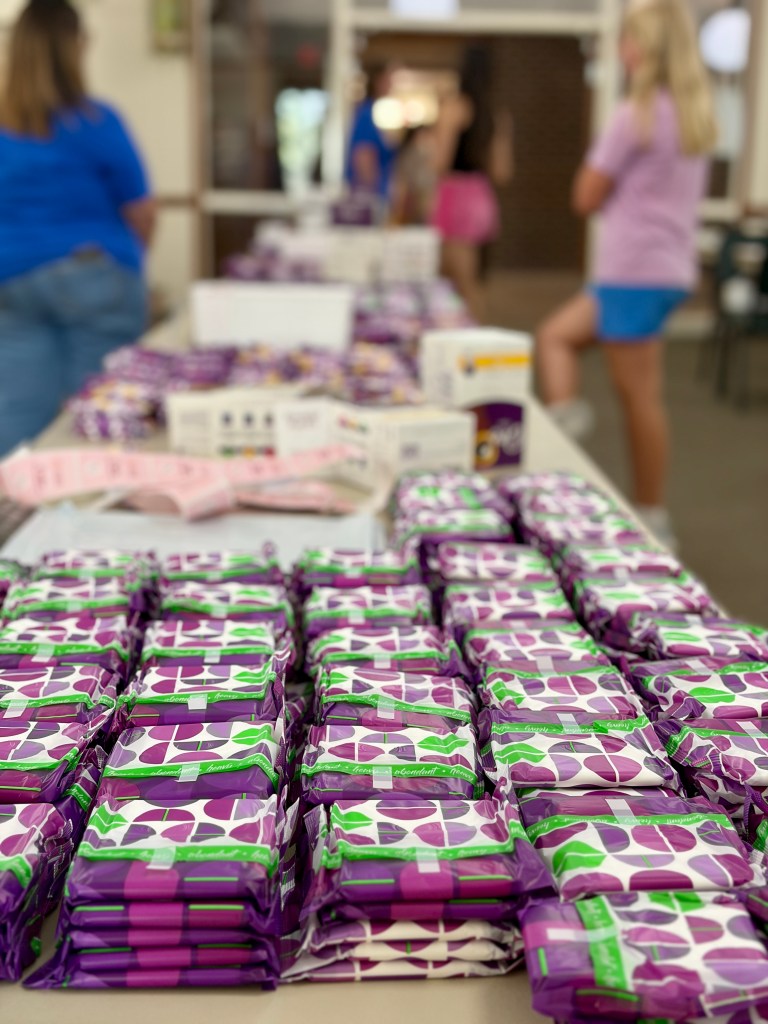
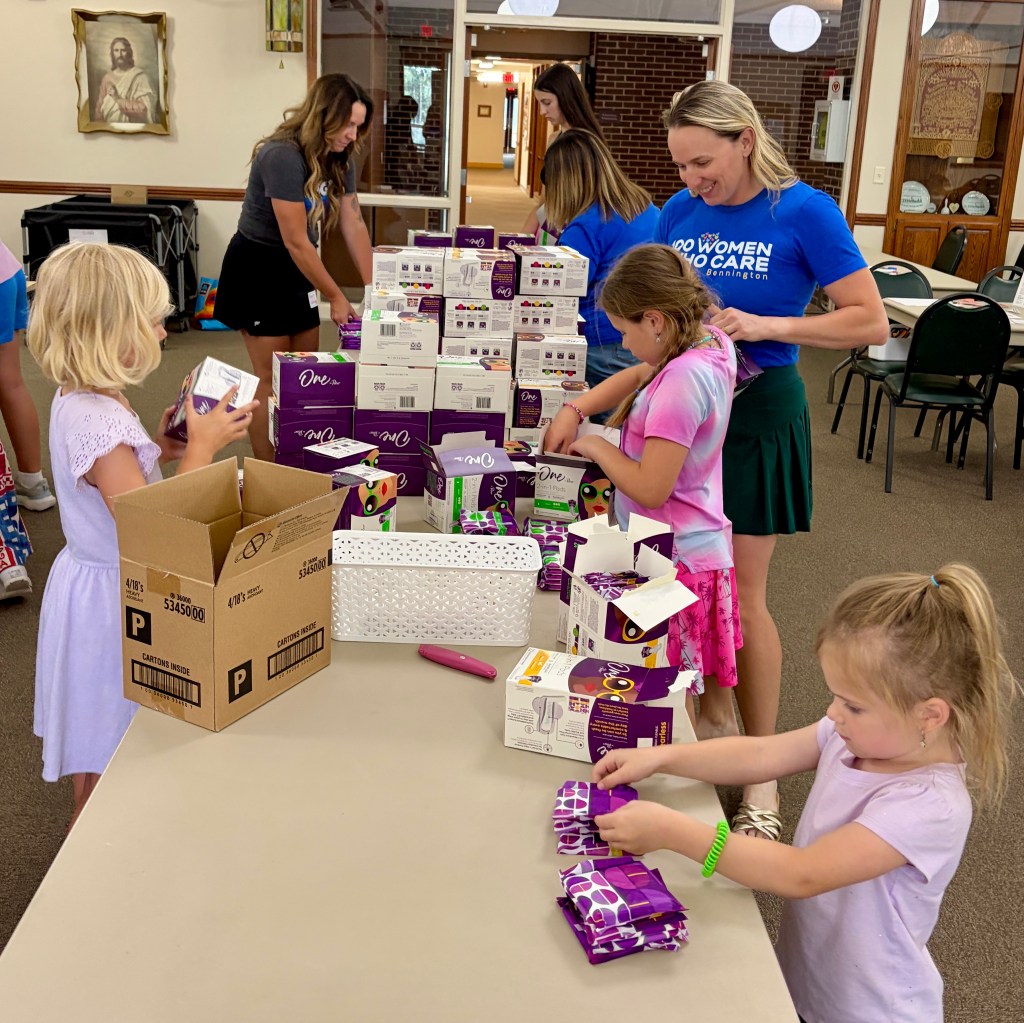
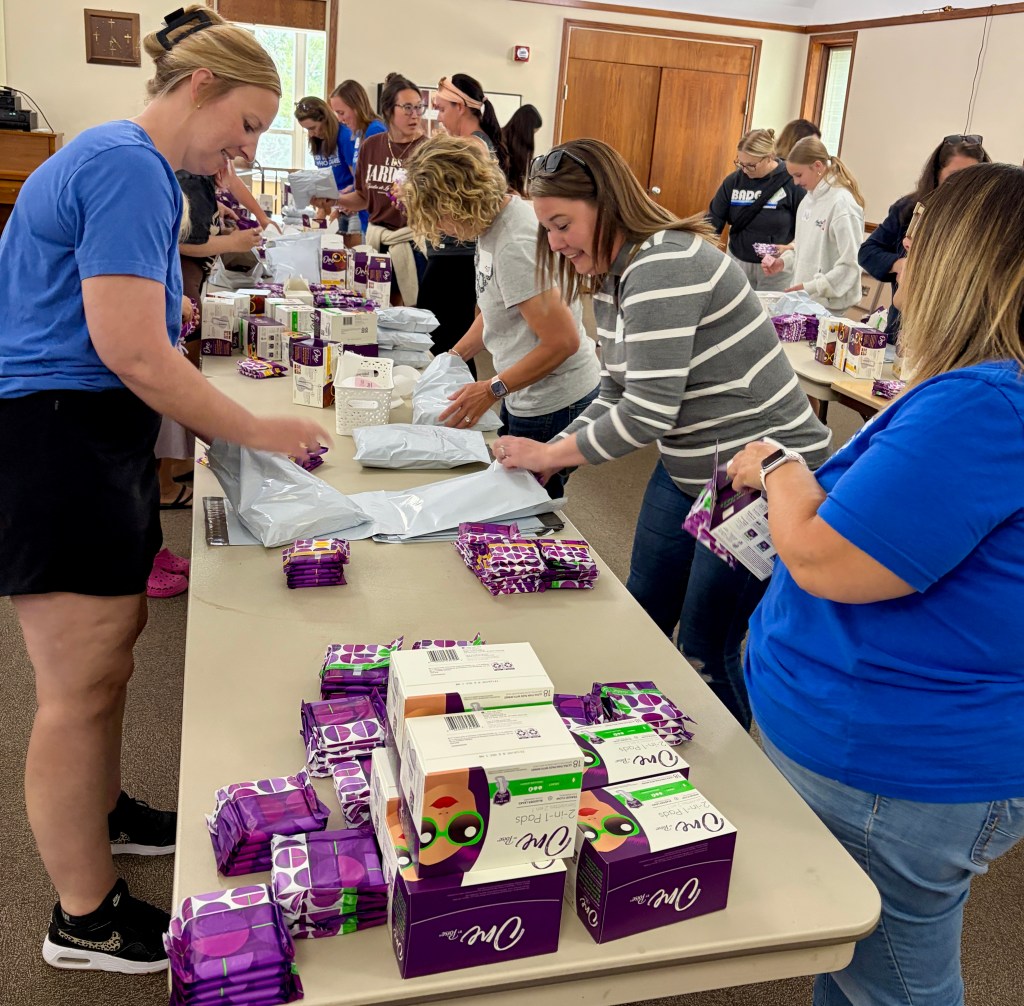
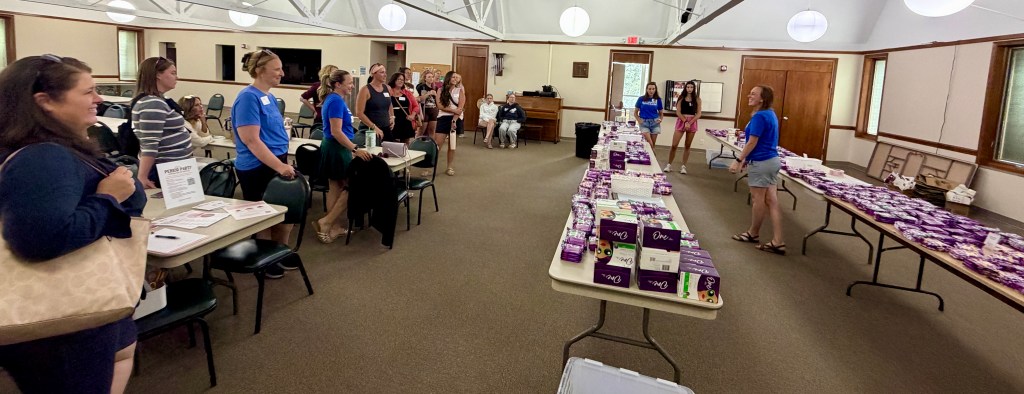
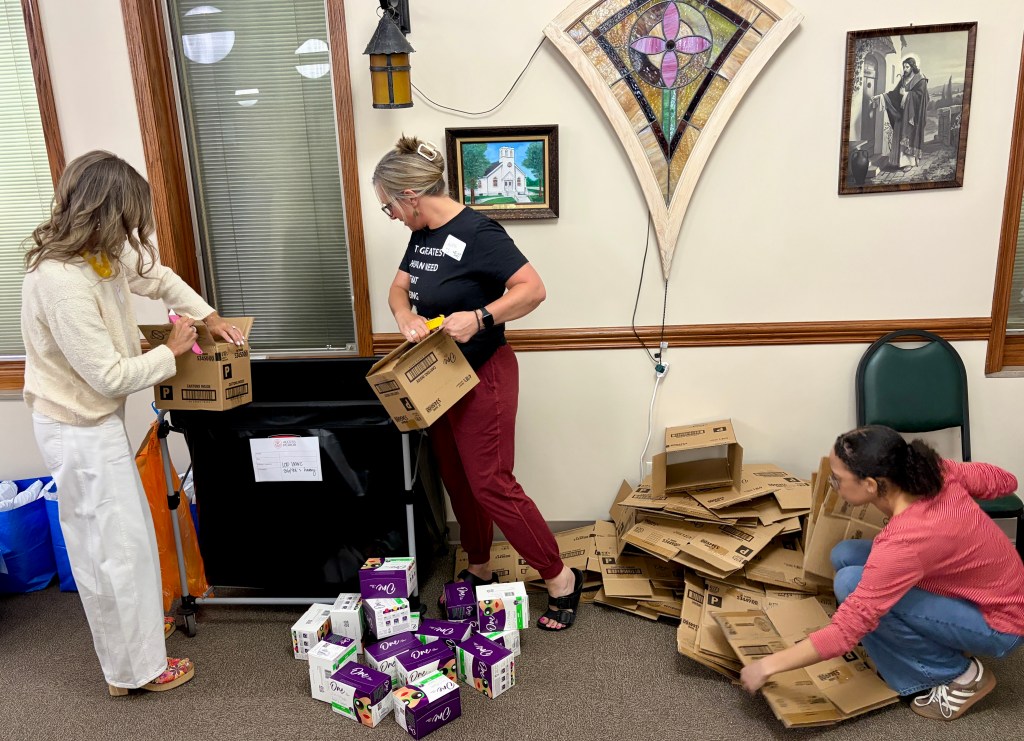
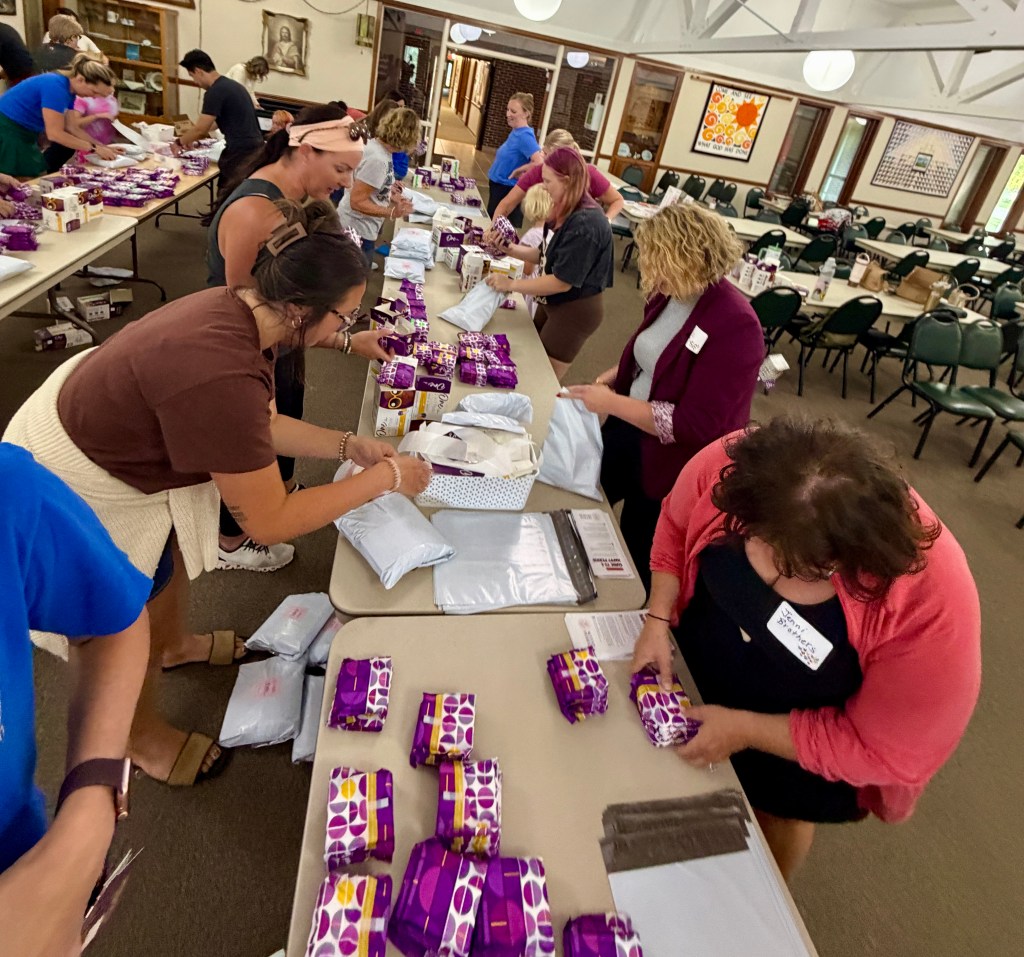
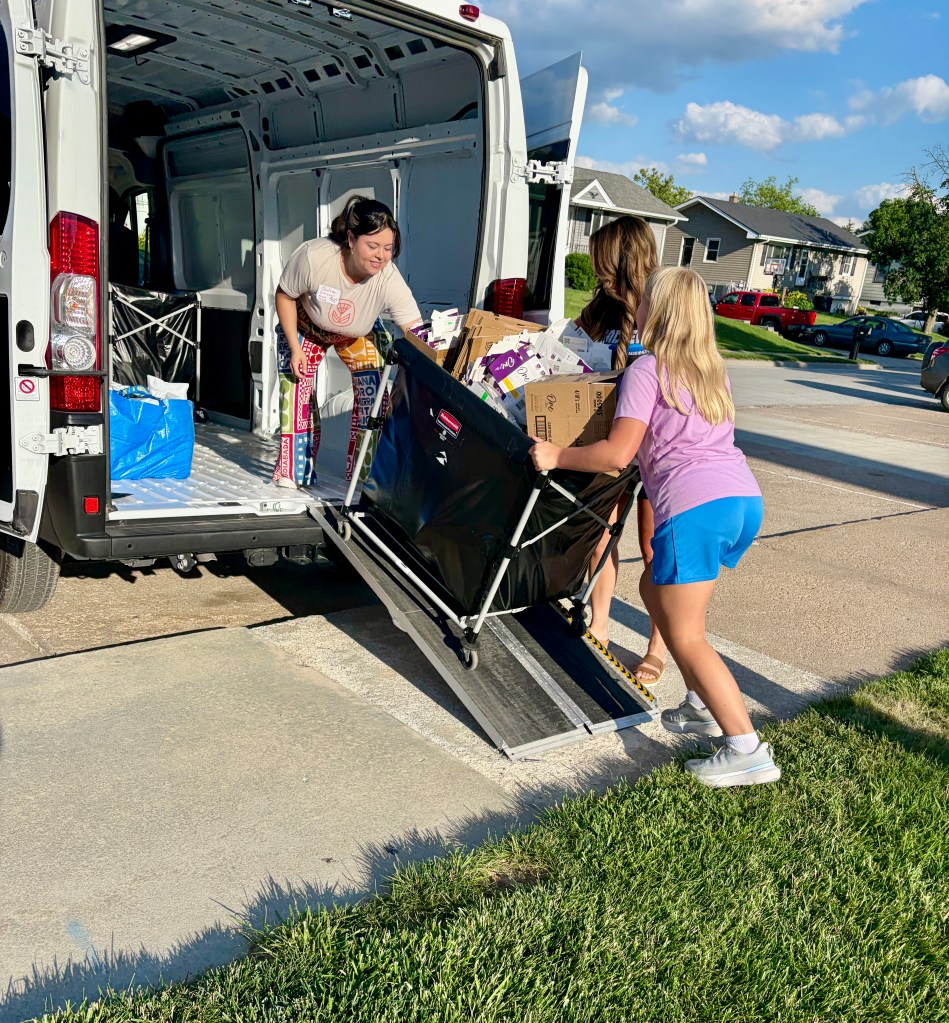
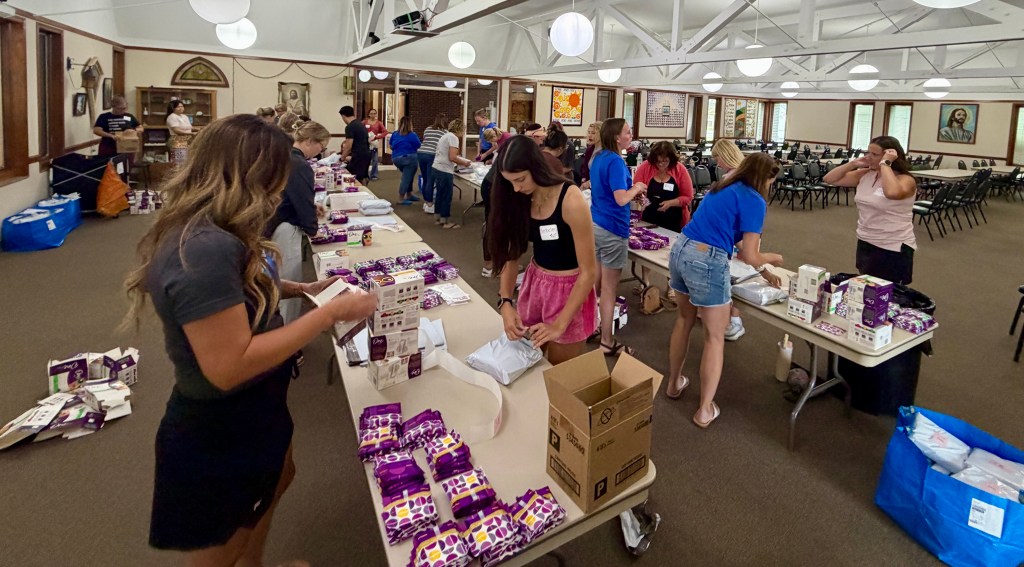
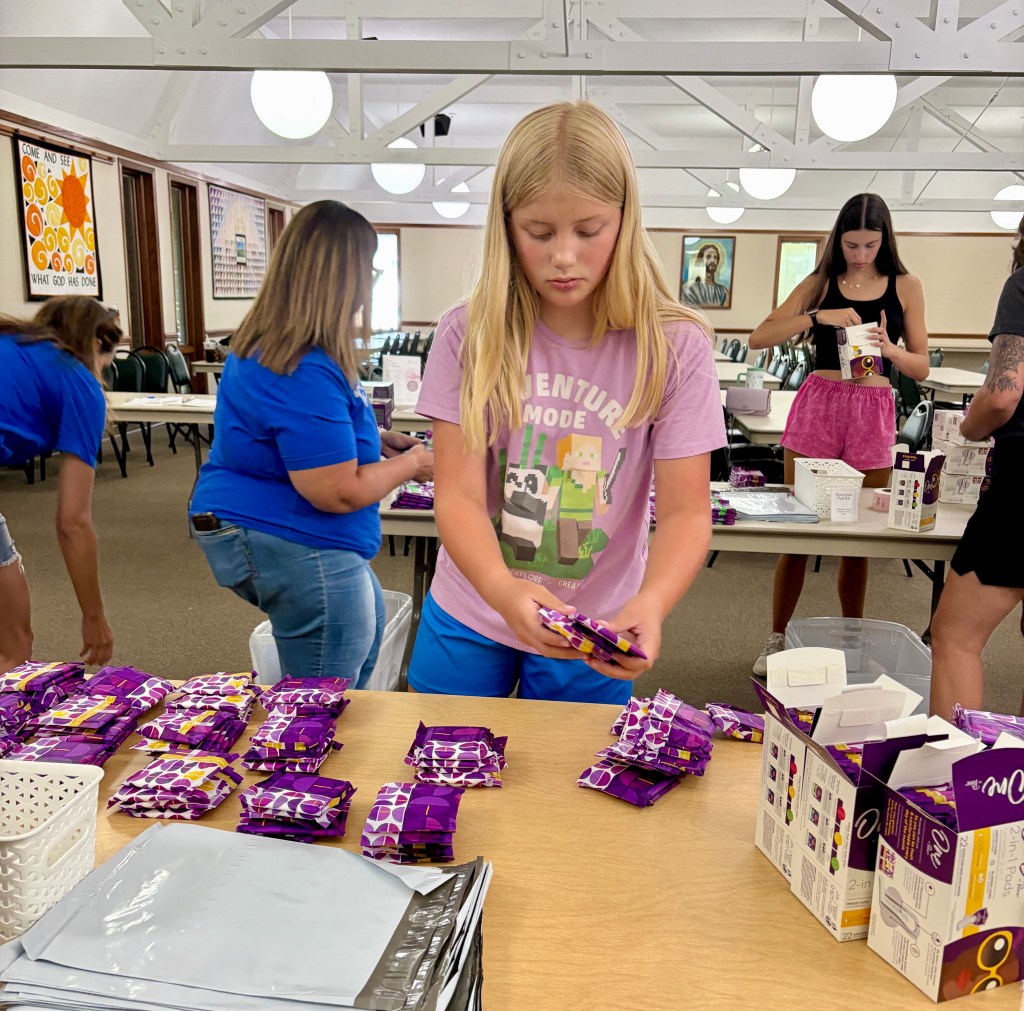
Tables lined with menstrual products quickly transformed into an assembly line at St. John’s Lutheran Church on the evening of June 18 as members of the Bennington Chapter of 100 Women Who Care worked side by side to pack care kits for women in need.
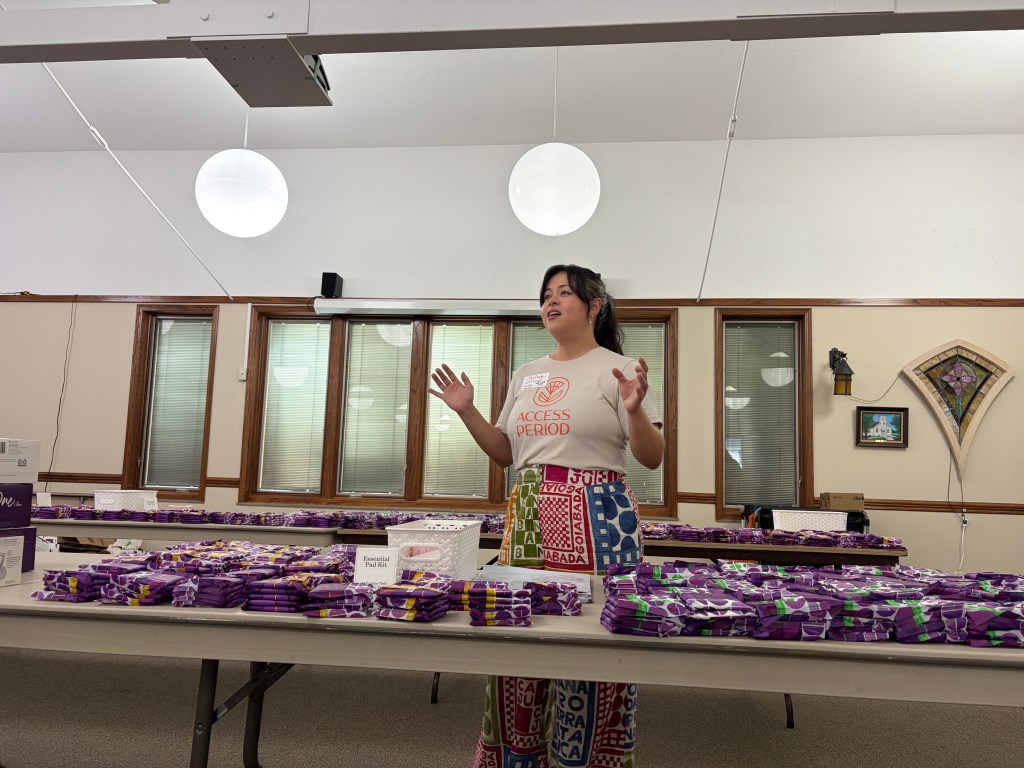
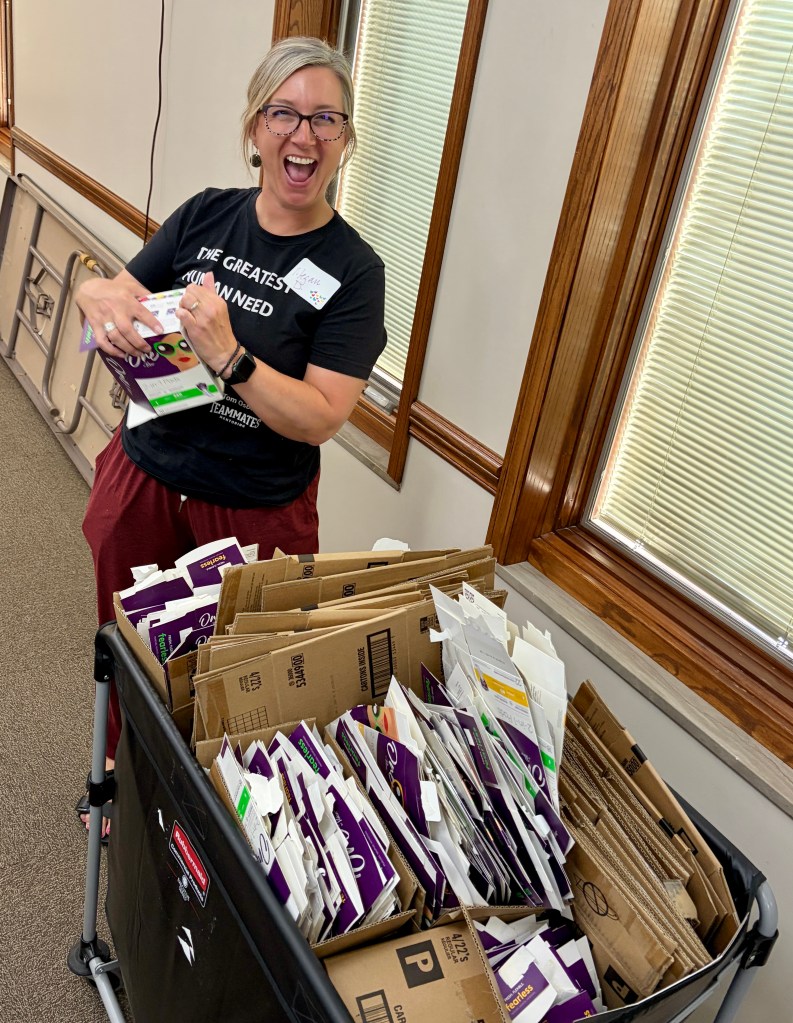
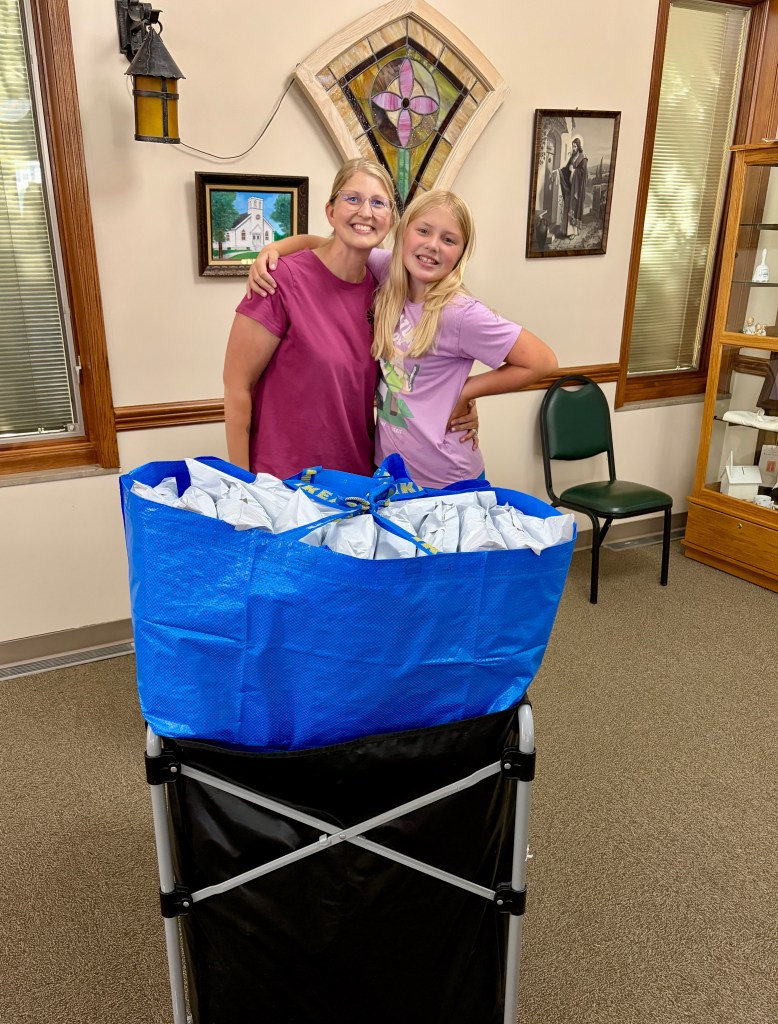
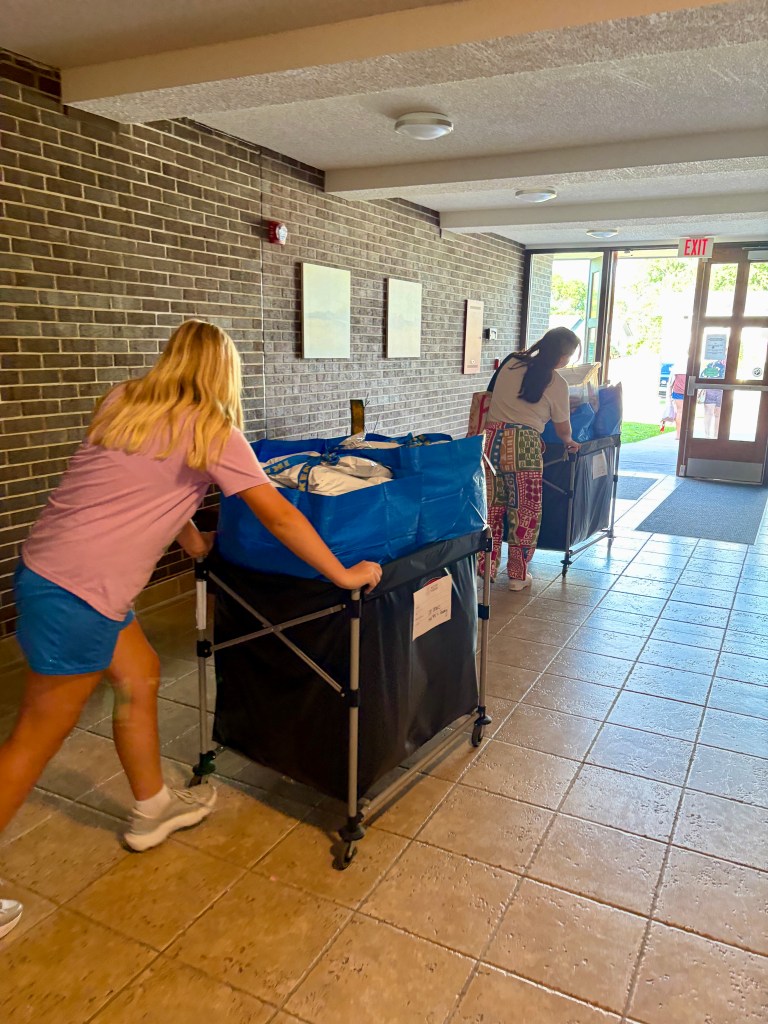
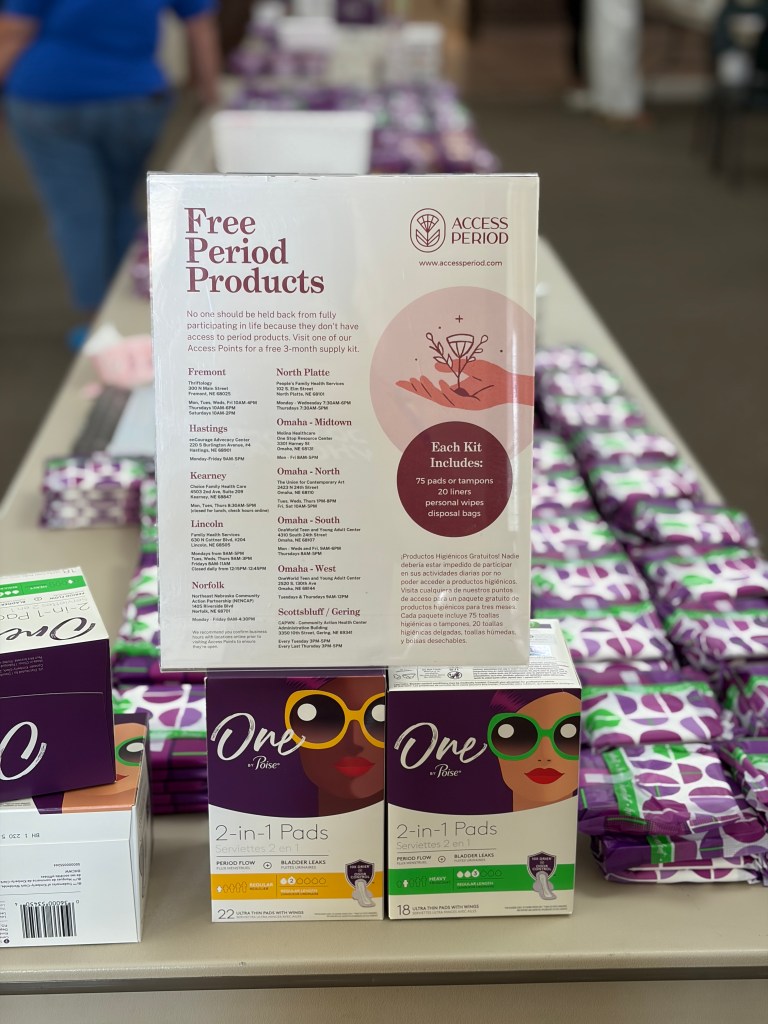
In just 45 minutes, volunteers assembled 350 period supply kits in partnership with Omaha-based nonprofit Access Period. According to the organization, those packages will provide approximately 1,750 worry-free days for women and girls throughout the community.
While the annual summer volunteer event gave members an opportunity to serve together, organizers say they also hoped it would bring greater awareness to an issue that often goes unseen.
Access Period works to combat period poverty by providing free menstrual products to anyone who needs them throughout Nebraska. The organization partners with schools and nonprofits across the state to distribute supplies while also working to reduce the stigma surrounding menstruation. According to Access Period, one in four people who menstruate experience period poverty at some point in their lives, and lacking access to menstrual products can create barriers to school, work and everyday life.
“We as a group like to do 1 volunteer event a year, in the summertime,” said 100 Women Who Care steering committee member Kelsay Brohimer. “At one of our board member meetings we threw out ideas on what we could do for volunteer projects, this was one of the ideas thrown out and the one that everyone loved. We are women who want to help other women.”
Brohimer said the steering committee hoped the event would leave an impact that extended beyond the 350 completed care kits.
“We hope this made an impact in a couple of ways,” she said. “One- shed light on period poverty and show it is something 1 in 4 women go through at some point in their life. And two, we want to make an impact on the women receiving these packs. We want them to know they were packed with love and dignity.”
For many volunteers, the evening was also an education.
Volunteer Jess Goldoni said she knew organizations addressing period poverty existed but had never realized how widespread the need was. “I had no idea,” Goldoni said. “I knew that there were organizations like this that existed, but I didn’t realize that there was this large of a need.”
She said the event changed the way she thinks about menstrual products. “It’s just a basic need, in my opinion,” she said.
Goldoni said one of the most meaningful moments came when Access Period volunteers explained that each completed package represented more than just supplies.
“I really liked the way that Access Period broke down the fact that you’re not just giving supplies,” she said. “You’re taking one less worry off of the plate of that child or that woman.”
The group’s work that evening ultimately amounted to 1,750 worry-free days for women and girls. “To be able to take that worry off of a young girl that’s already going through something like that, that was really cool,” Goldoni added.
She also appreciated that volunteers weren’t simply making a financial donation but were personally assembling each package.
“The way that they’ve done this, to have the volunteers actually packaging these together was really smart because it’s a way for us to physically give back,” she said. “It’s a way for us to be able to put all of that together and actually have a sense of giving back yourself.”
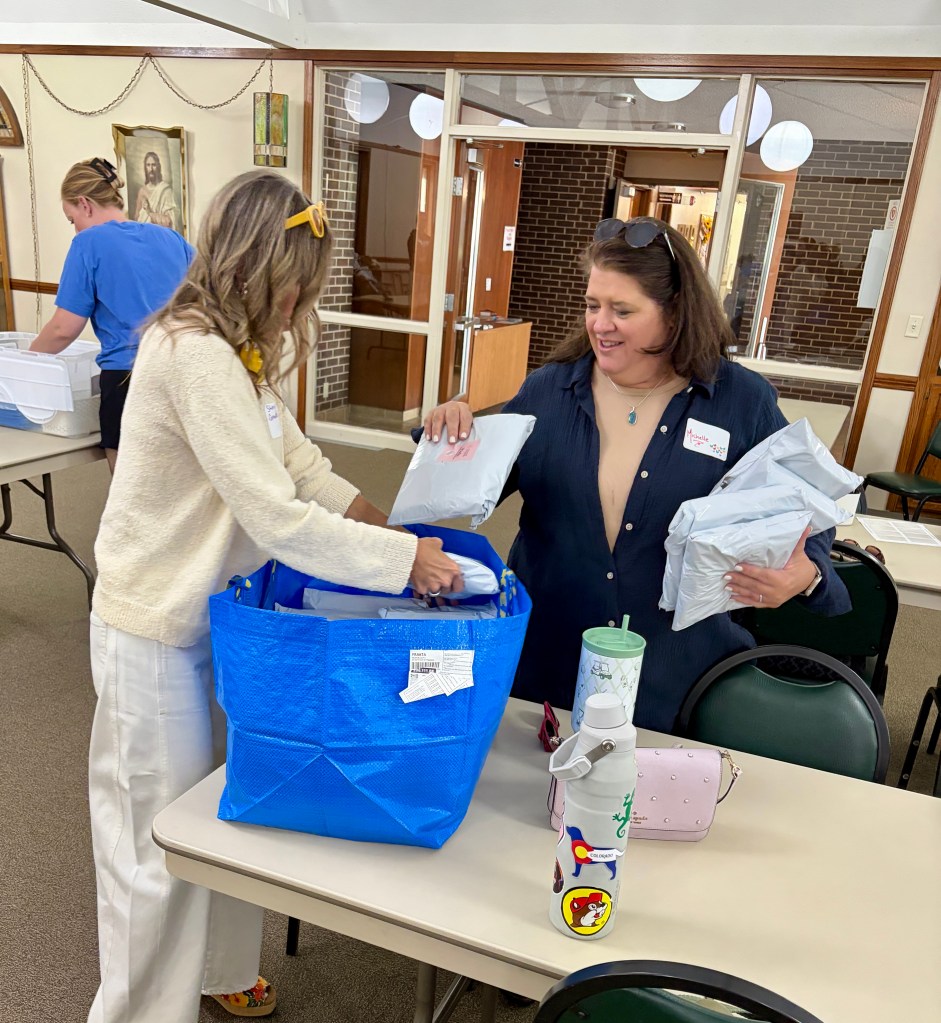
Volunteer Crystal Bahmuller said the event also opened her eyes to the realities many women face. “I had no idea how many women struggled getting access to period products,” Bahmuller said. “It surprised me the most that 1 in 4 women struggle to have access to products.”
She was motivated to volunteer both to support a friend and to become more involved in the community, but she also viewed the evening as an opportunity to teach an important lesson at home.
Bahmuller brought her daughters to help pack the kits. “I brought my daughters to help build awareness of periods,” she said. “I hope they gain confidence and comfort to have open conversations.”
Watching them participate became one of the highlights of the evening. “Watching my daughter help put the packets together and be so encouraging and kind to others was very heartwarming,” Bahmuller said.
For Goldoni, the event demonstrated another benefit beyond serving those receiving the products: building relationships within the community. “I love 100 Women Who Care,” she said. “It’s a great concept. It’s a way to be able to belong to something.”
She said the opportunity to spend an hour serving alongside other women was refreshing. “How often can you just hang out and do something good with other women?” Goldoni said. “We’re always so busy… It was really nice to be able to slow down and just spend an hour to give back.”
Brohimer believes that sense of community, combined with many people contributing a small amount of time, is what makes the organization effective. “You can always make a difference individually, but when we come together the difference made is so much larger,” she said. “For example we packed products for 45 minutes, the amount of change we made in that 45 minutes was 1,750 worry free days! That’s truly amazing.”
Goldoni agreed, saying meaningful change often begins with a single person. “I think sometimes one person can make the biggest difference because one person impacts another person on a one to one level,” she said.
Brohimer hopes the event inspires volunteers to continue spreading awareness of period poverty long after the final package was sealed. “Our hope is a couple of women spread the word of this nonprofit and what they do and they grow even stronger or do their own packaging event now that they’ve been to this one,” she said.
Bahmuller echoed that encouragement, urging others to find ways to serve alongside the next generation. “Its never too late to get involved and encourage your kids to get involved as well.”