By Marisa Dawson, Courtesy Photos
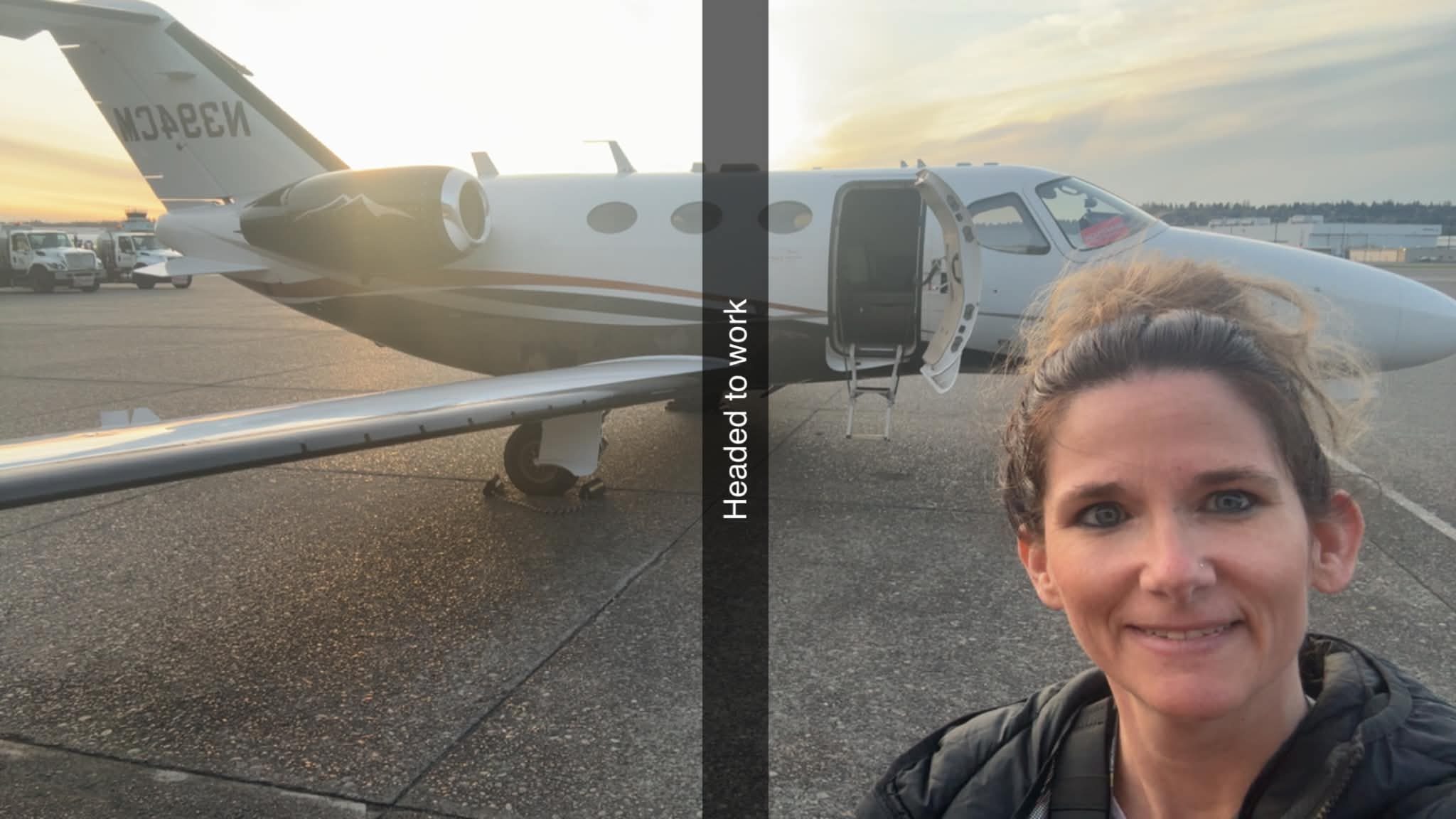
For most people, organ donation is something they think about when renewing a driver’s license or hearing a story about a transplant recipient. Few ever see the complex work that happens behind the scenes to make those life-saving gifts possible.
For Bennington resident Tisa Kreikemeier, that work is more than a career; it’s a calling.
A registered nurse specializing in organ recovery and transplant coordination, Kreikemeier spends roughly half of each month traveling across the Pacific Northwest, helping coordinate organ donation efforts during some of the most difficult moments families will ever face. While the work is emotionally demanding and medically complex, she says it is also deeply meaningful.
“I went into nursing because I wanted to be in the middle of the moments that matter the most,” Kreikemeier said. “I wanted to be in a place where what you do actually changes an outcome.”
Her path toward organ recovery began years ago while working in critical care. As an ICU nurse, she cared for a mother whose routine procedure unexpectedly resulted in brain death and organ donation.
“I got to be the bedside nurse for that and walk through that whole process as the bedside nurse with that family,” she said. “And it was just really eye opening and showed me that there’s so much more. So nursing that could mean even more.”
The experience left a lasting impression. “I said, ‘Wow, this is amazing. I’m going to do this one day,’” she recalled.
Fifteen years later, she is doing exactly that.
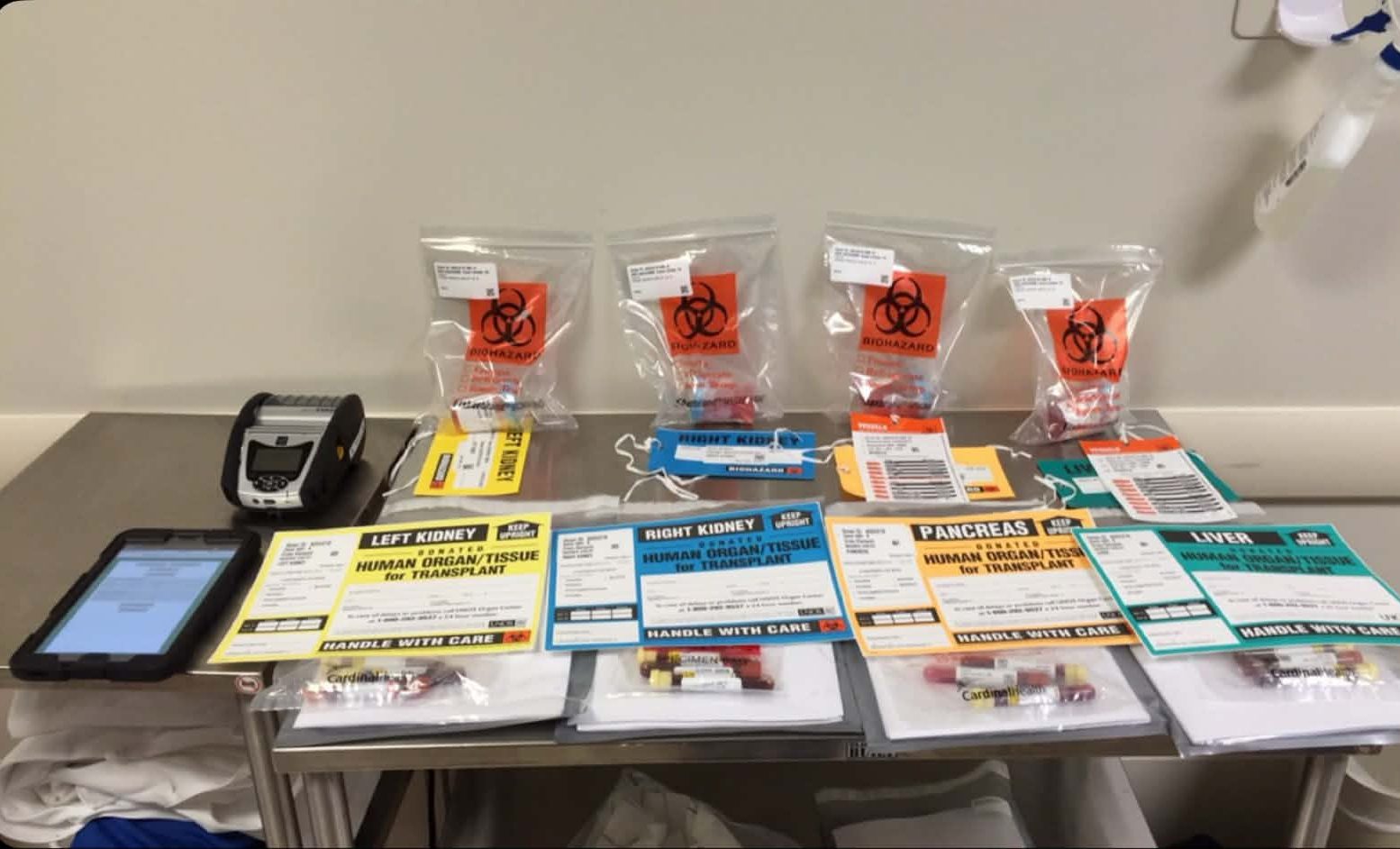
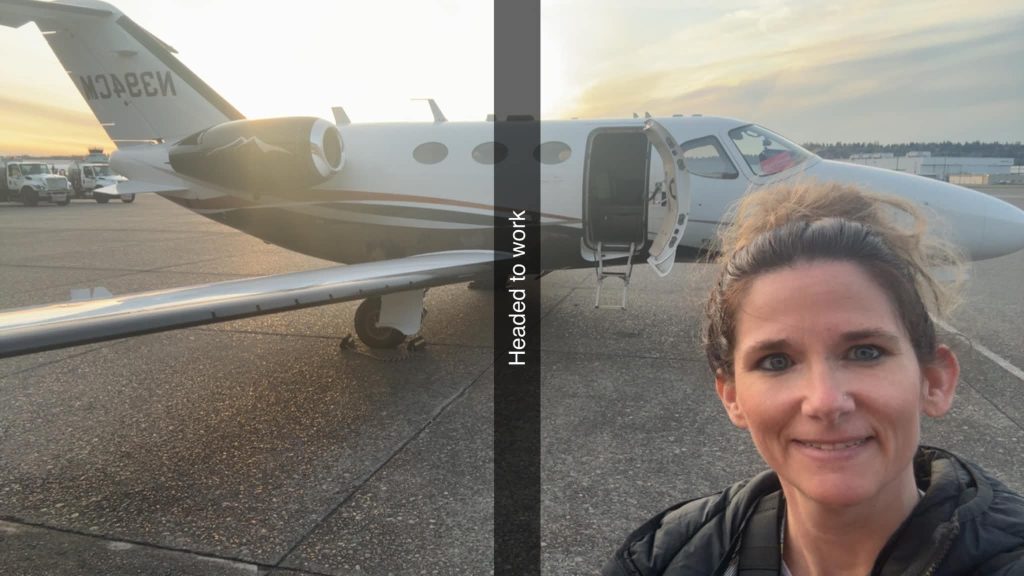
Today, Kreikemeier works as a traveling organ recovery coordinator. Through her own LLC, she contracts with organ procurement organizations across the country, typically spending two weeks on assignment before returning home to Bennington for two weeks with her family.
There is no typical workday.
A call can come at any hour, sending her to hospitals across a large geographic region. Sometimes she drives. Other times she flies. Once she arrives, she steps into an intensive care environment where every minute matters.
“I typically take over management of a brain-dead donor, but it requires very complex and active critical care,” she explained.
That care involves managing ventilators, monitoring laboratory results, administering medications, correcting electrolyte imbalances, and responding to rapid changes in a patient’s condition. At the same time, she is coordinating with transplant centers and surgical teams across the country.
“The goal is to keep every organ as healthy as possible for transplant,” she said.
The process begins when a potential donor is identified. Medical evaluations are performed to determine which organs may be viable for transplantation. If a family authorizes donation, the pace accelerates quickly.
Kreikemeier reviews medical records, gathers testing results, and helps build a complete picture of the donor’s health for transplant surgeons evaluating potential recipients. Meanwhile, she works to stabilize the donor’s body, managing the significant physiological changes that occur after brain death.
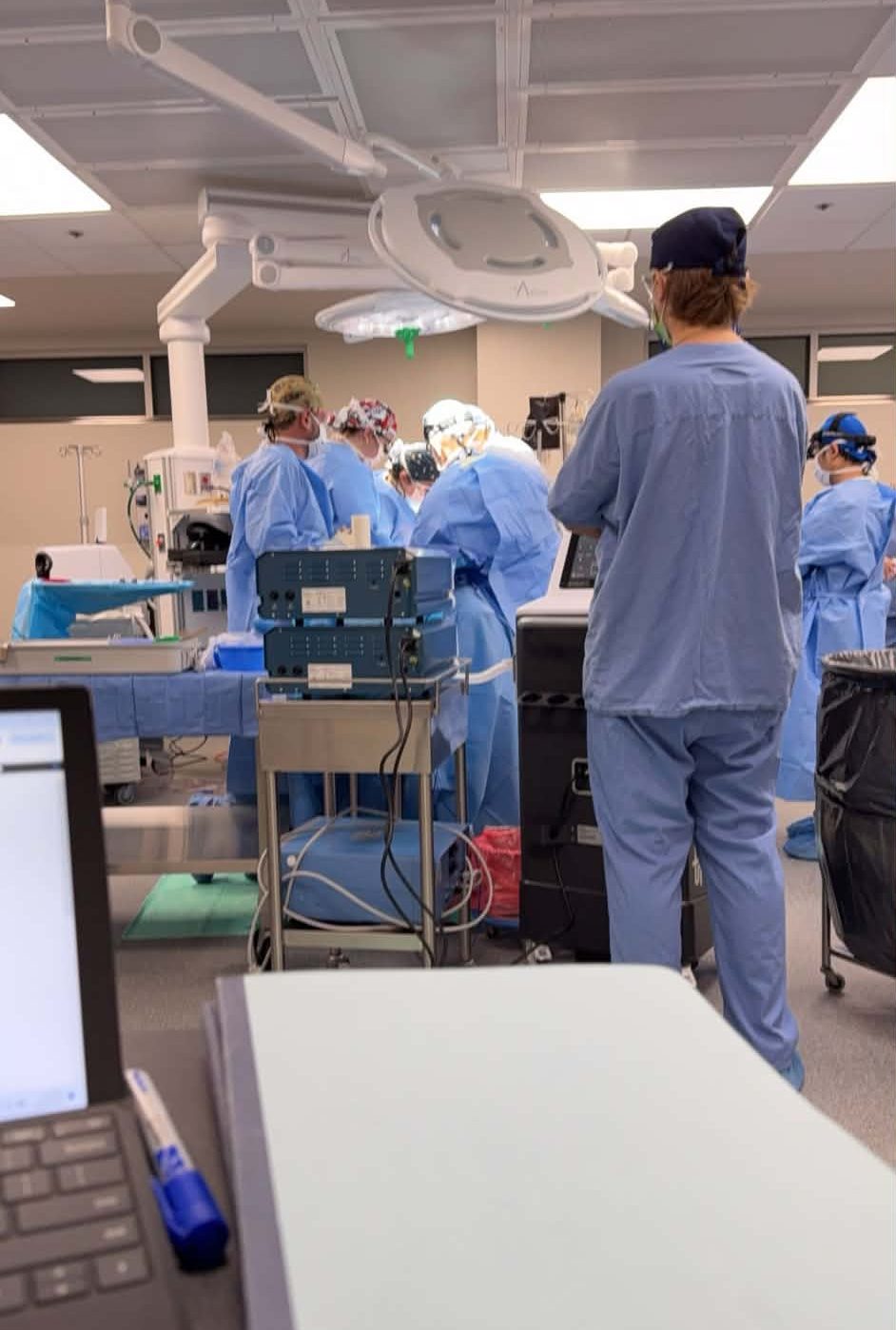
“Death causes massive physiologic changes like blood pressure instability, diabetes insipidus, hormone collapse, and electrolyte shifts,” she said. “And so we’re actively treating all of that in real time.”
Behind the scenes, an enormous amount of coordination is taking place. Multiple surgical teams often travel from different locations to recover organs, and the timing must be carefully orchestrated.
“Everything is very time sensitive,” Kreikemeier said. “There’s very little room for error.”
While the medical complexity is significant, Kreikemeier says the emotional side of the work is what stays with her most.
“The most meaningful moments are when you step back and realize the full impact of one donor,” she said. “You can be in a room where there’s incredible grief with a family saying goodbye and at the same time know that this one person may save four, five or even more lives.”
She describes it as both a responsibility and a privilege. “There’s something powerful about being trusted in that space where taking care of someone at the end of their life while also carrying the responsibility of giving life to others and giving them a second chance,” she explained.
Although she occasionally receives updates about transplant recipients, her primary motivation comes from helping donor families navigate loss and find meaning during difficult circumstances.
“My drive is to give a positive ending to someone’s life and for their family,” she said.
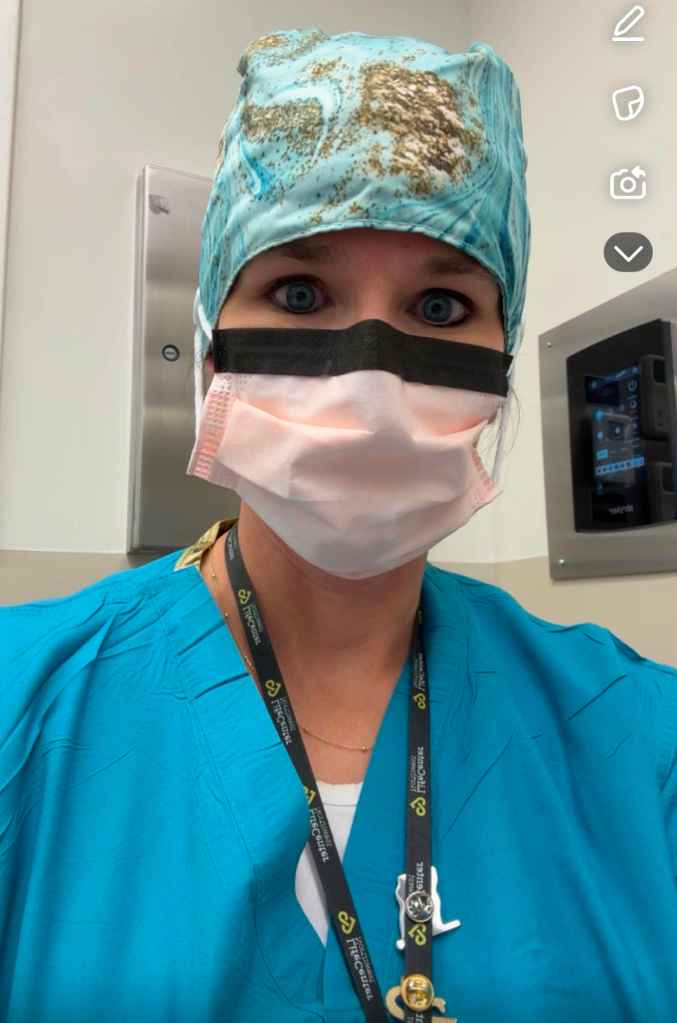
That perspective has shaped how she views the impact of organ donation.
“Someone who dies of an overdose or suicide; those are negative connotations towards death,” she said. “What if they become an organ donor and at the time of their death, their family is able to say, ‘Hey, so and so passed away. They became a hero today and they’re saving eight lives.’ The negative connotation of how they died doesn’t matter anymore. It’s the positivity of what they did at their death.”
The work can be emotionally heavy, especially when donors are close in age to her own children.
“You don’t ignore it. You learn how to carry it with you,” she said. “There are cases that stay with you. I have a number of them that stay with me and have stayed with me for years.”
Still, she finds strength in focusing on the purpose behind the work. “Yes, there’s loss, but there’s also life on the other side of it.”
Kreikemeier is also passionate about educating the public about organ donation and correcting common misconceptions.
“A big misconception is that if you’re a registered donor, doctors won’t try as hard to save you,” she said. “That is absolutely false. The medical team caring for you is entirely separate from the transplant team and their only focus is saving you.”
She also notes that many people incorrectly assume age or medical conditions automatically disqualify them from becoming donors.
“In reality, many people can still be donors and medical teams evaluate at that time,” she said.
The need for donors remains significant.
“One donor can save up to eight lives and improve many through tissue donation,” Kreikemeier said. “The need is constant and the wait lists are long.”
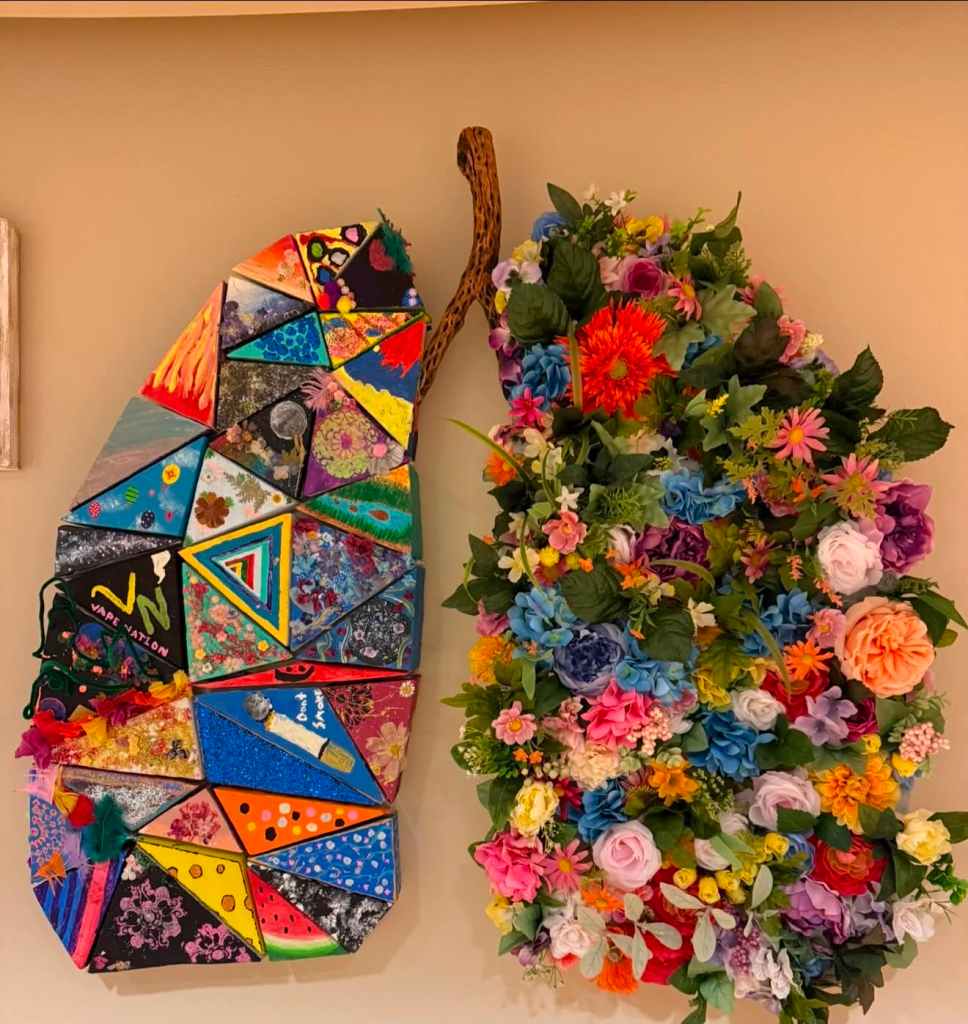
For her own family, the work has sparked important conversations about life, death, and helping others. She hopes her children have learned that it is okay to pursue meaningful work, even when it requires sacrifice.
“I have an amazing support system at home,” she said. “My husband is awesome. But they know that I’m going off and doing amazing work. They know that I love my job.”
As she looks ahead, Kreikemeier hopes to continue working in organ recovery for many years to come. Most of all, she hopes her story encourages others to have conversations with their loved ones and consider becoming donors themselves.
“Communicate with your families about what you want at the time of your death,” she said. “Register to be an organ donor… Educate yourself.”
For Kreikemeier, the mission is simple: helping families find hope in tragedy while giving others a second chance at life.
“It’s not just a job,” she said. “It’s a responsibility and a privilege.”