By Marisa Dawson
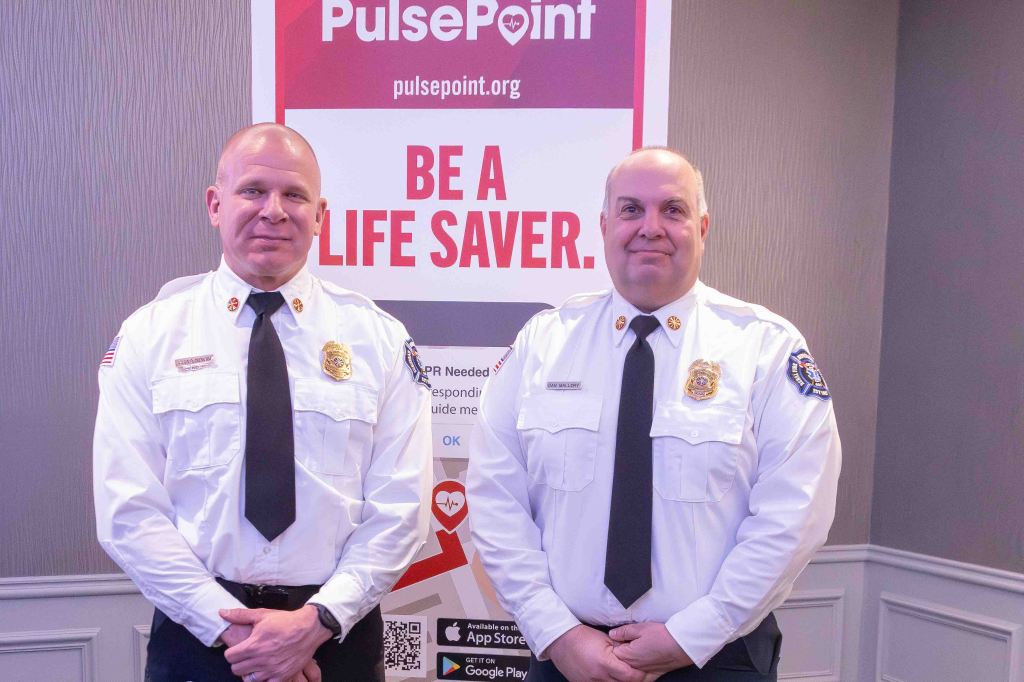
A coalition of fire departments, hospitals, nonprofits, and businesses in Douglas, Sarpy, and Washington counties officially launched PulsePoint this week, aiming to empower everyday citizens to respond to cardiac emergencies and build a comprehensive registry of life-saving devices. The free mobile app, integrated with 9-1-1 dispatch systems, alerts users to nearby sudden cardiac arrests and guides them to automated external defibrillators (AEDs), potentially increasing survival rates in a region that sees hundreds of such incidents annually.
The announcement came during a press conference at the Thompson Alumni Center at the University of Nebraska at Omaha, where speakers from the Tri-County Cardiac Arrest Collaborative highlighted the technology’s role in bridging critical gaps in emergency response. “With PulsePoint we hope to increase bystander involvement in time-sensitive medical calls by increasing the use of CPR and AEDs,” said Dave Keber, Paramedic Supervisor with the Omaha Fire Department. “It gives our residents and visitors the ability to know when a cardiac arrest is occurring close by, locate AEDs in the area, and perform potentially lifesaving CPR while our personnel respond to the scene.”
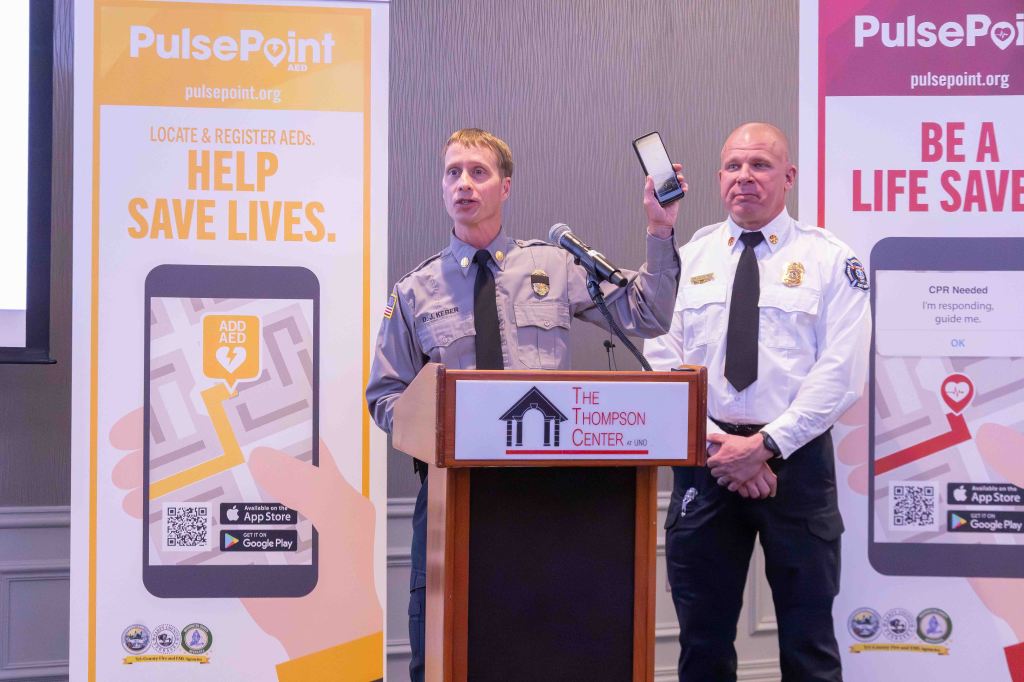
PulsePoint consists of two companion apps: PulsePoint Respond, which provides real-time alerts for cardiac events in public places and directs users to the nearest AED, and PulsePoint AED, which allows citizens to report and update AED locations. Once verified by local authorities, these AEDs become accessible to dispatchers and app users, creating a crowdsourced network of resources. The initiative draws from American Heart Association guidelines, which emphasize that community programs like this could boost bystander CPR rates for the estimated 350,000 out-of-hospital cardiac arrests nationwide each year.
Bennington Fire & Rescue Assistant Chief Chad Nixon, a key figure in spearheading the project alongside Keber, stressed the app’s potential to foster community resilience. “Improving situational awareness with PulsePoint can help build safer, stronger and more resilient communities,” Nixon said. He noted that survival chances drop 10% for every minute without CPR, highlighting the need for immediate action.
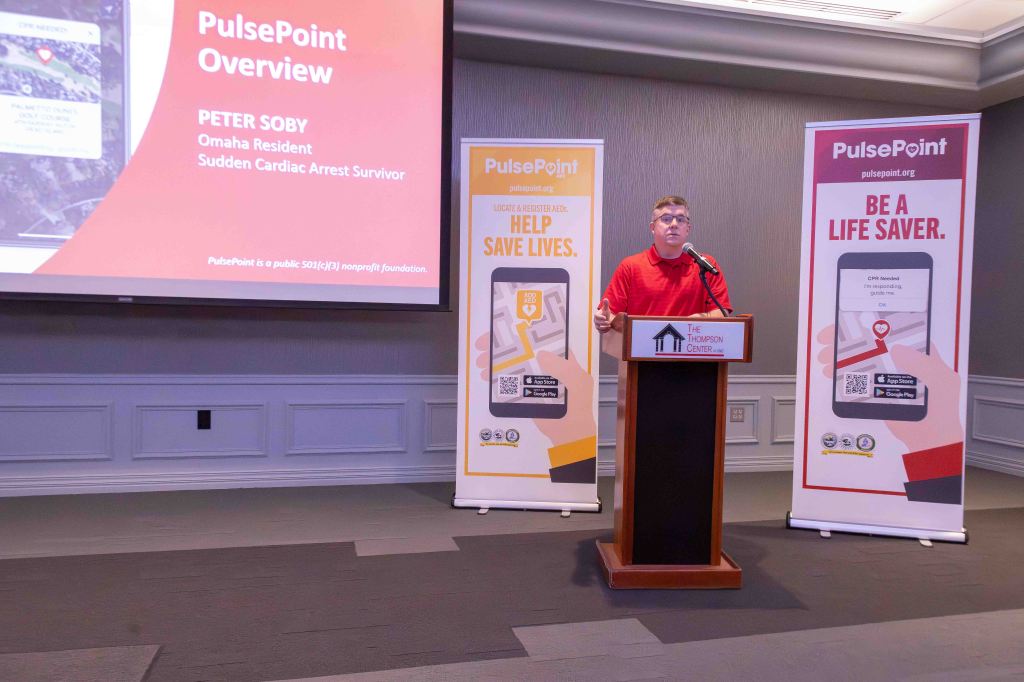
The event featured poignant stories from survivors and medical experts, illustrating the human impact of bystander intervention. Local Omaha resident Peter Soby, who survived a cardiac arrest on February 28, 2025, while working out at a nearby gym, credited quick CPR and AED use by fellow gym members for his recovery. “CPR definitely saved my life. AED awareness, the fact that people found the AED machine in our gym and put it on me definitely saved my life. And bystanders reacting saved my life,” Soby recounted. Now approaching his one-year “anniversary,” he urged attendees to download the app: “Download Pulse Point. I don’t think it costs you anything. And if anything, you get to know what’s going on in your neighborhood around you.”
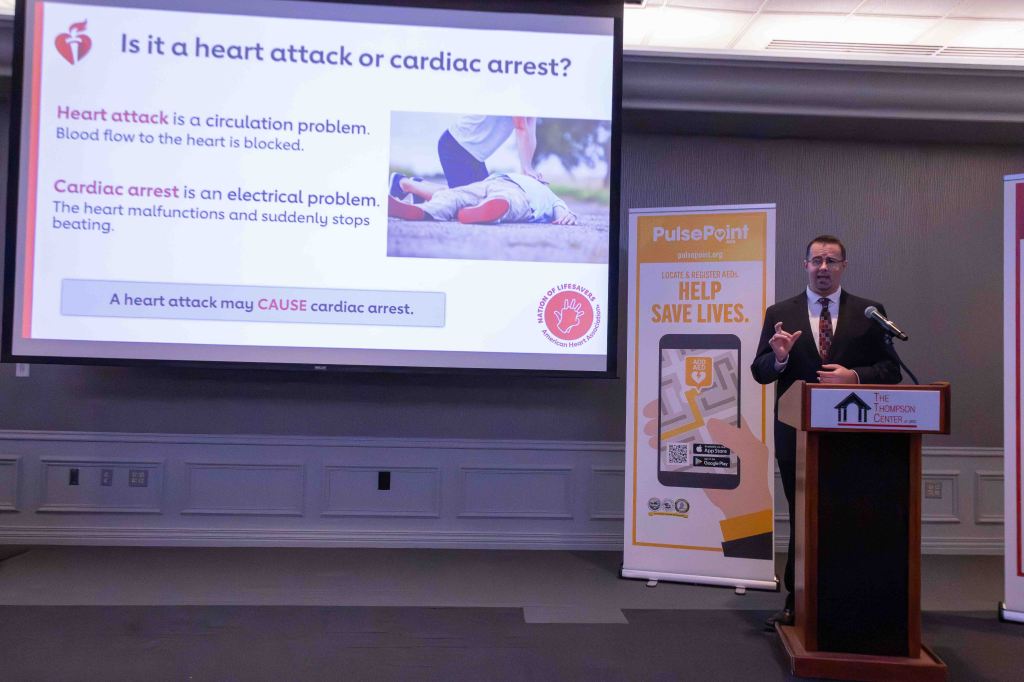
Emergency Medicine Physician Dr. Eric Ernest from Nebraska Medicine echoed Soby’s comments, explaining that early intervention is crucial. “It truly makes all the difference,” Ernest said. “For every one of those minutes that pass by, there’s a 10% drop in survivability. Most patients are not getting to us until 10, 15, 20 minutes after they’ve had their cardiac arrest.” He distinguished between heart attacks (a “plumbing” issue) and cardiac arrests (an “electrical” one), noting that without bystander CPR, blood flow to vital organs can drop to just 10-15% effectiveness.
Chris Shives, Executive Director of the American Heart Association Nebraska, addressed barriers to CPR training, such as fear and lack of knowledge. “We double or triple the chance of survival when someone goes down with cardiac arrest if we can get hands on the chest immediately,” Shives said. He highlighted the simplicity of hands-only CPR: “Call 911 and push hard and fast in the center of the chest.” Shives also praised technology’s role, including a 2023 law requiring 9-1-1 dispatchers to guide callers through CPR. The AHA trains approximately 70,000 Nebraskans annually on CPR and urge everyone to learn it.
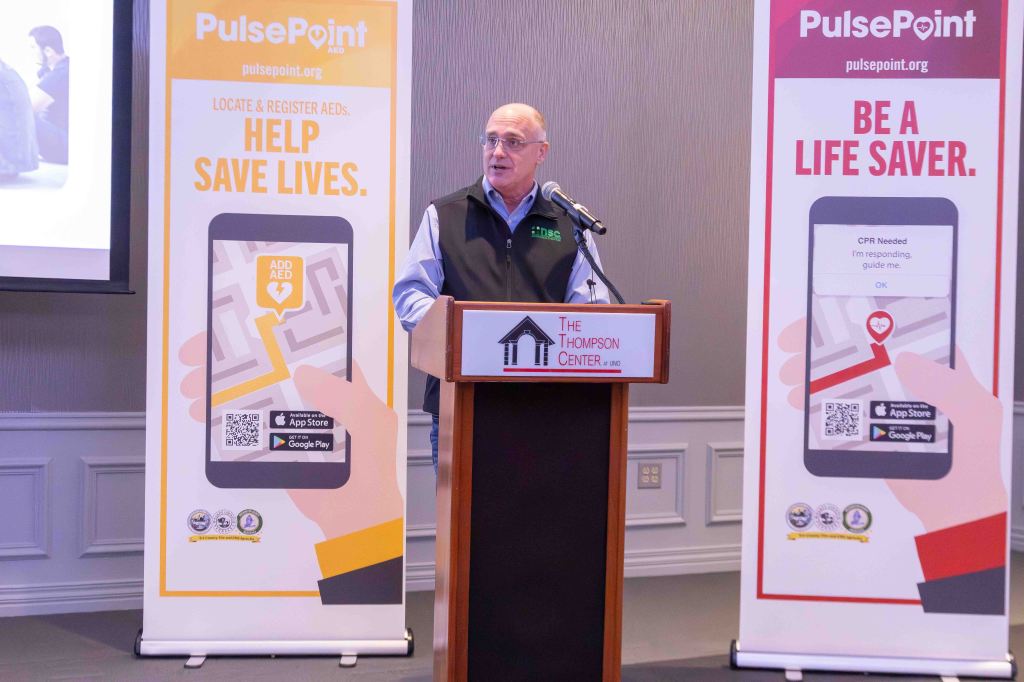
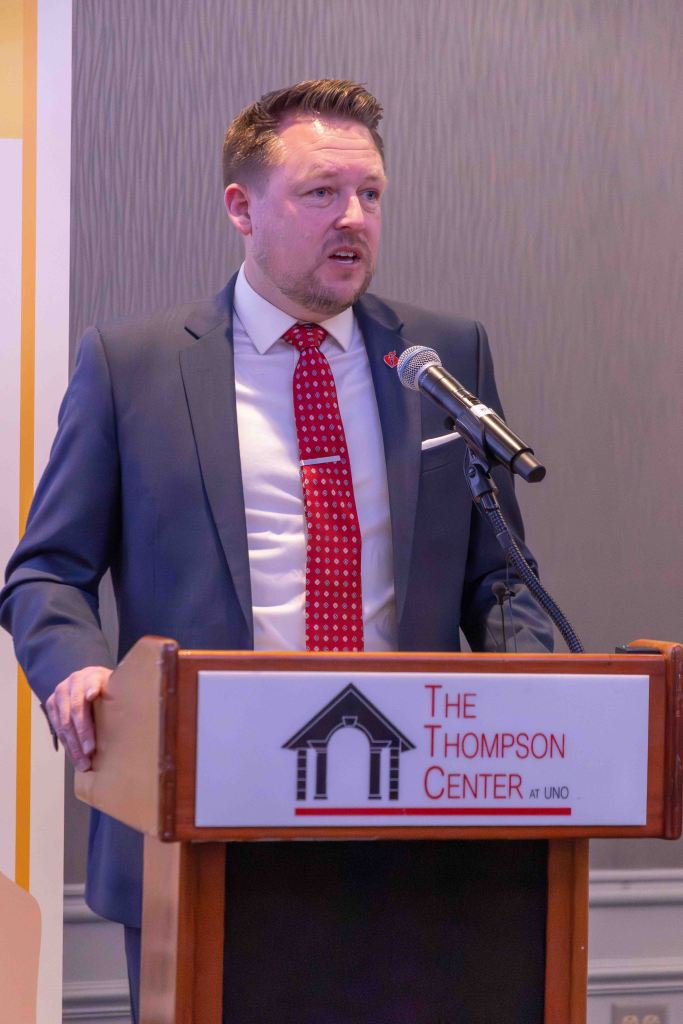
Eric Koeppe (pictured below), President and CEO of the Nebraska Chapter of the National Safety Council, encouraged broader training: “We encourage everyone to learn hands on CPR. It’s quick, it’s easy and it absolutely saves lives.” A short video demonstrated hands-only CPR, emphasizing the rhythm of songs like “Stayin’ Alive” for 100-120 compressions per minute.
Speakers outlined future plans, including identifying “AED deserts” — areas lacking devices — and expanding to verified responders. These include medically trained community members who can respond to private residences and professional responders like off-duty firefighters or police. Nixon shared excitement about new features: “This new function of pulse point AED will have the ability to create a national network so that we may be able to locate an AED in some of these neighborhoods or multiple AEDs in some of these neighborhoods and be able to have those neighbors subscribe to that AED so that when that AED is needed, it will alert the AED’s location and those people who are close by.”
Keber emphasized metrics for success, from app subscriptions and heat maps of AED coverage to increased bystander CPR rates. “We can start looking for these areas in the community that are lacking,” he said. Sustainability and funding will also be key, with thanks extended to sponsors like AED Empire, Cargill, CHI Health System, FNBO, Methodist Hospital, Nebraska Medicine, and others. Nixon added, “If we make a difference in one life, all the work is worthwhile. I think it’ll be much bigger than that and our opportunities will be much bigger than that. But even if it’s a difference in one life, I think that’s huge.”
Nixon also addressed hesitancy among potential responders: “The first thing I would say is that a lot of times this could be your family member, it could be your brother, mother, grandfather, whatever. So having the skills and at least some of the basic knowledge to just get your hands on the chest and push hard and fast is important and it could make a difference in someone that you know.” He added that even small actions, like fetching an AED or directing EMS, are invaluable ways to help when an alert goes out.
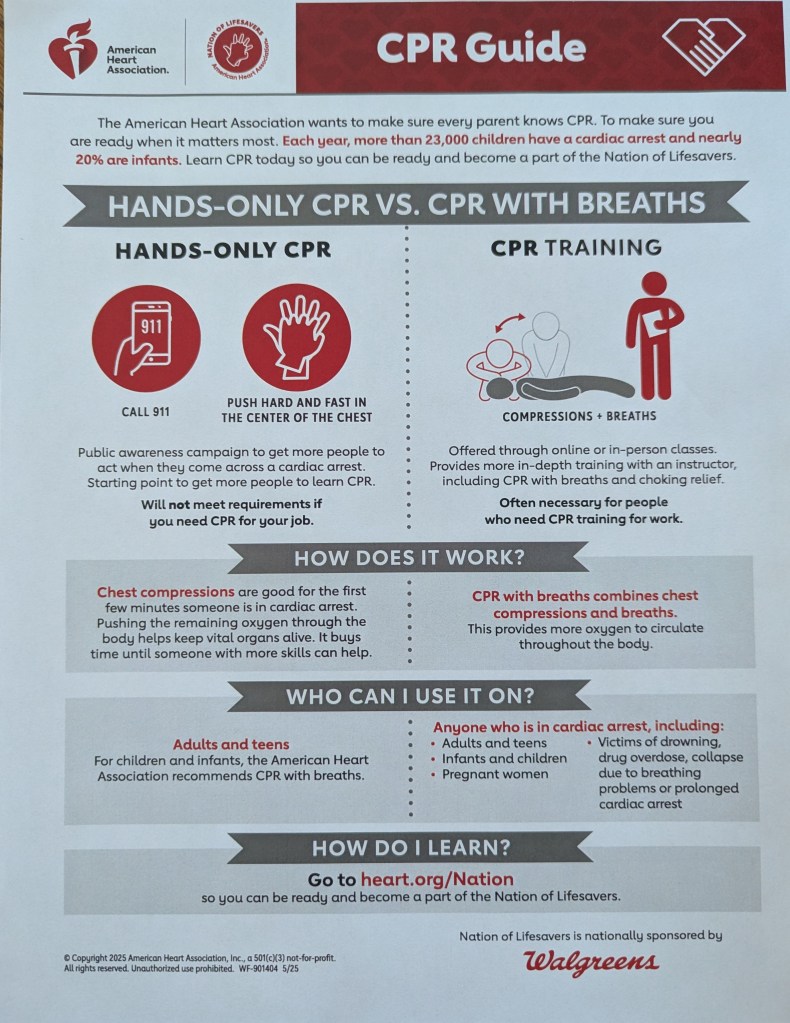
Keber reassured those unfamiliar with CPR: “Rest assured that the dispatchers are telecommunicator CPR trained, so those dispatchers will be able to coach you through how to do it.” Dr. Ernest encouraged overcoming barriers through accessible training as well. “Realizing that just doing hands only and not having to do necessarily mouth to mouth… I think getting over that, understanding that it’s not a huge thing to do, hands only CPR, I think that will hopefully start to shift here,” he said.
“Number one is download the app,” Shrives said as his message to those just hearing about PulsePoint for the first time. “It’s going to give you the notifications when you can step up. And if you’re hesitant right now- watch videos, go get trained in CPR.”
The collaborative calls on residents, businesses, and organizations to download both free apps today- PulsePoint Respond (the red app) and PulsePoint AED (the yellow app)- available on iOS and Android. Users should follow the “Tri-County” area in the Respond app and indicate willingness to assist. By reporting AEDs and signing up for alerts, community members can help build a verified registry and create a network of lifesavers, turning bystanders into heroes in moments that matter most.
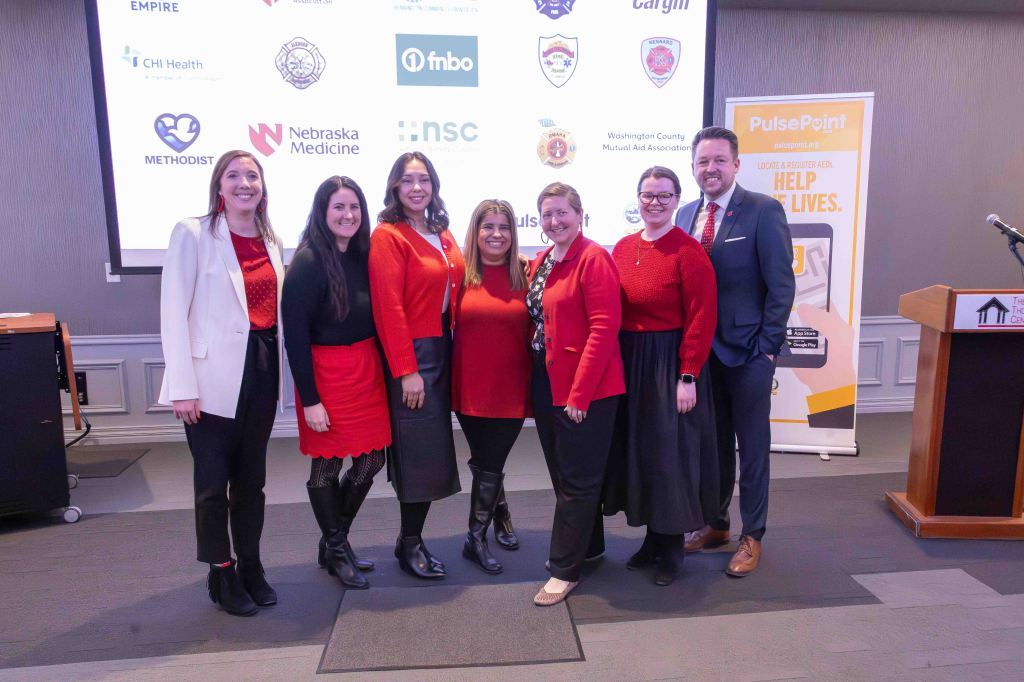
The following organizations were thanked for their contributions toward this life-saving launch:
AED Empire
American Heart Association, Nebraska
Bennington Community Foundation
Bennington Fire and Rescue
Cargill
CHI Health System
Elkhorn Suburban Fire District
Fort Calhoun Fire and Rescue
FNBO
Kennard Fire and Rescue
Methodist Hospital
National Safety Council – Nebraska Chapter
Nebraska Medicine
Omaha Fire and Rescue
Washington County Mutual Aid Association