By Marisa Dawson
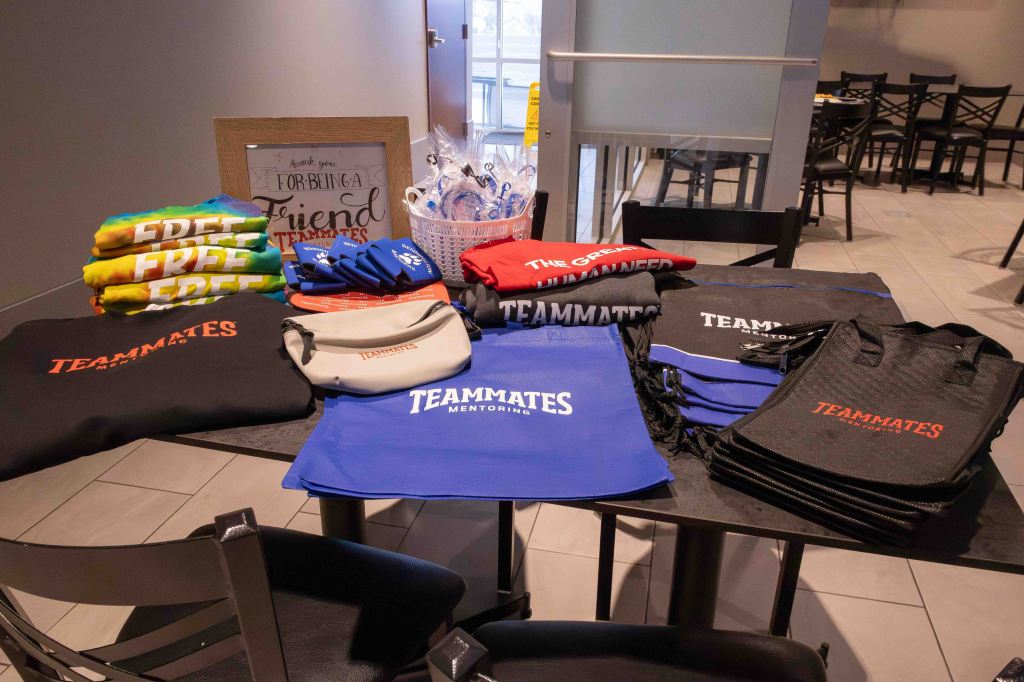
On Tuesday morning, Bennington TeamMates hosted a special Mentor Appreciation Breakfast at Hay Jay Cafe to honor the dedicated volunteers who make a lasting impact on local students. The event served as a highlight of National Mentoring Month, a time dedicated to recognizing the power of mentoring relationships.
Program Coordinator Megan Detjens emphasized the significance of the occasion for the organization and its mentors.
“National Mentoring Month is a really important time for us to pause and acknowledge the commitment of Mentoring,” Detjens said. “Although we think our Chapter, Schools and Community do a phenomenal job of showing gratitude to TeamMates Mentors, this gives us the opportunity to be intentional… gathering Mentors for fellowship, connection and support.”
She noted that many mentors rarely cross paths with one another due to the individualized nature of their pairings. Events like the breakfast provide valuable opportunities for connection.
“Some Mentors may not see other TeamMates Mentors very often, so when we have events like this, they can build rapport with one another,” Detjens explained. “Each Mentoring relationship is unique in its own way, but that doesn’t necessarily mean that we don’t go through similar challenges or accomplishments. It gives Mentors the chance to learn from each other and create a valuable bond.”
The organization also plans additional celebrations in February, which is recognized as Nebraska Mentoring Month.
TeamMates pairs adult volunteers with students in local schools for consistent, one-on-one mentoring during the school day. Detjens highlighted the meaningful difference these relationships make.
“Our data shows that when a Mentor shows up for a student weekly, spends quality one-on-one time, we see an impact in a Mentee’s overall wellbeing,” she said. “We see a positive impact in academics, classroom behavior and attendance.”
Importantly, the program focuses on building up students’ existing strengths rather than “fixing” perceived problems.
“It is important to note that we aren’t designed to ‘fix’ anything about a student,” Detjens continued. “When a student is nominated to become a Mentee, we learn about their individual strengths, it is our primary goal to honor and build on those strengths. When a young person knows what they do well, it builds hope and has a ripple effect on everything else. Mentors help build hope week after week, year after year, simply with the gift of time.”
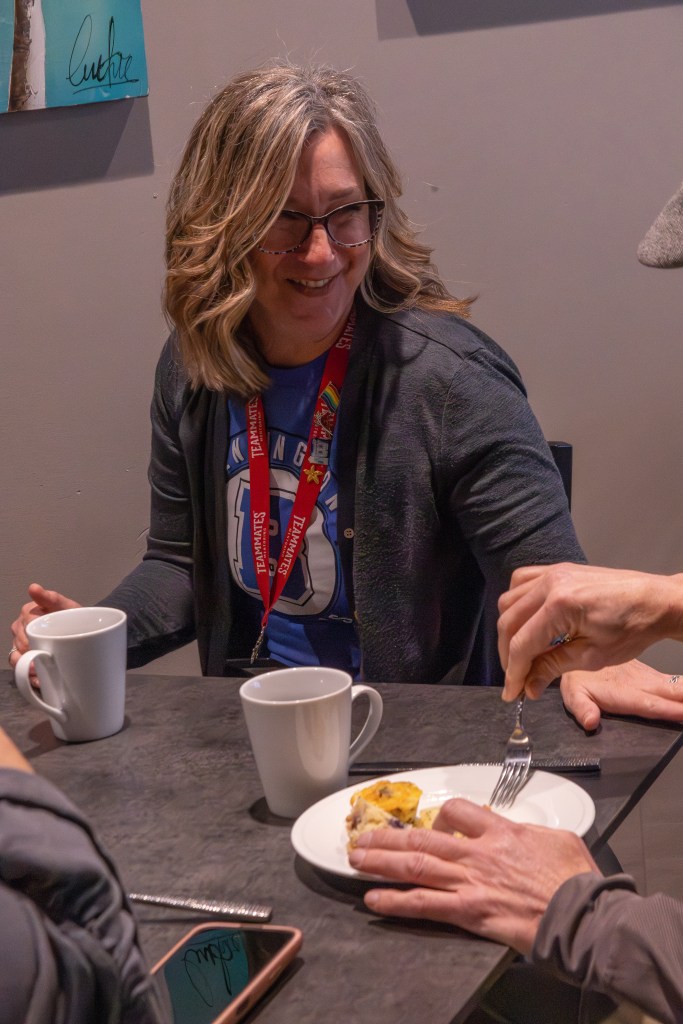
Mentors shared personal stories at the event that vividly illustrate these impacts, revealing the deep, often lifelong bonds formed and the mutual benefits of mentoring.
Brad Mlady described a particularly enduring relationship: “The first mentee I had, I actually started with him in second grade and we went all the way to senior year. He graduated… We still get together once or twice a year. He’s 23 now.”
He also highlighted an unexpected reward: “The surprising thing about one of the things you get out of it is that you are re-energized. You go see your mentor, you might be having a bad day at work, and take that half hour break and go see your mentee… You’re re-energized before you go back to work.”
Allan Hale echoed the theme of mutual uplift: “The surprise is how much better I feel after I go and see my mentee. You know, you’re signed up to help a kid, but he helps you right back, probably even more. That’s definitely the biggest surprise about it.” He added, “I come back to work feeling ten times better.”
Cassandra Brewer spoke about the joy of connection: “Being around my mentee, having that communication… Being the highlight of their day. Being able to connect and talk about their day. Just being that extra person that cares for them makes everything worthwhile… Just being able to spend those 30 minutes with each other and playing a game makes me feel like a kid again. And I go home having a really great day after that. She is just a pure joy to have in my life.”
She emphasized her role as a supportive voice: “I feel like I’m that extra person that she can communicate to when she’s having a difficult day… Just to be that voice for her.” Brewer is a passionate advocate for others considering becoming a mentor: “They need to do it. It’s the best thing ever… It’s the best choice I ever made for myself.”
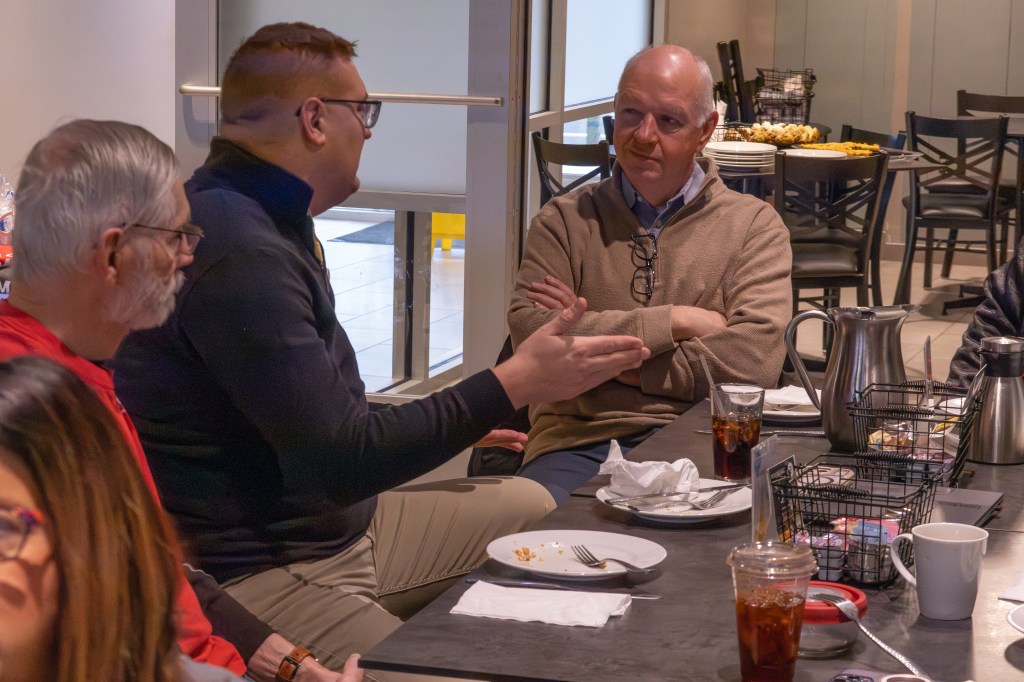
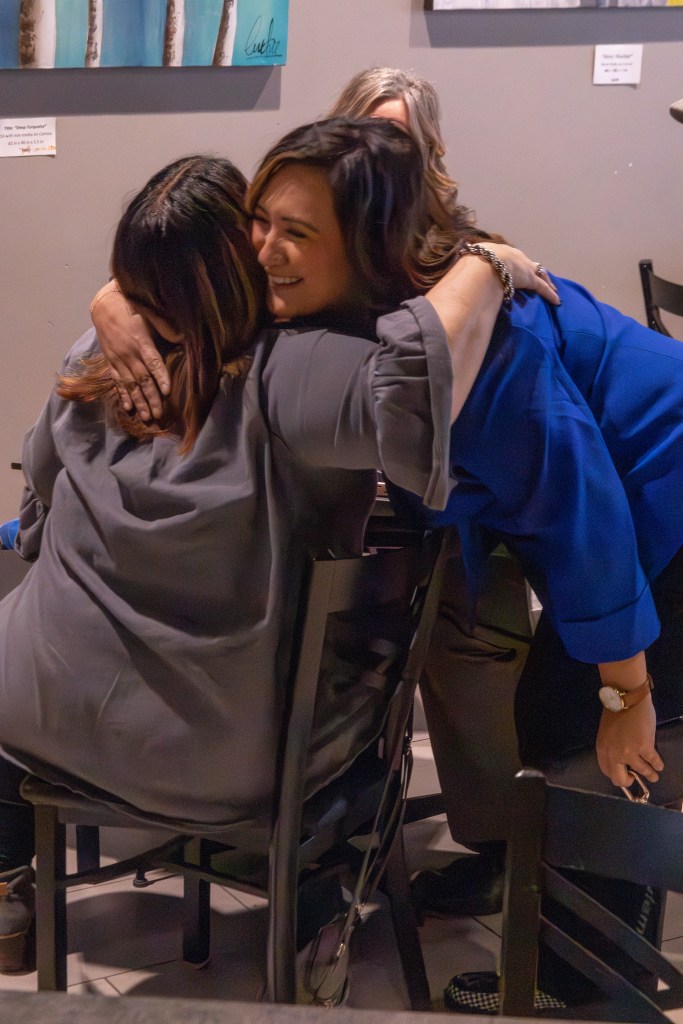
Felicia Weaver also shared the warmth of her weekly visits: “For me, it’s just that I have somebody who looks up to me and is excited to see me on a weekly basis… I always look forward to hearing about her week and what she’s been up to.”
She described a touching moment: “So she’s a hugger, and so am I. And so my favorite thing is whenever she sees me, she runs up and gives me a hug, and I just… That warms my heart.”
Weaver summed up the appeal simply: “That it’s the best 30 minutes that you’re going to have. You’re going to feel so good. You’re valued. You’re very valued by that mentee. And it’s only 30 minutes…”
Such gatherings like Tuesday’s also play a key role in sustaining mentor engagement and retention throughout the year by fostering a sense of community and shared purpose.
“Connections are everything!” Detjens said. “Even as adults, we are learning and adapting all the time. When a Mentor shares an experience in this setting, it allows for engaging conversation. They can celebrate each other, problem solve together and build their own confidence with the encouragement that comes from another Mentor.”
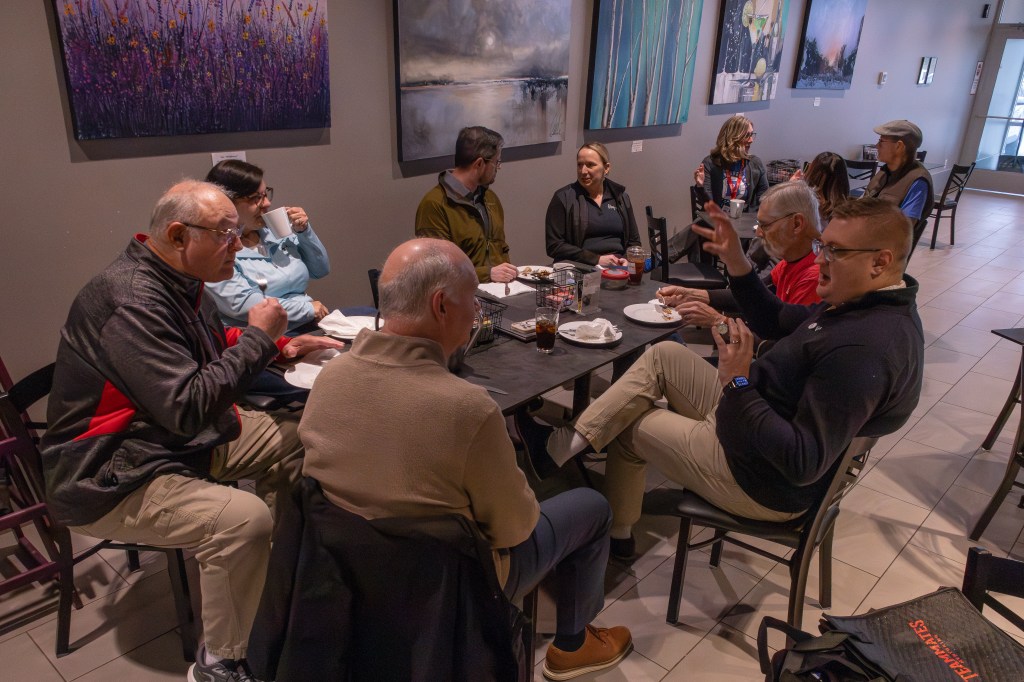
She added that group settings offer practical support for challenges that arise in mentoring relationships. “A Mentor may be struggling with a transition in their mentoring relationship, by sharing in a group setting it also provides them with insight and possible solutions,” Detjens said. “Again, the magic word, HOPE!”
For community members interested in becoming a mentor, Detjens stressed that no special expertise is required, only a willingness to show up authentically. “No Expertise needed. We honestly want adults from all walks of life to join us,” she said. “Our only ask is that a Mentor shows up as their true and authentic self and allows a student to do the same.”
The program matches mentors and mentees based on shared or complementary interests, and meetings take place during the school day to accommodate busy schedules.
“By meeting during the school day, in the school setting, it allows a Mentor to make this volunteer commitment and it doesn’t demand time away from their family or other commitments,” Detjens explained. “Most employers are big supporters of volunteer time, so lunch or even just an hour away from the workplace, isn’t a tough ask.”
Prospective mentors must be at least 18 years old, complete an application with personal references, and pass a national background screening to ensure student safety.
As National Mentoring Month continues, Bennington TeamMates invites the community to recognize the vital role mentors play and consider joining the effort to bring hope and connection to local youth.